
Navigating the complexities of family law, particularly when it involves the future of your children, can be one of life’s most challenging experiences. In Florida, seeking sole custody, officially known as sole parental responsibility, is a significant legal undertaking that directly impacts a family’s structure and lifestyle. While Florida law generally favors shared parental responsibility, there are specific circumstances where a court may grant one parent sole decision-making authority. Understanding the legal framework, requirements, and process is paramount for parents seeking this outcome to establish a stable and consistent lifestyle for their children.
Understanding Sole Parental Responsibility in Florida Law
In Florida, the term “sole custody” is commonly used but legally refers to “sole parental responsibility.” This means that one parent has the exclusive right to make major decisions concerning the child’s upbringing, including education, healthcare, and religious training. This contrasts sharply with shared parental responsibility, where both parents collaborate on these critical decisions, a preference enshrined in Florida Statutes. The court’s primary objective in any custody dispute is to determine what is in the “best interests of the child,” a foundational principle that guides all judicial decisions regarding minors.
Definition and Implications for Family Lifestyle
Sole parental responsibility grants a single parent the authority to manage all aspects of the child’s life without requiring the other parent’s consent. This level of autonomy can profoundly shape a family’s daily lifestyle, providing a clear and consistent decision-making structure. For instance, the custodial parent decides on the child’s school, medical treatments, and even the general tenor of their upbringing. This can lead to a more predictable and stable environment for the child, which is often a key argument presented by parents seeking sole parental responsibility. It minimizes potential conflicts and delays that can arise from co-parenting disagreements, allowing for a more streamlined approach to the child’s care and development. However, sole parental responsibility does not typically eliminate the non-custodial parent’s right to spend time with the child through a court-ordered visitation schedule. The focus remains on decision-making authority, not necessarily physical custody.
Distinction from Shared Parental Responsibility
Florida Statute 61.13 mandates that courts “order that the parents have shared parental responsibility” unless it is determined that shared responsibility would be detrimental to the child. This legislative preference reflects a belief that children benefit from the involvement of both parents in their lives. Shared parental responsibility requires parents to communicate and jointly make decisions regarding their child’s welfare. This collaborative lifestyle requires a high degree of cooperation and mutual respect. Sole parental responsibility, therefore, is an exception to this rule, typically granted when one parent can prove that the other parent poses a risk to the child’s well-being or is incapable of co-parenting effectively. Proving such detriment is a high legal bar to clear.
Key Legal Requirements and Considerations
Successfully petitioning for sole parental responsibility in Florida requires a thorough understanding of the legal landscape and the criteria courts use to make their decisions. The process is not straightforward and demands compelling evidence to sway judicial discretion away from the standard shared parental responsibility.
Jurisdiction and Residency
Before any custody case can proceed, the court must have jurisdiction over the matter. In Florida, this typically means the child must have resided in the state for at least six consecutive months immediately before the filing of the petition. This rule, known as the Uniform Child Custody Jurisdiction and Enforcement Act (UCCJEA), prevents parents from relocating children to another state solely to gain a legal advantage in custody proceedings. Establishing proper jurisdiction in a Florida court is the first critical step in initiating a case involving parental responsibility.
The “Best Interests of the Child” Standard
The guiding principle in all Florida custody cases is the “best interests of the child.” Florida Statute 61.13(3) outlines numerous factors the court considers when determining parental responsibility and a parenting plan. These factors include:
- The parents’ ability to provide a consistent routine for the child.
- The child’s home, school, and community record.
- The moral fitness of the parents.
- The mental and physical health of the parents.
- The child’s preference, if mature enough to express one.
- The parents’ ability to shield the child from litigation.
- Evidence of domestic violence, child abuse, or neglect.
A parent seeking sole parental responsibility must convincingly demonstrate how this arrangement would serve the child’s best interests more effectively than shared parental responsibility, often by highlighting the other parent’s inability to foster a stable or safe lifestyle.
Factors Influencing Judicial Decisions
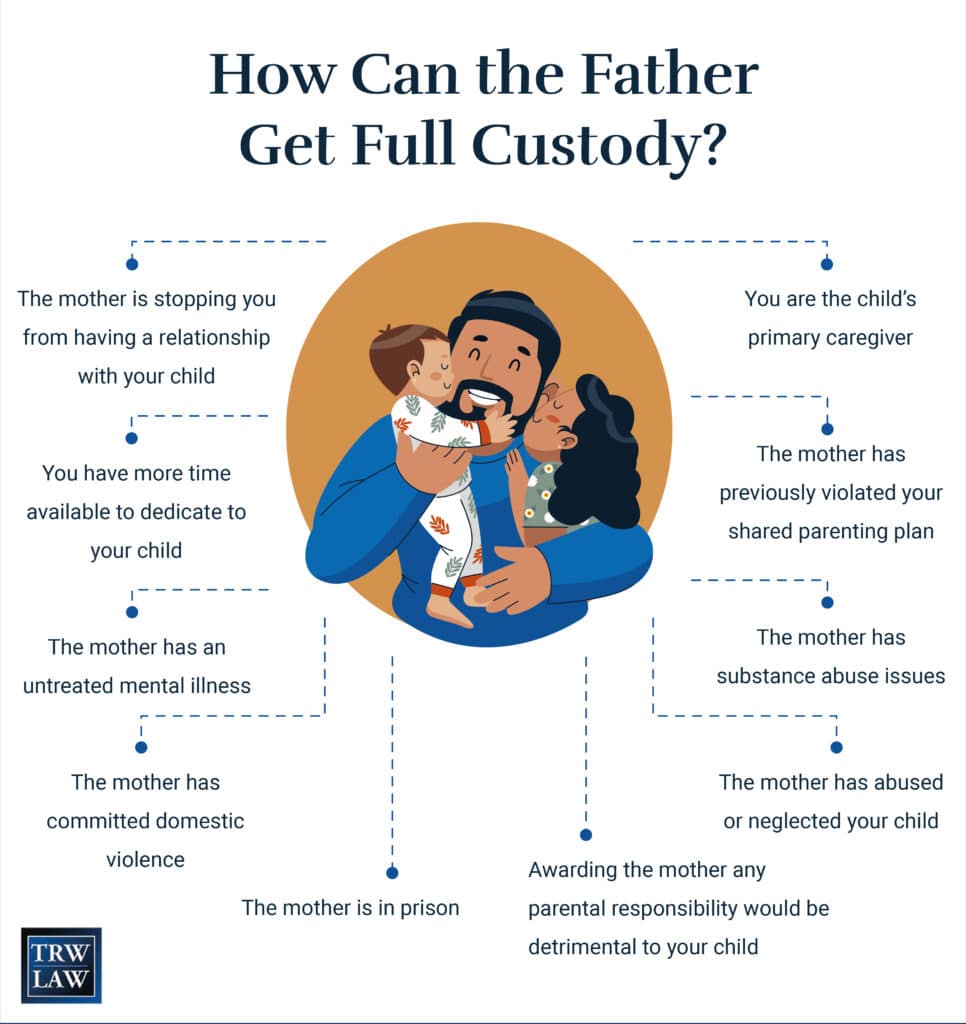
Courts typically lean towards granting sole parental responsibility only in cases where there is clear and convincing evidence that shared parental responsibility would be detrimental to the child. Common scenarios that might lead to a sole parental responsibility order include:
- History of domestic violence, child abuse, or neglect: If one parent has a documented history of harming the child or the other parent, the court is likely to grant sole parental responsibility to the non-abusive parent.
- Substance abuse or severe mental health issues: If a parent struggles with severe addiction or mental health conditions that impair their ability to make sound decisions or care for the child safely, sole parental responsibility may be awarded to the other parent.
- Chronic lack of cooperation or inability to co-parent: While difficult to prove, if one parent consistently refuses to communicate, adhere to agreements, or actively sabotages co-parenting efforts, a court might conclude that shared responsibility is unworkable and detrimental.
- Abandonment: If one parent has completely abandoned the child and shown no interest in their welfare, the court may award sole parental responsibility to the engaged parent.
Gathering compelling evidence related to these factors is crucial for building a strong case for sole parental responsibility.
The Process of Seeking Sole Parental Responsibility
The legal journey to obtain sole parental responsibility in Florida is multi-faceted and requires adherence to specific procedures. Understanding each stage can help parents prepare for the emotional and logistical demands of the process, ensuring their efforts align with the court’s expectations for establishing a stable family lifestyle.
Initial Filing and Petition

The process begins by filing a Petition for Dissolution of Marriage (if married) or a Petition to Establish Paternity/Custody (if unmarried) with the appropriate Florida circuit court. The petition must clearly state the request for sole parental responsibility and provide the legal basis for why this arrangement is in the child’s best interests, detailing the alleged detriment of shared parental responsibility. Proper completion and service of these initial documents are critical to initiate the legal proceedings.
Mediation and Negotiation
Before a final court hearing, Florida courts typically require parents to attend mediation. This process involves a neutral third-party mediator who facilitates communication between parents, aiming to help them reach mutually agreeable decisions regarding parental responsibility, time-sharing, and child support. Even when seeking sole parental responsibility, mediation is a mandatory step. If parents can reach an agreement, it is formalized into a parenting plan and submitted to the court for approval. If mediation fails, the case proceeds to litigation.
Court Hearings and Final Orders
If mediation does not result in a resolution, the case moves to contested hearings. The judge will hear testimony from both parents, witnesses, and potentially court-appointed experts (like a Guardian ad Litem who represents the child’s interests). Both sides will present evidence to support their positions. The judge will then weigh all factors under the “best interests of the child” standard and issue a final judgment that outlines the parental responsibility arrangements, including whether one parent is granted sole parental responsibility. This order legally defines the family’s future lifestyle and decision-making structure.
Essential Steps for a Successful Petition
For parents committed to seeking sole parental responsibility, strategic preparation and diligent effort are key to presenting a compelling case to the Florida courts. Each step contributes to demonstrating fitness and the necessity of such an arrangement for a child’s stable lifestyle.
Gathering Documentation and Evidence
Building a strong case for sole parental responsibility requires extensive documentation. This includes:
- Medical records: Highlighting concerns about the other parent’s ability to manage medical care or evidence of neglect.
- School records: Demonstrating academic instability or behavioral issues related to the other parent’s influence.
- Police reports: Documenting instances of domestic violence, substance abuse, or child endangerment.
- Emails, texts, and communication logs: Showing a pattern of uncooperative behavior, harassment, or refusal to communicate effectively.
- Witness testimonies: From teachers, doctors, therapists, or other individuals who can attest to the other parent’s detrimental behavior or the petitioning parent’s stability.
- Financial records: If financial instability or neglect is an issue.
Thoroughly organizing and presenting this evidence is crucial for demonstrating to the court why sole parental responsibility is the only viable option for the child’s stable lifestyle.
Seeking Legal Representation
Given the complexity and high stakes of custody litigation, retaining an experienced Florida family law attorney is strongly advisable. An attorney can guide you through the legal process, help you understand your rights, strategize your case, gather evidence, represent you in court, and articulate your arguments effectively. They can also anticipate challenges and navigate the nuances of Florida Statutes related to parental responsibility. While specific city references like Miami, Orlando, or Tampa are not necessary for a general article on Florida law, seeking local counsel within the relevant circuit court jurisdiction is always recommended.
Maintaining a Stable Environment
Throughout the legal process, it is critical for the petitioning parent to demonstrate their ability to provide a stable, safe, and nurturing environment for the child. This means maintaining a consistent routine, ensuring the child attends school regularly, and meeting all their physical and emotional needs. Judges look favorably upon parents who can show they are already providing the kind of stable lifestyle they are advocating for in court.
Demonstrating Parental Fitness
Proving sole parental responsibility often involves demonstrating not only the other parent’s unsuitability but also your own unwavering parental fitness. This includes showing good judgment, emotional stability, a commitment to the child’s well-being, and a clear understanding of the responsibilities that come with sole decision-making authority. Any actions that could be perceived as undermining the child’s best interests or the court process should be strictly avoided.
Post-Order Lifestyle Adjustments and Enforcement
Even after a court order granting sole parental responsibility is issued, the journey does not necessarily end. Adhering to the order and understanding avenues for enforcement and modification are crucial for maintaining the established family lifestyle.
Adhering to Court Orders
Once a judge grants sole parental responsibility, it is legally binding. The custodial parent must adhere to the terms of the order, particularly regarding time-sharing schedules with the non-custodial parent. While the custodial parent has sole decision-making power, they generally cannot unilaterally prevent the other parent from seeing the child unless the court order explicitly allows for it or if there is a new immediate safety concern warranting an emergency order. Compliance with all aspects of the court order is vital to avoid future legal complications.

Modifications and Changes in Circumstances
A final order for parental responsibility can be modified if there is a substantial, material, and unanticipated change in circumstances since the last order was issued, and if the modification is in the child’s best interests. For example, if the non-custodial parent’s dangerous behaviors cease, or if the custodial parent becomes unfit, a court might reconsider the initial order. Seeking legal counsel for modifications is just as important as during the initial petition, as the burden of proof for a modification can be substantial. Understanding this possibility is part of planning for a long-term, stable family lifestyle.
LifeOutOfTheBox is a participant in the Amazon Services LLC Associates Program, an affiliate advertising program designed to provide a means for sites to earn advertising fees by advertising and linking to Amazon.com. Amazon, the Amazon logo, AmazonSupply, and the AmazonSupply logo are trademarks of Amazon.com, Inc. or its affiliates. As an Amazon Associate we earn affiliate commissions from qualifying purchases.