
Embracing the Sunshine State’s Agricultural Rhythms
For those who call Florida home, or aspire to a more self-sufficient and vibrant way of living within its unique climate, cultivating your own garden offers a profound connection to the land. Beyond the allure of its pristine beaches and bustling urban centers, Florida presents a distinctive canvas for home gardeners. Growing potatoes in this subtropical paradise isn’t merely an act of agriculture; it’s a testament to embracing a hands-on, sustainable lifestyle that many seek. This endeavor transforms a plot of soil into a source of personal satisfaction, fresh produce, and a deeper appreciation for the rhythms of nature in the Sunshine State. It’s about more than just food; it’s about the joy of nurturing life, understanding your environment, and contributing to a healthier, more grounded way of living.

Florida’s Unique Climate for Cultivation
Florida’s climate, characterized by its long, warm growing seasons, ample sunshine, and high humidity, offers both opportunities and challenges for the aspiring potato grower. Unlike traditional potato-growing regions with distinct four seasons, Florida gardeners must adapt to mild winters, hot, wet summers, and the ever-present possibility of tropical weather. This unique environment necessitates a tailored approach to planting times, variety selection, and pest management, making local knowledge and observation crucial. The reward, however, is the ability to enjoy freshly harvested potatoes, often defying conventional gardening calendars and offering a unique sense of accomplishment. Understanding these climatic nuances is the first step in aligning your gardening practices with the natural flow of Florida, fostering a truly integrated lifestyle.
The Allure of Homegrown Produce
The decision to grow your own potatoes in Florida goes beyond the economic benefits or the simple act of gardening; it’s a lifestyle choice centered on quality, control, and connection. Homegrown potatoes often boast superior flavor and texture compared to their store-bought counterparts, a direct result of being harvested at peak ripeness and consumed shortly thereafter. For those prioritizing health, growing your own allows for complete control over pesticides and fertilizers, enabling truly organic practices. Furthermore, the act of tending to a potato patch offers therapeutic benefits, reducing stress and providing a tangible link to the food system. This hands-on engagement fosters a sense of accomplishment and pride, enriching the Florida lifestyle with healthy, delicious, and sustainably produced food, directly from your backyard.
Laying the Groundwork: Essential Steps for Florida Potato Success
Success in growing potatoes in Florida hinges on meticulous preparation and an understanding of the specific demands of the crop within this environment. This foundational work is not merely a task; it is an investment in your sustainable lifestyle, promising bountiful rewards. From choosing the right seed potatoes to crafting the ideal soil environment, each step is crucial for establishing a healthy, productive patch that aligns with the rhythms of Florida’s unique growing conditions. Approaching this preparation with care and foresight sets the stage for a rewarding gardening experience and a continuous supply of homegrown goodness.
Selecting the Right Potato Varieties for the Tropics
The journey to a successful potato harvest in Florida begins with selecting varieties that thrive in its subtropical climate. Unlike cooler regions, Florida demands heat-tolerant varieties with good disease resistance, particularly to late blight, which can be exacerbated by humidity. Early to mid-season varieties are generally preferred, allowing them to mature before the intense summer heat and heavy rains begin. Popular choices among Florida gardeners include Red Pontiac, known for its reliability and excellent flavor, and Kennebec, a versatile white potato that performs well. Some also find success with Yukon Gold in cooler parts of the state or when planted at the ideal time. Sourcing certified disease-free seed potatoes is paramount to prevent the introduction of pathogens into your garden, ensuring a healthy start for your crop and protecting your lifestyle investment.
Soil Preparation: The Florida Difference
The soil in Florida often presents unique challenges, ranging from sandy, fast-draining conditions to heavy, poorly drained clay, all of which require careful amendment for potato cultivation. Potatoes prefer loose, well-draining, slightly acidic soil with a pH between 5.0 and 6.0. Amending the soil with ample organic matter, such as compost, well-rotted manure, or peat moss, is essential. This not only improves soil structure and drainage but also enhances water retention in sandy soils and aeration in heavier ones. For container gardening or raised beds, which are often excellent choices for Florida to manage soil conditions and drainage, a high-quality potting mix enriched with compost will provide the ideal medium. Proper soil preparation is a foundational aspect of sustainable gardening, setting the stage for strong root development and robust tuber formation, key to a thriving Florida lifestyle.
Planting Techniques for Abundant Harvests
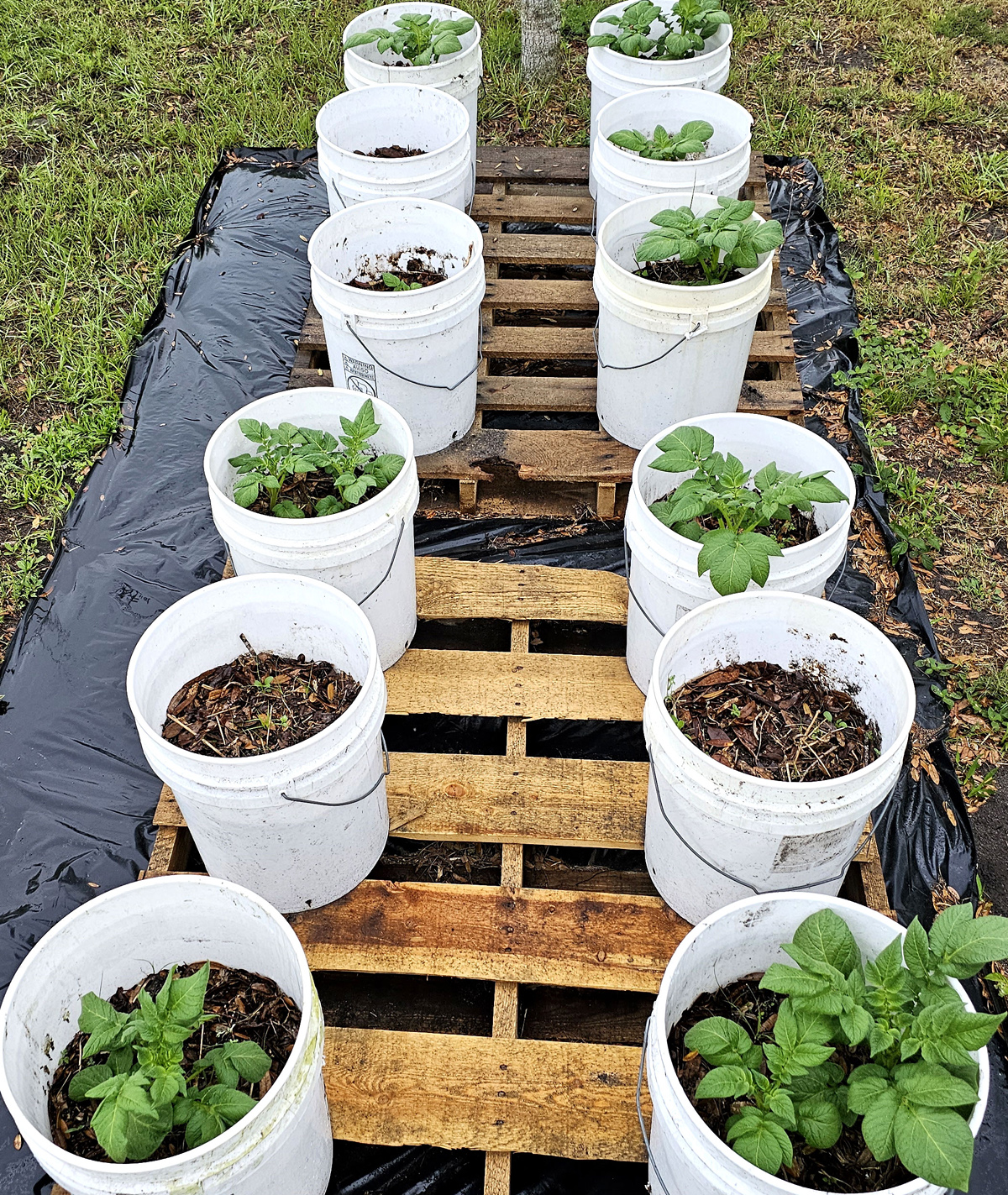
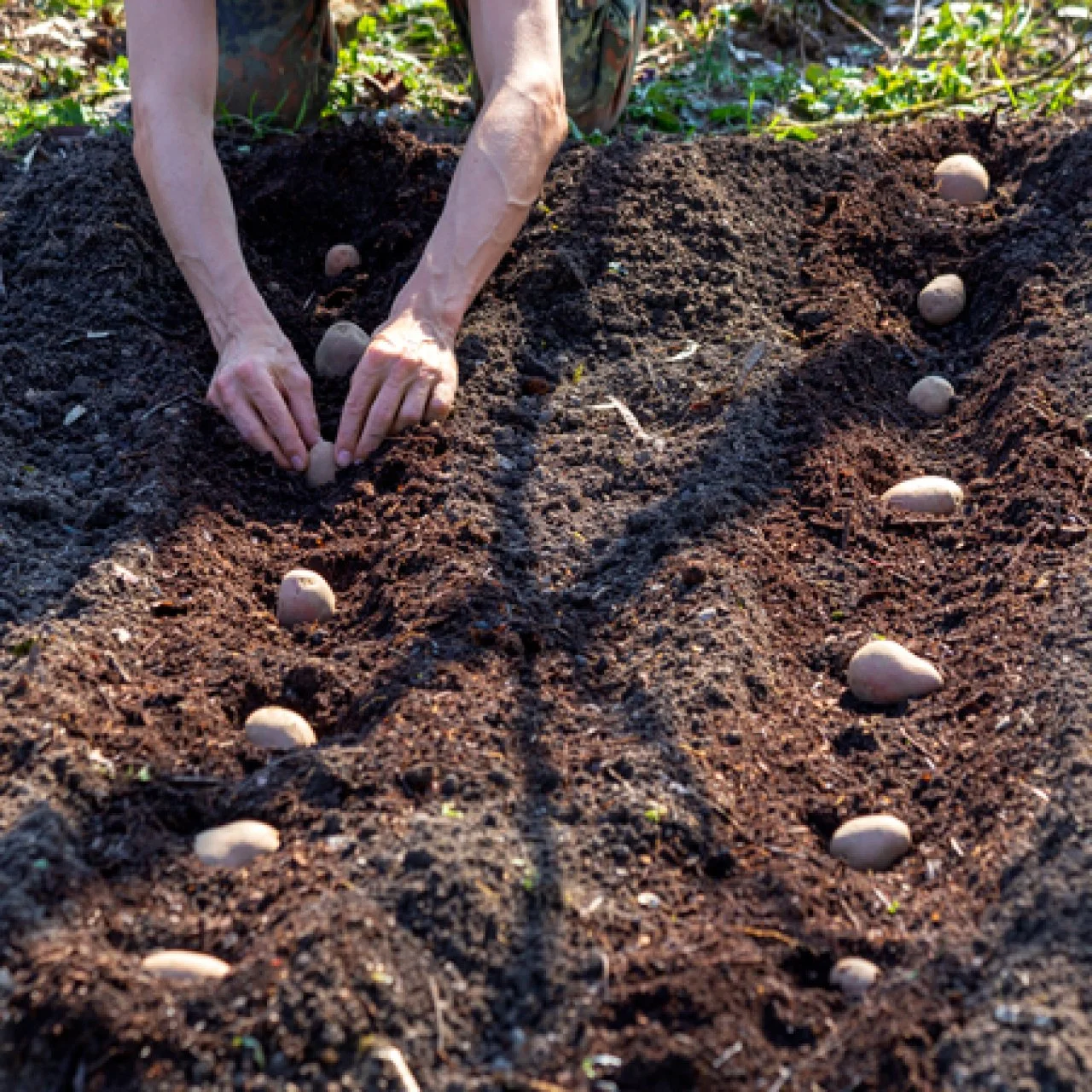
Timing is critical when planting potatoes in Florida. The ideal planting window is typically from late January to March in Central Florida and South Florida, extending into April in North Florida, ensuring tubers develop during the cooler, drier months. Seed potatoes should be cut into pieces, each containing at least two “eyes,” and allowed to “cure” for a day or two to form a protective callous. Plant these pieces about 4-6 inches deep and 10-12 inches apart in rows that are 2-3 feet apart. For containers, place one or two pieces in a large pot. This meticulous approach to planting, considering both spacing and depth, provides the optimal environment for each plant to flourish, contributing to the satisfaction of a well-managed garden and a truly self-sufficient lifestyle.
Nurturing Your Crop: Care and Maintenance in the Florida Environment
Once planted, the success of your Florida potato crop relies on consistent care and thoughtful management, adapting to the region’s specific environmental factors. Nurturing your plants is an ongoing commitment that deepens your connection to the gardening process and ensures a healthy yield. This active engagement with your garden, attending to its needs as they arise, is a fulfilling aspect of the sustainable lifestyle, transforming effort into tangible, delicious results.
Watering Wisdom for Florida’s Humidity
Watering potatoes in Florida’s often humid environment requires a nuanced approach. While consistent moisture is crucial for tuber development, especially during flowering and tuber formation, overwatering can lead to fungal diseases and rot. The key is to provide deep, consistent watering, particularly during dry spells, ensuring the soil remains moist but not waterlogged. Early morning watering is ideal, allowing foliage to dry before nightfall, which helps prevent fungal issues. Using drip irrigation or soaker hoses can be highly effective, delivering water directly to the root zone and minimizing moisture on leaves. Monitoring soil moisture regularly, rather than adhering to a strict schedule, is the most effective strategy for managing your potato patch in Florida’s variable conditions, a practice that epitomizes attentive and responsive gardening.
Pest and Disease Management: A Gardener’s Vigilance
Florida’s warm and humid climate can be a breeding ground for various pests and diseases that affect potatoes. Common pests include aphids, Colorado potato beetles, and leaf miners, while diseases like early blight and late blight pose significant threats. Integrating pest and disease management into your Florida lifestyle means proactive vigilance. Regularly inspect plants for any signs of trouble. Employ organic pest control methods such as hand-picking beetles, using insecticidal soaps for aphids, and ensuring good air circulation around plants to deter fungal growth. Companion planting with marigolds or nasturtiums can also help deter pests. Prompt identification and action are crucial to protect your crop and maintain the health of your garden, embodying a commitment to natural and sustainable practices.
Hilling and Fertilizing for Optimal Growth
Hilling is an essential technique for potato cultivation, particularly in Florida. As the plants grow, mound soil around their stems, covering the lower leaves. This process, typically done when plants reach 6-8 inches tall and again a few weeks later, protects developing tubers from sunlight (which can turn them green and toxic), prevents pests, and encourages the formation of more tubers along the stem. Fertilization should be moderate, as excessive nitrogen can promote leafy growth at the expense of tubers. A balanced fertilizer, or one slightly higher in phosphorus and potassium, applied at planting and again during the hilling process, will support strong growth. Organic amendments like compost tea or fish emulsion can also provide a gentle, steady nutrient supply, fostering robust plants that contribute to a healthy, productive Florida garden.
Harvesting Your Labor of Love: A Florida Gardener’s Reward
The moment of harvest is the culmination of weeks of careful planning, diligent care, and patient observation—a truly rewarding aspect of the Florida gardening lifestyle. It’s when your efforts translate into tangible bounty, ready to be enjoyed and shared. This final stage is not just about digging up potatoes; it’s about savoring the fruits of your labor, understanding the full cycle of growth, and appreciating the value of fresh, homegrown food.
Knowing When to Harvest
Determining the optimal harvest time for your Florida potatoes is key to maximizing both yield and quality. “New potatoes” can be gently harvested about 7-8 weeks after planting, once the plants begin to flower. These small, tender tubers are perfect for immediate consumption. For mature storage potatoes, wait until the plant’s foliage begins to yellow and die back, typically 10-12 weeks after planting. This natural senescence indicates that the plant has finished transferring energy to the tubers. Allow the plants to remain in the ground for another week or two after the foliage has completely died down; this “curing” period helps toughen the skins, improving storage life. Harvesting on a dry day is always recommended to prevent diseases and ensure clean tubers. This mindful approach to harvesting reflects a deep respect for the plant’s life cycle and maximizes the utility of your efforts.
Post-Harvest Care and Enjoying Your Bounty
Once harvested, proper post-harvest care ensures your Florida potatoes maintain their quality. Gently brush off excess dirt (avoid washing until ready to use) and allow them to cure in a cool, dark, well-ventilated area for about two weeks. This further hardens the skins, heals any minor wounds, and improves their storage potential. After curing, store potatoes in a cool, dark place (ideally 45-50°F / 7-10°C) with good air circulation. Avoid refrigeration, as it can convert starches to sugars, affecting flavor and texture. With your homegrown potatoes, the culinary possibilities are endless: from classic mashed potatoes to vibrant Florida potato salads, roasted alongside local vegetables, or as a hearty component in stews. Enjoying your bounty is the ultimate expression of the Florida lifestyle, connecting your garden directly to your table with fresh, nutritious, and deeply satisfying food.
Integrating Potato Growing into Your Florida Lifestyle
Growing potatoes in Florida is more than a seasonal task; it’s an enriching component of a conscious and fulfilling lifestyle. It encourages self-reliance, promotes healthy eating, and fosters a deeper appreciation for the environment. This activity seamlessly blends into the fabric of daily life for those who choose a path of sustainability and connection in the Sunshine State.
Connecting with Florida’s Natural Environment
Engaging in potato cultivation offers a tangible way to connect with Florida’s unique natural environment. It requires an understanding of local weather patterns, soil conditions, and the diverse ecosystem of pollinators and beneficial insects. This hands-on interaction cultivates a profound respect for nature and encourages ecological awareness. By tending to a garden, individuals gain insight into the delicate balance of their surroundings, becoming more attuned to the local flora and fauna. This connection transcends mere observation, positioning the gardener as an active participant in Florida’s ecological tapestry, enriching their lifestyle with a sense of place and purpose.
Sustainable Living and Community Engagement
Embracing potato growing as part of a Florida lifestyle also strongly aligns with principles of sustainable living. Reducing reliance on commercially produced food lessens your carbon footprint and promotes local food systems. Sharing surplus harvests with neighbors or participating in local farmers’ markets fosters community engagement and strengthens local bonds. It sparks conversations about food origins, sustainable practices, and shared experiences, building a network of like-minded individuals. This communal aspect transforms personal gardening into a broader contribution to a resilient, interconnected community, embodying the true spirit of a rich and responsible Florida lifestyle. The satisfaction of a successful harvest, shared with friends and family, encapsulates the profound joy and reward of growing your own food in the Sunshine State.
LifeOutOfTheBox is a participant in the Amazon Services LLC Associates Program, an affiliate advertising program designed to provide a means for sites to earn advertising fees by advertising and linking to Amazon.com. Amazon, the Amazon logo, AmazonSupply, and the AmazonSupply logo are trademarks of Amazon.com, Inc. or its affiliates. As an Amazon Associate we earn affiliate commissions from qualifying purchases.