
Florida, the Sunshine State, is renowned for its stunning beaches, vibrant cities like Miami and Orlando, and world-class attractions. However, for many travelers, navigating the state’s extensive network of toll roads can be a source of confusion. Understanding how to efficiently pay tolls is crucial for a smooth and stress-free journey, whether you’re heading to the theme parks, exploring the Everglades, or driving down to Key West. This comprehensive guide provides everything you need to know about Florida’s toll system, ensuring your travel plans remain uninterrupted.
Understanding Florida’s Toll Road Landscape
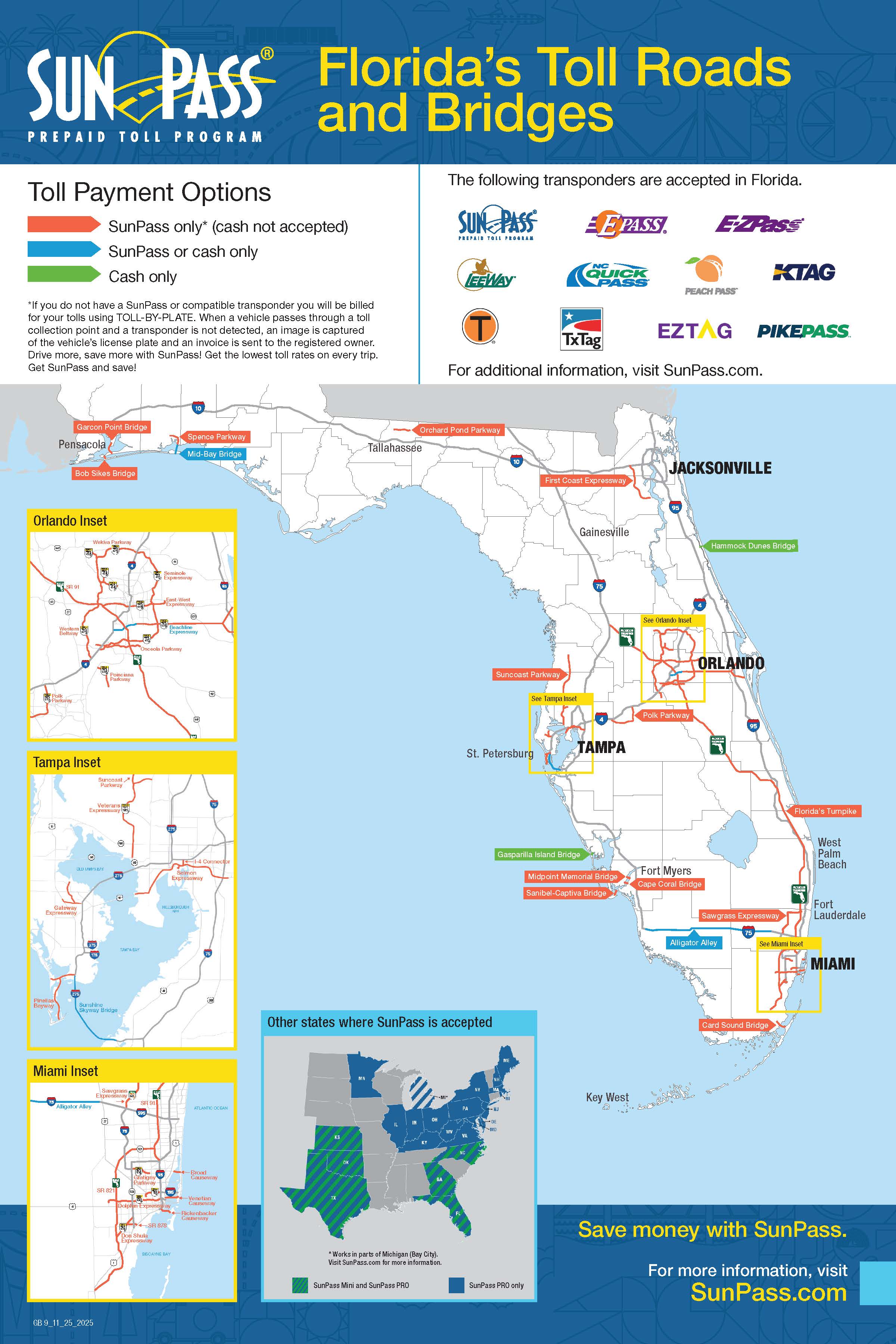
Florida boasts one of the most extensive toll road systems in the United States. These roads are integral to the state’s infrastructure, facilitating efficient travel between major population centers and tourist destinations. Knowing why these tolls exist and what types of roads you might encounter will set you up for success.
Why Florida Has Toll Roads
The primary reason for Florida’s toll roads is to fund the construction, maintenance, and expansion of its vast highway system. Unlike roads funded solely through state or federal taxes, toll roads generate revenue directly from their users, allowing for quicker development and upkeep of critical transportation arteries. This model helps alleviate congestion on free alternatives, provides faster routes, and supports the state’s continuous growth in population and tourism. From the sprawling Florida’s Turnpike that stretches almost the entire length of the peninsula, to numerous expressways crisscrossing major metropolitan areas like Tampa and Jacksonville, tolls play a vital role in keeping Florida’s traffic flowing.
Types of Toll Roads and Plazas
Florida’s toll roads come in various forms, and understanding them is key. Many major highways, such as sections of I-4 and I-95, feature express lanes that are tolled, offering a faster route for those willing to pay. Dedicated toll roads, like Florida’s Turnpike and various expressways managed by entities like the Central Florida Expressway Authority or the Greater Miami Expressway Agency (GMX), also form a significant part of the network.
A crucial development in recent years is the widespread conversion to cashless tolling. Most toll plazas in Florida no longer accept cash. Instead, they rely on electronic transponders or a Toll-by-Plate system. While some older, smaller toll booths might still have cash lanes, these are becoming increasingly rare, particularly on major thoroughfares. This transition underscores the importance of being prepared with an electronic payment method.
Electronic Toll Collection: The Easiest Way to Pay
For convenience and often cost savings, electronic toll collection systems are the recommended method for paying tolls in Florida. These systems use small transponders mounted on your vehicle’s windshield, which communicate with overhead readers at toll plazas, automatically deducting the toll amount from a pre-funded account.
SunPass: Florida’s Primary System
SunPass is Florida’s official prepaid toll program and the most widely accepted electronic toll payment method in the state. It offers several advantages, including discounted toll rates compared to cash or Toll-by-Plate options, and seamless travel through all cashless toll facilities. There are two main types of SunPass transponders:
- SunPass Mini: This is a sticker transponder that adheres to your windshield. It’s inexpensive, disposable once removed, and linked to your prepaid account. Ideal for those who travel primarily within Florida in a single vehicle.
- SunPass PRO: This portable transponder is slightly more expensive but offers broader interoperability. It can be moved between vehicles and is accepted in Florida, Georgia, and other states that accept E-ZPass (a common electronic toll collection system in the northeastern United States). This is a great option for frequent travelers or those planning multi-state road trips.
You can purchase a SunPass transponder online, at retail locations like Publix supermarkets, CVS Pharmacy, Walgreens, and AAA offices throughout Florida, or at Florida welcome centers. Once acquired, you’ll need to activate it online or by phone and load funds into your account. Automatic replenishment options are available to ensure you never run out of funds.
Other Regional Toll Tags
While SunPass is dominant, several regional toll agencies in Florida also issue their own transponders that are fully interoperable with SunPass and statewide toll roads. These include:
- E-PASS: Issued by the Central Florida Expressway Authority (CFX), E-PASS works seamlessly on all Florida toll roads and offers similar benefits to SunPass. Their transponders are also E-ZPass compatible, making them useful for broader travel.
- LeeWay: Managed by Lee County toll facilities in Southwest Florida, LeeWay transponders are also interoperable statewide.
- O-PASS: The Osceola County Expressway Authority offers O-PASS tags, which similarly function across the state’s toll network.
The key takeaway is that if you obtain any of these electronic transponders, you will be able to travel smoothly on any toll road in Florida where electronic payment is accepted.
Interoperability: Driving Seamlessly Across States
The advent of interoperability agreements has made toll travel significantly easier. The SunPass PRO and E-PASS toll tags are part of a growing network of compatible transponders. Specifically, they are interoperable with the E-ZPass system, which covers a significant portion of toll roads in 19 other states, primarily in the Northeast and Midwest. This means if you have a SunPass PRO or E-PASS transponder, you might not need a separate tag when traveling to states like New York, Pennsylvania, or Illinois. Always check the latest interoperability agreements before your trip to confirm coverage.
Solutions for Visitors and Rental Car Users
Travelers visiting Florida from out-of-state or those relying on rental vehicles have specific considerations when it comes to toll payments. Understanding these options is crucial to avoid unexpected fees or fines.
The Toll-by-Plate (or Pay By Plate) System
For vehicles without an electronic transponder, Florida’s default payment method is Toll-by-Plate (sometimes referred to as Pay By Plate or Bill-by-Mail). When a vehicle passes through a cashless toll plaza without a transponder, cameras capture an image of the license plate. An invoice for the tolls incurred is then mailed to the registered owner of the vehicle.
While convenient for occasional use, Toll-by-Plate comes with a few drawbacks:
- Higher Rates: Toll-by-Plate users typically pay a higher rate than transponder users.
- Administrative Fees: Each invoice usually includes an administrative fee in addition to the toll charges.
- Delay in Billing: It can take several weeks for the invoice to arrive, which might be inconvenient for short-term visitors or those who have already returned home.
- Rental Cars: For rental cars, the invoice will go to the rental company, which then forwards the charges to you, often with additional administrative fees.
To manage Toll-by-Plate proactively, visitors can create a temporary Toll-by-Plate account online for their personal vehicle. This allows them to link their license plate to a credit card for automatic payments, potentially avoiding some administrative fees and ensuring prompt payment.
Navigating Rental Car Toll Programs
Most major rental car companies in Florida offer their own toll programs, which can be both a blessing and a curse. These programs typically involve a daily or weekly administrative fee, plus the cost of the tolls. The specifics vary widely by company:
- Opt-in vs. Automatic Enrollment: Some companies require you to opt into their toll program, while others automatically enroll you if you use a toll road without a personal transponder.
- Fee Structures: Fees can range from a flat daily charge (even if you don’t use tolls every day) to a per-toll transaction fee, capped at a certain amount.
- Transponder vs. Toll-by-Plate: Some rental cars come equipped with their own transponders (like PlatePass or TollPass), while others rely on the Toll-by-Plate system, passing the charges and their administrative fees onto you.
Recommendation for Rental Cars:
- Inquire at the Counter: Before driving off, ask your rental car company about their specific toll program, fees, and how it works.
- Consider Your Own Transponder: If you have a SunPass PRO or E-PASS transponder, you can typically use it in a rental car. Just be sure to properly mount it and ensure the rental company’s transponder (if any) is turned off or covered to avoid double-billing. Make sure to add the rental car’s license plate to your transponder account for the duration of your rental.
- Weigh the Costs: For extensive toll road use, purchasing a SunPass Mini for around $5-$10 and loading it with funds might be more cost-effective than the rental company’s program, even if you only use it for a few days. For very minimal toll use, the rental company’s program might be simpler, despite the fees.
Cash Lanes: A Vanishing Option
While once common, cash toll lanes are now a rarity on Florida’s major toll roads. Most highways, especially Florida’s Turnpike and expressways around Orlando and Miami, are exclusively cashless. Relying on cash is highly discouraged as it will often lead to a Toll-by-Plate charge and potential fines. If you accidentally enter a cashless lane without a transponder, do not stop or try to turn around; simply proceed through and expect a Toll-by-Plate invoice.
Practical Tips for Navigating Tolls and Avoiding Fines
A well-planned trip minimizes surprises, especially regarding tolls. Here are some practical tips to ensure a smooth journey on Florida’s toll roads.
Plan Your Route in Advance
Modern navigation apps like Google Maps, Waze, and Apple Maps offer settings to avoid toll roads. Before you start driving, especially if you’re not planning to use electronic tolls, adjust these settings. This allows you to preview your route and decide if the time saved by taking a toll road is worth the cost, or if you prefer to take a slightly longer, toll-free route. Some apps even provide estimated toll costs, helping you budget accurately.
Understanding Toll Signage
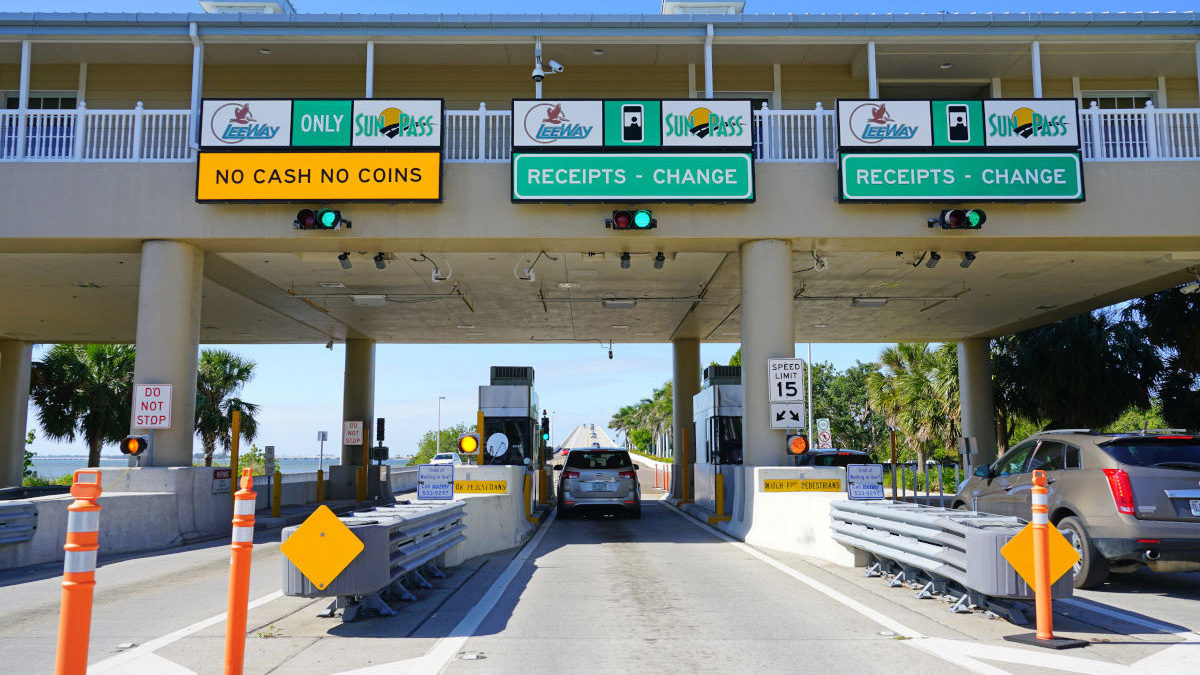
Pay close attention to road signs as you approach toll areas. Signs will clearly indicate whether a lane is for “E-PASS ONLY,” “SunPass ONLY,” or “TOLL BY PLATE.” Look for signs mentioning “CASH” if that’s your preferred (though increasingly rare) payment method. Always aim for the lane corresponding to your chosen payment method to avoid confusion and potential issues. Remember that “exact change” lanes are also typically cashless and require exact coin payment through a basket, which is easily misinterpreted.
What to Do if You Accidentally Miss a Toll
It happens to the best of us: you’re unfamiliar with the road, distracted, or simply miss a sign, and you pass through a cashless toll without a transponder. The most important thing is not to panic.
- Do Not Stop: Never stop or try to reverse at a toll plaza. This is extremely dangerous and illegal.
- Expect a Toll-by-Plate Invoice: If your vehicle is registered in Florida or another state with reciprocity, a Toll-by-Plate invoice will be mailed to the registered owner.
- Proactive Payment: For some toll authorities, you can proactively pay a missed toll online within a few days to avoid administrative fees. Visit the website of the relevant toll authority (e.g., Florida’s Turnpike Enterprise, Central Florida Expressway Authority) and look for options to pay by license plate. This is highly recommended to prevent escalating fines.
- Rental Cars: If you’re in a rental car, the rental company will eventually charge you, often with significant administrative fees. You might be able to contact your rental company directly to inform them and see if there are ways to mitigate these fees, but this is usually at their discretion.
Optimizing Your Florida Travel Budget for Tolls
Tolls can add up quickly, especially on longer trips across Florida. A little planning can help you manage these expenses effectively.
Estimating Toll Costs
Several online tools and apps can help you estimate toll costs for your specific route:
- SunPass Website: The official SunPass website has a toll calculator where you can input your origin and destination to get an estimate.
- Mapping Apps: As mentioned, Google Maps and Waze sometimes provide toll estimates.
- Third-Party Toll Calculators: Websites like Tollguru or Tolls by Mail offer comprehensive toll cost estimations across different states, including Florida.
By estimating your toll expenses, you can allocate a budget and decide whether purchasing a transponder or opting for alternative routes makes more sense.
Choosing the Right Payment Method for Your Trip
The best payment method depends on your travel style:
- Frequent Florida Traveler / Long Trips: A SunPass Mini or SunPass PRO is almost always the most economical and convenient option. The initial purchase cost is quickly offset by discounted rates and the avoidance of administrative fees.
- Occasional Florida Visitor / Short Trips with Limited Toll Use: If you plan to use toll roads infrequently, or for a very short duration, and are in your own car, using the Toll-by-Plate system might be acceptable, but be prepared for higher costs per toll and potential administrative fees. Setting up a temporary online Toll-by-Plate account linked to your credit card can mitigate some issues.
- Rental Car Users: Carefully review the rental company’s toll program. For any significant toll road driving, consider purchasing your own SunPass Mini and adding the rental car’s license plate to your account, or utilizing a SunPass PRO if you own one.

The Benefits of a SunPass Transponder for Frequent Travelers
For anyone who travels to Florida regularly or spends extended periods driving across the state, investing in a SunPass transponder is highly recommended. Not only does it provide the lowest toll rates and seamless electronic payment, but it also eliminates the hassle of dealing with rental car company fees or Toll-by-Plate invoices. Having a transponder ensures you can focus on enjoying the scenic routes and vibrant destinations Florida has to offer, without worrying about how to pay for the next toll. Safe travels!
LifeOutOfTheBox is a participant in the Amazon Services LLC Associates Program, an affiliate advertising program designed to provide a means for sites to earn advertising fees by advertising and linking to Amazon.com. Amazon, the Amazon logo, AmazonSupply, and the AmazonSupply logo are trademarks of Amazon.com, Inc. or its affiliates. As an Amazon Associate we earn affiliate commissions from qualifying purchases.