
Understanding the intricacies of property law in Florida is paramount for anyone involved in the accommodation sector, whether you own a vacation rental, manage a boutique hotel, or invest in long-term stay properties. While the idea of placing a lien might seem daunting or irrelevant to daily operations, it’s a critical legal tool that can protect interests, ensure payment for services rendered, or even serve as a significant red flag during property acquisition. In the dynamic real estate landscape of Florida, where tourism and property investment intertwine, knowing how to navigate the process of putting a lien on an accommodation property is an invaluable insight. This guide delves into the legal framework, practical steps, and strategic considerations for placing a lien on a property within the Sunshine State’s accommodation industry.
Understanding Property Liens in the Florida Accommodation Sector
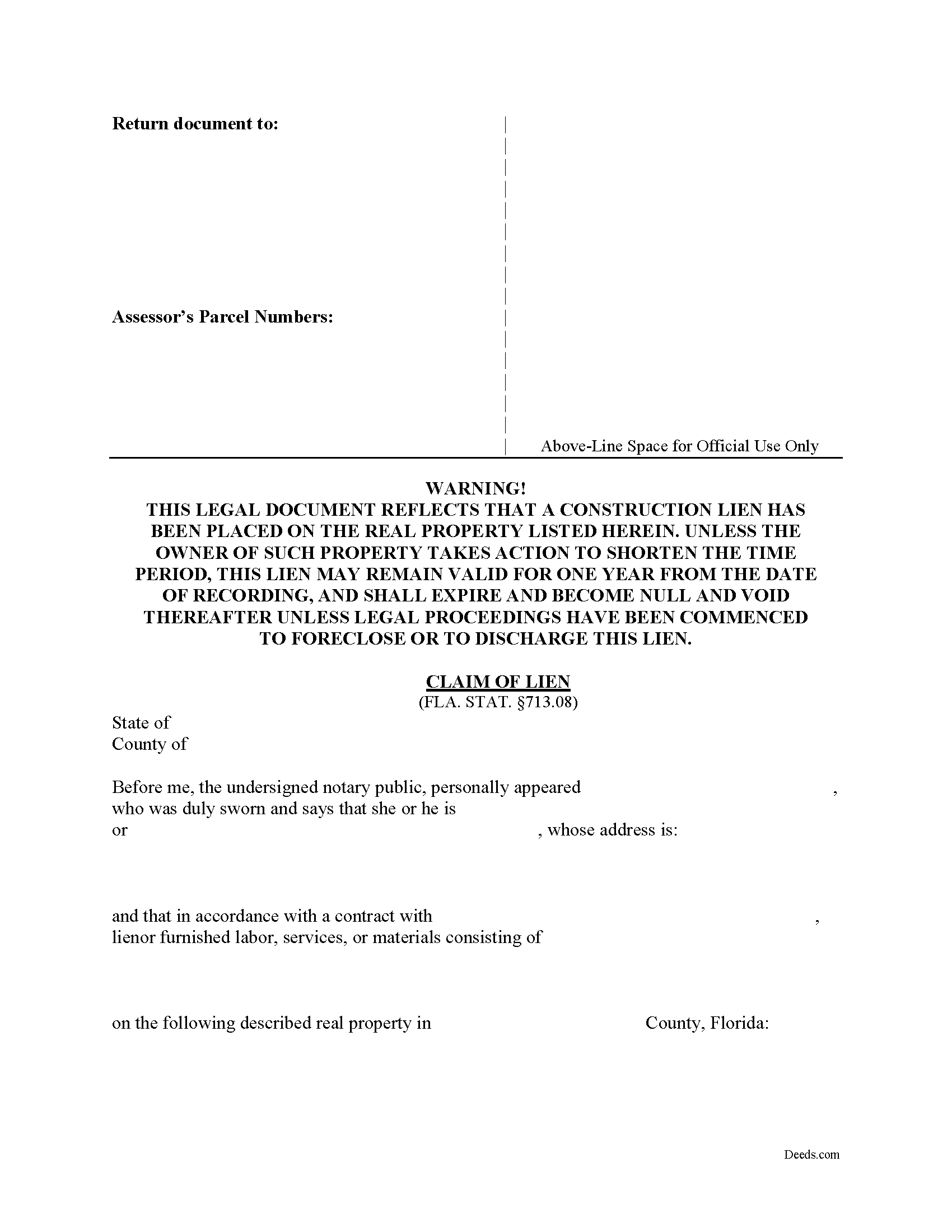
A lien is a legal claim or a right against an asset, which is typically used as collateral to satisfy a debt. In the context of Florida accommodation properties, a lien provides a creditor with a legal claim over a property until a debt is paid. This claim essentially encumbers the property, making it difficult or impossible for the owner to sell or refinance without first resolving the lien. For those operating within or providing services to the accommodation industry—from construction companies building new resorts in Orlando to cleaning services for vacation rentals in Miami—understanding liens is crucial for financial security and effective dispute resolution.
What is a Lien?
At its core, a lien serves as a public notice that a property owner owes money to a specific individual or entity. This legal claim is recorded in public records, typically at the county clerk’s office, alerting any potential buyers or lenders to the outstanding debt. The presence of a lien means that if the property is sold, the lienholder has a right to be paid from the proceeds of the sale before the owner receives any funds, potentially even leading to foreclosure proceedings if the debt remains unpaid. For hotels, vacation homes, and other accommodation units, liens can arise from a variety of sources, impacting their marketability and financial viability.
Types of Liens Relevant to Florida Accommodation Properties
Several types of liens can affect properties in the accommodation sector. The most common include:
- Construction Liens (Mechanic’s Liens): These are perhaps the most prevalent in the accommodation industry. Contractors, subcontractors, material suppliers, and laborers who provide services or materials for the improvement of real property are entitled to place a lien if they are not paid. This is particularly relevant for the continuous development, renovation, and maintenance of hotels, resorts, and vacation rental complexes across Florida.
- Judgment Liens: If a creditor successfully sues a property owner and obtains a court judgment for an unpaid debt, they can record this judgment as a lien against the owner’s real estate, including their accommodation properties.
- Property Tax Liens: Unpaid property taxes automatically create a lien on the property. These liens usually take precedence over most other types of liens.
- Homeowners Association (HOA) and Condominium Association (COA) Liens: Owners of condominium units or properties within planned communities often pay fees to these associations for shared amenities and maintenance. Failure to pay these assessments can result in a lien being placed on the property by the association. This is highly relevant for vacation condos and timeshare properties.
- Mortgage Liens: While not typically “placed” by a third party in a dispute, a mortgage is essentially a voluntary lien given by the property owner to a lender as security for a loan. This is the most common type of lien and establishes the lender’s claim on the property.
Each type of lien carries specific legal requirements and implications, particularly concerning their priority in the event of a foreclosure or sale.
Who Can Place a Lien on an Accommodation Property in Florida?
The ability to place a lien on a property in Florida is generally reserved for those who have provided a direct service or supplied materials that improved the property, or those with a statutory right to do so due to unpaid obligations. In the context of accommodation, this typically includes a range of professionals and entities.
Contractors and Mechanics Liens
The most common lien claimants in the accommodation sector are contractors, subcontractors, and material suppliers. If a hotel in Tampa undergoes a major renovation, or a series of vacation villas in the Florida Keys are built, any entity providing labor, services, or materials for these projects is eligible to file a construction lien if they are not paid as per their contract. Florida’s Construction Lien Law (Chapter 713, Florida Statutes) is complex and requires strict adherence to notice requirements and deadlines to ensure the lien is enforceable. This law is designed to protect those who enhance the value of real property.
Property Managers and Service Providers
Property managers, particularly those overseeing vacation rentals, long-term stay apartments, or smaller hotel operations, typically operate under contracts that detail their compensation. While a property manager generally cannot file a “mechanic’s lien” in the traditional sense for unpaid management fees, their agreements often allow for other remedies. However, if a property manager also contracts for and pays for services (e.g., repairs, cleaning, landscaping) out of pocket and is not reimbursed, they might have grounds to pursue a lien claim under specific circumstances, or more commonly, utilize breach of contract remedies, which could lead to a judgment lien. Similarly, other service providers—like those performing pest control or specialized equipment maintenance for a resort—would typically pursue payment through their service contracts. If a judgment is obtained for unpaid services, that judgment can then be recorded as a lien.
Homeowners Associations (HOAs) and Condominium Associations (COAs)
For accommodation properties that are part of a larger community, such as resort condos or vacation homes within a planned community, the relevant HOA or COA holds significant power to place liens. These associations are governed by their declarations and bylaws, which typically grant them the authority to assess fees for common area maintenance, amenities, and reserves. When an owner of an accommodation unit fails to pay these assessments, the association can place a lien on the property. These liens are powerful, often holding superior priority to other liens except for first mortgages and property taxes, and can lead to foreclosure if the debt is not settled. This is a critical consideration for investors in Florida’s prolific condominium and resort markets.
The Process of Placing a Lien on an Accommodation Property
Placing a lien on a property in Florida is a legal process that demands precision and strict adherence to statutory requirements, especially concerning construction liens. Any misstep can invalidate the claim. While the specific steps can vary slightly depending on the type of lien, here’s a general overview, particularly focusing on construction liens given their prevalence in the accommodation sector.
Preliminary Notice Requirements
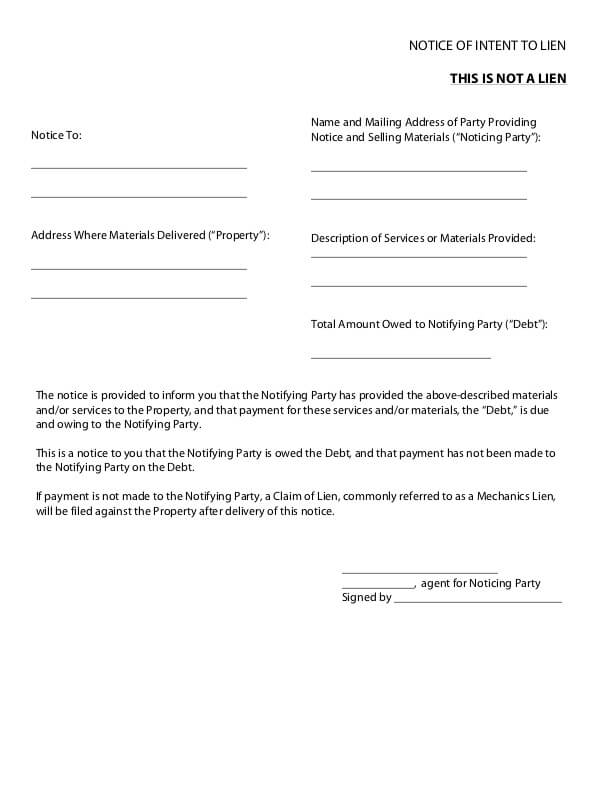
For construction liens, Florida law mandates preliminary notices to inform the property owner and other parties that services or materials are being furnished, and that a lien could be filed if payment is not received.
- Notice to Owner: Most subcontractors and material suppliers must serve a “Notice to Owner” within 45 days of their first furnishing of services or materials. This notice formally advises the property owner (e.g., the hotel developer or vacation rental owner) that the sender is working on the property and retains the right to file a lien if not paid. Failure to send this notice can be fatal to a lien claim.
- Notice of Commencement: Before starting construction, the owner or their agent usually records a “Notice of Commencement” with the county clerk. This document provides critical information about the project, including the owner’s name, the contractor, and the property’s legal description, which is essential for lien claimants.
Filing the Claim of Lien
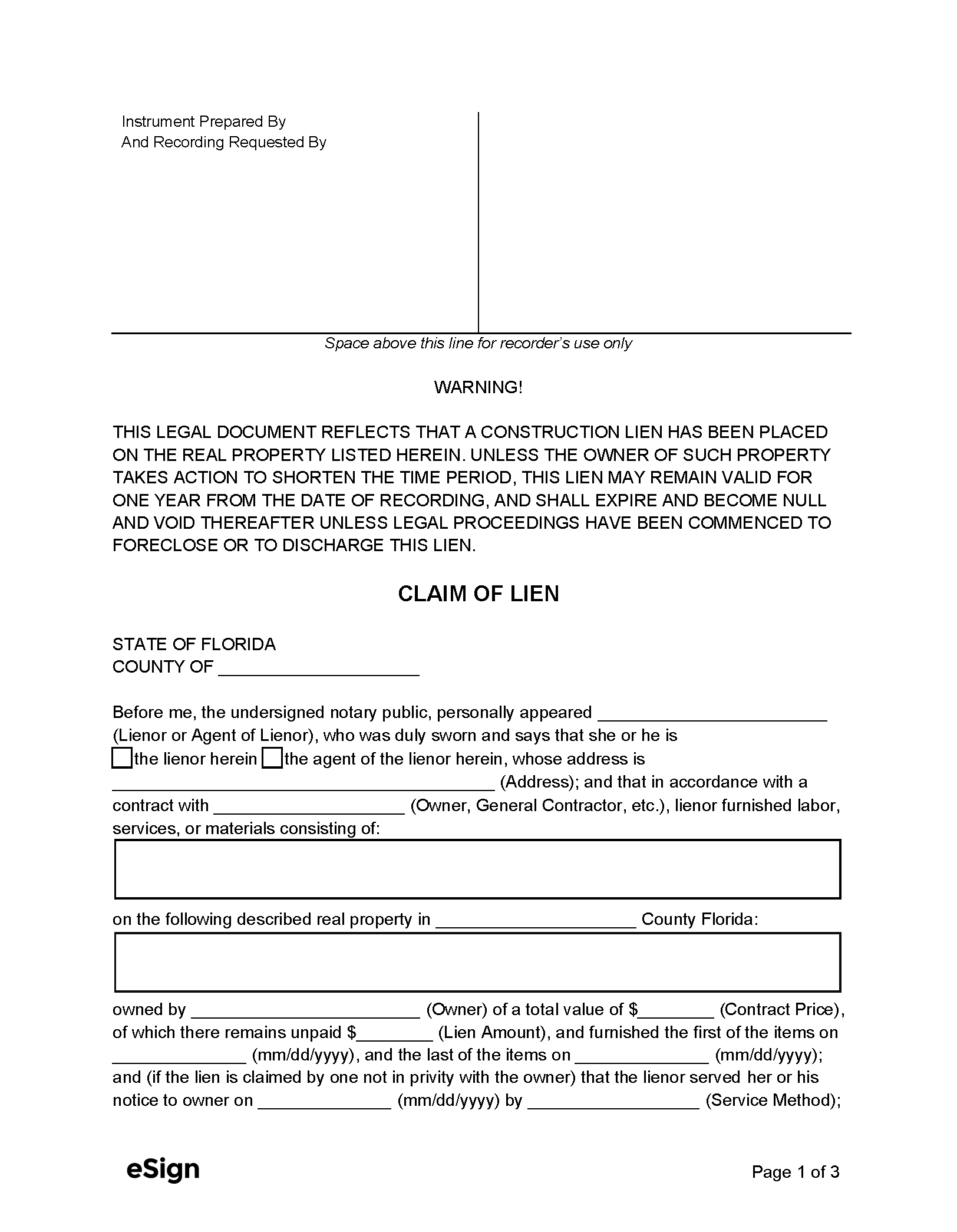
If preliminary notices have been properly served and payment disputes persist, the next step is to record a “Claim of Lien.”
- Preparation: The Claim of Lien is a sworn statement that must include specific information: the lienor’s name and address, the nature of the services or materials provided, the contract price, the amount unpaid, the property’s legal description, and the name of the property owner. Accuracy is paramount.
- Recording: The Claim of Lien must be recorded with the clerk of the circuit court in the county where the property is located. For construction liens, this must occur within 90 days from the last day the lienor furnished labor, services, or materials to the project.
- Service: After recording, a copy of the Claim of Lien must be served on the property owner within 15 days of recording.
Meeting these deadlines and fulfilling all documentation requirements are critical for the validity of the lien. For HOA/COA liens, the process involves notifying the owner of the delinquency and providing an opportunity to cure before recording a Claim of Lien, as outlined in the association’s governing documents and Florida Statutes Chapters 718 (Condominiums) or 720 (HOAs).
Enforcing the Lien
A recorded lien doesn’t automatically mean payment. It merely secures the debt against the property. To enforce the lien and compel payment, the lienholder typically must file a lawsuit to foreclose on the lien.
- Foreclosure Action: For construction liens, this lawsuit must be filed within one year from the date the Claim of Lien was recorded. If the lawsuit is not filed within this timeframe, the lien expires. The foreclosure action is a legal proceeding where a court may order the sale of the property to satisfy the lien debt.
- Lis Pendens: When a foreclosure lawsuit is filed, a “Lis Pendens” (notice of pending lawsuit) is recorded, informing the public that the property is involved in a legal dispute.
- Settlement or Judgment: Often, the filing of a lien and subsequent foreclosure action prompts negotiations, leading to a settlement. If no settlement is reached, the court will make a judgment, which could result in the judicial sale of the property.
Understanding this enforcement pathway is crucial for both lien claimants seeking payment and property owners facing such claims.
Protecting Your Accommodation Investment: Dealing with Liens
For owners, investors, and developers in the Florida accommodation market, proactive measures are essential to mitigate the risks associated with liens. Preventing liens or efficiently resolving them can save significant time, money, and protect the reputation of your accommodation business.
Due Diligence Before Acquiring Florida Accommodation Properties
Before purchasing any property, especially those intended for hotels, vacation rentals, or long-term stays, thorough due diligence is non-negotiable.
- Title Search: Always conduct a comprehensive title search to identify any existing liens or encumbrances on the property. A clean title is vital for secure ownership and future marketability. This includes checking for recorded construction liens, judgment liens, and HOA/COA liens.
- Permits and Inspections: Verify that all prior construction or renovation work on the property had proper permits and passed inspections. Unpermitted work can lead to future issues, including potential liens if contractors were not properly paid.
- HOA/COA Review: If the property is part of an association, meticulously review the association’s financial health, rules, and any outstanding assessments or violations that could lead to a lien.
- Escrow and Title Insurance: Utilize an escrow agent to hold funds during the closing process and obtain title insurance. Title insurance protects against financial loss due to defects in the title, including undiscovered liens.
Strategies for Lien Resolution
If a lien is placed on an accommodation property you own or manage, swift and strategic action is required.
- Verify the Lien’s Validity: The first step is to assess if the lien is valid. Are all the statutory requirements met? Are the amounts claimed accurate? Consult with a Florida real estate attorney specializing in construction or property law to evaluate the lien’s legitimacy.
- Negotiate and Settle: Often, the most efficient resolution is to negotiate directly with the lien claimant. Offer a fair settlement amount to have the lien released. It’s usually less costly than protracted litigation.
- Payment and Release: Upon successful negotiation or full payment of the debt, ensure that the lien claimant provides a “Satisfaction of Lien” or “Release of Lien.” This document must then be recorded in the same county records where the original lien was filed to officially clear the property’s title.
- Contest the Lien: If the lien is deemed invalid or the amount is disputed, you may choose to formally contest it in court. This could involve filing a notice of contest of lien or a lawsuit to discharge the lien.
- Transfer the Lien to a Bond: In Florida, property owners can “bond off” a construction lien. This involves posting a surety bond or cash deposit with the court in the amount of the lien plus interest and attorney fees. This transfers the lien from the property to the bond, allowing the property to be sold or refinanced while the underlying dispute is litigated. This is a common strategy for active accommodation businesses that cannot afford to have their operations hampered by an encumbered title.
Understanding how to put a lien on a property in Florida – and conversely, how to remove one – is a critical aspect of managing and protecting assets in the state’s vibrant accommodation sector. By being informed and proactive, property owners and service providers alike can safeguard their financial interests and navigate the complexities of property law with confidence.
LifeOutOfTheBox is a participant in the Amazon Services LLC Associates Program, an affiliate advertising program designed to provide a means for sites to earn advertising fees by advertising and linking to Amazon.com. Amazon, the Amazon logo, AmazonSupply, and the AmazonSupply logo are trademarks of Amazon.com, Inc. or its affiliates. As an Amazon Associate we earn affiliate commissions from qualifying purchases.