
Embarking on a journey to the breathtaking landscapes and vibrant cities of Colorado promises an unforgettable experience, whether you’re seeking adventurous ski slopes, serene mountain retreats, bustling urban exploration, or cultural immersion. From the iconic peaks of the Rocky Mountains to the lively streets of its metropolitan hubs, the Centennial State offers a diverse tapestry of attractions and experiences for every type of traveler. However, as with any travel destination, understanding the local financial landscape, particularly sales tax, is crucial for effective budgeting and a smooth, stress-free trip. While often overlooked in the excitement of planning, sales tax can significantly impact your overall travel expenses, from the cost of your hotel stay and dining experiences to souvenir purchases and attraction tickets.

For those planning their next escape, whether it’s a luxury getaway to a five-star resort, a budget-friendly family trip, or a business stay, factoring in sales tax is an essential step in ensuring your financial plan aligns with your travel aspirations. Colorado’s sales tax system, while straightforward at the state level, becomes more intricate when considering the layers of local taxes imposed by counties, cities, and special districts. This guide aims to demystify the sales tax in Colorado, providing travelers, tourists, and those seeking accommodation with the knowledge needed to navigate their expenses confidently. By understanding how these taxes apply to various purchases and services relevant to your Colorado adventure, you can better manage your budget and fully immerse yourself in the local culture, food, and activities without unexpected financial surprises.
Understanding Colorado’s Sales Tax Landscape
Colorado’s approach to sales tax is a tiered system, beginning with a statewide rate and then expanding with additional taxes levied by local jurisdictions. This multi-layered structure means that the total sales tax you pay can vary significantly depending on where you are in the state. For travelers, this variance is particularly important, as the cost of the same item or service might differ from one city or county to another. Navigating this landscape requires a basic understanding of both the state’s baseline rate and how local entities contribute to the final percentage.
The State Sales Tax Rate
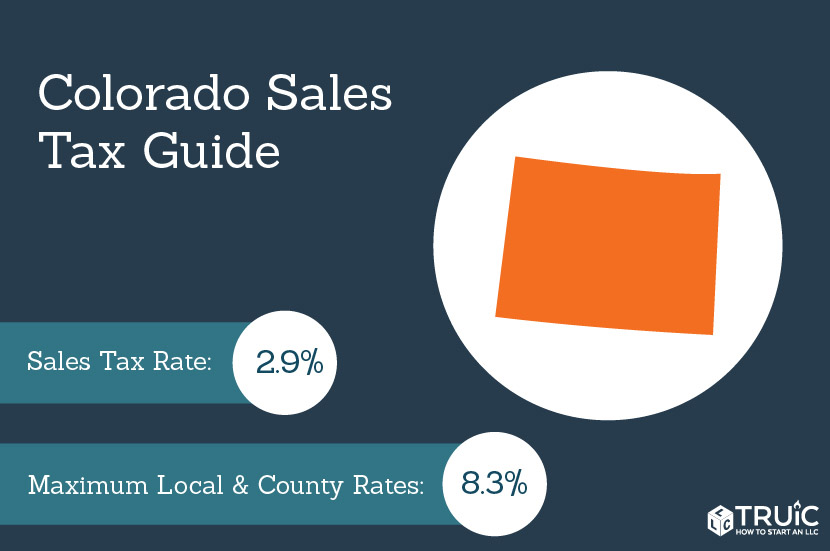
At the heart of Colorado’s sales tax system is its statewide rate, which is currently one of the lower state sales tax rates in the nation. This relatively modest baseline applies to most retail sales of tangible personal property and certain services across the entire state, unless a specific exemption applies. While the state rate itself might seem small, it serves as the foundation upon which local taxes are built. This means that while you might initially only consider the state rate, it’s the combined rate—state plus local—that will ultimately affect your purchases. Understanding this fundamental state rate is the first step in comprehending the larger picture of your financial outlays during your Colorado travels.
Navigating Local Sales Taxes: A City-by-City Guide for Travelers
The true complexity and variability of sales tax in Colorado come into play with local sales taxes. Counties, municipalities (cities and towns), and various special districts (such as those funding transportation, cultural facilities, or open space initiatives) each have the authority to impose their own sales taxes. These local taxes are added on top of the state’s sales tax, resulting in a combined rate that can fluctuate widely from one location to another. For visitors exploring different destinations within Colorado, this means that the total percentage added to their bill for hotels, dining, and shopping can vary by several percentage points. This variability underscores the importance of checking the specific sales tax rate for each city or county you plan to visit to accurately budget for your experiences.
Major Tourist Hubs and Their Tax Rates
To illustrate this point, let’s consider some of Colorado’s most popular tourist destinations and how their combined sales tax rates (state + local) might affect your budget. Please note that these rates are illustrative and subject to change, so always verify current rates for your specific travel dates.
- Denver: A Vibrant Urban Destination. As the capital and largest city, Denver is a bustling hub for culture, cuisine, and entertainment. Visitors flock to its renowned museums, vibrant neighborhoods like Larimer Square, and diverse culinary scene. A typical combined sales tax rate in Denver might hover around 8.81% (state + city + county + special district taxes). This rate would apply to everything from tickets to the Denver Art Museum, a gourmet meal in LoDo, to souvenirs purchased at a downtown boutique.
- Aspen and Vail: Luxury Ski Resorts. These world-class ski destinations are synonymous with luxury travel, exquisite resorts, and high-end shopping. Given their status as premier vacation spots, the combined sales tax rates here, which might be around 8.3-9.5% depending on the exact location within the resort areas (e.g., Snowmass Village near Aspen, or various areas around Vail), can significantly add to already substantial costs for ski passes, designer apparel, and fine dining.
- Colorado Springs: Gateway to Natural Wonders. Located at the base of Pikes Peak and home to the stunning Garden of the Gods, Colorado Springs attracts outdoor enthusiasts and families alike. The combined sales tax rate in Colorado Springs is typically in the range of 8.25%. This would affect purchases at local eateries, entry to some attractions, and camping gear from local outfitters.
- Boulder: Outdoor Adventure and Culture. Known for its vibrant university atmosphere, health-conscious lifestyle, and access to incredible hiking trails, Boulder offers a unique blend of urban sophistication and outdoor ruggedness. With popular spots like the Pearl Street Mall, a combined sales tax rate often around 8.845% applies to purchases ranging from organic groceries to outdoor equipment and dining at farm-to-table restaurants.
Beyond these major hubs, other notable destinations such as Fort Collins, known for its craft breweries and proximity to Rocky Mountain National Park; Grand Junction, gateway to the Colorado National Monument and wine country; or Pueblo, rich in history along the Arkansas River, each have their own distinct combined sales tax rates. Even smaller, charming mountain towns like Breckenridge, Keystone, Telluride, Steamboat Springs, Glenwood Springs, and Durango, which are popular for their unique attractions and accommodations, will have specific rates that travelers should investigate. Whether you’re exploring ancient cliff dwellings at Mesa Verde National Park or marveling at the vast landscape of Great Sand Dunes National Park and Preserve, every purchase contributes to your overall experience, and understanding the tax implications helps ensure a well-managed trip.
How Sales Tax Impacts Your Colorado Travel Budget
Understanding the general sales tax landscape is one thing, but knowing precisely how it affects the categories most relevant to travelers is key to effective budgeting. From securing your perfect accommodation to savoring local flavors and experiencing Colorado’s iconic landmarks, sales tax is an omnipresent factor. It’s not just about the souvenirs; it touches nearly every aspect of your travel and tourism experience.
Accommodation and Lodging Taxes
One of the largest components of any travel budget is accommodation, and in Colorado, sales tax plays a significant role here. When you book a hotel room, a suite at a luxurious resort, an apartment through a vacation rental service, or even a quaint villa, you’ll typically be charged the combined state and local sales tax on the room rate.
- Hotels, Resorts, and Vacation Rentals: Beyond the standard sales tax, many cities and counties in Colorado also impose a separate lodging tax (or occupancy tax). This tax is specifically levied on temporary lodging and is in addition to the general sales tax. For instance, a Hyatt Regency Denver might have an impressive nightly rate, but the final cost will include both the city’s combined sales tax and its specific lodging tax. This can add a substantial percentage to your total stay, often ranging from 2% to over 10% on top of the sales tax, depending on the location. This is crucial for travelers choosing between various types of accommodation, as it can significantly inflate the advertised price. For example, a booking for a cozy bed and breakfast in Telluride might have a different combined lodging and sales tax rate than a chain hotel in downtown Denver.
- Booking and Comparison: When performing a comparison of hotel prices or looking at reviews for various resorts, remember that the initial prices shown on many travel sites or even directly by hotels often exclude these taxes and fees. Always look for the “total price” or carefully read the breakdown before confirming your reservation. This is especially pertinent for those planning longer-term stays where these cumulative taxes can become quite significant.
Dining, Shopping, and Attractions
Beyond accommodation, sales tax extends to nearly all other aspects of your Colorado experience, influencing your daily expenses for food, souvenirs, and recreational activities.
- Culinary Experiences: Colorado boasts a thriving culinary scene, from farm-to-table restaurants in Boulder to gourmet dining in Aspen and craft breweries across the state. Sales tax applies to all prepared food and beverages purchased at restaurants, cafes, bars, and even takeout establishments. If you’re picking up a quick snack or a ready-to-eat meal from a grocery store deli, sales tax will likely be added. While unprepared food (most groceries) is typically exempt from state sales tax, local taxes may still apply in some jurisdictions, so it’s always wise to check. Budget travelers who plan to cook some of their meals can certainly save, but they should still be mindful of local taxes on their groceries.
- Retail Therapy and Souvenirs: Whether you’re upgrading your outdoor gear for a hike in Rocky Mountain National Park, browsing the unique boutiques on Pearl Street Mall in Boulder, or picking up a classic Colorado souvenir, sales tax will be added to your purchase. This includes everything from clothing and electronics to artwork and local crafts. For travelers interested in luxury travel, the cumulative effect of sales tax on high-value items can be considerable.
- Exploring Landmarks and Attractions: Many of Colorado’s premier attractions and landmarks also fall under the sales tax umbrella. This can include tickets for ski lifts at Vail or Breckenridge, admission to museums and cultural institutions, concert tickets at iconic venues like Red Rocks Amphitheatre, and even rental fees for outdoor equipment like bicycles or kayaks. While entry fees to state or national parks like Rocky Mountain National Park are typically government fees and not subject to sales tax, any purchases made within their gift shops or concession stands certainly will be.
Smart Budgeting and Tax Exemptions for Colorado Visitors
Armed with a better understanding of Colorado’s sales tax system, travelers can implement smart budgeting strategies to ensure their trip remains enjoyable and financially sound. Being proactive and informed is the best defense against unexpected costs, allowing you to focus on the incredible experiences Colorado has to offer.
Practical Tips for Travelers
Effective financial planning is a cornerstone of any successful trip, whether it’s a family trip, a business stay, or a solo adventure. Here are some practical tips for incorporating sales tax into your Colorado travel budget:
- Always Verify Current Rates: Sales tax rates, especially local ones, can change. Before your trip, visit the official websites of the Colorado Department of Revenue and the specific cities or counties you plan to visit. This is particularly important for those considering a long-term stay or significant purchases.
- Factor in All Taxes for Accommodation: When booking hotels or vacation rentals, don’t just look at the nightly rate. Always check the final price that includes all sales taxes, lodging taxes, and any resort fees. Using booking platforms that clearly break down these costs can be incredibly helpful.
- Budget for “Hidden” Costs: Remember that the price tag on an item or the menu price at a restaurant typically doesn’t include sales tax. Mentally (or actually) add an extra 5-10% to your estimated daily expenses for these incidentals. This helps avoid sticker shock at the register.
- Consider All-Inclusive Packages (with caution): Some resorts or tour operators may offer “all-inclusive” packages. While these can seem convenient, always clarify what taxes and fees are truly included to ensure you’re not surprised by additional charges upon arrival.
- Utilize Budgeting Apps: Many travel budgeting apps allow you to input estimated taxes and tips, giving you a more accurate picture of your potential spending. This is particularly useful for budget travel where every dollar counts.
- Keep Receipts: For business travelers or those tracking expenses meticulously, retaining receipts can help reconcile spending and understand exactly what taxes were paid.
Understanding Exemptions and Other Relevant Taxes
While sales tax generally applies broadly, there are a few important exemptions and other taxes specific to Colorado that travelers should be aware of.
- Exempt Items:
- Unprepared Food (Groceries): In Colorado, most unprepared food items (i.e., groceries that you would cook yourself) are exempt from the state sales tax. However, local jurisdictions may still impose their own sales tax on groceries. Prepared foods (deli sandwiches, rotisserie chickens, hot coffee) are generally subject to sales tax. This distinction is valuable for travelers planning to save money by preparing some of their own meals in accommodations with kitchens.
- Services: Most personal or professional services (e.g., medical services, haircuts, dry cleaning, legal advice) are generally not subject to sales tax in Colorado, unless they are related to the sale of tangible personal property.
- Beyond Sales Tax: Other Relevant Taxes for Travelers:
- Lodging Taxes: As mentioned, these are distinct from general sales tax and apply specifically to hotel and temporary lodging stays. They vary widely by city and county.
- Rental Car Taxes: If you plan to rent a car to explore Colorado’s scenic byways and remote destinations, be prepared for additional taxes and fees specifically levied on rental vehicles. These often include a state rental tax and potentially local surcharges.
- Marijuana Taxes: Colorado was one of the first states to legalize recreational marijuana. If you’re interested in this aspect of Colorado tourism, be aware that recreational marijuana products are subject to their own unique and significantly higher state sales tax, often combined with additional local retail marijuana sales taxes and an excise tax. These rates are much higher than standard sales tax.
In conclusion, a fantastic Colorado adventure is within reach for every traveler, regardless of their preferred lifestyle or budget. By taking a few moments to understand the nuances of the state’s sales tax system, you can avoid surprises and ensure your financial planning is as solid as the Rocky Mountains themselves. This knowledge empowers you to make informed decisions, whether you’re selecting the perfect hotel, planning your meals, or budgeting for activities and souvenirs. Embrace the diverse offerings of Colorado with confidence, knowing you’ve factored in all the details for a truly enjoyable and memorable trip.
LifeOutOfTheBox is a participant in the Amazon Services LLC Associates Program, an affiliate advertising program designed to provide a means for sites to earn advertising fees by advertising and linking to Amazon.com. Amazon, the Amazon logo, AmazonSupply, and the AmazonSupply logo are trademarks of Amazon.com, Inc. or its affiliates. As an Amazon Associate we earn affiliate commissions from qualifying purchases.