
For individuals managing various health conditions, understanding the legal status of prescribed medications is a crucial aspect of their daily lifestyle, particularly when traveling or residing in different states. Florida, known for its vibrant culture and diverse population, has specific regulations governing controlled substances that can impact residents and visitors alike. Among the medications often questioned is Fioricet, a common prescription for tension headaches. Delving into its classification and the lifestyle implications requires a clear understanding of both federal guidelines and Florida’s state-specific laws.
Understanding Controlled Substances and Their Impact on Your Lifestyle in Florida
The classification of a drug as a controlled substance carries significant weight, affecting everything from how it’s prescribed and dispensed to how it can be possessed and transported. For individuals prioritizing their health and well-being, staying informed is a key component of a responsible lifestyle. This knowledge becomes even more critical when planning travel or considering a move to a new state like Florida.

What Defines a Controlled Substance?
A controlled substance is a drug or chemical whose manufacture, possession, or use is regulated by law. These regulations are typically put in place to prevent abuse, addiction, and illegal diversion. The United States federal government classifies controlled substances into five schedules, or categories, based on their potential for abuse, accepted medical use, and safety or dependence liability. Schedule I drugs have the highest potential for abuse and no accepted medical use, while Schedule V drugs have the lowest potential for abuse. Examples range from heroin (Schedule I) to certain cough preparations with codeine (Schedule V). This federal framework provides a baseline, but individual states, including Florida, often have their own specific lists and scheduling that can sometimes differ from the federal guidelines.
The Federal Framework vs. State Specifics
While the Drug Enforcement Administration (DEA) sets the federal standard for controlled substances, states have the authority to enact their own laws that can be more stringent than federal regulations. This creates a patchwork of legal landscapes across the country, making it essential for individuals to research the specific laws of any state they plan to visit or reside in. What might be a non-controlled medication in one state could be a tightly regulated controlled substance in Florida, influencing one’s access to refills, the types of pharmacies that can dispense it, and even the legal ramifications of improper possession. For those managing chronic conditions, this divergence necessitates careful planning and consultation with healthcare providers to ensure an uninterrupted and lawful medication regimen, which is central to maintaining a stable and healthy lifestyle.
The Specifics of Fioricet in Florida
Fioricet is a combination medication containing butalbital, acetaminophen, and caffeine. It is primarily prescribed for the treatment of tension headaches. The presence of butalbital is the key factor in determining its controlled substance status, both federally and within individual states.
Butalbital’s Role in Fioricet’s Classification
Butalbital is a barbiturate, a class of drugs known for their sedative and hypnotic properties. Barbiturates have a recognized potential for dependence and abuse, which is why they are typically classified as controlled substances. Federally, butalbital is a Schedule III controlled substance. This means that any medication containing butalbital, including Fioricet, is subject to federal controlled substance regulations if it meets certain thresholds for the amount of butalbital it contains. The standard formulation of Fioricet, with butalbital, acetaminophen, and caffeine, falls under this federal Schedule III classification.
Current Legal Status and Historical Context
Historically, the status of Fioricet, specifically formulations without codeine, varied significantly among states. Some states did not classify it as a controlled substance, leading to confusion and inconsistency for patients and prescribers. However, over time, many states have aligned more closely with federal guidelines or have chosen to classify butalbital-containing products themselves.
In Florida, the situation has evolved. Prior to 2011, Fioricet (without codeine) was generally not considered a controlled substance under state law, despite federal classification. This led to it being prescribed and refilled with fewer restrictions than federally scheduled drugs. However, in an effort to combat prescription drug abuse and align state laws with federal standards, Florida enacted legislation that brought butalbital-containing products more firmly under control.
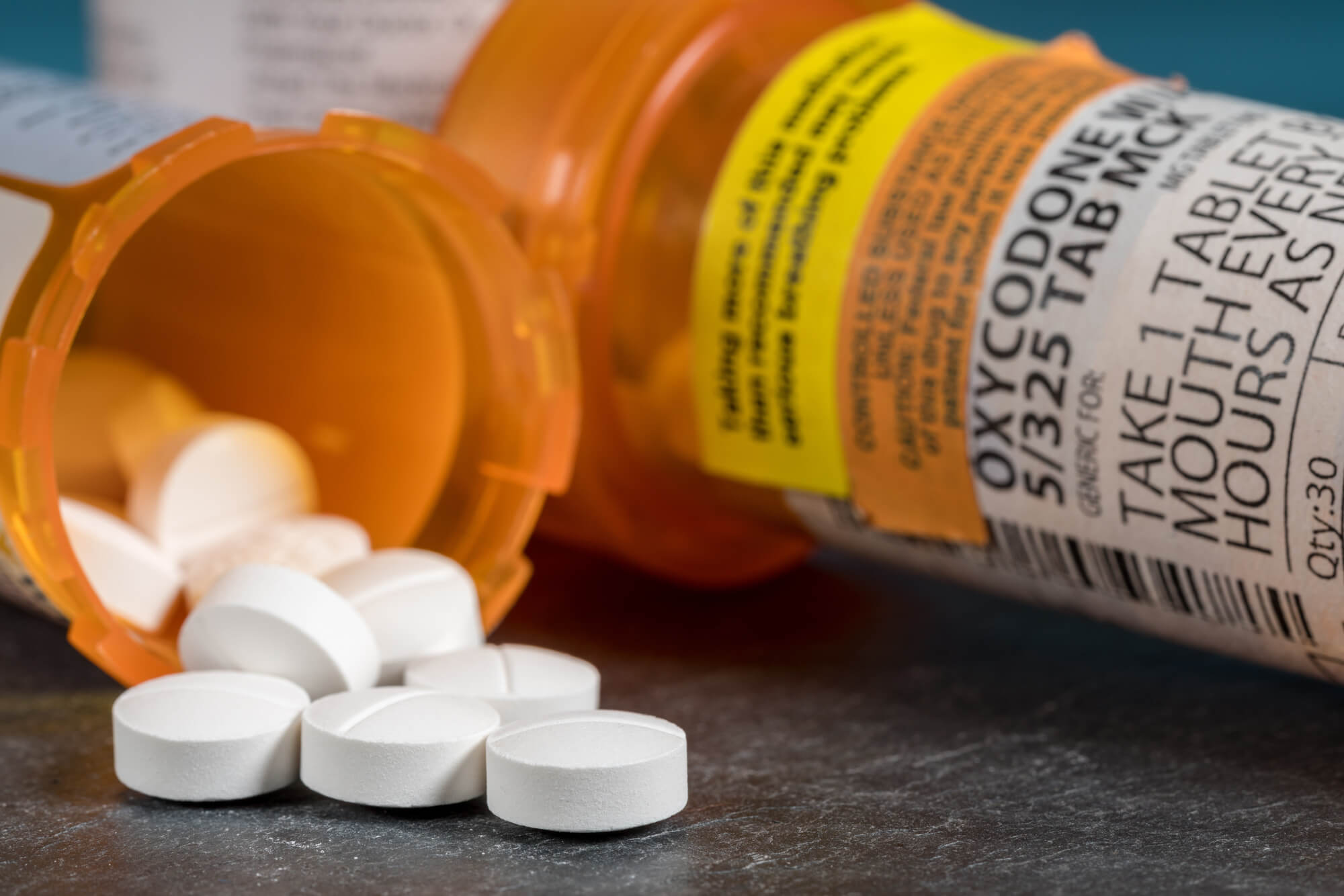
As of recent updates, butalbital-containing products like Fioricet are indeed classified as Schedule III controlled substances in Florida, mirroring the federal classification. This means that individuals in Florida must adhere to the stricter rules associated with Schedule III medications. This includes specific requirements for prescriptions, refills, and monitoring by the Florida Department of Health‘s prescription drug monitoring program (Florida PDMP). This shift reflects a broader public health strategy aimed at enhancing patient safety and reducing the risks associated with potentially addictive medications, which is a critical consideration for maintaining a healthy and responsible lifestyle.
Practical Lifestyle Considerations for Residents and Travelers
The classification of Fioricet as a Schedule III controlled substance in Florida has tangible implications for anyone living in or visiting the state. Understanding these practical aspects is vital for maintaining continuity of care and adhering to legal requirements, ensuring a smooth and stress-free lifestyle.
Navigating Prescriptions and Pharmacies
For Florida residents, the change in Fioricet’s status means tighter controls on prescriptions. Unlike non-controlled medications, Schedule III drugs often have limitations on the number of refills and typically require a new prescription from a doctor after a certain period. Prescriptions for controlled substances generally cannot be transferred between pharmacies in the same way non-controlled medications can. Furthermore, pharmacists are required to report dispensing information for Schedule III drugs to the Florida PDMP. This program helps healthcare providers monitor a patient’s prescription history for controlled substances, aiming to prevent doctor shopping and misuse. Patients might find their pharmacies have stricter policies regarding dispensing controlled substances, including verification calls to prescribers. It is essential to communicate openly with your physician and pharmacist to ensure continuous access to your medication within legal parameters. Planning ahead for refills, especially before holidays or long weekends, becomes a crucial lifestyle habit.
Travel Tips: Bringing Medication into Florida
For visitors traveling to Florida from other states or countries, bringing Fioricet (or any medication containing butalbital) requires careful preparation. Even if it’s not a controlled substance in your home state or country, it will be treated as one under Florida law. To avoid any legal complications and ensure your health and well-being during your trip, consider the following lifestyle-focused travel tips:
- Carry in Original Container: Always keep your medication in its original, pharmacy-labeled container. This clearly identifies the drug, dosage, and your name.
- Physician’s Note: Obtain a letter from your prescribing physician explaining your medical condition, why you need Fioricet, and the prescribed dosage. This can be invaluable if questioned.
- Carry Only Necessary Amounts: Bring only the quantity needed for the duration of your trip to Florida, plus a small buffer. Carrying excessive amounts can raise suspicion.
- Research State Laws: Before traveling, always verify the controlled substance laws of your destination state, as these can change. The Florida Department of Health website is a reliable source for up-to-date information.
- Understand Prescription Validity: If you need a refill while in Florida, be aware that an out-of-state prescription for a controlled substance might not be immediately honored, or it may require additional verification or a consultation with a local Florida physician to obtain a new prescription valid within the state. This highlights the importance of having enough medication to last your entire trip.
Adhering to these guidelines helps ensure a worry-free travel experience, allowing you to focus on enjoying your time in Florida without medication-related anxieties.
Implications for Healthcare and Wellness Planning
The classification of Fioricet as a controlled substance in Florida has broader implications for how individuals approach their healthcare and wellness planning, especially for chronic conditions. It underscores the importance of proactive engagement with medical professionals and a robust strategy for managing one’s health within legal frameworks.
Consulting Healthcare Professionals
Open and honest communication with your healthcare provider is paramount. If you are a Florida resident or planning to move to the state and currently take Fioricet, discuss this with your doctor. They can explain the specific regulations and help you navigate the prescription process. They might also explore alternative treatment options if managing Fioricet becomes unduly complex due to its controlled status. For travelers, consulting with your home physician before your trip to Florida can help you prepare any necessary documentation or adjust your medication schedule to avoid issues. A doctor’s guidance ensures that your pain management remains effective and compliant with state law, contributing to your overall well-being and peace of mind.

Emergency Preparedness and Medication Management
Beyond routine prescriptions, considering emergency scenarios is a vital part of a comprehensive lifestyle and wellness plan. What if your medication is lost or stolen while in Florida? Given its controlled status, replacing Fioricet might not be as straightforward as other drugs. Having a copy of your prescription, a doctor’s note, and the contact information for your prescribing physician can expedite the process, though a new assessment by a Florida-licensed doctor might still be required. For long-term residents, establishing a consistent relationship with a local Florida pharmacy and healthcare provider familiar with your medical history simplifies medication management. By being prepared for potential contingencies, individuals can minimize disruption to their daily routine and ensure continuous access to necessary treatments, maintaining a proactive approach to their health and lifestyle in the Sunshine State.
LifeOutOfTheBox is a participant in the Amazon Services LLC Associates Program, an affiliate advertising program designed to provide a means for sites to earn advertising fees by advertising and linking to Amazon.com. Amazon, the Amazon logo, AmazonSupply, and the AmazonSupply logo are trademarks of Amazon.com, Inc. or its affiliates. As an Amazon Associate we earn affiliate commissions from qualifying purchases.