
Unpacking Florida’s Unique Geography
The question, “Is Florida an island?” is a common one, often posed by those planning a trip to the Sunshine State or simply curious about its distinctive shape on the map. Understanding Florida’s true geographical classification is crucial for any traveler, as it dictates everything from accessibility to the very nature of the experiences one can expect. Far from being a mere geographical detail, Florida’s status profoundly influences its appeal as a premier travel destination, offering a unique blend of mainland convenience and island-like charm.
The Definitive Answer: A Peninsula, Not an Island
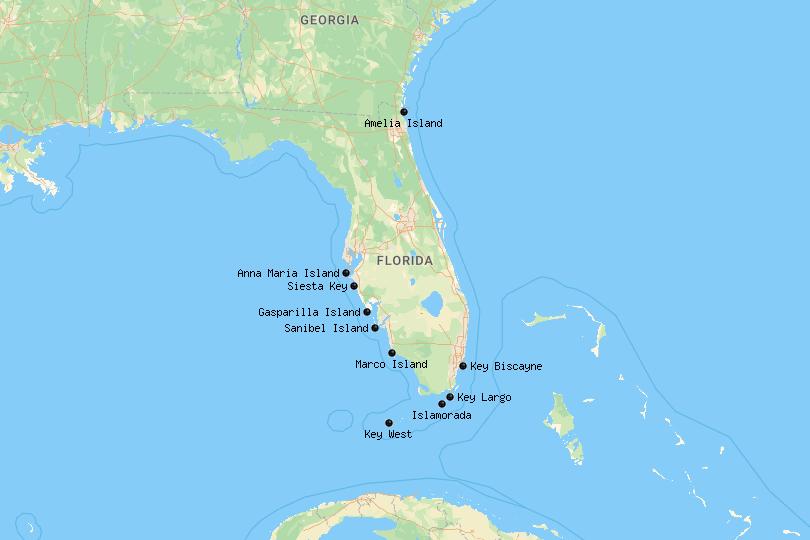
To put it unequivocally, Florida is not an island. It is, in fact, the quintessential example of a peninsula. While much of its perimeter is surrounded by water, a significant landmass connects it directly to the North American continent. This distinction is vital for travelers, as it implies ease of access by land, unlike true islands which necessitate air or sea travel for arrival. The perception of Florida as being almost entirely surrounded by water is understandable, given its elongated shape jutting deeply into the ocean, but its northern border firmly establishes its continental ties.
What Defines a Peninsula?
A peninsula is a piece of land almost surrounded by water but connected to the mainland on one side. Florida perfectly embodies this definition. To its east lies the vast Atlantic Ocean, to its west, the Gulf of Mexico, and to its south, it approaches the Caribbean Sea. Its northern border, however, connects directly to the states of Georgia and Alabama. This land bridge, often referred to as the Panhandle region, is where Florida firmly roots itself to the mainland. This geographical reality provides a multitude of entry points and travel routes that wouldn’t be possible if it were a standalone island.
Land Connections and Water Boundaries
The land connection to Georgia and Alabama means that travelers can drive into Florida from virtually any point in North America. Major interstate highways, such as I-10 and I-75, serve as crucial arteries, funneling millions of visitors into the state each year. These terrestrial links offer flexibility for road trips, RV travel, and freight transport, all of which contribute significantly to Florida’s robust tourism and economy. Simultaneously, the extensive coastline, stretching for thousands of miles, defines much of the state’s character, providing endless beaches, diverse marine ecosystems, and a vibrant maritime culture that often gives it an island-like feel, despite its mainland ties.
The Travel Implications of Florida’s Peninsular Shape
Florida’s peninsular geography is not just a geological curiosity; it fundamentally shapes the travel experience. It creates a unique environment where the convenience of continental access meets the allure of coastal living, offering a spectrum of activities and landscapes that would be impossible in either a pure island or purely inland state.
Accessibility and Modes of Travel
One of the most significant advantages of Florida’s peninsular status is its accessibility. Unlike island destinations that often require a plane or ferry, Florida is easily reachable by car for a vast portion of the United States population. This makes it a popular choice for family road trips, budget-conscious travelers, and those who prefer the flexibility of driving their own vehicle. Furthermore, the state is home to numerous international airports, including major hubs in Miami, Orlando, and Tampa, ensuring global connectivity. The combination of extensive road networks and well-served airports means that reaching Florida is rarely an obstacle, enhancing its appeal as a top travel destination.
Diverse Landscapes and Coastal Experiences
The elongated shape of Florida, bordered by two major bodies of water, results in incredibly diverse coastal experiences. The Atlantic Ocean coastline, from the historic shores of St. Augustine to the vibrant beaches of South Florida, offers strong currents, ideal for surfing and deeper sea fishing. In contrast, the Gulf of Mexico side is renowned for its calmer, warmer waters, sugar-white sand beaches, and breathtaking sunsets, perfect for families and relaxation. This duality allows travelers to tailor their beach experience precisely to their preferences, often within just a few hours’ drive from one coast to the other.
Strategic Location for Exploration
Florida’s position as a peninsula also makes it a strategic jumping-off point for broader exploration. Its southern tip, particularly the Florida Keys archipelago, lies tantalizingly close to the Caribbean Sea and is a gateway for cruises to the Bahamas, Cuba, and beyond. For travelers looking to combine a mainland vacation with an island excursion, Florida offers unparalleled convenience. This unique geographical advantage positions Florida not just as a destination itself, but as a hub for regional and international travel.
Exploring Florida’s Watery Allure
While Florida is not an island, its identity is inextricably linked to water. The vast expanses of coastline, intricate networks of waterways, and unique island chains within its borders contribute significantly to its travel appeal, offering a diverse array of aquatic adventures and scenic beauty.
Gulf Coast vs. Atlantic Coast
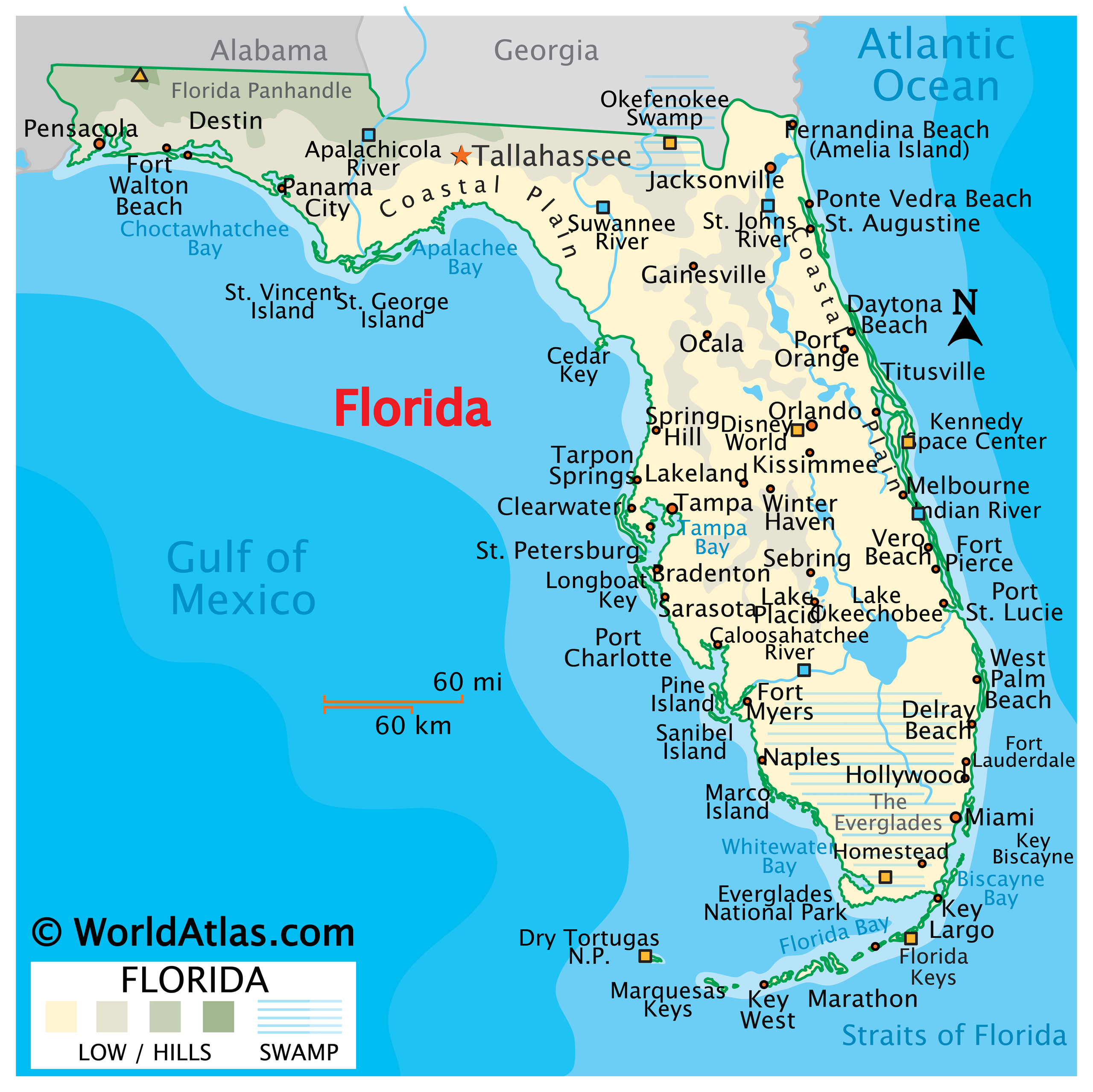
The dynamic interplay between the Atlantic Ocean and the Gulf of Mexico creates distinct travel experiences. The Atlantic coast boasts iconic destinations like Miami Beach, known for its vibrant nightlife and art deco architecture, and the Space Coast, home to the Kennedy Space Center and prime rocket launch viewing spots. Travelers here can enjoy surfing, deep-sea fishing, and bustling boardwalks. On the other hand, the Gulf Coast, stretching from the Panhandle down to South Florida, features serene beaches in places like Sarasota and Naples, known for their calm, clear waters, perfect for swimming, paddleboarding, and shelling. The distinct characteristics of each coast allow visitors to choose an environment that best suits their desired vacation style, whether it’s exhilarating activity or tranquil relaxation.
The Florida Keys: A String of Islands
Perhaps the reason for the common confusion about Florida’s island status lies in the existence of the Florida Keys. This magnificent chain of tropical islands, stretching approximately 120 miles off the southern tip of the Florida peninsula, truly feels like a world apart. Connected by the iconic Overseas Highway, these islands, culminating in Key West, offer a distinct island experience with their unique culture, incredible snorkeling and diving opportunities, and laid-back atmosphere. While the Keys are indeed islands, they are an integral part of Florida, accessible by car from the mainland, further illustrating the state’s complex and diverse geography. Visiting the Keys allows travelers to experience island life without ever leaving the continental United States.
Freshwater Wonders: Springs and Rivers
Beyond its famous coastlines, Florida is also celebrated for its abundant freshwater ecosystems. The state boasts over 1,000 natural freshwater springs, many of which are crystal-clear oases perfect for swimming, snorkeling, and kayaking. These springs, like those found in the Ocala National Forest, offer a refreshing alternative to the saltwater beaches and provide unique opportunities to observe manatees and other wildlife. Additionally, major rivers such as the St. Johns River and the vast wetlands of the Everglades National Park provide rich habitats for an incredible array of flora and fauna, making them prime destinations for eco-tourism, airboat tours, and wildlife viewing. Lake Okeechobee, the state’s largest freshwater lake, is another significant inland body of water supporting diverse recreational activities.
Beyond the Beaches: Mainland Attractions and Connections
While its beaches and waterways are undeniably a massive draw, Florida’s peninsular connection to the mainland means it offers far more than just coastal pursuits. The interior of the state, benefiting from easy access, hosts world-class attractions, vibrant cities, and unique natural environments that enrich the travel experience.
Theme Parks and Inland Adventures
One cannot discuss Florida travel without mentioning its renowned theme parks. Centrally located in Orlando, these mega-attractions, including Walt Disney World Resort and Universal Orlando Resort, draw millions of visitors annually. Their inland location makes them highly accessible from all parts of the state and the broader continental U.S., allowing travelers to easily combine a magical theme park adventure with a relaxing beach getaway. Furthermore, Florida’s interior offers other adventures like motorsports in Daytona and vast equestrian estates near Ocala, showcasing a diverse range of activities beyond the immediate coast.
Cultural Hubs and Historical Cities
The mainland connection also fosters the development of significant cultural and historical centers throughout Florida. St. Augustine, the nation’s oldest continuously inhabited European-established settlement, offers a deep dive into centuries of history with its Spanish colonial architecture and ancient forts. Miami, a bustling international city, is a melting pot of cultures, offering world-class dining, art districts like Wynwood, and vibrant Latin influences. Tampa, on the Gulf Coast, combines historical charm with modern attractions, including dynamic cultural institutions and family-friendly entertainment. Even the state capital, Tallahassee, located in North Florida, offers historical sites and a distinct Southern charm, far removed from the typical beach resort image.
Ecological Diversity Away from the Shore
While the coasts are spectacular, Florida’s interior boasts incredible ecological diversity. The immense Everglades National Park, a designated UNESCO World Heritage Site, is a unique wetland ecosystem providing a habitat for alligators, panthers, and countless bird species. Further north, the expansive pine forests and scrublands harbor unique plant and animal life, distinct from the coastal environments. The existence of these inland natural wonders, easily accessible by road, adds another layer to Florida’s appeal for eco-tourists and nature enthusiasts, reinforcing its status as a multifaceted destination.
Why Florida’s Geography Makes It a Premier Destination
Ultimately, the answer to “Is Florida an island?” reveals more than just a geographical fact; it highlights the unique qualities that make the state an unparalleled travel destination. Its peninsular nature offers a best-of-both-worlds scenario for visitors.
A Blend of Accessibility and Seclusion
Florida’s mainland connection ensures that travel to the state is straightforward and adaptable to various budgets and preferences. Simultaneously, its deep extension into the ocean and numerous offshore islands like the Keys provide the sense of escape and seclusion often sought in island getaways. Travelers can drive directly into the heart of a vibrant mainland, yet within hours, find themselves on a pristine, isolated beach or embarking on a cruise to foreign shores, capturing the essence of an island adventure without the typical logistical challenges.
Endless Opportunities for Exploration
This geographical blend translates into an incredibly rich tapestry of travel experiences. From the thrilling roller coasters of Orlando to the tranquil kayaking in clear springs, from the historic streets of St. Augustine to the vibrant nightlife of Miami, Florida truly offers something for everyone. Its peninsular shape ensures that whether one prefers the bustle of urban centers, the serenity of nature, or the excitement of coastal activities, all are within easy reach, making Florida a continually captivating and return-worthy destination.
LifeOutOfTheBox is a participant in the Amazon Services LLC Associates Program, an affiliate advertising program designed to provide a means for sites to earn advertising fees by advertising and linking to Amazon.com. Amazon, the Amazon logo, AmazonSupply, and the AmazonSupply logo are trademarks of Amazon.com, Inc. or its affiliates. As an Amazon Associate we earn affiliate commissions from qualifying purchases.