
Florida’s allure as a premier tourist destination is undeniable, drawing millions annually with its sun-kissed beaches, vibrant cities, and unique natural ecosystems. However, like any diverse environment, Florida is subject to natural climate fluctuations, including periods of drought. For prospective visitors, understanding the state’s current hydrological status is crucial for planning activities, managing expectations, and ensuring a responsible and enjoyable trip.
Understanding Florida’s Hydrological Landscape for Tourists
Florida’s climate is predominantly subtropical, characterized by distinct wet and dry seasons, which naturally influence water availability. This unique pattern means that even without a severe drought declaration, water levels can vary significantly throughout the year, impacting certain tourist experiences.

The Wet and Dry Seasons: What to Expect
The state experiences a pronounced wet season from June through October, when tropical systems and daily afternoon thunderstorms contribute significantly to rainfall. This period typically replenishes aquifers, lakes, and rivers. Conversely, the dry season, running from November through May, sees significantly less precipitation. During these drier months, especially towards the end of the season in April and May, water levels naturally decline, and the potential for drought conditions increases. Tourists visiting during the dry season should be mindful that natural landscapes, particularly wetlands and certain waterways, may appear less lush or have lower water levels than during the wet season. This seasonality is a normal part of Florida’s environment, but extended dry periods can exacerbate these conditions into official drought status.
Florida’s Unique Water Systems: Everglades, Aquifers, and Coastlines
The state’s hydrological identity is defined by its complex interplay of water systems. The Everglades, a vast wetland ecosystem in South Florida, is globally renowned but incredibly sensitive to water levels. Its health directly impacts a multitude of species, many of which are a significant draw for eco-tourism. Similarly, Florida’s numerous freshwater springs, fed by the massive Florida Aquifer, are popular for swimming, snorkeling, and diving. Coastal regions, while seemingly less susceptible to freshwater drought, can still experience impacts on estuaries and intertidal zones where freshwater runoff meets saltwater, affecting marine life and associated recreational activities. Understanding these interconnected systems helps tourists appreciate the delicate balance of Florida’s natural attractions and why water conservation is paramount.
Official Drought Monitoring and Tourist Awareness
Several governmental agencies continually monitor Florida’s water conditions. The U.S. Drought Monitor, a collaborative effort, provides weekly updates on drought status across the nation, categorizing conditions from abnormally dry to exceptional drought. Within Florida, various water management districts—such as the South Florida Water Management District, Southwest Florida Water Management District, St. Johns River Water Management District, Northwest Florida Water Management District, and Suwannee River Water Management District—provide localized data and issue advisories. For tourists, checking these resources before and during their visit can offer the most accurate and up-to-date information, helping them plan accordingly for any water restrictions or activity modifications.
Potential Impacts on Tourist Activities and Experiences
Drought conditions in Florida can have varied effects on tourist activities, from subtle changes to more significant restrictions, depending on the severity and duration of the dry spell.
Outdoor Adventures: Water Sports, Fishing, and Boating
Activities heavily reliant on water, such as kayaking, paddleboarding, airboat tours in the Everglades, freshwater fishing, and boating on inland lakes and rivers, are most directly affected by drought. Lower water levels can render some shallow areas impassable for boats, limit access to certain launch points, or even result in the temporary closure of specific waterways or sections of parks. Fishing conditions might change, with fish congregating in deeper pools or becoming less active. Tourists planning these types of excursions should verify current conditions with local outfitters, park services, or fishing guides in areas like Kissimmee or along the St. Johns River to avoid disappointment and ensure safety.
Nature and Wildlife Viewing: National Parks and Preserves
Florida’s rich biodiversity, showcased in areas like Everglades National Park, Biscayne National Park, and Dry Tortugas National Park, is deeply tied to its water resources. Drought can impact wildlife viewing opportunities. For instance, in the Everglades, lower water levels can concentrate alligators, wading birds, and other animals in remaining water bodies, sometimes making them easier to spot, but also stressing the ecosystem. However, prolonged drought can lead to habitat degradation, reduced food sources, and increased vulnerability to wildfires, which can severely disrupt wildlife and potentially lead to park closures or restricted access. Hikers and nature photographers should be aware of these dynamics and heed any warnings or guidance from park rangers, especially regarding fire risks.
Urban and Theme Park Experiences: Business as Usual?
Major urban centers like Orlando, Miami, and Tampa, and their world-famous theme parks such as Walt Disney World Resort and Universal Orlando Resort, generally operate without significant direct impact from moderate drought conditions. These large establishments often have sophisticated water management systems, including reclaimed water usage, and typically source water from deep aquifers that are less immediately affected by surface drought. However, if drought becomes severe and prolonged, local authorities may implement water restrictions that could affect tourist accommodations (e.g., reduced lawn watering, limited pool filling), although guest services typically remain uninterrupted. Water parks might have some conservation measures in place, but generally, the core experience is designed to be resilient.
Local Culture and Events: Adapting to Conditions
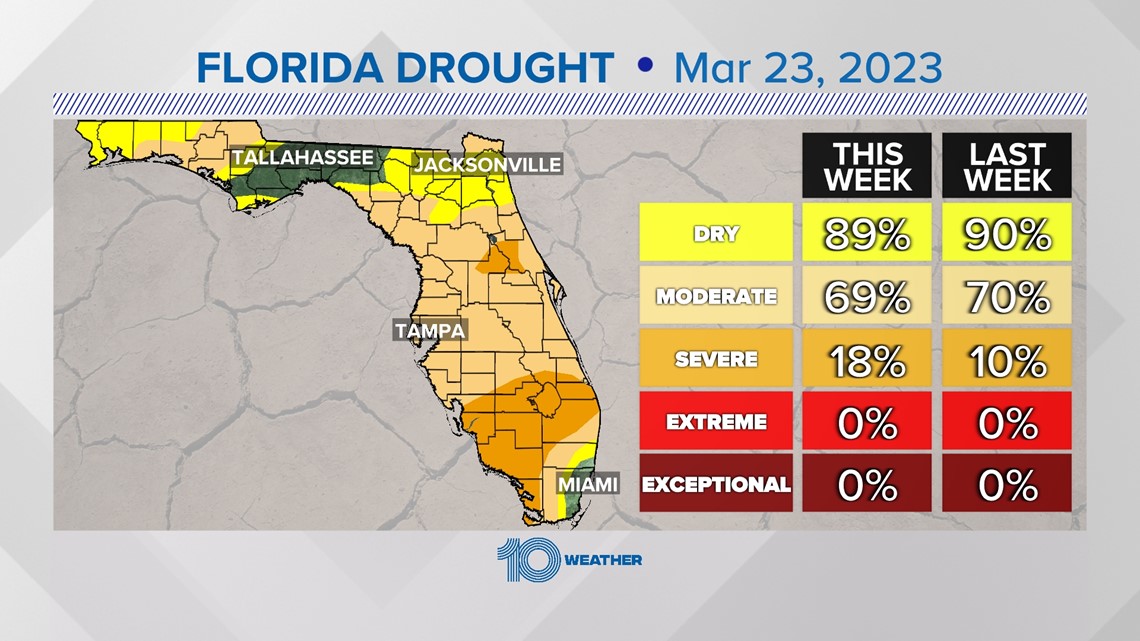
Florida’s local culture, particularly in communities near natural spring systems or coastal areas, can be subtly influenced by drought. Outdoor festivals, agricultural events, or traditional fishing tournaments might face modifications or cancellations if conditions become severe. For example, events tied to specific harvests could be impacted if local agriculture suffers. In coastal cities like St. Augustine or Key West, maritime events are less likely to be affected directly by freshwater drought but could be indirectly if broader environmental health is compromised. Tourists interested in attending specific local events should always check their status closer to the date.
Practical Tips for Tourists Visiting During Drought Conditions
Being prepared and informed is key to a rewarding and responsible tourist experience in Florida, especially during periods of water scarcity.
Staying Informed: Reliable Sources for Visitors
Before and during your trip, make it a habit to consult official sources for the latest information on drought conditions. The National Weather Service provides regional forecasts and alerts, while state and local water management district websites offer specific advisories and any water-use restrictions. Reputable local news outlets and tourism boards also often provide practical advice tailored for visitors. Don’t rely solely on anecdotal evidence; seek out official, scientific data.
Water Conservation: Doing Your Part
Tourists can play a significant role in water conservation. Simple actions like taking shorter showers, turning off the tap while brushing teeth, reusing towels, and reporting leaky faucets in accommodations can collectively make a difference. Opting for establishments that actively promote water-saving practices is also a good choice. While on excursions, avoid wasting water and be mindful of your impact on natural water sources. This mindful approach aligns with responsible tourism principles and helps protect Florida’s precious resources for future generations.
Planning Alternatives: Indoor and Low-Impact Activities
If drought conditions limit certain outdoor activities, Florida still offers a wealth of alternatives. Explore world-class museums such as the Salvador Dalí Museum in St. Petersburg or the Vizcaya Museum & Gardens in Miami. Visit historic sites like Castillo de San Marcos in St. Augustine or the Kennedy Space Center Visitor Complex on the Space Coast. Enjoy shopping at premium outlets, indulging in culinary experiences, or attending live shows. Beaches, such as Clearwater Beach or Siesta Key, generally remain open and enjoyable, although local advisories should still be checked. Having a flexible itinerary that includes a mix of indoor and outdoor options ensures that your trip remains fulfilling regardless of environmental conditions.
Health and Safety Considerations: Heat, Air Quality, and Fire Risks
Drought often correlates with higher temperatures and decreased humidity, which can elevate health and safety risks for tourists. Be extra vigilant about hydration, wear sun protection, and seek shade during the hottest parts of the day. Air quality can also be affected by dust or, more significantly, by smoke from wildfires. Florida is prone to wildfires during dry periods, especially in areas with extensive natural vegetation. Heed all warnings regarding fire danger, avoid burning, and be aware of any burn bans in effect. If planning activities in natural areas, check park advisories for fire-related closures or restrictions.
Exploring Beyond the Water: Florida’s Diverse Offerings
Even if water-centric activities are somewhat curtailed by drought, Florida’s appeal extends far beyond its aquatic adventures, offering a rich tapestry of experiences that continue to thrive.
Culinary Delights: Farm-to-Table and Coastal Cuisine
Florida’s culinary scene is vibrant and diverse, unaffected by most drought conditions. From fresh seafood caught off the Gulf of Mexico and Atlantic Ocean to farm-to-table dining experiences showcasing local produce, the state offers gastronomic adventures for every palate. Cities like Sarasota, Naples, and Miami are renowned for their innovative restaurants, while smaller towns offer authentic regional flavors. Explore local markets, food festivals, and diverse eateries to savor the true taste of Florida.
Arts, History, and Museums: Enriching Cultural Experiences
Florida boasts a rich historical narrative and a flourishing arts scene. Delve into the nation’s oldest city, St. Augustine, with its colonial architecture and storied past. Discover the Gilded Age grandeur of Henry Flagler’s legacy in Palm Beach. Explore numerous art museums, galleries, and performance venues across the state, from Orlando’s cultural corridor to the vibrant arts districts of Miami Beach. These indoor and urban attractions provide excellent alternatives that are immune to weather fluctuations or water shortages.

Shopping and Entertainment: Year-Round Attractions
For those seeking retail therapy or entertainment, Florida offers an abundance of options. Upscale boutiques, outlet malls, and quaint downtown shopping districts are plentiful throughout cities like Orlando, Fort Lauderdale, and Jacksonville. Beyond the major theme parks, enjoy live music venues, comedy clubs, and theatrical performances. Even during potential drought periods, the vast majority of these popular tourist activities remain fully operational, ensuring visitors can always find engaging ways to fill their itinerary.
In conclusion, while Florida can indeed experience periods of drought, its impact on a tourist’s overall experience can be minimized with proper planning and awareness. By staying informed, practicing responsible tourism, and exploring the state’s incredibly diverse offerings, visitors can still enjoy a fantastic and memorable trip to the Sunshine State.
LifeOutOfTheBox is a participant in the Amazon Services LLC Associates Program, an affiliate advertising program designed to provide a means for sites to earn advertising fees by advertising and linking to Amazon.com. Amazon, the Amazon logo, AmazonSupply, and the AmazonSupply logo are trademarks of Amazon.com, Inc. or its affiliates. As an Amazon Associate we earn affiliate commissions from qualifying purchases.