
The prospect of a hurricane making landfall in Florida is a significant concern for residents and prospective travelers alike. When a named storm like Hurricane Sara enters the forecast, it immediately raises questions about travel safety, potential disruptions, and the viability of planned vacations or business trips to the Sunshine State. Understanding the dynamics of hurricane season and how to respond to developing weather threats is crucial for anyone considering travel to or within Florida during these periods. This guide offers insights and advice for travelers navigating the uncertainties posed by an active hurricane season.
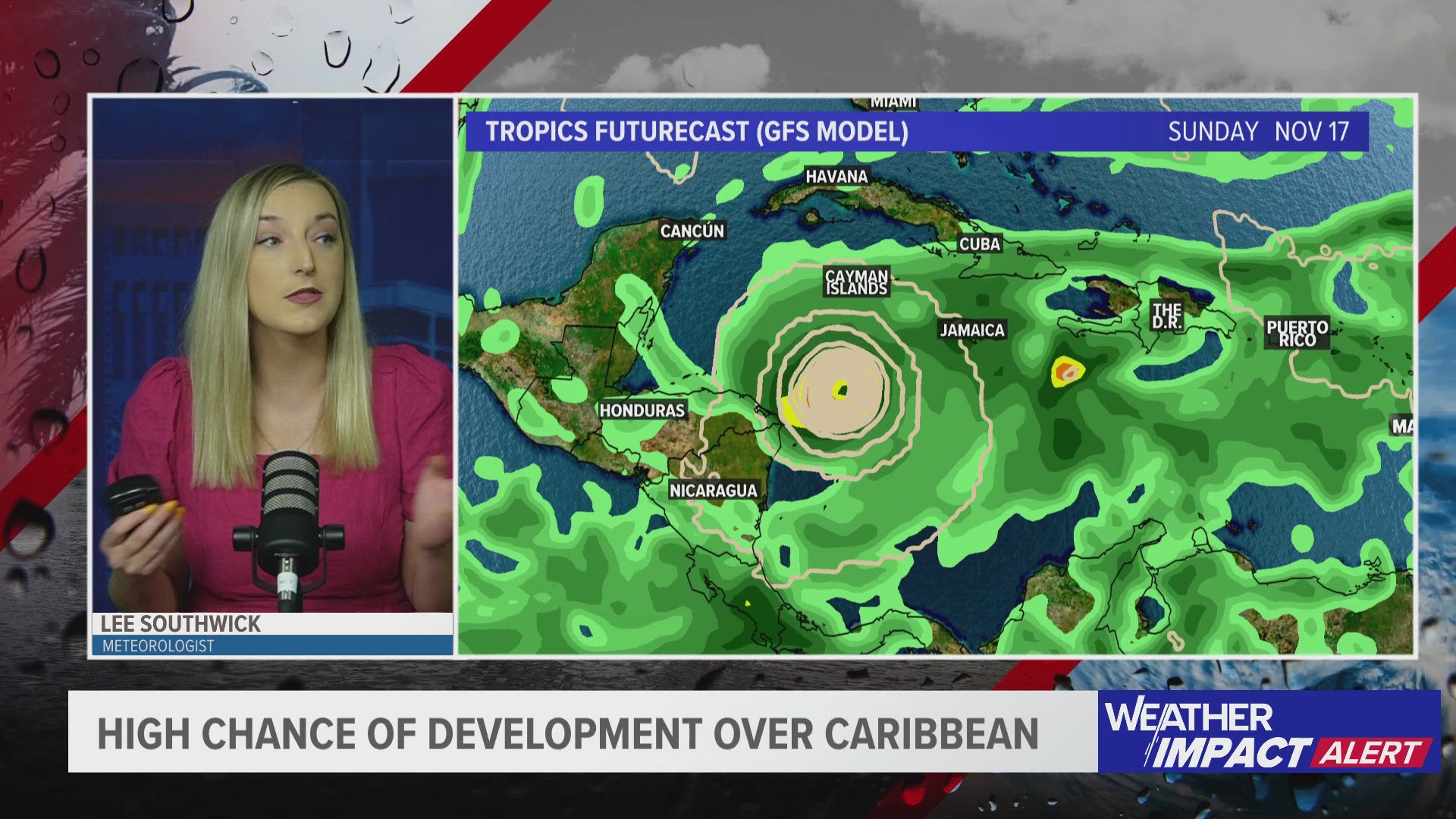
Understanding Hurricane Season and Travel to Florida
Florida’s allure as a top travel destination persists year-round, but its geographical location makes it susceptible to tropical storms and hurricanes, particularly between June 1st and November 30th. While this doesn’t mean every trip within this window is at risk, it does necessitate a heightened awareness of weather patterns. For travelers planning an itinerary, the hurricane season is not a deterrent to enjoyment but rather a call for diligent planning and flexibility.
The Role of Prediction and Preparedness
Modern meteorology, spearheaded by organizations like the National Hurricane Center (NHC) and NOAA, provides increasingly accurate forecasts, often giving several days’ notice before a storm’s potential arrival. This lead time is invaluable for travelers to adjust plans. Being prepared means not only monitoring official advisories but also understanding what actions to take should a storm threaten your travel dates or current location. It involves reviewing cancellation policies, understanding travel insurance provisions, and having contingency plans in place for accommodation and transportation.
Seasonal Variations and Risk Assessment
While the entire hurricane season warrants attention, the peak months of August, September, and October historically see the most significant activity. Traveling during these times doesn’t guarantee an encounter with a hurricane, but it does mean the probability of a named storm forming and potentially impacting travel plans is higher. Many travelers continue to visit Florida during these months, often benefiting from lower prices and fewer crowds outside of major holiday weekends. The key is to balance potential savings with a robust preparedness strategy.
Tracking Hurricane Sara: What Travelers Need to Know
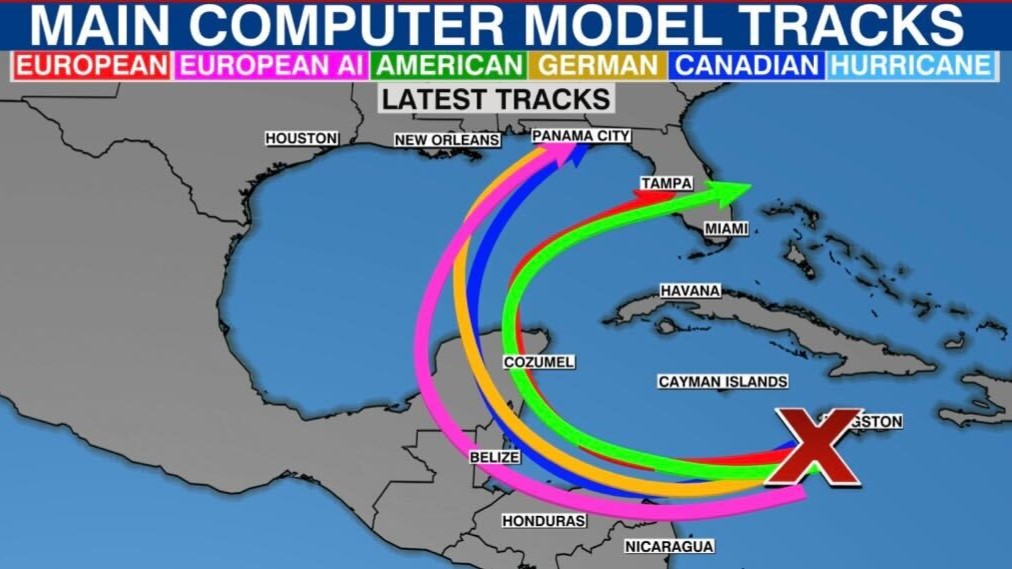
When a specific storm like Hurricane Sara emerges, travelers’ focus should immediately shift to monitoring its projected path and intensity. Relying on accurate, official sources is paramount to avoid misinformation and make informed decisions.
Official Information Sources Are Key
The primary source for hurricane tracking and advisory information is the National Hurricane Center (NHC). Their website and official alerts provide real-time updates on a storm’s location, wind speeds, projected track, and potential impacts (storm surge, rainfall, wind). Local emergency management agencies in specific Florida counties, cities like Miami, Orlando, or Tampa, also offer crucial localized information, including evacuation orders and shelter locations. Before, during, and after any potential threat, these resources should be your go-to.
Interpreting Forecasts and Advisories
Hurricane forecasts are dynamic. A storm’s track can shift, and its intensity can fluctuate rapidly. Travelers should pay close attention to the cone of uncertainty, which illustrates the probable path of the storm’s center, but understand that impacts can be felt well outside this cone. Advisory messages will highlight specific threats such as hurricane watches (hurricane conditions are possible within the specified area, usually within 48 hours) and hurricane warnings (hurricane conditions are expected within the specified area, usually within 36 hours). Tropical storm watches and warnings are issued for less severe, but still impactful, conditions.
Impact on Specific Destinations
Even if Hurricane Sara is projected to hit one part of Florida, its effects can extend far beyond the direct impact zone. Heavy rainfall, strong winds, and dangerous rip currents can affect coastal areas hundreds of miles from the storm’s center. Inland areas, such as Orlando’s theme park resorts like Walt Disney World Resort, may experience significant rain and wind, leading to closures or altered operating hours. Therefore, travelers should consider the broader regional implications of any storm threat, not just its direct bullseye.
Preparing for the Worst: Essential Travel Precautions
When facing a potential hurricane threat like Hurricane Sara, proactive measures can significantly reduce stress and ensure safety for travelers. Preparedness is not about panic, but about prudent planning.
Securing Travel Insurance
One of the most critical steps for anyone traveling to Florida during hurricane season is purchasing comprehensive travel insurance. Look for policies that specifically cover weather-related cancellations, delays, and interruptions. Read the fine print carefully: some policies require the storm to be named or declared a hurricane before coverage applies, and most will not cover events that were already foreseeable when the policy was purchased. If Hurricane Sara is already a named storm when you book your trip, it might be considered a “known event,” and cancellation coverage for that specific storm may not be available.
Flexible Booking and Cancellation Policies
Before booking flights, hotels, or vacation rentals, thoroughly review their cancellation and rebooking policies. Many airlines, like Delta or American Airlines, and hotel chains, such as Marriott, offer waivers for changes or cancellations without fees if a hurricane warning is issued for the destination. Confirming these policies upfront can save significant financial loss and hassle if plans need to change. Consider booking accommodations that offer free cancellation up to the day of arrival, if possible.
Developing a Personal Hurricane Plan
Even if you’re just visiting, having a personal hurricane plan is wise. This includes:
- Contact Information: Keep a list of emergency contacts, your airline, hotel, and rental car company.
- Important Documents: Store copies of your passport, ID, insurance policies, and booking confirmations in a waterproof bag, along with digital copies accessible via cloud storage.
- Emergency Kit: While not for extended stays, a small kit with essentials like a power bank, flashlight, basic first-aid, and any necessary medications is helpful.
- Communication: Ensure your phone is fully charged and consider a portable charger. Know how to receive emergency alerts on your device.
- Evacuation Routes: If a hurricane warning is issued, understand the recommended evacuation routes for your area, as provided by local authorities. Follow all evacuation orders promptly.
Navigating Travel Changes: Cancellations, Insurance, and Rebooking
When Hurricane Sara or any other storm necessitates a change in travel plans, navigating the logistics can be daunting. Understanding your rights and available resources is critical.
Airline and Hotel Policies
Major airlines and hotel chains typically activate hurricane waivers when a named storm threatens a destination. These waivers allow travelers to change flights or accommodations without penalty, or in some cases, receive a refund. It’s crucial to contact the airline or hotel directly as soon as a waiver is issued or your plans are impacted. Be prepared for potentially long wait times due to high call volumes. Checking their official websites for “travel alerts” or “weather waivers” is often the quickest way to get information.
Filing a Travel Insurance Claim
If your trip is canceled, delayed, or interrupted due to Hurricane Sara and your travel insurance covers it, gather all necessary documentation. This includes booking confirmations, receipts for non-refundable expenses, official cancellation notices from airlines/hotels, and any weather advisories or evacuation orders. Contact your insurance provider as soon as possible to initiate the claims process. Timelines for filing claims can be strict, so prompt action is important.
Rebooking and Alternative Destinations
Should your trip to Florida be impacted, consider rebooking for a later date or exploring alternative destinations. If rescheduling for later in the hurricane season, remember that the threat of other storms persists. Discuss options with your travel providers. Some might offer credit for future travel, while others may provide full refunds depending on their policy and the severity of the disruption. If you choose an alternative destination, ensure it is not also in the path of potential severe weather.
Post-Storm Travel: What to Expect and How to Help
Even after Hurricane Sara has passed, its impact on travel to and within Florida can linger. Travelers considering visiting a hurricane-affected area shortly after a storm need to adjust their expectations and understand how they can contribute positively.
Assessing the Recovery Landscape
Immediately after a hurricane, infrastructure can be severely damaged. Roads may be impassable, power outages widespread, and services (restaurants, attractions, gas stations) may be limited or entirely shut down. Before traveling to a recently affected area, verify that essential services are restored and that your chosen accommodations and attractions are operational. Many popular tourist areas are resilient and recover quickly, but it’s vital to confirm their status. Checking local tourism board websites and official government notices is recommended.
Supporting Local Businesses and Tourism
Once an area is declared safe and open for visitors, returning travelers play a crucial role in its recovery. Tourism is a vital economic driver for many Florida communities. By visiting and spending locally at restaurants, shops, and attractions, travelers directly support the rebuilding efforts and local residents. Be patient, understanding, and respectful of the ongoing recovery process. Service levels might still be returning to normal, and some attractions or amenities might remain temporarily closed.
Voluntourism and Community Support
For those who want to contribute more directly, “voluntourism” can be an option, but it requires careful planning. Organizations like FEMA or local charities often coordinate volunteer efforts. It’s important to work through established groups rather than self-deploying, as uncoordinated efforts can sometimes hinder professional relief operations. Confirm what aid is genuinely needed and how best to provide it. Your travel decisions, whether to reschedule, cancel, or proceed with caution, should always prioritize safety and informed action, allowing Florida to recover and welcome visitors back fully when the time is right.
LifeOutOfTheBox is a participant in the Amazon Services LLC Associates Program, an affiliate advertising program designed to provide a means for sites to earn advertising fees by advertising and linking to Amazon.com. Amazon, the Amazon logo, AmazonSupply, and the AmazonSupply logo are trademarks of Amazon.com, Inc. or its affiliates. As an Amazon Associate we earn affiliate commissions from qualifying purchases.