
For those considering a long-term stay or establishing a permanent accommodation in the Sunshine State, understanding local regulations around natural resources is paramount. As discussions around sustainable living and resource conservation gain prominence, questions about self-sufficiency, such as collecting rainwater, naturally arise. While Florida is known for its abundant water resources, it also faces significant environmental challenges, making water management a critical concern. This article delves into the legality and practicalities of rainwater harvesting for residential accommodation in Florida, providing essential insights for prospective residents.
Understanding Florida’s Stance on Water Rights and Conservation
Florida’s relationship with water is complex. Surrounded by coasts and dotted with numerous lakes, springs, and aquifers, the state appears water-rich. However, rapid population growth, agricultural demands, and environmental concerns like saltwater intrusion into freshwater supplies necessitate robust water conservation efforts. Historically, water rights in the United States, including Florida, were often governed by common law principles, such as riparian rights, which granted landowners access to adjacent water bodies. Over time, these laws have evolved to include a “reasonable use” doctrine and a comprehensive system of state-level permits and regulations overseen by regional water management districts.

Rainwater, specifically, has largely been viewed differently from ground or surface water. It falls on one’s property, making its collection seem intuitively permissible. The state encourages water conservation and the efficient use of water resources, often seeing rainwater harvesting as a beneficial practice rather than a prohibited one. This perspective aligns with Florida’s broader environmental goals, which seek to protect natural systems while supporting sustainable development. For those planning an extended stay or property investment, recognizing this foundational approach helps contextualize the specific laws governing rainwater collection for residential accommodation.
The Legality of Rainwater Harvesting for Accommodation
The straightforward answer is: no, it is generally not against the law to collect rainwater in Florida. In fact, Florida Statutes explicitly support and even encourage the practice. This stands in contrast to some other states, which have historically had more restrictive regulations due to archaic water rights doctrines. For individuals managing their accommodation, whether a single-family home, a rental property, or a multi-unit dwelling, the state’s position is largely permissive. The focus is less on prohibiting collection and more on ensuring safe and responsible implementation.
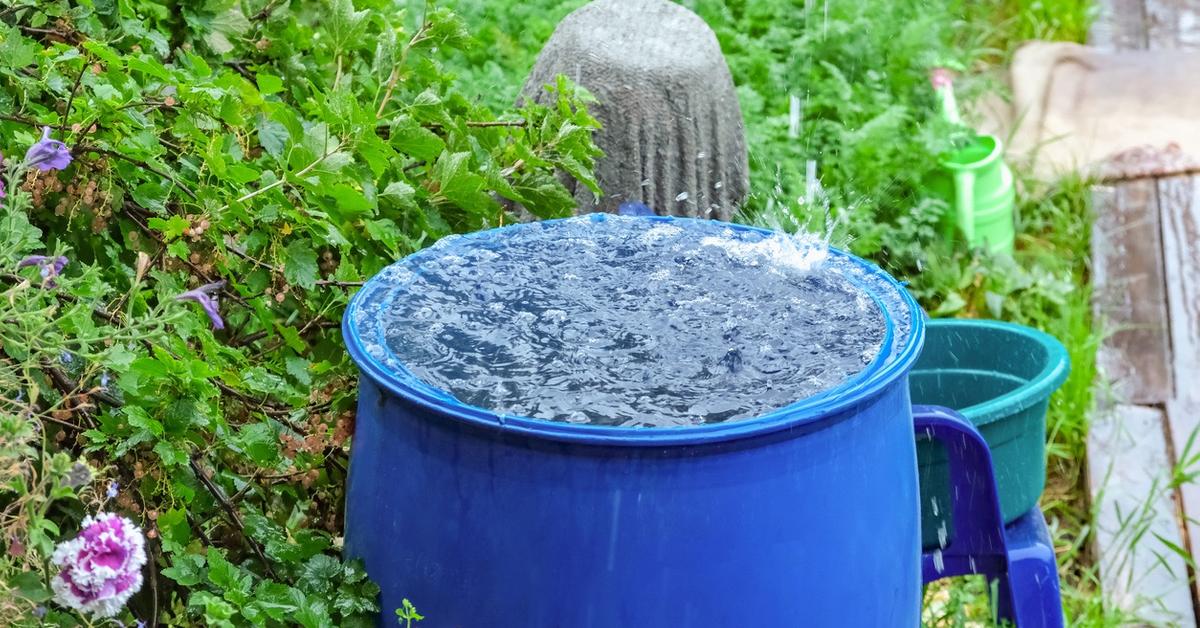
This permissiveness is a significant advantage for those seeking to incorporate sustainable practices into their long-term stay. Rainwater harvesting systems, ranging from simple rain barrels to elaborate cisterns, can serve various non-potable uses within an accommodation setting, helping to reduce reliance on municipal water supplies.
State-Level Guidelines and Incentives
Florida Statutes Chapter 403, pertaining to environmental control, and Chapter 553, concerning building codes, indirectly support rainwater harvesting by promoting water conservation and efficiency. While there isn’t a singular, overarching statute that dictates every aspect of rainwater collection, the general legislative climate in Florida is favorable. The state’s push for green building initiatives often includes provisions for water-saving measures, of which rainwater harvesting is a prime example.
Many regional water management districts and local governments also offer educational programs, and sometimes even incentives, for homeowners and property managers to implement water conservation strategies. These can include rebates for installing rain barrels or larger cisterns, or guidance on integrating rainwater systems into existing plumbing. Such programs underscore the state’s recognition of rainwater harvesting as a valuable tool for sustainable water management in residential and commercial properties.
Local Ordinances and Homeowner Associations (HOAs)
While state law generally permits rainwater collection, the real complexities often emerge at the local level. Prospective residents considering a long-term stay need to be aware that specific counties or cities may have their own ordinances regarding building permits, system installation, or even aesthetic requirements for rainwater harvesting structures. For instance, a local building department might require permits for larger cisterns to ensure structural integrity and proper plumbing connections, especially if the system is integrated into a home’s non-potable water supply.
Perhaps the most significant hurdle for residents in Florida comes from Homeowner Associations (HOAs). Many properties in Florida, particularly in planned communities popular for long-term stays, are subject to the rules and covenants of an HOA. These associations often have strict guidelines regarding exterior appearance, landscaping, and property modifications. While some HOAs may be progressive and allow or even encourage rainwater harvesting, others might restrict or prohibit visible rain barrels or cisterns, citing aesthetic concerns or property value impacts.
It is absolutely crucial for anyone planning to install a rainwater collection system at their accommodation to:
- Check with their local city or county planning and building departments for any applicable permits, codes, or restrictions.
- Thoroughly review their HOA bylaws and architectural guidelines before making any purchases or installations. Ignoring HOA rules can lead to fines, removal orders, and disputes.
Practical Considerations for Long-Term Accommodation in Florida
Implementing a rainwater harvesting system for a long-term accommodation in Florida involves several practical considerations beyond just legality.
System Design and Installation
The type of system will depend on intended use and budget. Simple rain barrels connected to downspouts are ideal for landscape irrigation. More elaborate systems involve multiple large cisterns, filters, pumps, and sometimes even UV purification for non-potable indoor uses like flushing toilets or laundry. Professional installation by licensed plumbers or rainwater harvesting specialists is highly recommended for integrated systems to ensure compliance with building codes and efficient operation. Costs can vary significantly, from a few hundred dollars for basic setups to several thousands for comprehensive systems.
Intended Usage
Most residential rainwater harvesting in Florida is for non-potable purposes. This includes:
- Irrigation: Watering gardens, lawns, and potted plants.
- Outdoor Cleaning: Washing cars, driveways, and exterior surfaces.
- Indoor Non-Potable: Flushing toilets, laundry (requires more complex filtration).
Using collected rainwater for drinking, bathing, or cooking (potable use) requires advanced, multi-stage filtration and disinfection systems, often making it cost-prohibitive and complicated to ensure health safety for residential accommodation. It’s generally advised to consult with health officials and specialists if potable use is desired.
Maintenance and Safety
Regular maintenance is crucial, especially in Florida’s humid climate.
- Cleaning: Gutters, downspouts, and collection surfaces should be kept free of debris (leaves, branches).
- Mosquito Control: Given Florida’s propensity for mosquitoes, all rainwater collection containers must be sealed to prevent breeding. Screened inlets and overflow pipes are essential.
- System Checks: Periodically inspect pumps, filters, and connections for leaks or blockages.
Proper maintenance ensures the longevity of the system and prevents potential health hazards.
Integration with Existing Water Supply
For most long-term accommodations, rainwater harvesting systems serve as a supplement to, rather than a complete replacement for, municipal or well water. They can significantly reduce a property’s potable water consumption, leading to lower utility bills and a smaller environmental footprint. Effective integration requires careful planning to ensure there is no cross-contamination between rainwater and the potable water supply.
Benefits and Challenges for Sustainable Living
Embracing rainwater harvesting for your Florida accommodation offers a myriad of benefits alongside a few challenges that warrant consideration.
Benefits
- Reduced Water Bills: By supplementing municipal water for irrigation and non-potable indoor uses, residents can see a noticeable decrease in their monthly water utility expenses.
- Environmental Impact: Less reliance on treated municipal water means less energy expended on water treatment and distribution, contributing to a smaller carbon footprint. It also helps reduce stormwater runoff, mitigating erosion and pollution of local waterways.
- Water Security: A rainwater harvesting system provides an independent water source, offering resilience during municipal water restrictions or outages. This can be particularly valuable in storm-prone Florida.
- Landscape Health: Rainwater is naturally soft and free of chlorine and other chemicals, making it ideal for plant health and garden irrigation.
- Aquifer Recharge: By reducing demand on groundwater, rainwater harvesting indirectly contributes to the health of Florida’s vital aquifers.
Challenges
- Initial Investment: The upfront cost of purchasing and installing a system, particularly larger or more complex ones, can be substantial.
- Space Requirements: Cisterns and storage tanks require space, which can be a limiting factor for some properties or in communities with strict aesthetic rules.
- Maintenance Effort: As noted, regular cleaning and inspection are necessary to ensure system efficiency and prevent issues like mosquito breeding or contamination.
- HOA Restrictions: Navigating Homeowner Associations can be a significant hurdle, potentially requiring extensive negotiation or design modifications.
- Permitting: Depending on the city or county, permits might be required, adding a layer of bureaucracy and cost.
For those pursuing a sustainable lifestyle during their long-term accommodation in Florida, the benefits of rainwater harvesting often outweigh these challenges, provided due diligence is performed regarding local regulations and HOA rules.

Navigating Regulations: A Checklist for Prospective Residents
Before investing in a rainwater harvesting system for your Florida accommodation, meticulous research is key. Here’s a checklist to guide prospective residents:
- Understand State Law: Confirm that Florida state law generally permits rainwater collection, which it does. This provides the baseline.
- Contact Local Authorities: Reach out to your specific county and city planning, zoning, and building departments. Inquire about any local ordinances, permits required for installation, and specific building codes that apply to rainwater harvesting systems.
- Review HOA Documents: If your accommodation is within a planned community, obtain and thoroughly read the Declaration of Covenants, Conditions, and Restrictions (CC&Rs) and architectural guidelines. Pay close attention to rules regarding exterior modifications, water features, and utility installations. If there’s ambiguity, seek clarification in writing from the HOA board.
- Consult a Professional: Engage with a local licensed plumber or a rainwater harvesting specialist. They can provide insights into feasible system designs for your property, estimated costs, installation requirements, and help ensure compliance with all applicable regulations.
- Consider Health and Safety: If any indoor use is planned, especially beyond toilet flushing, ensure the system is designed to prevent cross-contamination with potable water and complies with all health and safety standards.
By diligently following these steps, individuals planning a long-term stay or establishing accommodation in Florida can successfully integrate rainwater harvesting into their sustainable living practices, enjoying its numerous benefits while remaining fully compliant with all legal and community requirements.
LifeOutOfTheBox is a participant in the Amazon Services LLC Associates Program, an affiliate advertising program designed to provide a means for sites to earn advertising fees by advertising and linking to Amazon.com. Amazon, the Amazon logo, AmazonSupply, and the AmazonSupply logo are trademarks of Amazon.com, Inc. or its affiliates. As an Amazon Associate we earn affiliate commissions from qualifying purchases.