
Navigating the vibrant landscapes and bustling cities of Florida is an integral part of the tourist experience, offering unparalleled access to pristine beaches, world-class theme parks, and unique natural attractions. As visitors prepare for their adventures in the Sunshine State, a curious and frequently asked question often surfaces: “Is it against the law to drive barefoot in Florida?” This question, while seemingly minor, touches upon broader aspects of driving safety, local regulations, and practical considerations that can significantly impact a tourist’s journey. Understanding the nuances of this specific query, along with general driving tips, is crucial for a smooth, enjoyable, and compliant visit.

Navigating Florida’s Roads: Dispelling the Barefoot Driving Myth
The notion that driving barefoot is illegal in Florida is a widespread misconception that has persisted for decades. Many assume that due to safety concerns or perceived lack of control, such a practice must be prohibited by law. However, a closer look at the state’s official driving regulations reveals a different reality.
The Legal Landscape for Drivers in the Sunshine State
Contrary to popular belief, there is no specific statute in the Florida State Statutes that explicitly prohibits driving a vehicle barefoot. This means that from a purely legal standpoint, an individual is not breaking the law by operating a car, truck, or motorcycle without shoes on. Florida law focuses more on actions that could impair a driver’s ability to safely operate a vehicle, such as driving under the influence or reckless driving. The absence of footwear, while potentially impacting control, is not singled out as an illegal act in itself.
This position is consistent with most other states across the United States, where similar “barefoot driving” myths often circulate. The legal framework tends to prioritize ensuring the driver is in full control of the vehicle and not creating a hazard, rather than dictating specific attire or footwear. Enforcement officials typically focus on whether a driver’s actions (or lack thereof) directly contribute to unsafe conditions.
Why This Question Frequently Arises Among Visitors
The persistent nature of the barefoot driving myth can be attributed to several factors, particularly relevant for tourists. Firstly, there’s an understandable conflation of perceived safety risks with legality. Many people intuitively feel that driving without shoes could be dangerous, leading them to assume it must be against the law. This is often reinforced by driving instructors or parents advising against it for safety reasons.
Secondly, the relaxed, beach-oriented culture of Florida might contribute to the question. Visitors often spend significant time at the beach, in flip-flops, or going barefoot. The transition from the sand to the driver’s seat can raise the practical question of whether shoes are required, especially if one forgets them or finds them uncomfortable after a long day in the sun. The sheer volume of tourists enjoying Florida’s coastal attractions naturally leads to this query being a common concern.
Beyond Legality: Essential Safety Tips for Driving in Florida
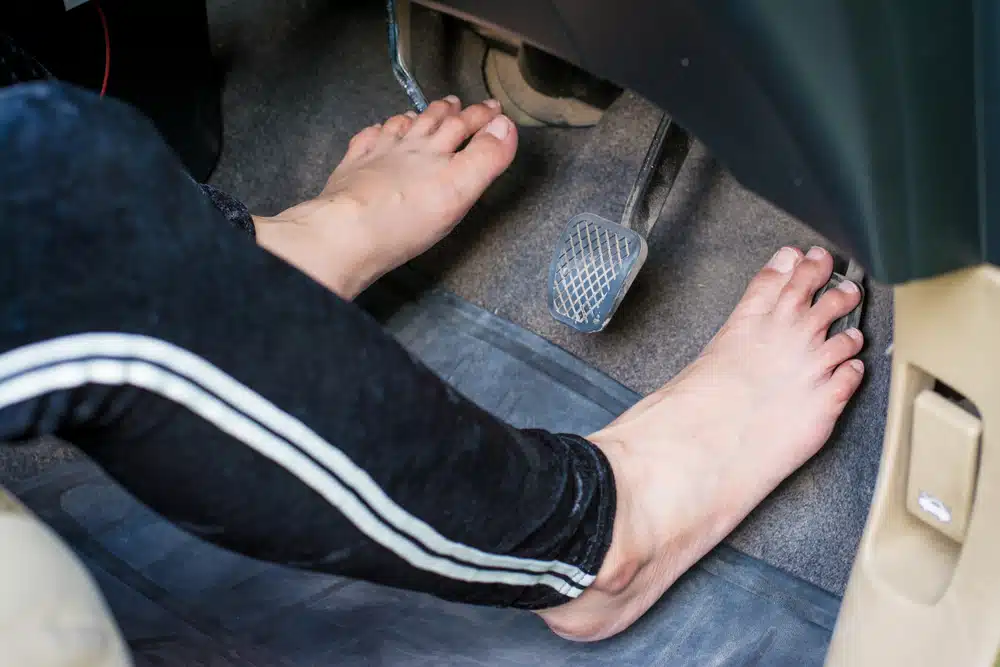
While driving barefoot may not be illegal in Florida, it is crucial for tourists to understand that legality does not equate to safety. From a practical and responsible tourism perspective, there are significant safety concerns associated with driving without proper footwear that all visitors should consider. Prioritizing safety ensures a more enjoyable and incident-free trip.
The Critical Role of Proper Footwear for Vehicle Control
Driving a vehicle safely requires precise control over the pedals—the accelerator, brake, and clutch (if applicable). Footwear plays a vital role in facilitating this control:
- Grip and Stability: Shoes provide a stable base and a consistent surface for gripping the pedals. Bare feet, especially if sweaty or wet, can slip, leading to a momentary loss of control or a delay in reaction time.
- Pressure Distribution: Shoes distribute pressure evenly across the foot, allowing for more consistent and controlled pedal engagement. Driving barefoot can cause discomfort or even pain after prolonged driving, which can be distracting.
- Protection: In the event of an accident or even just sudden braking, proper shoes can offer a degree of protection to the feet against debris, hot pedals, or the vehicle’s interior.
- Emergency Response: In an emergency braking situation, the force required to depress the brake pedal quickly and firmly might be harder to apply effectively with bare feet, potentially increasing stopping distance.
These factors underscore why, despite the lack of a legal prohibition, most driving experts and safety organizations strongly advise against driving barefoot. For tourists unfamiliar with Florida’s roads or rental vehicles, maintaining optimal control is paramount.
Mitigating Risks on Florida’s Diverse Terrains
Florida’s driving conditions can vary significantly, from smooth highways to sandy backroads near beaches, and busy urban centers. Each environment presents unique challenges:
- Coastal Areas: Near beaches, it’s common for sand or water to get into the car. If driving barefoot, this can make the pedals even more slippery and reduce friction.
- Sudden Rain Showers: Florida is known for its sudden, heavy downpours. Wet feet on pedals can be extremely hazardous, irrespective of legal standing.
- Unfamiliar Roads: Tourists often navigate unfamiliar routes, sometimes requiring quick decisions or unexpected maneuvers. The slightest delay in pedal response due to poor foot control could have serious consequences.
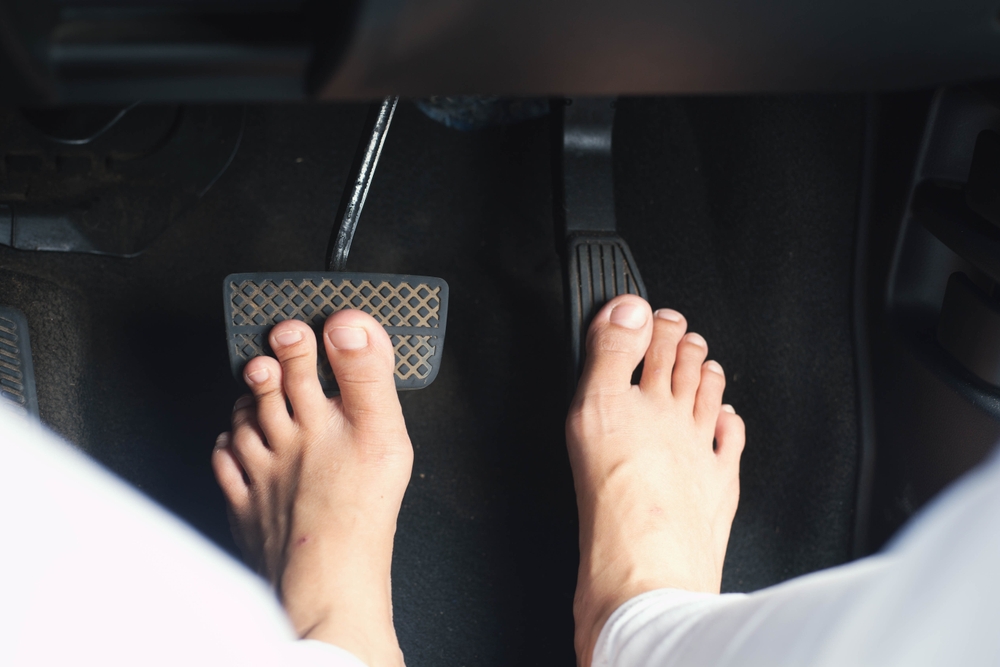
Opting for appropriate footwear—such as closed-toe shoes with a good grip—is a simple yet effective way to mitigate these potential risks and enhance safety during your travels.
Preparing for Unexpected Situations
Even the most careful drivers can encounter unexpected situations on the road. A sudden swerve to avoid debris, an abrupt stop due to traffic, or a minor fender bender are all possibilities. In such moments, the ability to react instantly and maintain full control of the vehicle is critical. Driving barefoot introduces an unnecessary variable that could impair this crucial ability, turning a minor incident into something more severe. For a worry-free vacation, it’s always better to err on the side of caution and prioritize safety above all else.
Enhancing Your Florida Experience: Practical Driving Advice for Tourists
Beyond the barefoot discussion, ensuring a safe and comfortable driving experience in Florida involves several other practical tips that can significantly enhance a tourist’s journey. Understanding local driving norms and preparing for the unique aspects of the Sunshine State’s roads will make your exploration far more enjoyable.
Recommended Driving Practices for Comfort and Safety
- Choose Appropriate Footwear: As discussed, closed-toe shoes with a good sole are ideal for driving. They provide the best grip, control, and comfort, reducing fatigue on long drives between attractions. Keep a dedicated pair of driving shoes in your vehicle, or simply change into comfortable, secure footwear before getting behind the wheel.
- Plan Your Routes: Florida is vast, and attractions can be spread out. Use GPS or mapping apps to plan your routes in advance, identify potential traffic hotspots, and locate rest stops or gas stations. This reduces stress and allows you to focus on the road.
- Stay Hydrated and Take Breaks: The Florida heat can be intense. Ensure you stay well-hydrated, and if undertaking long drives, plan for regular breaks to stretch, refresh, and avoid driver fatigue.
- Secure Loose Items: Items like flip-flops, water bottles, or souvenirs can roll under pedals, potentially obstructing their operation. Always ensure the floorboards are clear, particularly under the driver’s side.
Adapting to Florida’s Unique Driving Conditions
Florida presents a few distinctive driving conditions that tourists should be aware of:
- Rain and Hydroplaning: Sudden, heavy rain showers are common, especially in the afternoon during the summer months. Roads can become slick very quickly. Reduce speed, increase following distance, and be aware of the risk of hydroplaning. Ensure your vehicle’s tires are in good condition.
- Tourist Traffic: Popular destinations like Orlando, Miami, and coastal towns experience high volumes of tourist traffic. Expect slower speeds, frequent stops, and potentially aggressive driving from others. Patience is key.
- Wildlife Crossings: In more rural areas, especially at dawn and dusk, be vigilant for wildlife such as deer, alligators, and even Florida panthers. Heed warning signs.
- Toll Roads: Florida has many toll roads. Renting a car with a SunPass transponder or understanding the various payment methods is crucial to avoid fines.
General Road Rules and Etiquette for Visitors
Beyond specific state laws, adhering to general road etiquette ensures a smoother flow of traffic and a safer experience for everyone. Always yield to pedestrians, especially in crosswalks near beaches and attractions. Be mindful of school zones and their reduced speed limits during operational hours. Signal your intentions clearly and avoid sudden lane changes, particularly on busy multi-lane highways. Understanding these common practices will make you a more confident and courteous driver in Florida.
Staying Informed: Key Resources for a Smooth Florida Journey
Being prepared and well-informed is the hallmark of a savvy tourist. For those venturing onto Florida’s roads, knowing where to find official and reliable information is invaluable.
Where to Find Official Florida Driving Information
For the most accurate and up-to-date information on driving laws and regulations in Florida, always refer to official state resources. The Florida Department of Highway Safety and Motor Vehicles (DHSMV) website is the primary source for driver’s handbooks, vehicle registration details, and traffic laws. Consulting these official sites directly helps to dispel myths and ensures you are operating within legal boundaries. Rental car agencies can also provide valuable insights into local driving conditions and specific rules pertaining to their vehicles.
Other Important Regulations for Tourists to Note
While barefoot driving isn’t a legal issue, tourists should be aware of other significant regulations that can impact their trip:
- Seatbelt Laws: Florida has a mandatory seatbelt law for all drivers and front-seat passengers. Children must be properly restrained in child safety seats appropriate for their age and size.
- Texting While Driving: Distracted driving, particularly texting while driving, is illegal and actively enforced. Hands-free devices are permitted for communication.
- “Move Over” Law: Drivers must move over a lane or slow down when approaching stopped emergency vehicles, utility vehicles, or sanitation vehicles on the side of the road.
- Open Container Law: It is illegal to have an open container of alcohol in a vehicle’s passenger compartment.
By familiarizing yourself with these essential tips and regulations, your driving experience in Florida will be not only legally compliant but also safe, comfortable, and ultimately, a memorable part of your adventure in the Sunshine State.
LifeOutOfTheBox is a participant in the Amazon Services LLC Associates Program, an affiliate advertising program designed to provide a means for sites to earn advertising fees by advertising and linking to Amazon.com. Amazon, the Amazon logo, AmazonSupply, and the AmazonSupply logo are trademarks of Amazon.com, Inc. or its affiliates. As an Amazon Associate we earn affiliate commissions from qualifying purchases.