
The Rarity of Snow in the Sunshine State
Florida, affectionately known as the Sunshine State, conjures images of endless beaches, swaying palm trees, and balmy temperatures, even in the heart of winter. For most travelers planning a getaway to this tropical and subtropical paradise, the thought of snow is as alien as an igloo on Miami Beach. Indeed, the very premise of snow in Florida strikes many as an oxymoron, given its geographical position and typical climatic patterns. Located at a low latitude, the state benefits from proximity to warm ocean currents from both the Atlantic Ocean and the Gulf of Mexico, which act as natural insulators, moderating temperatures and largely preventing the deep freezes necessary for widespread snowfall.
The state’s climate is predominantly humid subtropical in the northern and central regions, transitioning to a true tropical climate in the southern tip, including the Florida Keys. This means that while northern Florida can experience occasional cold snaps, temperatures rarely plummet low enough for precipitation to fall as snow. The conditions required for snowfall are stringent: temperatures must be at or below freezing both at the surface and throughout the atmospheric column where precipitation forms and falls. Furthermore, a sufficient moisture content in the air is critical. While winter frontal systems can bring rain and colder air, the convergence of all these factors – sustained freezing temperatures, atmospheric depth, and ample moisture – is an exceedingly rare meteorological alignment for most of Florida. Consequently, when travelers inquire about winter conditions in Florida, they are typically anticipating mild, comfortable weather ideal for outdoor activities, not a winter wonderland.
Historical Snowfall Events in Florida
Despite its reputation for eternal sunshine, Florida has, on extremely rare occasions, witnessed snowfall. These events are so infrequent and localized that they often become legendary, passed down through generations. To be clear, we are not talking about blizzards or accumulations measured in feet, but rather fleeting flurries, light dusting, or very minor accumulations in specific, often northern, parts of the state.
The Great Florida Snow of 1977
Perhaps the most famous and widespread snowfall event in Florida’s recorded history occurred on January 19, 1977. On this historic day, snow fell as far south as Miami and Fort Lauderdale, marking the only time on record that snowflakes were observed in these subtropical cities. While the accumulation was minimal – mostly just a dusting on cars and grassy surfaces – the sheer shock and novelty of the event left an indelible mark. Residents ventured outdoors to witness the phenomenon, taking photographs of snow on palm trees, a truly surreal sight. This unprecedented cold wave brought temperatures across the state to uncharacteristically low levels, making the rare convergence of cold air and moisture possible even in the southern peninsula.
Other Notable Occurrences
Beyond 1977, other sporadic instances of snow have been recorded, primarily in Florida’s northern regions, particularly the Panhandle and areas around Jacksonville and Tallahassee.
- December 1894 and February 1899: These two events were significant for their widespread nature, with snow reported across large parts of the state, including some southern areas, though photographic evidence is scarce. The “Great Blizzard of 1899” notably brought snow to Tampa.
- February 13, 1958: Light snow fell in northern Florida, causing minor accumulations.
- December 20, 1989: A significant cold snap brought measurable snow to the Panhandle and parts of north Florida, with some areas receiving up to an inch or two. This event caused significant travel disruptions in those localized areas, a rare occurrence for the state.
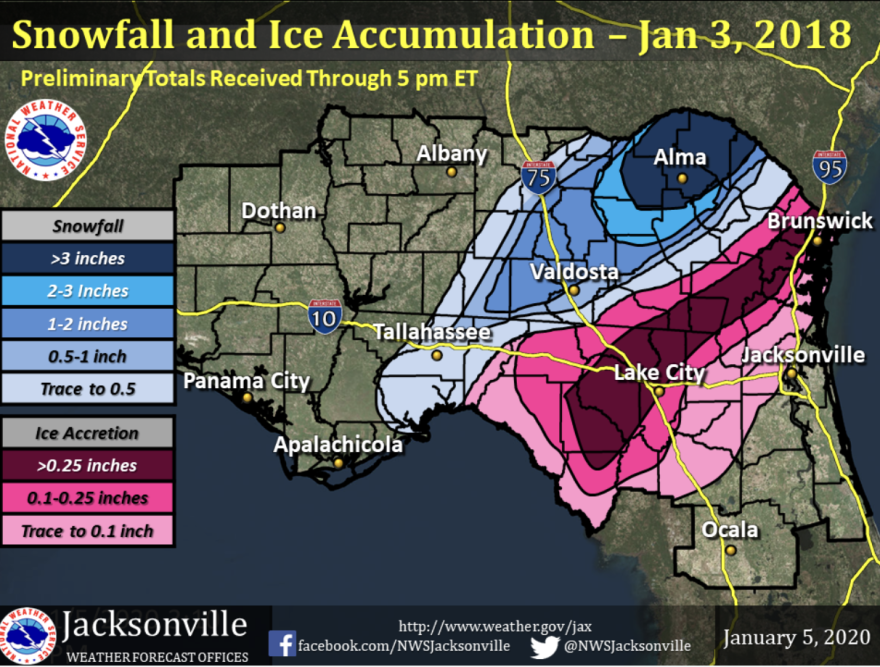
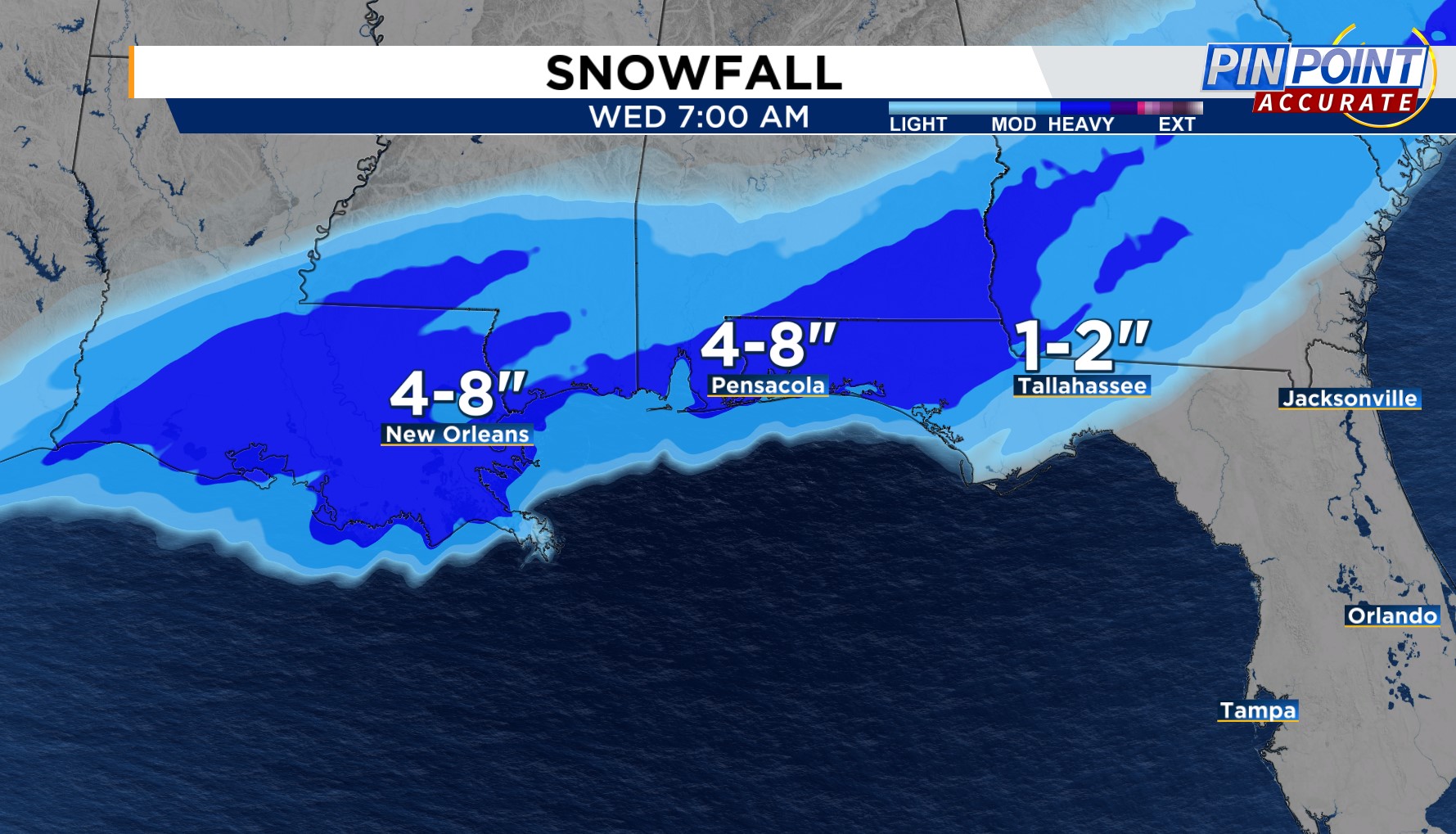
- January 3, 2018: Light snow and sleet briefly fell across parts of northern Florida, including Tallahassee, which saw its first measurable snowfall in nearly 30 years, amounting to a light dusting.
These historical anomalies underscore just how uncommon snowfall is. They are typically tied to powerful arctic air masses dipping unusually far south and converging with sufficient moisture, a confluence of events that rarely repeats itself year after year.
Meteorological Factors and the Likelihood of Snow
The question of whether it will snow in Florida is fundamentally a meteorological one, hinging on a precise alignment of atmospheric conditions that are exceedingly rare for the region. Understanding these factors provides insight into why snow is such an infrequent visitor to the Sunshine State.
The Critical Temperature Threshold
For snow to fall, the air temperature must be at or below 32°F (0°C) not just at the ground, but crucially, throughout the entire atmospheric column from the clouds down to the surface. Even if ground temperatures drop below freezing, rain can still occur if the air higher up is warmer, causing snowflakes to melt before reaching the earth. Conversely, if the air aloft is cold enough for snow but the surface temperature is above freezing, the snow may melt on contact, appearing as sleet or rain. Florida’s average winter temperatures, particularly in central and southern regions, rarely sustain these freezing conditions across the necessary atmospheric depth.
Moisture and Cold Fronts
Snow requires moisture. Florida certainly has ample moisture, especially due to its peninsular geography surrounded by warm ocean waters. However, this moisture often arrives with frontal systems that are not cold enough to produce snow. The type of cold front needed to bring snow to Florida must originate from a deep, arctic air mass that sweeps down from the continental interior of North America. These powerful cold fronts can push significantly cold air into the state. The challenge, however, is that as these fronts travel south, they tend to modify, warming slightly as they pass over land and especially over the relatively warmer waters of the Gulf of Mexico and the Atlantic Ocean. For snow, the cold air must arrive simultaneously with sufficient moisture in a very narrow temperature window.
El Niño and La Niña Influence
Larger climate patterns, such as El Niño and La Niña, can influence winter weather patterns in Florida, though their direct correlation with snowfall is tenuous. During El Niño winters, Florida typically experiences cooler and wetter conditions. While “cooler” might seem to increase the odds of snow, it usually means lower average temperatures, not necessarily the extreme cold fronts required for snowfall. Conversely, La Niña winters tend to be warmer and drier. While these cycles can shift jet stream patterns and the trajectory of storm systems, the delicate balance needed for snow in Florida remains an outlier, making it highly improbable in any given year.
Beyond Snow: Experiencing Florida’s Winter Climate
For travelers wondering about snow, the practical reality is that a Florida winter offers a consistently pleasant escape from colder climates. Instead of bracing for blizzards, visitors can look forward to mild temperatures, abundant sunshine, and a plethora of outdoor activities that thrive in this comfortable environment. The allure of the Sunshine State in winter is precisely its lack of traditional winter weather, providing a unique set of travel experiences.
Ideal Conditions for Outdoor Exploration
Winter in Florida (generally from December to February) presents some of the most agreeable weather of the entire year. Average daytime temperatures range from the low 60s Fahrenheit in northern areas like Jacksonville to the mid-70s in southern locales such as Key West. The humidity is typically lower than in summer, making activities far more comfortable. This is prime time for exploring Florida’s extensive natural parks and wilderness areas. Everglades National Park, for instance, is at its best, with lower water levels concentrating wildlife, making sightings of alligators, wading birds, and panthers more common. Hiking, kayaking, and birdwatching become particularly enjoyable without the oppressive heat and humidity of warmer months.
Theme Park Perfection
For families and thrill-seekers, Florida’s world-renowned theme parks, primarily concentrated in Orlando, truly shine during the winter. Iconic attractions at Walt Disney World Resort and Universal Orlando Resort are more pleasant to explore when temperatures are moderate. Lines can still be long, especially around holiday periods, but standing in them is far more comfortable than in the summer heat. Many parks also host special holiday events and decorations through December, adding an extra layer of magic without the need for winter coats and gloves.
Coastal Charm and Cultural Exploration
The beaches remain a major draw, with many visitors enjoying sunbathing, swimming (though ocean temperatures might be cooler than in summer, they are still swimmable for many), and watersports. Historic cities like St. Augustine, the nation’s oldest continuously inhabited European-established settlement, offer charming street strolls, historical tours, and open-air dining without the intense summer sun. Cultural festivals and outdoor concerts are also more prevalent during the winter months, taking advantage of the favorable climate. Areas like Tampa and Sarasota also come alive with various events and outdoor markets.
Planning Your Florida Winter Getaway
Given the extremely low probability of snow, travelers to Florida during the winter months should pack for mild, pleasant weather, not for a frosty landscape. The key is layers, as mornings can be cool, especially in northern Florida, but afternoons often warm up considerably.
What to Pack
Essential items for a Florida winter trip include light jackets or sweaters for evenings and cooler mornings, swimsuits for the beach or heated pools, comfortable walking shoes for theme parks and city explorations, and sun protection like hats, sunglasses, and sunscreen. Even in winter, the Florida sun can be intense. For cooler northern regions or particularly cold snaps, a warmer coat might be advisable, but heavy winter gear will almost certainly be unnecessary.
Activities to Embrace
Embrace the unique opportunities that Florida’s winter climate provides.
- Beach Days: While not blistering hot, beaches offer serene walks, shelling, and often clearer waters.
- Wildlife Viewing: Manatees migrate to warmer spring waters and power plant discharge canals, making winter the best time for spotting these gentle giants at places like Blue Spring State Park or Crystal River. Bird migration also peaks.
- Golf and Outdoor Sports: With perfect temperatures, Florida’s numerous golf courses, tennis courts, and hiking trails are exceptionally enjoyable.
- Space Coast Exploration: A visit to Kennedy Space Center is always fascinating, and cooler temperatures make outdoor exhibits and rocket launches more comfortable to experience.
- Art and Festivals: Many outdoor art shows, music festivals, and food events take advantage of the delightful weather.
In conclusion, while the thought of snow in Florida makes for an intriguing question, the reality for travelers is a reliable winter escape characterized by warmth, sunshine, and boundless opportunities for outdoor enjoyment and exploration. Leave the snow boots at home and pack your sunscreen and a light jacket; Florida’s true winter magic lies in its glorious lack of snow.
LifeOutOfTheBox is a participant in the Amazon Services LLC Associates Program, an affiliate advertising program designed to provide a means for sites to earn advertising fees by advertising and linking to Amazon.com. Amazon, the Amazon logo, AmazonSupply, and the AmazonSupply logo are trademarks of Amazon.com, Inc. or its affiliates. As an Amazon Associate we earn affiliate commissions from qualifying purchases.