
For many visitors, the American alligator is an iconic symbol of Florida‘s wild and untamed natural beauty. These ancient reptiles are a captivating sight, drawing millions to the Sunshine State’s wetlands and waterways. However, their formidable presence often leads to questions about human interaction, specifically regarding the legality of harming these creatures. For tourists planning to explore Florida’s unique ecosystems, understanding the regulations surrounding alligators is not just a matter of law, but also of safety and responsible tourism.
Understanding Florida’s Alligator Regulations for Tourists
The short answer to whether it is illegal to kill alligators in Florida for the general public is a resounding “yes.” Alligators are a protected species in Florida, meaning their populations are managed and protected by state law. Unauthorized killing or harassing of alligators is strictly prohibited and carries significant penalties, including fines and imprisonment. This legal framework is in place to conserve the species, which was once endangered, and to ensure the safety of both humans and wildlife.
The Protected Status of Alligators
Historically, American alligators faced severe population decline due to overhunting in the 20th century. Recognizing their ecological importance and vulnerability, they were listed as an endangered species in 1967. Thanks to concerted conservation efforts, their populations rebounded dramatically, leading to their removal from the endangered species list in 1987. Today, they are classified as a “species of special concern” and are managed under strict state regulations overseen by the Florida Fish and Wildlife Conservation Commission (FWC). This protection ensures that alligators continue to thrive in their natural habitats, contributing to the rich biodiversity that draws so many tourists to Florida. For any tourist, this means admiring them from a distance is the only legal and ethical interaction.
General Prohibition Against Killing
The core principle of Florida’s alligator management program is the prohibition of unauthorized taking. This means that an average person, including tourists, cannot legally hunt, kill, or harass an alligator without specific permits and licenses. The law is designed to prevent casual harm and maintain the delicate balance of the ecosystem. Tourists encountering an alligator in the wild should never approach, feed, or provoke the animal. Such actions are not only illegal but also extremely dangerous, as alligators can be unpredictable and aggressive when provoked, or when they associate humans with food. Educating oneself on these regulations is a crucial step in ensuring a safe and responsible tourism experience in Florida’s natural environments.
Permitted Alligator Activities and Viewing Opportunities
While the general killing of alligators is illegal, there are specific, highly regulated activities that involve alligators, and numerous opportunities for safe and ethical viewing. These activities are carefully managed to ensure both public safety and the continued conservation of alligator populations. Tourists can engage with Florida’s iconic reptiles in several ways that adhere to state laws and promote a deeper understanding of these magnificent creatures.
Florida’s Alligator Hunting Season: A Regulated Activity
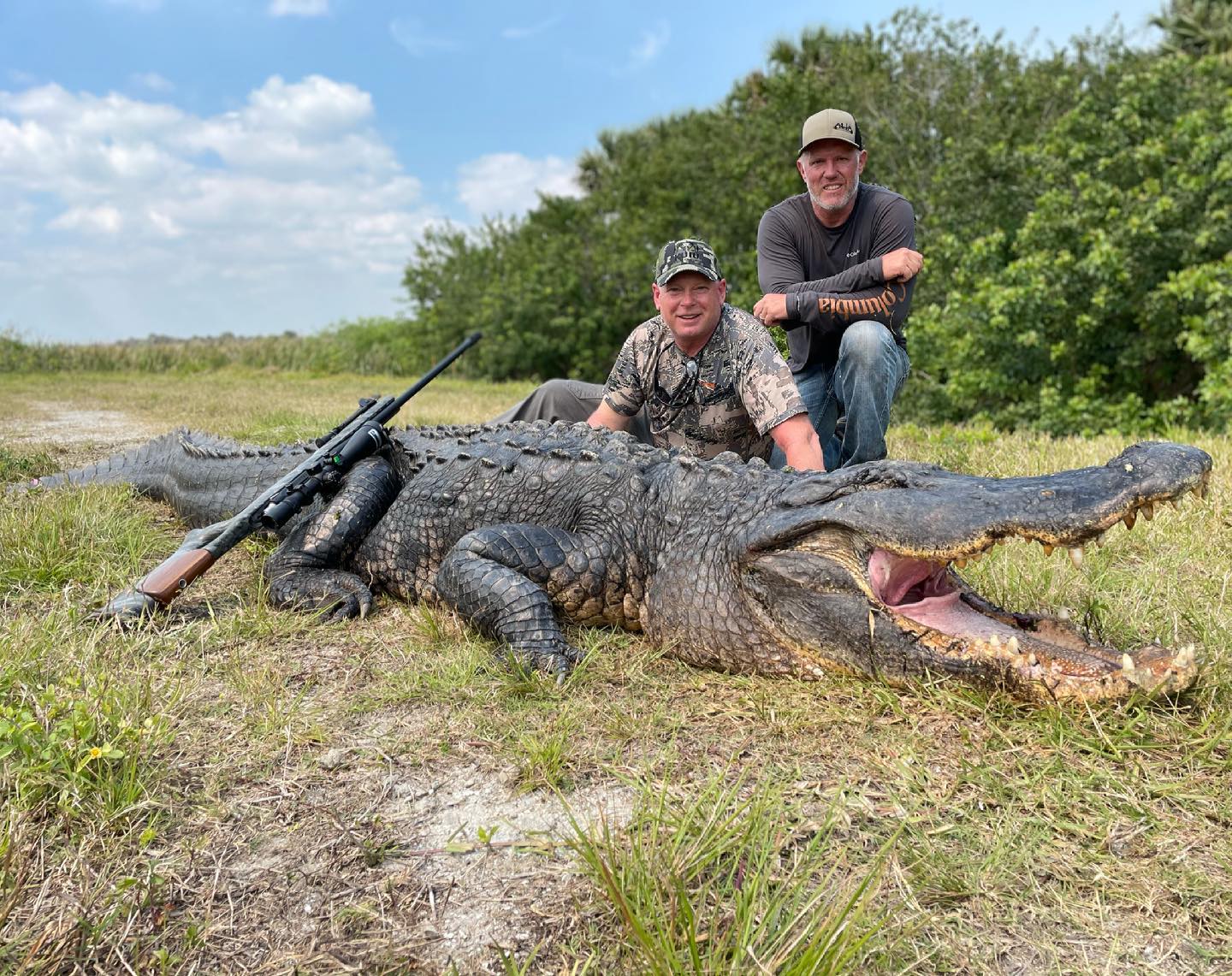
Paradoxically, despite their protected status, Florida does have a highly regulated public alligator hunting season. This program is not for casual tourists but is a carefully controlled management tool used by the FWC to manage alligator populations and mitigate nuisance alligator issues. The season typically runs from August 15 to November 1, and participants must obtain special permits through a lottery system. This limited hunting helps maintain healthy alligator numbers, preventing overpopulation in certain areas that could lead to increased conflicts with humans or an imbalance in the ecosystem. It’s crucial for tourists to understand that this is a specialized activity, far removed from spontaneous or unregulated hunting, and requires significant preparation and legal compliance.
What Tourists Need to Know About Hunting Licenses
For the vast majority of tourists, alligator hunting is not an accessible activity. Obtaining a permit is highly competitive, and the process involves applying for specific harvest areas and fulfilling educational requirements. Non-residents can apply, but the complexity and specialized nature of the hunt mean it’s typically undertaken by experienced individuals or those guided by licensed professionals. Tourists seeking an “alligator experience” should instead focus on viewing opportunities that do not involve harming the animals. Participating in unregulated hunting or poaching carries severe legal consequences, including hefty fines and potential jail time, irrespective of one’s resident status.
The Role of Trappers in Nuisance Alligator Management
Another instance where alligators are legally removed from the wild is through the FWC’s Statewide Alligator Nuisance Alligator Program. If an alligator is deemed a “nuisance” – typically because it is at least four feet long and poses a threat to people, pets, or property – the FWC dispatches licensed nuisance alligator trappers. These trappers are authorized to capture and, in most cases, humanely euthanize the alligator, as relocation often isn’t a viable option due to the alligator’s tendency to return to its capture site or to cause problems in a new area. This program ensures public safety while responsibly managing alligator populations. Tourists should never attempt to handle a nuisance alligator themselves but should instead report it to the FWC.
Safe and Ethical Alligator Viewing
For most tourists, the safest, most enjoyable, and entirely legal way to experience Florida’s alligators is through dedicated viewing opportunities. There are numerous parks, preserves, and attractions designed to offer close-up encounters in a controlled environment or safe observation in the wild.
Popular Alligator Attractions
Several renowned attractions across Florida offer exceptional alligator viewing experiences. Gatorland in Orlando, known as the “Alligator Capital of the World,” provides educational shows, a breeding marsh, and even a “Gator Jumparoo” show. The St. Augustine Alligator Farm Zoological Park is another excellent destination, featuring every species of crocodilian in the world. These facilities often play a crucial role in conservation, research, and public education, providing tourists with an engaging and informative experience that respects the animals.

Wildlife Tours and Airboat Rides
For those seeking to see alligators in their natural habitat, wildlife tours and airboat rides are immensely popular. Locations like Everglades National Park in South Florida, Myakka River State Park near Sarasota on the Gulf Coast, and Wakulla Springs State Park in North Florida offer guided experiences where visitors can observe alligators, often alongside other native wildlife like wading birds and turtles. These tours are typically led by experienced guides who understand alligator behavior and ensure visitors maintain a safe and respectful distance, offering invaluable insights into the ecosystem. Taking such a tour is not only thrilling but also contributes to the local economy and conservation efforts.
Coexisting with Alligators: Safety Tips for Visitors
While alligators are fascinating creatures, it’s vital for tourists to remember that they are wild predators. Understanding and adhering to safety guidelines is paramount for anyone visiting Florida’s natural areas. Responsible tourism hinges on respecting wildlife and their habitats, ensuring both human safety and the well-being of the animals.
Maintaining a Safe Distance
The most fundamental rule when encountering an alligator is to keep a safe distance. Alligators can move surprisingly fast on land, and their powerful jaws are exceptionally dangerous. The FWC recommends maintaining at least 30 feet (about 9 meters) from an alligator. Never approach one, even if it appears docile or small. Tourists should use binoculars or telephoto lenses for photography rather than attempting to get closer. Observing them from designated viewing platforms or the safety of a boat is always the best practice.
Never Feed Alligators
Feeding alligators is not only illegal but also extremely dangerous. When alligators are fed by humans, they lose their natural fear of people and begin to associate humans with food. This habituation is detrimental to both humans and alligators. A fed alligator is more likely to approach people, leading to potential conflicts and, ultimately, the alligator having to be removed and possibly euthanized. Responsible tourists should always refrain from feeding any wild animal, especially predators like alligators. Dispose of food waste properly and never feed other wildlife near water, as this can attract alligators.
Be Aware in and Around Water
Alligators are most commonly found in freshwater environments, including lakes, ponds, rivers, canals, and even retention ditches. They can also tolerate brackish water. When near any body of water in Florida, assume an alligator might be present.
- Swim only in designated swimming areas during daylight hours. Alligators are most active at dawn, dusk, and night.
- Do not swim or wade in waters known to have alligators. Pay attention to warning signs.
- Avoid swimming in murky waters where visibility is poor.
- Never let small children or pets play unattended near the water’s edge.
Protecting Pets
Pets are particularly vulnerable to alligator attacks. They resemble the natural prey of alligators and their curiosity can put them at risk.
- Keep pets on a leash and away from the water’s edge.
- Never allow pets to swim or drink water from ponds, lakes, or canals where alligators may be present.
- Do not leave pets unattended in yards or near water.
By following these simple yet critical safety guidelines, tourists can enjoy the marvel of Florida’s alligators responsibly and ensure a memorable visit for all the right reasons.
The Cultural and Ecological Significance of Alligators in Florida Tourism
Alligators are more than just a wildlife attraction; they are an integral part of Florida’s identity, culture, and ecological health. Their presence significantly shapes the tourism landscape, offering unique experiences that cannot be found elsewhere. Understanding their broader impact enriches the visitor experience and highlights the importance of their continued protection.
Alligators as a Keystone Species
In their wetland habitats, alligators are considered a keystone species. This means they play a disproportionately large role in maintaining the structure and function of their ecosystem. During dry seasons, alligators dig “gator holes” which retain water, providing crucial refuges for fish, insects, crustaceans, and other wildlife. These holes also create microhabitats that increase biodiversity. Furthermore, as apex predators, alligators help regulate the populations of various prey species, ensuring ecosystem health. For tourists, witnessing an alligator in its natural role offers a glimpse into the complex and interconnected web of life in Florida’s swamps and marshes, particularly in expansive areas like the Everglades National Park which is a major draw for eco-tourism.
Economic Impact of Alligator Tourism
The allure of alligators translates into significant economic benefits for Florida’s tourism industry. Attractions like Gatorland and the St. Augustine Alligator Farm Zoological Park, along with numerous airboat tours in Kissimmee, Miami, and Tampa and other parts of Florida, generate jobs, support local businesses, and contribute to state revenue. Visitors are willing to pay for guided tours, educational exhibits, and the chance to safely observe these incredible reptiles. This economic incentive reinforces the importance of sustainable alligator management and conservation efforts, ensuring that these iconic animals continue to thrive and draw tourists for generations to come.

Educational Opportunities for Tourists
Beyond entertainment, alligator-focused tourism offers invaluable educational opportunities. Through guided tours, wildlife centers, and park ranger programs, tourists can learn about alligator biology, behavior, and their critical role in the environment. This understanding fosters appreciation and promotes responsible wildlife viewing practices. Many facilities, such as the visitor centers within the Everglades National Park or Big Cypress National Preserve, provide detailed information and interpretive programs. Such educational outreach is vital in dispelling myths, reducing human-wildlife conflicts, and instilling a conservation ethic in visitors from around the world who come to experience the unique wild heart of Florida.
LifeOutOfTheBox is a participant in the Amazon Services LLC Associates Program, an affiliate advertising program designed to provide a means for sites to earn advertising fees by advertising and linking to Amazon.com. Amazon, the Amazon logo, AmazonSupply, and the AmazonSupply logo are trademarks of Amazon.com, Inc. or its affiliates. As an Amazon Associate we earn affiliate commissions from qualifying purchases.