
Florida’s sun-drenched beaches beckon millions of travelers each year, promising crystal-clear waters, soft sands, and unforgettable experiences. However, the dynamic nature of coastal environments means that conditions can change rapidly, prompting a natural and crucial question for any prospective visitor: “Is it safe to swim in Florida beaches right now?” Understanding the factors that influence beach safety and knowing how to access up-to-date information is paramount for a responsible and enjoyable Florida beach vacation. This guide aims to equip travelers with the insights needed to make informed decisions about their swimming plans.

Understanding Florida’s Dynamic Coastal Environment
Florida’s extensive coastline is a vibrant ecosystem, constantly shaped by natural phenomena. While generally safe and inviting, certain environmental factors can pose risks to swimmers. Awareness of these elements is the first step in ensuring a safe beach experience.
The Phenomenon of Red Tide
Perhaps the most publicized concern for Florida beachgoers is the presence of Red Tide, a harmful algal bloom caused by the microscopic organism Karenia brevis. Red Tide produces toxins that can irritate the respiratory system, especially for those with asthma or other breathing conditions, and can cause skin irritation or eye burning upon contact with affected water. While generally not life-threatening to humans, it can lead to massive fish kills, affecting the aesthetic and ecological health of the beaches. The severity and location of Red Tide can vary significantly, often impacting the Gulf Coast more frequently than the Atlantic, but it’s crucial to check current advisories.
Harmful Algal Blooms (HABs) Beyond Red Tide
While Karenia brevis causes Red Tide, other forms of harmful algal blooms can occur, particularly in freshwater or brackish environments that sometimes connect to coastal areas. Blue-green algae, for example, is more common in inland lakes and rivers but can occasionally affect estuaries or lagoons. These blooms can also produce toxins harmful to humans and animals. Travelers should be mindful of water color and clarity, especially in areas where freshwater runoff might meet the ocean.
The Ever-Present Threat of Rip Currents
Rip currents are powerful, narrow channels of fast-moving water that pull swimmers away from shore. They are a significant hazard on all coastlines, including Florida’s beaches, and are responsible for a majority of lifeguard rescues. Understanding how to identify a rip current (a channel of churning, choppy water; a line of foam, seaweed, or debris moving steadily seaward; or a break in the incoming wave pattern) and, more importantly, how to react if caught in one (stay calm, don’t fight the current, swim parallel to the shore until free of the current, then swim to shore) is vital. Lifeguards often post warnings and demonstrate safe swimming practices.
Marine Life Encounters: Sharks, Jellyfish, and More
Florida’s waters are teeming with diverse marine life. While encounters with dangerous creatures are rare, it’s wise to be aware. Sharks are present in all ocean waters, but incidents are uncommon. Swimmers can minimize risk by avoiding swimming at dawn, dusk, or night; not wearing shiny jewelry; and staying out of areas with active fishing or where baitfish are abundant. Jellyfish stings are more common but usually not serious, though some species, like the Portuguese Man o’ War, can deliver painful stings. Stingrays often bury themselves in shallow sandy areas, and shuffling your feet (the “stingray shuffle”) can help avoid stepping on them. Always observe posted warnings and ask lifeguards about recent marine life sightings.
Weather Watch: Thunderstorms and Hurricanes
Florida is known for its beautiful sunny weather, but sudden afternoon thunderstorms are a common occurrence, especially during the summer months. Lightning is a serious threat, and swimmers should always exit the water immediately at the first sign of thunder or lightning. During hurricane season (June 1st to November 30th), tropical storms and hurricanes can bring dangerous surf conditions, strong currents, and coastal flooding, making swimming incredibly dangerous. Travelers planning trips during this period should closely monitor weather forecasts and heed all evacuation orders or advisories.
Current Conditions: What to Monitor Before You Go
Given the variable nature of coastal conditions, travelers must proactively check the safety status of their chosen Florida beach. Relying on real-time, official sources is crucial.
Official State Resources
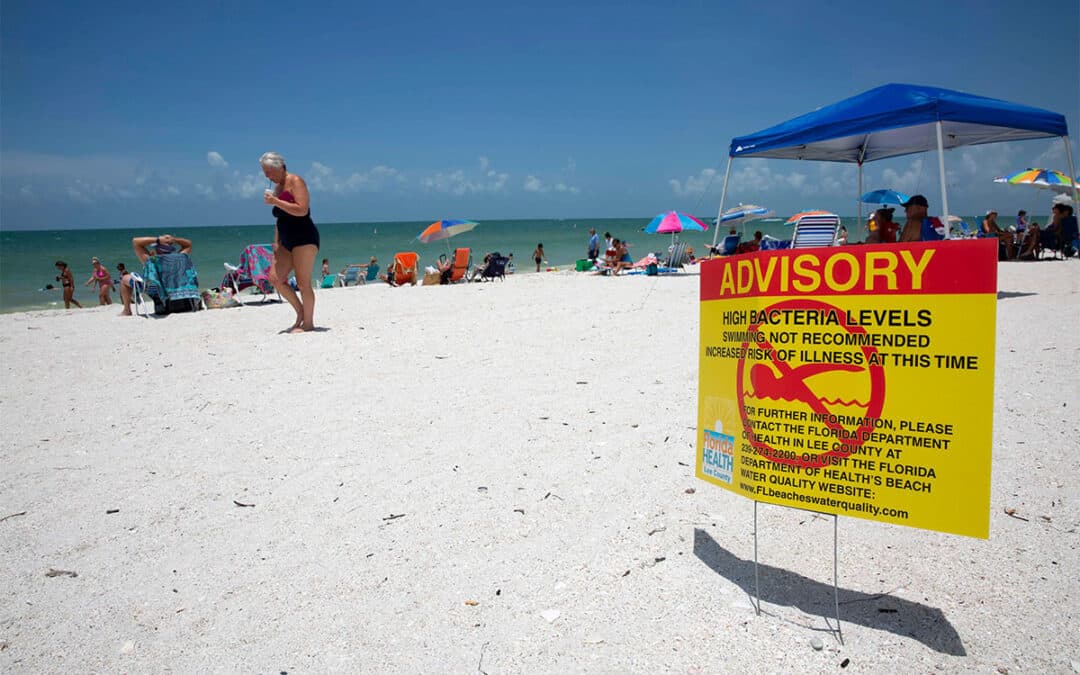
The Florida Department of Health (FDOH) operates the Florida Healthy Beaches Program, which regularly monitors water quality for enterococci bacteria, an indicator of fecal pollution. Advisories are issued if bacterial levels exceed safe limits. Similarly, the Florida Fish and Wildlife Conservation Commission (FWC) provides comprehensive and up-to-date information on Red Tide conditions, including maps, sampling results, and forecasts. These state-level resources are the most reliable for broad coastal health information.
Local Beach Advisories and Flag Systems
Upon arrival at any Florida beach, always look for the beach flag warning system. This universal system provides immediate visual cues about current water conditions:
- Green Flag: Low hazard; calm conditions.
- Yellow Flag: Medium hazard; moderate surf and/or currents.
- Red Flag: High hazard; strong surf and/or currents.
- Double Red Flag: Water closed to the public.
- Purple Flag: Dangerous marine life present (e.g., jellyfish, stingrays).
These flags are updated daily by lifeguards or park officials and reflect localized, real-time conditions, including rip current risks and marine life. Ignoring them can be extremely dangerous.
Real-Time Apps and Weather Forecasts
Beyond official websites and flags, several reputable weather apps and websites provide localized marine forecasts, surf conditions, and lightning strike warnings. Apps like NOAA Weather, Surfline, or local news weather services can offer additional layers of information, helping travelers make minute-by-minute decisions about when and where to swim. Always cross-reference information with official sources and local beach advisories.
Essential Safety Practices for Florida Swimmers
Even when conditions appear favorable, adopting a proactive safety mindset is key to a worry-free beach day in Florida.
Heed the Flags and Lifeguard Warnings
This cannot be overstated. Lifeguards are trained professionals with an intimate understanding of local conditions. They are your best resource for safety advice. If a beach is closed or a warning is issued, there’s a serious reason for it. Respecting these warnings is non-negotiable for your safety and the safety of those who may attempt to rescue you.
Swim with a Buddy and Know Your Limits
Never swim alone, especially in unfamiliar waters or strong surf. A swimming buddy can provide assistance or call for help if needed. Be realistic about your swimming ability. If you’re not a strong swimmer, stay in shallow water or areas supervised by lifeguards. Avoid alcohol consumption before and during swimming, as it impairs judgment and physical coordination.
Protect Yourself from the Elements
The Florida sun is powerful. Apply broad-spectrum sunscreen with a high SPF regularly, wear a wide-brimmed hat, and seek shade during peak sun hours (10 AM to 4 PM). Stay hydrated by drinking plenty of water, especially on hot days. Thunderstorms can develop quickly; if you hear thunder, “When thunder roars, go indoors!” – seek shelter immediately, preferably a sturdy building or your car, not a beach umbrella.
Respect Wildlife and Their Habitats
Observe marine life from a distance. Do not touch or feed wildlife, as it can be dangerous for both you and the animals. Be mindful of nesting sea turtles during nesting season (May to October); avoid disturbing nests or hatchlings. Adhering to these guidelines helps preserve Florida’s natural beauty for everyone.
Making Informed Travel Decisions for Your Florida Beach Vacation
Ultimately, the decision to swim rests with the individual traveler. By combining diligent research with on-site observation and adherence to safety protocols, you can significantly enhance your Florida beach experience.
Flexibility and Alternative Activities
If conditions are unsafe for swimming, Florida offers a wealth of alternative activities. Explore state parks, visit local museums, enjoy dining, or shop. Many beaches are still enjoyable for sunbathing, shelling, or walking, even when swimming is advised against. Having a backup plan ensures your trip remains fulfilling, regardless of water conditions. For instance, if Clearwater Beach has a Red Tide advisory, perhaps exploring the Ringling Museum in nearby Sarasota or the Dali Museum in St. Petersburg could be an option, or heading east to a beach on the Atlantic coast like Miami Beach if conditions allow.
Consulting Local Experts
Don’t hesitate to engage with local experts. Hotel staff, dive shop operators, fishing charter captains, and tourism office personnel often have valuable insights into specific local conditions that might not be readily available online. Their local knowledge can be invaluable for making real-time safety assessments and finding the best spots.

Prioritizing Health and Safety
The overarching principle for any travel experience, especially one involving natural elements, should be the prioritization of health and safety. While the desire to swim in Florida’s beautiful waters is strong, it should never come at the expense of well-being. By staying informed, observant, and cautious, travelers can enjoy the best of what Florida beaches have to offer, safely and responsibly.
LifeOutOfTheBox is a participant in the Amazon Services LLC Associates Program, an affiliate advertising program designed to provide a means for sites to earn advertising fees by advertising and linking to Amazon.com. Amazon, the Amazon logo, AmazonSupply, and the AmazonSupply logo are trademarks of Amazon.com, Inc. or its affiliates. As an Amazon Associate we earn affiliate commissions from qualifying purchases.