
Florida, often dubbed the “Sunshine State,” thrives on its vibrant tourism industry, drawing millions of visitors annually to its pristine beaches, world-class theme parks, and diverse cultural experiences. For anyone engaging with Florida’s tourism sector, whether as a traveler enjoying services or as a business providing them, understanding the nuances of labor taxation is crucial. While the concept of “labor” itself isn’t directly taxed in the same way goods are, the income earned from labor and the services derived from it are subject to various tax obligations that significantly influence the cost and operation of tourism services across the state. These taxes impact everything from the price of a guided tour in the Everglades to the cost of a concierge service at a Miami Beach resort.

Understanding Florida’s Tax Landscape for Tourism Services
Florida is well-known for not having a state income tax, which is a significant factor for individuals residing and working in the state, including the substantial workforce powering its tourism sector. This absence, however, does not mean labor or services are entirely untaxed. Instead, the state and various local jurisdictions impose other taxes that impact the cost of labor-intensive tourism services, often passed on to the consumer.
The Basics of Sales Tax and Service Charges
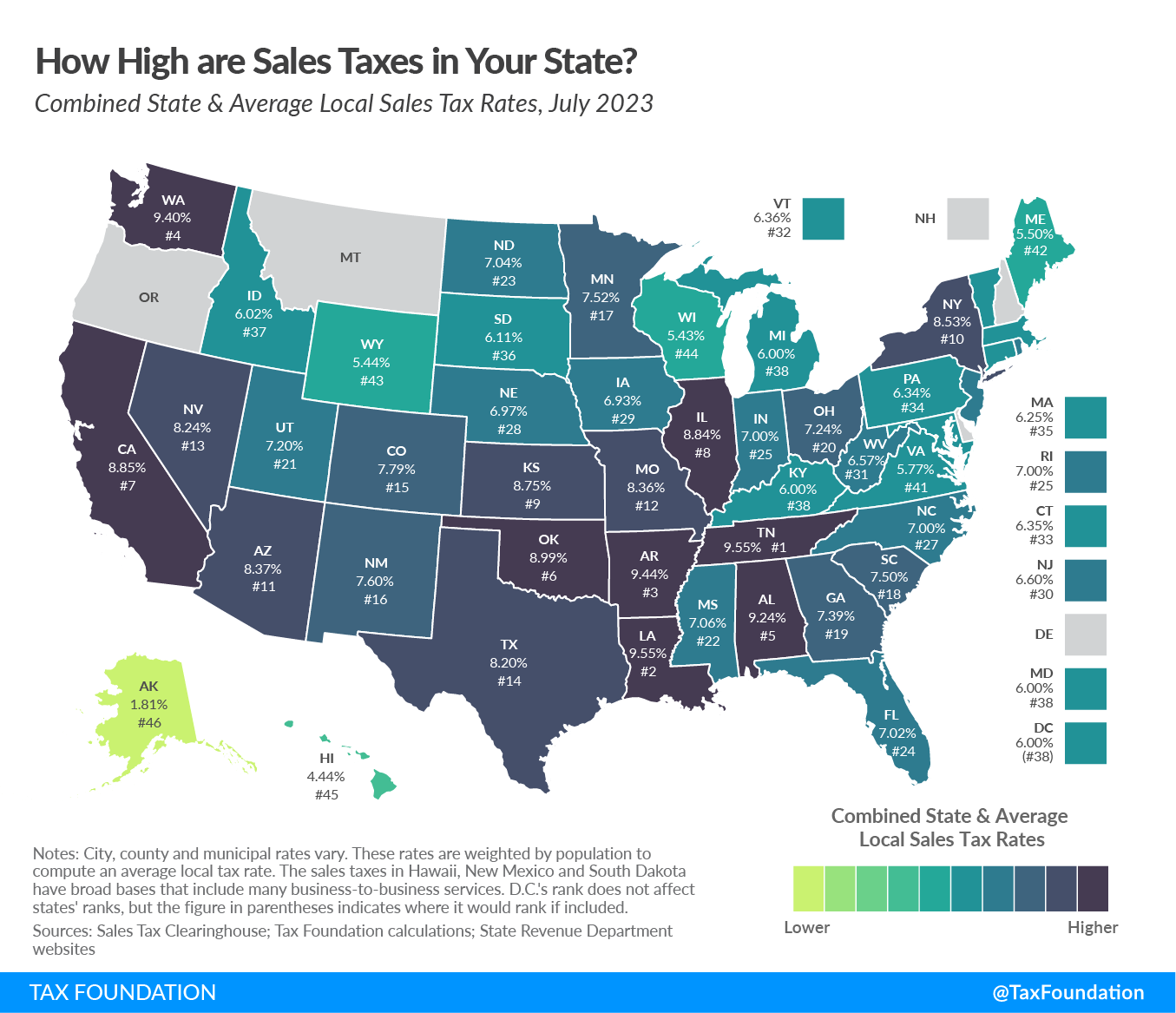
In Florida, a statewide sales tax of 6% applies to most goods and certain services. While pure labor, in the form of wages or salaries, is not directly subject to sales tax, services that are part of a taxable transaction often are. For instance, if you purchase a package tour that includes transportation, guide services, and entrance fees to an attraction, the entire package price is generally subject to sales tax. This is because the labor component is integrated into the delivery of a taxable service or good.
Many tourism businesses, particularly in hospitality, also include mandatory service charges. These charges are often applied to hotel rooms, banquet services, or large dining parties. If a service charge is mandatory and collected by the business, it typically becomes part of the total taxable amount subject to sales tax. This means that a portion of what might be considered “labor cost” (as the service charge often goes towards staff wages or tips) effectively becomes taxable in the eyes of the state. It’s a critical distinction for travelers to understand, as a 20% service charge on a meal could also incur sales tax, subtly increasing the final bill.
Independent Contractors vs. Employees in the Tourism Sector
The classification of workers significantly impacts tax obligations for tourism businesses in Florida. The state’s vibrant gig economy, particularly prevalent in tourism, sees many individuals operating as independent contractors rather than traditional employees. Think of freelance tour guides, local activity instructors, or specialized event planners.
For employees, businesses are responsible for withholding federal income tax, Social Security, and Medicare taxes from their wages and also paying their share of these taxes (FICA taxes) and federal unemployment tax. While Florida doesn’t have a state income tax, businesses still remit these federal taxes, which represent a significant cost tied to labor.
For independent contractors, businesses do not withhold these taxes. Instead, the contractor is responsible for paying self-employment taxes (which cover Social Security and Medicare) and estimated federal income taxes directly to the IRS. From the business’s perspective, this can reduce the direct payroll tax burden, but the cost of the contractor’s “labor” is still an expense that can be passed on to the consumer as part of the service fee. This distinction is vital in areas like Orlando with its extensive freelance network supporting theme park events and guest services, or in Key West where independent charter captains offer bespoke fishing expeditions. The way these services are priced reflects the underlying tax structure applied to the labor involved.
Impact on Tourist Activities and Experiences
The various tax treatments of labor in Florida ripple through nearly every aspect of the tourist experience, from booking a thrilling airboat ride to dining at a fine restaurant in St. Augustine. Understanding these impacts can help travelers budget more effectively and appreciate the factors influencing service pricing.
Guided Tours and Excursions
Whether you’re exploring the historic streets of Miami‘s Art Deco Historic District with a local historian or embarking on a fishing charter off the coast of Tampa, guided tours and excursions are a cornerstone of Florida tourism. The labor involved in providing these experiences – the expertise of the guide, the preparation of equipment, the coordination of logistics – is significant.
When booking a tour, the price typically includes the cost of this labor. As established, if the tour is considered a taxable service, the entire fee, including the labor component, will be subject to Florida sales tax. For instance, a sightseeing boat tour company operating out of Fort Lauderdale would charge sales tax on the ticket price. If the guides are employees, their wages are subject to federal payroll taxes, which are factored into the tour operator’s overhead and, subsequently, the ticket price. If they are independent contractors, their fees contribute to the overall cost. In either scenario, the consumer ultimately bears these underlying labor-related costs through the price of the experience.
Hospitality Staff and Gratuities
The hospitality sector, encompassing hotels, resorts, restaurants, and bars, relies heavily on a dedicated workforce. From the concierge at the Breakers Palm Beach to the server at a casual beachfront eatery, their labor is integral to the guest experience.
Gratuities, or tips, are a common form of compensation for many hospitality workers. In Florida, tips freely given by customers are generally not subject to sales tax, as they are not considered part of the sales price of the goods or services provided. However, tips are considered taxable income for the employee and must be reported to the IRS. For large parties or certain services where a mandatory service charge is added to the bill, this charge is subject to sales tax, as discussed earlier. This distinction is crucial for travelers to recognize when reviewing their bill and deciding on additional gratuity. The underlying cost of labor for hotel staff (wages, payroll taxes) is incorporated into room rates and resort fees, which themselves are subject to sales tax and often local tourist development taxes.
Entertainment and Event Services
Florida hosts countless festivals, concerts, and sporting events, particularly in major hubs like Orlando and Miami. The labor behind these events – performers, technicians, event organizers, security personnel – forms a massive, often temporary, workforce.
Tickets for entertainment events are generally subject to Florida sales tax. The price of the ticket inherently includes the cost of the labor involved in creating and delivering the entertainment. For a concert at the Amway Center in Orlando, for instance, the ticket price covers not only venue costs but also the labor of the artists, their crew, and the venue staff, with sales tax applied to the final amount. The employment status of these workers (employees vs. independent contractors) will determine how their income is taxed federally, and how businesses manage their payroll obligations, but these costs are invariably embedded in the consumer price.
Navigating Costs: What Tourists Should Know
For visitors planning a trip to Florida, understanding how labor taxation influences pricing can lead to a more informed and budget-friendly experience. It’s not just about the sticker price, but the various layers of charges that comprise the final cost.
Hidden Fees vs. Transparent Pricing
One of the challenges for travelers is distinguishing between advertised prices and the final cost after taxes and fees. While “labor” itself isn’t a line-item tax, its cost is integrated and then subjected to other taxes. Resort fees, for example, are common in Florida and cover a range of amenities and services, many of which are labor-intensive (e.g., concierge services, bellhops, pool attendants). These fees are almost always subject to sales tax and often to local tourist development taxes as well.
To avoid surprises, travelers should always inquire about all-inclusive pricing, including sales tax, resort fees, and any mandatory service charges, especially when booking hotels or major activity packages. Many online travel agencies and direct booking sites now aim for greater transparency, but a quick confirmation call can clarify any ambiguities regarding how various labor-related service costs are taxed.
The Role of Local Ordinances and Tourist Development Taxes
Beyond the state’s sales tax, local governments in Florida have the authority to levy additional taxes, most notably the Tourist Development Tax (TDT), also known as the “bed tax” or “resort tax.” This tax is applied to the rental amount of transient accommodations, which includes hotels, motels, vacation rentals, and even some campgrounds. While it’s primarily levied on the rental of the accommodation, the cost of labor involved in maintaining and servicing these accommodations is built into the rental price, making the TDT indirectly related to labor costs.
Counties like Orange County (home to Orlando’s major theme parks) and Miami-Dade County (encompassing Miami and Miami Beach) often have significant TDT rates, adding several percentage points to the cost of a stay. These taxes fund tourism promotion, beach renourishment, and cultural facilities, all of which indirectly support the tourism workforce and infrastructure. Understanding that these local taxes layer on top of sales tax can help tourists budget for the actual cost of their stay.
Economic Implications for Florida’s Tourism Industry
The taxation framework surrounding labor and services in Florida has profound economic implications, shaping the industry’s competitiveness, employment trends, and sustainability.
Sustaining Jobs and Local Economies
Despite the various taxes and fees, Florida’s tax-friendly environment (no state income tax) makes it an attractive place for businesses and workers in the tourism sector. The revenue generated from sales taxes and TDTs is reinvested in infrastructure, marketing, and public services that directly benefit the tourism industry, indirectly supporting countless jobs. From the hotel managers in Naples to the theme park performers in Orlando, robust tourism tax revenues help sustain the ecosystem that provides their employment. The cyclical nature means that tourists pay taxes that help fund the very attractions and services they come to enjoy, creating a self-sustaining economic model.
Challenges for Small Businesses and Start-ups
While large resorts and theme parks have sophisticated accounting and legal departments to navigate tax complexities, small businesses and start-ups in the tourism sector often face challenges. Understanding the distinctions between employee payroll taxes and independent contractor obligations, coupled with the proper application of sales tax to varied services, can be daunting. A small eco-tour operator in the Florida Keys, for instance, must meticulously track income, expenses, and tax liabilities for its guides and boat captains, ensuring compliance with both state sales tax and federal payroll regulations. Missteps can lead to penalties, impacting the viability of these often unique and authentic tourist experiences.
Future Trends in Tourism Taxation
The landscape of labor and service taxation in Florida’s tourism industry is dynamic. As digital platforms continue to disrupt traditional service models (e.g., peer-to-peer vacation rentals, on-demand tour guides), state and local governments are constantly reevaluating tax policies to ensure fairness and revenue generation. Discussions around expanding sales tax to more services, or adjusting TDT rates, are ongoing. These potential changes could further impact the cost of labor within the tourism sector and, by extension, the overall cost of a Florida vacation. Staying informed about these trends is not just for businesses, but also for the savvy traveler looking to anticipate future travel expenses.
In conclusion, while “labor” itself is not directly taxed as a commodity in Florida, the income derived from it and the services it produces are subject to a complex web of sales taxes, local levies, and federal payroll taxes. These mechanisms collectively influence the pricing of virtually every tourism activity and experience, making it an essential consideration for anyone engaging with the Sunshine State’s thriving visitor economy.
LifeOutOfTheBox is a participant in the Amazon Services LLC Associates Program, an affiliate advertising program designed to provide a means for sites to earn advertising fees by advertising and linking to Amazon.com. Amazon, the Amazon logo, AmazonSupply, and the AmazonSupply logo are trademarks of Amazon.com, Inc. or its affiliates. As an Amazon Associate we earn affiliate commissions from qualifying purchases.