
For millions of travelers planning their dream vacation to Orlando, the vibrant heart of Florida, practical considerations often include more than just theme park tickets and hotel bookings. Among the essential questions that often arise, especially for those concerned with health and well-being, is the safety and quality of the local tap water. Understanding what flows from the faucet can significantly enhance a tourist’s peace of mind, allowing them to focus on creating unforgettable memories rather than worrying about hydration.
Understanding Orlando’s Water Quality for Tourists
When visiting a new destination, understanding the local infrastructure, especially regarding public health services like water provision, is paramount. Orlando is a major metropolitan area with sophisticated systems designed to provide safe and reliable services to its residents and the vast influx of tourists it welcomes annually.

The Source of Orlando’s Water
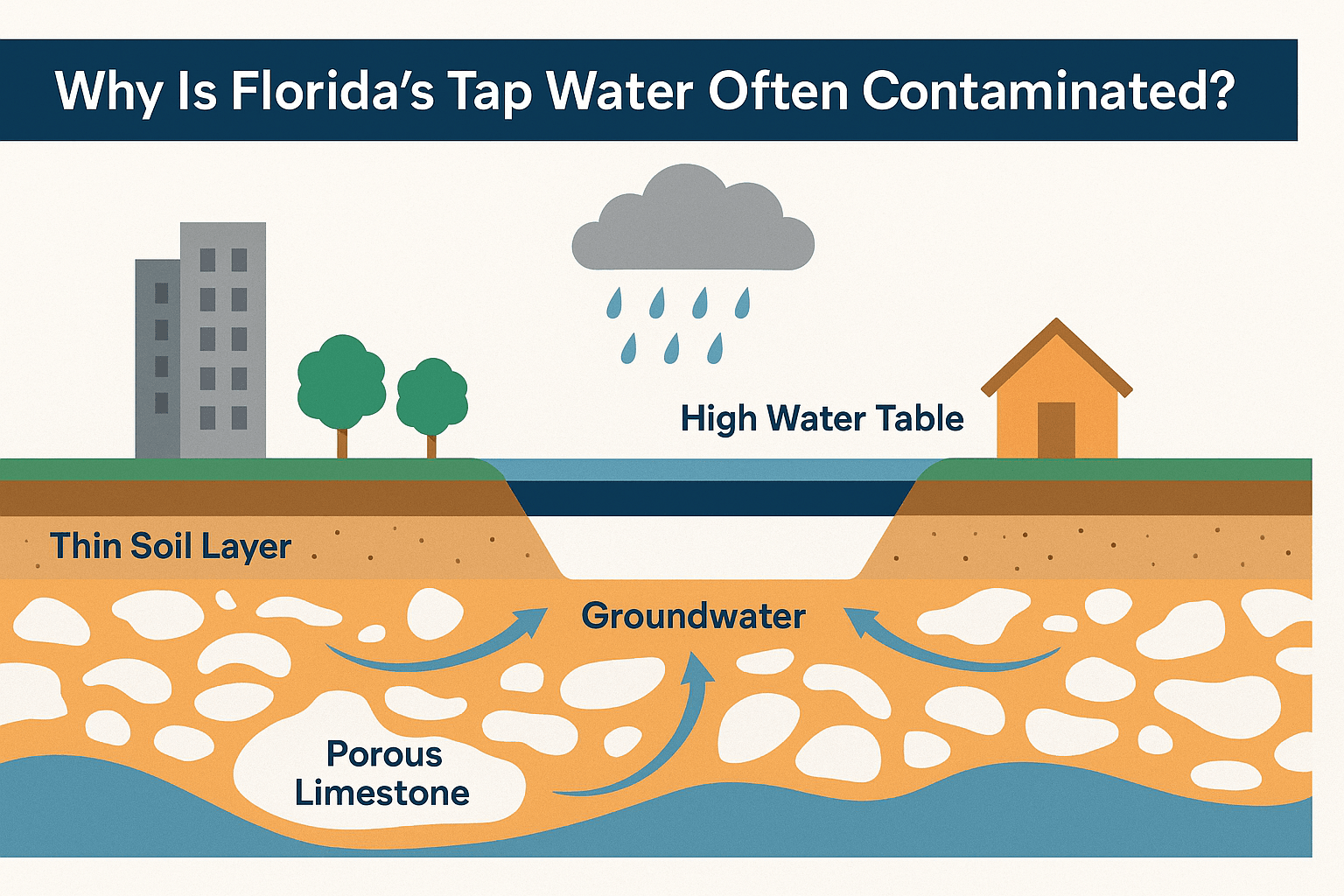
The primary source of drinking water for Orlando and much of Central Florida is the Floridan Aquifer. This massive underground reservoir, one of the most productive aquifers in the world, holds immense quantities of high-quality groundwater. Tapped through deep wells, this water is naturally filtered by layers of limestone, providing an excellent starting point for public water systems. The pristine nature of this source is a significant advantage, reducing the need for extensive initial treatment compared to surface water sources often found in other regions. Local entities such as the Orlando Utilities Commission (OUC) and Orange County Utilities manage the extraction and distribution of this water, ensuring it meets rigorous standards before it reaches homes and hotels.
Regulatory Oversight and Standards
The safety of public drinking water in the United States is governed by stringent regulations set forth by the Environmental Protection Agency (EPA) under the Safe Drinking Water Act. This federal legislation mandates specific standards for over 90 contaminants, including bacteria, viruses, pesticides, and heavy metals. Florida further reinforces these federal guidelines with additional state-level regulations administered by the Florida Department of Environmental Protection (FDEP) and the Florida Department of Health (FDOH).
Utility companies in Orlando are legally required to conduct extensive testing and treatment processes to ensure compliance with these standards. This includes disinfection, often using chlorine or chloramines, to eliminate harmful pathogens, as well as processes to adjust pH and remove impurities. For tourists, this robust regulatory framework means that the tap water is subjected to constant monitoring and quality control, making it reliably safe to drink.
Common Concerns and What They Mean for Visitors
While Orlando’s tap water is safe, some visitors might notice minor differences compared to their home water.
- Taste and Odor: The most common concern for new visitors is often the taste or odor, particularly the slight chlorine smell. Chlorine is used as a disinfectant and its presence is often a sign that the water is actively being kept safe from bacteria. While noticeable to some, it’s harmless and dissipates quickly if water is left to sit or chilled.
- Hardness: Water in Central Florida is typically “hard,” meaning it contains higher levels of dissolved minerals like calcium and magnesium. This hardness doesn’t pose a health risk but can affect the taste slightly, make lathering soap more challenging, and sometimes leave mineral deposits.
- Appearance: Occasionally, visitors might notice temporary discoloration, often milky or rusty, particularly after plumbing work in a hotel or area. While unsettling, this is usually due to air bubbles or rust from pipes and generally not a health concern. It’s advisable to run the tap for a few minutes until the water clears.
For the vast majority of tourists, these minor characteristics do not impact the safety of the water, which consistently meets or exceeds federal and state safety benchmarks.
Practical Tips for Hydration During Your Orlando Vacation
Staying hydrated is crucial, especially when exploring Orlando’s theme parks and outdoor attractions under the Florida sun. Knowing your options for safe drinking water can make your trip more comfortable and enjoyable.
Trusting the Tap: When and Where
Given the stringent regulations and high-quality source, the tap water in most hotels, restaurants, and public facilities throughout Orlando is safe and perfectly suitable for drinking. Filling a reusable water bottle from the tap in your hotel room is an economical and environmentally friendly way to stay hydrated. Restaurants regularly serve tap water, and it’s generally good practice to request it rather than opting for bottled water if you’re comfortable with the local supply. Public water fountains, where available, also dispense potable water.
Bottled Water Alternatives and Eco-Conscious Choices
For those who prefer the taste of bottled water or have specific dietary sensitivities, bottled water is readily available at grocery stores, convenience stores, and within the theme parks. However, purchasing bottled water can become costly, especially inside attractions like Walt Disney World Resort or Universal Orlando Resort.
An eco-conscious approach for tourists involves bringing a filtered water bottle or a reusable bottle that can be refilled. Many theme parks offer free ice water at quick-service locations, which can be used to replenish your reusable bottles. This not only saves money but also significantly reduces plastic waste, aligning with a more sustainable travel ethos.
Hydration Strategies for Theme Parks and Outdoor Activities

Orlando’s climate can be hot and humid, leading to rapid dehydration, especially when spending full days walking around major attractions.
- Frequent Sips: Don’t wait until you’re thirsty to drink. Sip water regularly throughout the day.
- Free Water Stations: As mentioned, many quick-service restaurants in theme parks like Walt Disney World Resort, Universal Orlando Resort, and SeaWorld Orlando offer complimentary cups of ice water. This is an excellent way to refill your bottle or simply grab a quick, free drink.
- Electrolytes: On particularly hot days or after intense activity, consider supplementing your water intake with electrolyte-enhanced drinks to replenish salts lost through sweat.
- Monitor Children and Seniors: Pay extra attention to children and older adults, who are more susceptible to dehydration. Ensure they are drinking regularly.
Beyond Drinking: Water Safety in Orlando Activities
Water safety for tourists extends beyond just what you drink. It encompasses other interactions with water during your visit, from swimming to dining out.
Swimming Pools and Recreational Water
The vast majority of hotels and resorts in Orlando feature swimming pools, and many tourists plan to spend significant time in these recreational waters. Public and private pools in Florida are regulated by the Florida Department of Health (FDOH), which sets standards for water quality, chemical balance, and sanitation. Operators are required to regularly test and treat pool water to prevent the spread of recreational water illnesses. Guests should look for clean, clear water and ensure proper signage is displayed. If a pool appears cloudy or has a strong chemical odor, it might indicate improper maintenance. While accidental ingestion of small amounts of pool water is generally harmless, it’s wise to avoid swallowing large quantities.
Natural bodies of water, like lakes and springs, are also popular. However, these can sometimes be home to naturally occurring bacteria or algae blooms, especially during warmer months. It’s always advisable to check local advisories or warnings from the Florida Department of Health (FDOH) or the St. Johns River Water Management District before swimming in natural water sources.
Dining Out: Ice and Food Preparation
When dining out in Orlando, visitors can rest assured that the ice served in drinks and the water used for food preparation meet the same high safety standards as the tap water. Restaurants and food service establishments are regularly inspected by state health authorities, and using potable water for all culinary purposes is a fundamental requirement. The ice machines used in commercial settings are designed to produce ice from filtered, safe drinking water, so there is no need to avoid ice in your beverages.
Local Health Advice for Sensitive Travelers
While Orlando’s water is safe for the general public, travelers with compromised immune systems, very young children, or specific medical conditions might have heightened sensitivities. In such rare cases, or if you have any lingering concerns, opting for bottled water, using a portable water filter, or boiling tap water are additional precautions that can be taken. Always consult with a healthcare professional regarding specific health concerns before traveling. For infants, using boiled tap water (cooled) or bottled water for formula preparation is a common and recommended practice.
Making Informed Choices: Accessing Water Quality Reports
Empowering yourself with knowledge is the best way to ensure peace of mind during your travels. Transparency in water quality reporting is a cornerstone of public health in the United States.
How to View Public Records
Every public water utility in the United States is required by the Environmental Protection Agency (EPA) to publish an annual Consumer Confidence Report (CCR), also known as a water quality report. These reports detail the source of the drinking water, any detected contaminants, the levels of those contaminants, and how they compare to the EPA’s safety standards.
For Orlando and surrounding areas, you can typically find these reports on the websites of local utility providers such as the Orlando Utilities Commission (OUC) or Orange County Utilities. A quick online search for “Orlando water quality report” or “utility name CCR” will usually lead you directly to the latest report.
Understanding Key Metrics
When reviewing a CCR, look for information on:
- Disinfectants and Disinfection Byproducts: These confirm that the water is being adequately treated and that any byproducts from the disinfection process are within safe limits.
- Lead and Copper: Important for older plumbing systems, though most modern hotel plumbing is safe.
- Microbial Contaminants: Indicates the absence of harmful bacteria or viruses.
- Turbidity: A measure of water clarity.
- pH: The acidity or alkalinity of the water.
The report will clearly state whether any detected contaminants exceeded the maximum contaminant level (MCL) or violated any water quality standards.
What to Do If You Have Concerns
If, after reviewing the reports, you have specific concerns about the water quality at your accommodation or in a particular area of Orlando, you can directly contact the local utility provider (e.g., Orlando Utilities Commission (OUC) or Orange County Utilities). They have dedicated customer service departments equipped to answer questions regarding water quality and provide specific details about the water supply in your exact location. Hotels and resorts also have maintenance staff who can address localized plumbing issues.
In conclusion, tourists visiting Orlando, Florida, can generally feel confident about the safety and quality of the local tap water. Supported by a robust infrastructure, strict regulatory oversight, and a naturally high-quality source, the tap water is safe to drink. By staying informed and adopting smart hydration practices, visitors can enjoy their magical vacation without water quality concerns.
LifeOutOfTheBox is a participant in the Amazon Services LLC Associates Program, an affiliate advertising program designed to provide a means for sites to earn advertising fees by advertising and linking to Amazon.com. Amazon, the Amazon logo, AmazonSupply, and the AmazonSupply logo are trademarks of Amazon.com, Inc. or its affiliates. As an Amazon Associate we earn affiliate commissions from qualifying purchases.