
Traveling to new destinations often involves meticulous planning, from mapping out attractions to understanding local customs and laws. For many visitors heading to the Sunshine State, personal safety is a paramount concern, and carrying a self-defense tool like pepper spray might cross their minds. The legality of pepper spray in Florida is a nuanced topic, crucial for any traveler to comprehend before packing their bags or making a purchase upon arrival. This guide aims to demystify Florida’s laws regarding pepper spray, providing essential insights for a safe and worry-free travel experience.
Understanding Florida’s Self-Defense Laws for Travelers
Florida, like many states in the United States, has specific statutes governing the possession and use of self-defense sprays. For travelers, understanding these laws is not just about avoiding legal trouble but also about ensuring personal safety responsibly. The state broadly permits the use of non-lethal self-defense tools, but with specific stipulations concerning the type, size, and manner of carry.
The Basics of Pepper Spray Legality
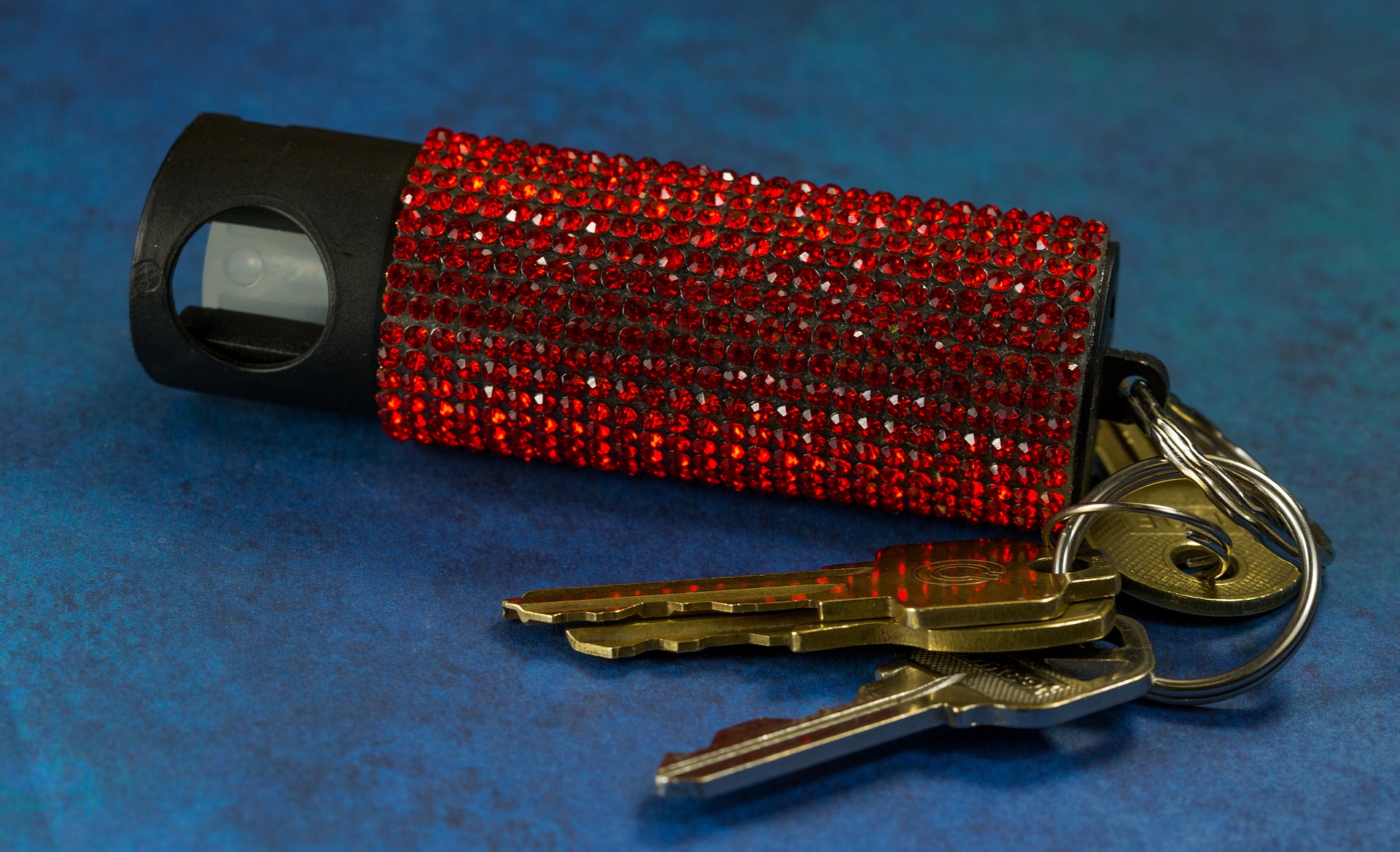
Under Florida Statute 790.062, titled “Possession of self-defense spray devices,” any person 18 years of age or older may lawfully possess a “chemical weapon or device” for self-defense. This statute specifically refers to devices that contain tear gas, mace, or a similar chemical weapon, which includes what is commonly known as pepper spray (typically containing oleoresin capsicum, or OC). The key takeaway for travelers is that the mere possession of pepper spray is generally legal, provided you meet the age requirement.
It’s important to distinguish pepper spray from other “chemical weapons or devices” that might be more potent or fall under different regulatory frameworks. The statute ensures that common, commercially available pepper spray products designed for personal self-defense are permissible. This means that travelers do not need a concealed weapon permit to carry pepper spray, unlike firearms. However, this general legality comes with limitations on the type and size of the device, which are critical for visitors to note.
Size and Strength Regulations
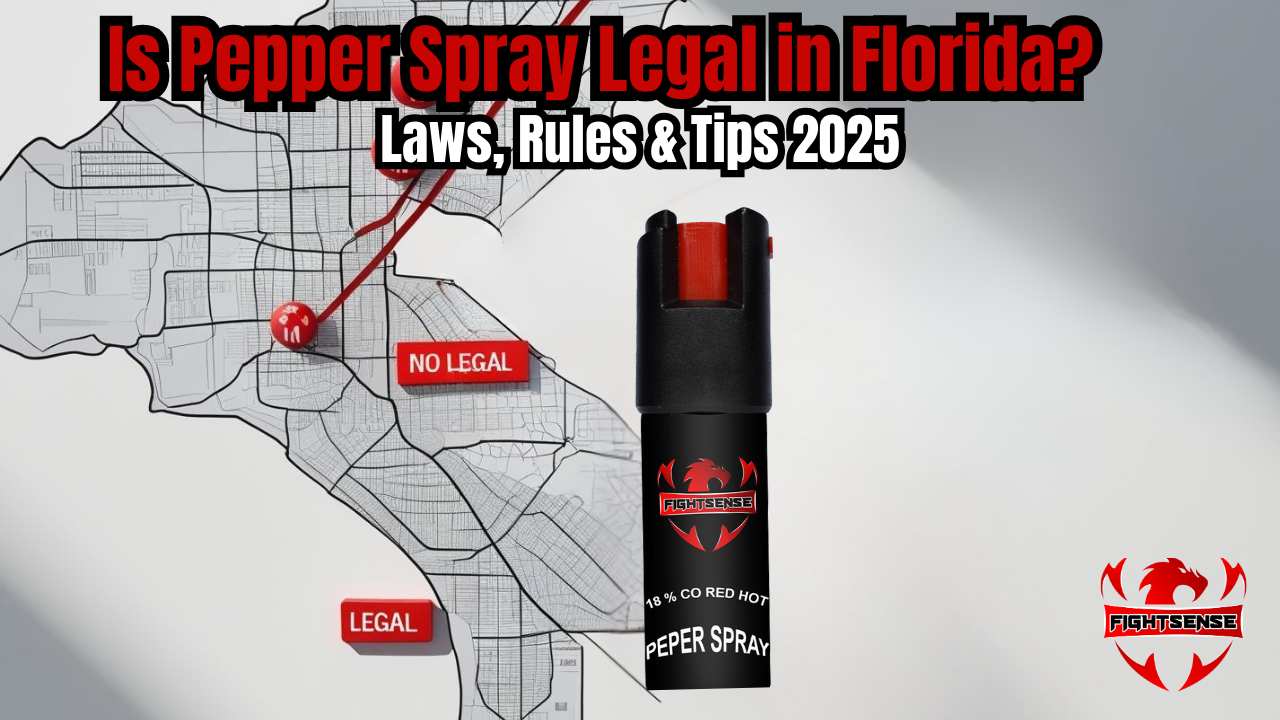
While pepper spray is legal to carry, Florida imposes specific restrictions on the container’s capacity. According to Florida Statute 790.062, a “self-defense chemical spray” or “pepper spray” is defined as containing “not more than two ounces of chemical.” This “two ounces” refers to the net weight of the chemical agent inside the canister, not the overall weight or size of the canister itself. Many commercially available personal defense sprays fall within this limit.
Travelers should diligently check the product specifications of any pepper spray they intend to carry. Purchasing or carrying a canister exceeding this two-ounce limit could lead to legal complications, including charges for carrying a prohibited weapon. It’s always advisable to buy pepper spray from reputable retailers and confirm that it explicitly states its compliance with state laws or that its contents are clearly labeled to be under two ounces. Ignoring these specifications, even innocently, could turn a precautionary measure into a legal liability during your Florida vacation.
Carrying Pepper Spray While Exploring Florida Destinations
Understanding the legal parameters of pepper spray possession is one thing, but knowing how and where you can carry it while exploring Florida’s diverse destinations is equally important. Florida offers everything from bustling cities like Miami and Orlando to serene beaches and natural parks. Each environment may have its own set of rules or considerations regarding self-defense tools.
Airports and Public Transportation
For travelers arriving by air, the most immediate concern will be airport security. The Transportation Security Administration (TSA) has specific regulations regarding pepper spray. Generally, pepper spray is not permitted in carry-on baggage. It can, however, be transported in checked baggage, provided it meets certain criteria: it must contain no more than 2 ounces of OC (oleoresin capsicum) and must be equipped with a safety mechanism to prevent accidental discharge. If you intend to carry pepper spray on your trip, ensure it is properly packed in your checked luggage, following all TSA guidelines. Failure to do so could result in confiscation, delays, or even penalties.
When using public transportation within Florida, such as buses, trains, or ride-sharing services, there are generally no specific state-level prohibitions against legally carried pepper spray. However, individual transportation providers may have their own policies, so it’s wise to be discreet and ensure your pepper spray is secured and not openly displayed.
Theme Parks and Private Property Rules
Florida is renowned for its world-class theme parks like Walt Disney World and Universal Studios. These attractions, along with many other private establishments, have their own strict security protocols and rules regarding what can and cannot be brought onto their premises. While pepper spray might be legal to carry on a public street, it is almost universally prohibited within theme parks, stadiums, concert venues, and many private businesses.
Before visiting any specific attraction or private property in Florida, it is crucial to check their official website or contact them directly regarding their prohibited items list. Attempting to enter these venues with pepper spray could lead to it being confiscated, denial of entry, or other repercussions. Many places implement bag checks and metal detectors, making it difficult to conceal prohibited items. Always err on the side of caution and leave such items secured in your vehicle or accommodation if you plan to visit a private venue with strict security.
Best Practices for Travelers
For travelers who choose to carry pepper spray, responsible practices are paramount:
- Know the Law: Reiterate your understanding of Florida’s 2-ounce limit and the age requirement.
- Discreet Carry: While generally permissible, avoid openly displaying pepper spray. Keep it easily accessible but out of plain sight, such as in a pocket or a small purse.
- Avoid Restricted Areas: Be mindful of places where pepper spray is prohibited, especially private establishments and secured venues.
- Practice Safety: If you carry pepper spray, ensure you are familiar with how to use it safely and effectively. Accidental discharge can be a serious issue.
- Consider Alternatives: In areas where pepper spray is not allowed, consider other non-lethal self-defense tools or general situational awareness strategies.
Legal Use of Pepper Spray in Self-Defense
The legality of carrying pepper spray is distinct from the legality of using it. Florida law permits the use of force, including non-lethal force like pepper spray, under specific circumstances for self-defense. This falls under Florida’s broader self-defense statutes, which include the “Stand Your Ground” law.
When Can You Deploy It?
Florida’s Stand Your Ground law, codified in Florida Statute 776.012, allows individuals to use physical force, including deadly force, to defend themselves or others without a duty to retreat, if they reasonably believe such force is necessary to prevent death or great bodily harm. While pepper spray is non-lethal, its use still falls under the umbrella of using force.
Essentially, you are justified in using pepper spray if you reasonably believe that you are in imminent danger of bodily harm, assault, or other violent crime. The key word here is “reasonably.” The force used must be proportionate to the perceived threat. For example, using pepper spray on someone who is merely verbally aggressive but poses no physical threat would likely be considered an unlawful use of force. Conversely, deploying it against an attacker attempting to rob or physically harm you would generally be considered justified.
It’s crucial for travelers to understand that “reasonable belief” is determined by what a typical person in the same situation would believe. The law does not protect impulsive or retaliatory actions. If you use pepper spray, be prepared to articulate why you felt your life or safety, or that of another, was in immediate danger.
Consequences of Misuse
Misusing pepper spray can lead to significant legal repercussions. If you use pepper spray unlawfully – for instance, in a situation where there was no reasonable threat, or if the force used was excessive – you could face charges ranging from misdemeanor assault to felony battery, depending on the severity of harm caused and the circumstances.
Such charges could severely disrupt your travel plans, leading to arrest, fines, legal fees, and potential jail time. Even if you are a visitor from another state or country, Florida law will apply, and you will be subject to its legal process. This underscores the importance of exercising extreme caution and using pepper spray only as a last resort when faced with a legitimate and imminent threat. Ignorance of the law is not a defense, and a ruined vacation is the least of the potential consequences.
Alternatives and Additional Safety Tips for Your Florida Trip
While carrying pepper spray can offer a sense of security, it is just one tool in a broader strategy for personal safety, especially when traveling. For many Florida destinations or specific situations, alternatives or supplementary safety measures might be more appropriate or effective.
Non-Lethal Alternatives
If pepper spray isn’t ideal for your travel style or if you’re entering restricted areas, consider other non-lethal self-defense options that are generally less regulated or universally accepted:
- Personal Safety Alarms: Small, portable devices that emit an extremely loud siren to draw attention and deter attackers. These are typically allowed everywhere, including theme parks and airports.
- Tactical Pens or Kubotans: These are discreet tools that can be used for self-defense strikes. While generally permissible, their legality can be ambiguous depending on how they are perceived by law enforcement or security personnel in specific contexts. Always check local guidelines.
- Flashlights: A high-lumen tactical flashlight can temporarily disorient an attacker and provide illumination in dark areas. It’s a common travel item that serves a dual purpose.
- Self-Defense Training: The most effective “tool” is often knowledge and awareness. Basic self-defense techniques, coupled with situational awareness, can be invaluable.

General Travel Safety Advice for the Sunshine State
Beyond specific self-defense tools, adopting a proactive approach to personal safety is the most robust defense for any traveler in Florida or elsewhere.
- Situational Awareness: Always be aware of your surroundings, especially in crowded areas like South Beach in Miami, tourist hotspots in Orlando, or when exploring natural areas like Everglades National Park. Avoid distractions like constantly looking at your phone.
- Travel in Groups: Whenever possible, especially at night or in unfamiliar areas, travel with companions. There’s safety in numbers.
- Secure Valuables: Keep your passport, money, and other valuables in secure, inconspicuous places. Avoid flaunting expensive items. Use hotel safes when available.
- Inform Others of Your Plans: Let a trusted friend or family member know your itinerary, especially if you’re traveling solo or venturing off the beaten path.
- Trust Your Instincts: If a situation or person feels unsafe, remove yourself from it. Your intuition is a powerful safety tool.
- Emergency Contacts: Have local emergency numbers saved in your phone (e.g., 911 in the United States).
- Research Your Destinations: Understand the specific safety considerations of the areas you plan to visit. Some neighborhoods or parts of cities may have higher crime rates.
In conclusion, pepper spray is legal in Florida for individuals 18 and older, provided the canister contains no more than two ounces of chemical agent. However, its use is strictly limited to situations where there is a reasonable belief of imminent physical threat. Travelers must be diligent in understanding these regulations, adhering to TSA rules for air travel, and respecting private property prohibitions. By combining knowledge of the law with common-sense safety practices, your Florida adventure can be both exciting and secure.
LifeOutOfTheBox is a participant in the Amazon Services LLC Associates Program, an affiliate advertising program designed to provide a means for sites to earn advertising fees by advertising and linking to Amazon.com. Amazon, the Amazon logo, AmazonSupply, and the AmazonSupply logo are trademarks of Amazon.com, Inc. or its affiliates. As an Amazon Associate we earn affiliate commissions from qualifying purchases.