
For anyone planning to drive in the Sunshine State, whether as a long-term resident, a seasonal visitor, or a tourist renting a car for a week, understanding Florida’s unique auto insurance requirements is paramount. The question, “Is PIP required in Florida?” isn’t just a matter of legal compliance; it’s a fundamental aspect of navigating the state’s roadways responsibly and protecting oneself in the event of an unforeseen incident. The short answer is a resounding yes: Personal Injury Protection (PIP) insurance is a mandatory component of auto insurance for vehicles registered in Florida. This requirement stems from the state’s distinctive no-fault insurance system, designed to streamline accident claims and ensure prompt medical care for injured parties regardless of who caused the collision.
Understanding Florida’s No-Fault Insurance System
Florida operates under a no-fault insurance system, a legal framework that significantly differs from traditional tort systems found in many other states. This system fundamentally alters how accident claims are processed and who pays for initial medical expenses and lost wages following a crash. Instead of immediately determining fault, each driver’s insurance company pays for their own policyholder’s initial medical expenses and lost wages, up to the limits of their PIP coverage, irrespective of who was at fault for the accident. This approach is intended to reduce litigation, speed up the claims process, and ensure that injured individuals receive necessary care without delay.
What is Personal Injury Protection (PIP)?
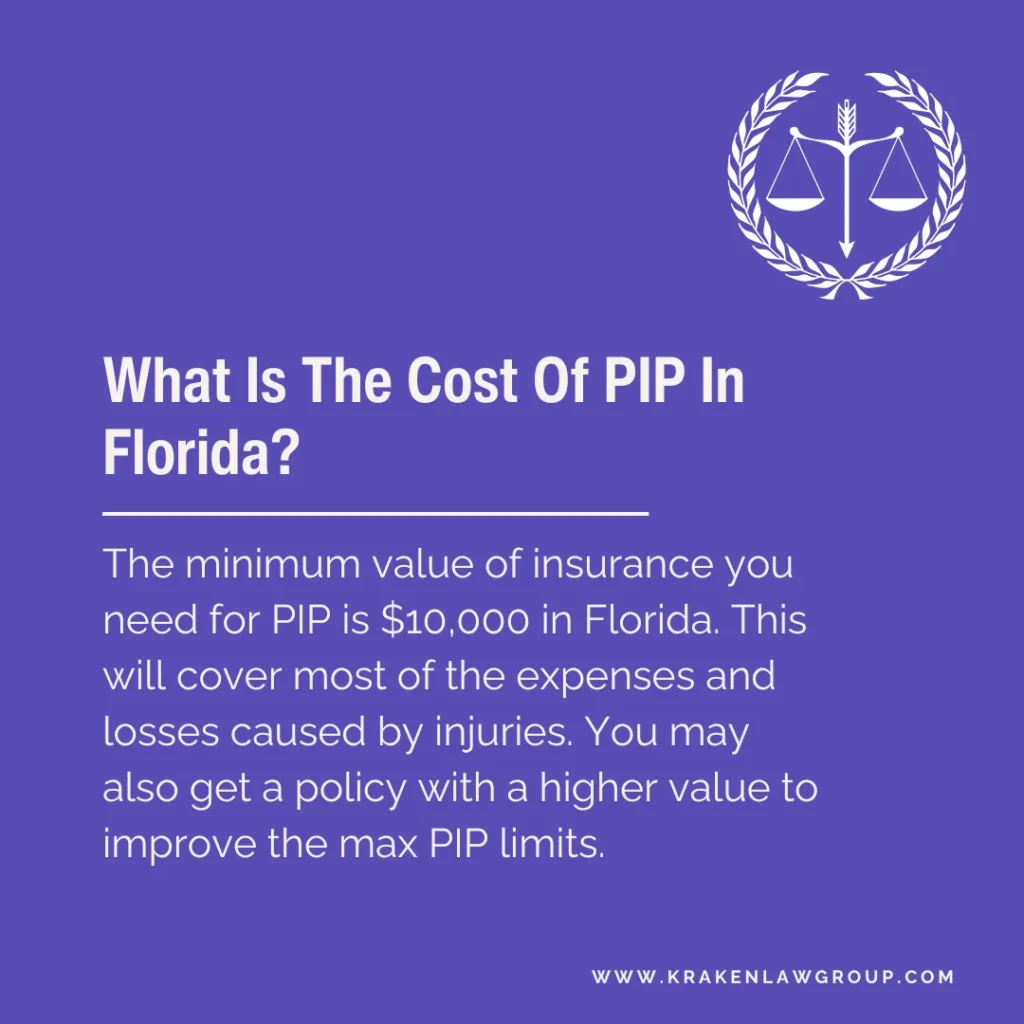
At the heart of Florida’s no-fault system is Personal Injury Protection (PIP). This type of coverage is crucial because it pays for medical treatment, lost wages, and even death benefits for you and certain others covered by your policy, regardless of who caused the accident. Specifically, PIP covers 80% of necessary and reasonable medical expenses, 60% of lost wages, and 100% of replacement services (like hiring someone to perform household tasks you can’t do due to injury), up to the policy limit, typically $10,000. In cases involving an “emergency medical condition,” this $10,000 limit can be fully utilized for medical benefits. However, if an emergency medical condition is not determined, medical benefits may be limited to $2,500. It’s a critical safety net that ensures immediate care and financial support during recovery, preventing delays that often occur when fault must be established before benefits are paid.
The No-Fault Principle Explained
The no-fault principle means that after an accident, you file a claim with your own insurance company for your injuries and related expenses through your PIP coverage. This holds true even if another driver was clearly at fault. The aim is to remove the immediate need to assign blame, allowing injured parties to receive compensation for basic medical costs and lost income quickly. While the no-fault system handles minor injuries, it doesn’t preclude the possibility of suing the at-fault driver for more severe injuries. If your injuries meet certain thresholds defined as “permanent injury, significant and permanent scarring or disfigurement, or death,” you may be able to step outside the no-fault system and pursue a claim against the responsible party for additional damages, including pain and suffering. This dual approach provides a baseline of protection for all involved while preserving rights for more serious cases.
Who Needs PIP in the Sunshine State?
The requirement for PIP in Florida is broad, encompassing virtually anyone who owns and registers a motor vehicle in the state. However, the nuances extend to various categories of drivers, including new residents, seasonal visitors, and tourists who might be driving rental cars. Understanding your specific situation is key to ensuring compliance and protection.
Florida Residents and Vehicle Registration
If you are a resident of Florida and own a motor vehicle, you are legally obligated to carry PIP insurance. This requirement kicks in as soon as you register your vehicle in the state. Even if you hold an out-of-state driver’s license but your vehicle is registered in Florida, you must comply with this mandate. This includes permanent residents, those relocating to Florida for work, or individuals purchasing a vehicle for use within the state. The policy must remain continuous; any lapse in PIP coverage can lead to severe penalties, including suspension of your driver’s license and vehicle registration.
Considerations for Visitors and Renters
For tourists and short-term visitors to Florida, the situation is slightly different but no less important. If you are driving your own vehicle from out of state, your existing auto insurance policy is typically recognized. However, it’s crucial to verify with your insurance provider whether your out-of-state policy extends adequate coverage in Florida, especially concerning PIP-like benefits. Some policies may automatically adapt to the minimum requirements of the state you’re driving in, while others may not.
When renting a car in Florida, the rental car company is generally required to provide the minimum state-mandated PIP coverage. This means that if you rent a car and are involved in an accident, the rental company’s PIP policy would typically cover your immediate medical expenses and lost wages up to the standard limits. However, relying solely on this basic coverage may not be sufficient for comprehensive protection. Many travelers opt to purchase additional coverage from the rental company or verify if their personal auto insurance or credit card benefits offer supplemental coverage. Understanding these options is vital for a worry-free travel experience.
Minimum PIP Requirements and Coverage

Adhering to Florida’s auto insurance laws means more than just having a policy; it means having a policy that meets the specific minimum requirements. While PIP is central, it’s often paired with other mandatory coverages to ensure comprehensive financial responsibility.
Essential Coverage Components
In Florida, the mandatory minimum auto insurance coverage includes:
- Personal Injury Protection (PIP): As discussed, this covers 80% of medical expenses, 60% of lost wages, and 100% of replacement services, up to a limit of $10,000 per person per accident.
- Property Damage Liability (PDL): This coverage pays for damage you cause to another person’s property, such as their vehicle or other physical assets, if you are at fault in an accident. The minimum requirement for PDL in Florida is $10,000 per accident.
It’s important to note that unlike many other states, bodily injury liability coverage is not mandatory in Florida, though it is highly recommended. Bodily injury liability covers injuries or death you cause to another person if you are at fault in an accident. Without it, you could be personally responsible for significant medical bills and other damages if you cause a serious accident.
Penalties for Non-Compliance
Driving without the required PIP and PDL coverage in Florida carries serious legal consequences. The state takes uninsured motorists very seriously. Penalties can include:
- Suspension of Driver’s License and Vehicle Registration: If your insurance coverage lapses or you are caught driving without it, your driver’s license and vehicle registration can be suspended for up to three years.
- Fines: Significant fines can be levied for non-compliance.
- Reinstatement Fees: To reinstate your license and registration, you will be required to pay substantial reinstatement fees and provide proof of continuous coverage.
- Financial Liability: In the event of an accident, if you are uninsured, you could be held personally responsible for all damages and injuries you cause, which can lead to severe financial hardship.
These penalties underscore the importance of maintaining continuous and adequate insurance coverage while driving in Florida.
Navigating Insurance for Your Florida Experience
Whether your journey to Florida is for a short vacation or a permanent move, understanding the insurance landscape is a crucial step in preparing for your experience. Beyond the mandatory PIP and PDL, considering additional coverage can offer peace of mind and robust financial protection.
Renting a Car in Florida: What to Know
When you pick up a rental car at Orlando International Airport or Miami International Airport, the rental agreement will usually present you with various insurance options. While the rental company includes the mandatory PIP and PDL coverage by default, you’ll often be offered supplementary coverage like a Loss Damage Waiver (LDW) or Collision Damage Waiver (CDW), Supplemental Liability Insurance (SLI), and additional PIP coverage.
It’s wise to review your personal auto insurance policy beforehand to see if it extends coverage to rental cars in Florida. Many policies do, potentially making some of the rental company’s offerings redundant. Additionally, certain credit cards provide rental car insurance benefits if you use them to pay for the rental. However, these benefits often cover only damage to the rental car itself (similar to CDW) and may not include liability or medical expenses. Always confirm the specifics with your credit card company and personal insurer to avoid duplicate coverage or, worse, gaps in protection. For most travelers, ensuring sufficient liability coverage beyond the minimum PDL is a prudent decision given the potential costs of an at-fault accident.
Long-Term Stays and Relocation
For individuals planning an extended stay or permanent relocation to Florida, the insurance planning needs to be more comprehensive. Upon establishing residency and registering your vehicle, you must obtain a Florida auto insurance policy that includes the mandatory PIP and PDL. It is advisable to consult with a local insurance agent in Florida who can provide tailored advice based on your specific circumstances, including your driving history, the type of vehicle you own, and your budget. They can also help you understand how your new Florida policy might interact with any existing health insurance coverage you have, particularly regarding medical benefits from PIP.

Beyond PIP: Other Recommended Coverages
While PIP and PDL are mandated, they represent only the bare minimum. For comprehensive protection in the potentially high-traffic environment of Florida, several other types of coverage are highly recommended:
- Bodily Injury Liability (BIL): Although not required, BIL is crucial. It protects you financially if you are at fault for an accident that causes injuries or death to others. Without it, a severe accident could lead to devastating out-of-pocket expenses.
- Collision Coverage: Pays for damage to your own vehicle resulting from a collision with another vehicle or object, regardless of fault.
- Comprehensive Coverage: Protects your vehicle from non-collision incidents such as theft, vandalism, fire, natural disasters, or hitting an animal.
- Uninsured/Underinsured Motorist (UM/UIM) Coverage: This is particularly important in Florida, where a significant number of drivers operate without adequate insurance. UM/UIM coverage protects you if you are hit by a driver who has no insurance or insufficient insurance to cover your damages and medical bills.
- Medical Payments (MedPay): Similar to PIP, MedPay covers medical expenses for you and your passengers, but it typically does so without a deductible or copayment and can supplement PIP benefits, particularly if you exceed your PIP limits or require additional treatments not fully covered by PIP’s 80% rule.
By considering these additional coverages, you can ensure a more secure and stress-free driving experience, whether you’re simply passing through or calling Florida home. The upfront investment in robust insurance coverage is a small price to pay for significant peace of mind against the uncertainties of the open road.
LifeOutOfTheBox is a participant in the Amazon Services LLC Associates Program, an affiliate advertising program designed to provide a means for sites to earn advertising fees by advertising and linking to Amazon.com. Amazon, the Amazon logo, AmazonSupply, and the AmazonSupply logo are trademarks of Amazon.com, Inc. or its affiliates. As an Amazon Associate we earn affiliate commissions from qualifying purchases.