
Travelers eyeing the Sunshine State for their next adventure often find themselves pondering the unpredictable nature of tropical weather, especially during certain times of the year. The question, “Is there a hurricane heading towards Florida?” is a critical one that can significantly impact travel plans, safety, and overall experience. Understanding the nuances of hurricane season, how to monitor threats, and what preparations to make is paramount for anyone planning a trip to this popular destination.
Understanding Hurricane Season in Florida
Florida is renowned for its beautiful beaches, vibrant cities, and theme parks, but its geographical location also places it in a region highly susceptible to tropical storms and hurricanes. Knowing when to expect these weather phenomena is the first step in informed travel planning.

The Atlantic Hurricane Season Calendar
The official Atlantic Hurricane Season runs annually from June 1st to November 30th. During this period, conditions in the Atlantic Ocean, Caribbean Sea, and Gulf of Mexico are conducive to the formation and intensification of tropical cyclones. While storms can occur outside these dates, the vast majority fall within this six-month window. The peak of the season typically occurs from mid-August through October, making travel during these months require a heightened level of awareness and preparedness.
Why Florida is Prone to Hurricanes
Florida’s unique peninsular shape, jutting into the warm waters of the Atlantic Ocean and Gulf of Mexico, makes it a frequent target for hurricanes. Warm ocean waters provide the energy that fuels these storms, and the state’s extensive coastline is exposed from multiple directions. Historical data illustrates a recurring pattern of hurricanes making landfall or passing near the state, underscoring the importance of vigilance for both residents and visitors. From the Florida Keys to the panhandle, no part of Florida is entirely immune to the potential impacts of a tropical system.
Monitoring the Latest Forecasts and Advisories
When a hurricane threat emerges, access to accurate and timely information is crucial. Travelers must know where to find reliable updates to make informed decisions about their journeys.
Official Sources for Hurricane Information
The primary authority for hurricane forecasting and advisories in the United States is the National Hurricane Center (NHC), a division of the National Oceanic and Atmospheric Administration (NOAA). Their website provides the most up-to-date information, including storm tracks, intensity forecasts, watches, and warnings. Local news channels, emergency management agencies, and the Federal Emergency Management Agency (FEMA) also disseminate critical information. Travelers should familiarize themselves with these sources before and during their trip.
Interpreting Forecast Models
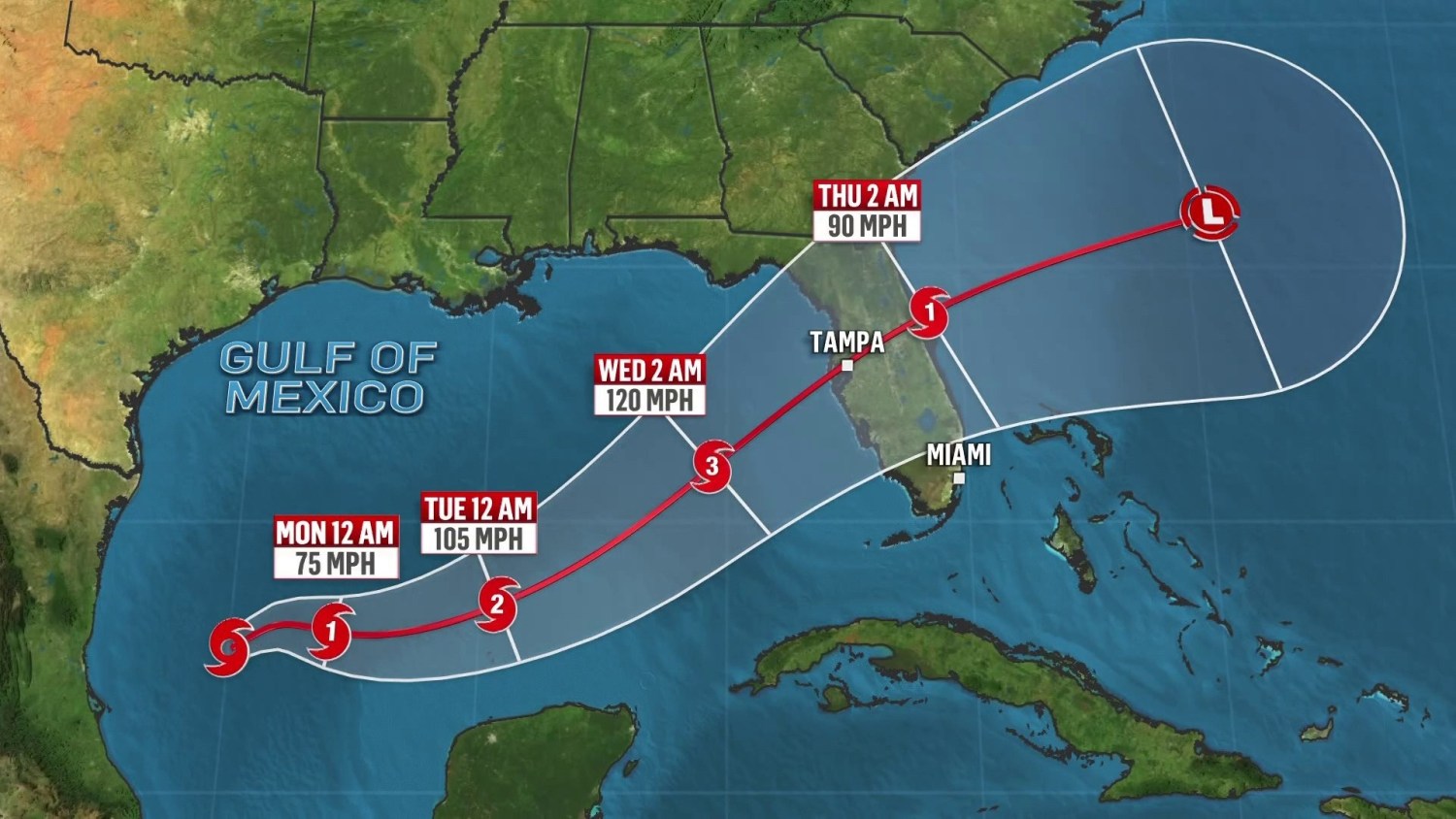
Hurricane forecasts involve complex meteorological models, and understanding their output can be challenging. While the NHC provides simplified graphics and textual explanations, it’s important to remember that forecasts can shift. Initial tracks may have a wide “cone of uncertainty” that narrows as a storm approaches. Travelers should focus on official advisories, which synthesize multiple models and expert analysis, rather than relying on individual model runs circulating on social media. Pay attention to the potential impacts (rain, wind, storm surge) rather than just the exact center of the storm.
The Importance of Real-Time Updates
In a rapidly evolving weather situation, real-time updates are invaluable. Travelers should ensure their mobile devices are charged, have access to local internet or data plans, and consider weather alert apps. Following official local emergency services on social media can also provide immediate localized information. Proactive monitoring allows travelers to adjust plans quickly, whether it means delaying departure, evacuating a specific area, or seeking shelter.
Impact on Travel Plans: Before You Go
A potential hurricane can throw even the most meticulously planned trip into disarray. Proactive measures can mitigate risks and financial losses.
Travel Insurance: A Must-Have Consideration
For any travel during hurricane season, comprehensive travel insurance is highly recommended. Policies vary, but many offer coverage for trip cancellation, interruption, or delays due to natural disasters like hurricanes. It’s crucial to purchase insurance before a storm is named or becomes a recognized threat, as most policies will not cover events that are already “foreseeable.” Read the fine print to understand what is covered, including flights, accommodation, and activities.
Airline and Accommodation Policies
In the event of a hurricane threat, airlines and hotels often implement specific policies to assist travelers. Airlines may issue travel waivers allowing passengers to change their flights without penalty. Similarly, hotels and resorts may offer flexibility for cancellations or rebookings. Travelers should contact their airline and accommodation providers directly for their specific policies. Keep records of all communication and policy numbers. Even if a hurricane doesn’t make a direct hit, severe weather can still cause flight delays, airport closures, and disruptions to local services.
Reconsidering Your Destination or Dates
If a hurricane is projected to impact Florida during your planned travel dates, it might be prudent to reconsider your destination or postpone your trip. While the allure of Florida’s attractions is strong, safety should always be the priority. Evaluate the severity of the threat, the potential for widespread disruption, and your comfort level with being in an affected area. Sometimes, rescheduling for a later, calmer period or choosing an alternative destination altogether can save considerable stress and potential danger.
Safety Measures for Travelers Already in Florida
For those already in Florida when a hurricane approaches, immediate action and adherence to local guidelines are critical.
Evacuation Procedures and Routes
If local authorities issue an evacuation order for your area, comply immediately. Evacuation routes are pre-planned to move people out of harm’s way efficiently. Tune into local radio, television, or official apps for specific instructions on designated routes and shelter locations. Understand that traffic on evacuation routes can be heavy, so plan to leave early. Never attempt to “ride out” a major hurricane in an evacuation zone, especially coastal areas susceptible to storm surge.
Emergency Kits and Supplies
Travelers should ideally have a small emergency kit, even if they’re staying in a hotel. This kit should include essential medications, copies of important documents (ID, insurance policies), a battery-powered radio, a flashlight with extra batteries, a first-aid kit, and enough non-perishable food and water for at least three days. While hotels may have emergency plans, self-sufficiency for a short period is always advisable.
Communication Strategies
During a hurricane, power outages and cell service disruptions are common. Inform friends and family of your plans and status. Have a pre-determined out-of-state contact person who can relay messages if local communication lines are down. Use text messages instead of calls, as they often get through when voice networks are overloaded. Ensure your phone is fully charged and consider a portable power bank.
Local Resources and Assistance
Many communities in Florida have established emergency shelters and information centers. Research these resources for your specific location beforehand. Hotels often have their own emergency protocols and may provide guidance or even shelter in place if it’s safe to do so. Pay close attention to instructions from hotel staff and local emergency personnel. The Florida Department of Emergency Management website is a valuable resource for up-to-date local information.
Post-Hurricane Travel: What to Expect
Once a storm has passed, the recovery phase begins. This period also presents unique challenges and considerations for travelers.
Assessing Damage and Recovery Efforts
After a hurricane, areas can experience significant damage, including widespread power outages, impassable roads, and disruption of essential services. Recovery efforts will be underway, and resources will be focused on residents and immediate needs. Tourist infrastructure, such as attractions, restaurants, and shops, may be closed for an extended period. Travelers should exercise patience and understand that the focus will be on rebuilding communities.
Tourist Infrastructure Reopening
The timeline for attractions and hotels to reopen varies widely depending on the severity of the storm’s impact. Major theme parks, such as those in Orlando, often have robust contingency plans and can reopen relatively quickly if they are not directly hit. Coastal areas like Miami or Key West, however, might face more extensive damage and longer recovery periods. Before traveling to a recently affected area, confirm that your specific destination and planned activities are operational. Do not assume all services will be immediately available.

Supporting Local Communities
For travelers who choose to visit Florida after a hurricane, their presence can play a vital role in supporting the local economy’s recovery. Spending money at local businesses, dining at reopened restaurants, and participating in attractions helps communities get back on their feet. However, it’s essential to do so responsibly and respectfully, ensuring that tourist activity does not burden already strained local resources. Always prioritize safety and allow communities ample time to recover before planning a leisure trip to heavily impacted zones.
LifeOutOfTheBox is a participant in the Amazon Services LLC Associates Program, an affiliate advertising program designed to provide a means for sites to earn advertising fees by advertising and linking to Amazon.com. Amazon, the Amazon logo, AmazonSupply, and the AmazonSupply logo are trademarks of Amazon.com, Inc. or its affiliates. As an Amazon Associate we earn affiliate commissions from qualifying purchases.