
The Sunshine State’s Tax Advantage: A Key Lifestyle Factor
Florida has long held a unique position within the United States, not only for its world-renowned beaches and theme parks but also for its distinctive fiscal policy. For anyone considering relocation, extended stays, or even just evaluating the cost of living and leisure, one of the most significant financial factors is the absence of a state income tax. This fundamental aspect of Florida’s economic landscape profoundly impacts the lifestyle choices, financial planning, and overall well-being of its residents and those who frequent the state for business or pleasure. Understanding this tax structure is crucial for making informed decisions about where to live, invest, or retire, offering a tangible financial advantage that shapes many aspects of daily life.
Understanding Florida’s Unique Tax Structure
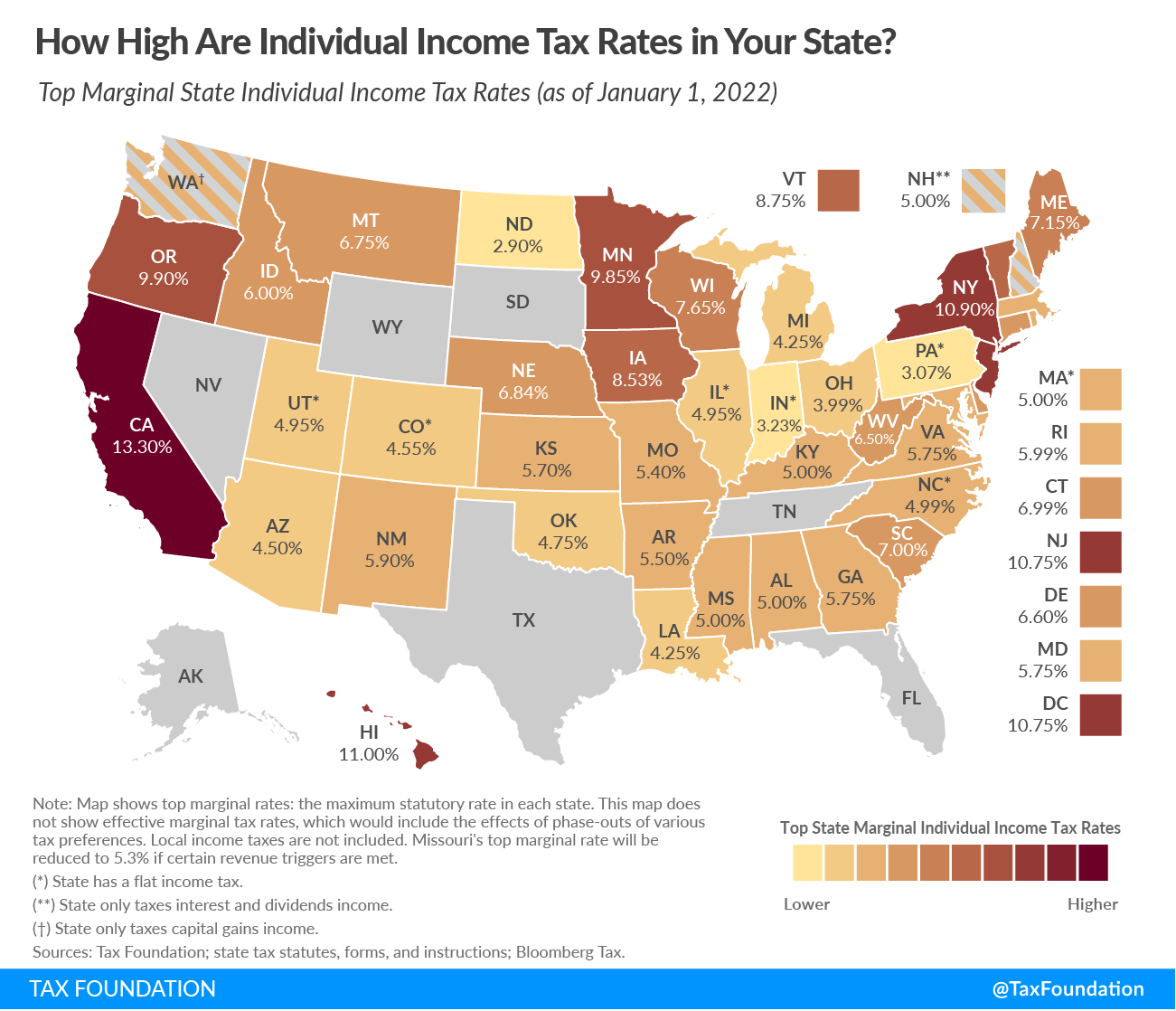
Unlike most U.S. states, Florida does not levy a personal income tax. This means that wages, salaries, business profits, and investment income earned by individuals in Florida are not subject to a state-level tax. This policy stands in stark contrast to states like California, New York, or Illinois, which impose significant income taxes on their residents. The absence of this tax is a deliberate strategy by the state government to attract residents, businesses, and investment, aiming to foster economic growth and provide a competitive edge. This approach shifts the burden of funding state services to other revenue streams, primarily sales tax and property taxes, which we will explore further. For individuals, this translates into more net income from their earnings, a powerful incentive that shapes everything from monthly budgets to long-term financial goals.
Personal Financial Impact: More Disposable Income
The most immediate and tangible benefit of no state income tax is the increased disposable income for wage earners. Every dollar that isn’t collected by the state in income tax is a dollar that can be saved, invested, or spent. For many, this means a higher quality of life, access to better services, or the ability to pursue desired lifestyle activities.
Consider a professional working in Miami earning a substantial salary. Without state income tax, a significant percentage of their gross income, which might otherwise go to state coffers in other jurisdictions, remains in their pocket. This additional capital can be allocated towards housing, educational expenses, luxury travel, or simply building a more robust emergency fund. For families, this can mean more flexibility for extracurricular activities for children or vacations to destinations like Walt Disney World or Universal Studios Orlando. For those on a budget, it provides crucial breathing room, allowing them to stretch their earnings further and mitigate the rising costs of goods and services. The cumulative effect of this over years can lead to substantial wealth accumulation, making Florida an attractive proposition for those focused on financial independence and long-term security.
Relocation and Residency: A Draw for Many
The absence of state income tax is arguably one of the most compelling reasons for individuals and businesses to choose Florida as their home. This policy creates a powerful economic magnet, drawing diverse demographics, from retirees seeking a peaceful and affordable retirement to entrepreneurs looking for a favorable business climate. The ripple effect of these relocations shapes Florida’s communities, economy, and unique lifestyle.
Attracting Retirees and Snowbirds
Florida has long been synonymous with retirement living, and the no-income-tax policy plays a pivotal role in this reputation. For retirees, fixed incomes, pensions, and Social Security benefits can be stretched further without state income tax deductions. This is particularly appealing for those who have spent their careers in high-tax states and are looking to maximize their retirement savings. Cities like Sarasota, Naples, and Fort Myers have thriving senior communities, benefiting from both the favorable tax environment and the year-round warm weather. The “snowbird” phenomenon, where individuals spend winter months in Florida to escape colder climates, is also influenced by this tax structure, as it can simplify residency requirements and tax planning for those splitting their time between states. The ability to retain more of their income directly impacts their quality of life, allowing them to enjoy amenities, healthcare, and leisure activities without undue financial strain.
The Entrepreneurial and Business Appeal

Beyond individual residents, the lack of state income tax is a significant boon for businesses and entrepreneurs. Florida’s business landscape is characterized by its pro-growth policies, and the absence of a personal income tax often correlates with a more favorable corporate tax environment, even though Florida does have a corporate income tax. However, for sole proprietors, partnerships, and S-corporations, where business profits often flow directly to the owners’ personal income, the no-income-tax policy can lead to substantial savings. This attracts startups, small businesses, and even large corporations looking to minimize their overall tax burden. Technology hubs in cities like Tampa and Orlando, and financial centers in Jacksonville, thrive partly due to this inviting economic climate. The ability for business owners to retain more of their profits means more capital available for reinvestment, expansion, and job creation, further fueling the state’s economic engine and providing diverse lifestyle opportunities for its workforce.
Budgeting for Life and Leisure in Florida
While the absence of a state income tax is a clear advantage, it’s essential to understand that states must generate revenue from somewhere. Florida balances its budget primarily through sales taxes and property taxes. This necessitates a distinct approach to budgeting for daily life and leisure, a key component of the Florida lifestyle.
How Savings Translate to Lifestyle Choices
The money saved from not paying state income tax often gets reallocated in various ways, directly influencing lifestyle choices. For those prioritizing discretionary spending, the savings can fund frequent trips to the beach, dining out at Miami Beach‘s vibrant restaurants, or exploring the natural beauty of the Everglades. For families, it might mean more opportunities for theme park visits or private schooling options. Budget-conscious individuals can find that their purchasing power is enhanced, allowing them to save for larger goals like a down payment on a home or a significant investment. This financial flexibility supports a lifestyle focused on leisure, outdoor activities, and community engagement, which are hallmarks of the Florida experience. However, it also means being acutely aware of how sales and property taxes impact the overall cost of living.
The Other Side of the Coin: Alternative Revenue Streams
Florida’s primary mechanism for generating state revenue is through a statewide sales tax, which applies to most goods and services purchased. The state sales tax rate is 6%, but local governments can add their own surtaxes, bringing the effective rate higher in many counties. For example, visitors purchasing souvenirs near Key West or residents buying groceries in Orlando will pay this tax. This means that while you keep more of your paycheck, your spending habits directly contribute to the state’s coffers. Therefore, a high-spending lifestyle could, in effect, offset some of the income tax savings. It’s a system that incentivizes saving and strategic purchasing, encouraging residents to be mindful of their consumption patterns. Understanding this balance is critical for effective budgeting and enjoying the Florida lifestyle without unexpected financial surprises.
Navigating the Broader Financial Landscape
Living or doing business in Florida requires a comprehensive understanding of its entire tax ecosystem, not just the absence of state income tax. Property taxes, sales taxes, and other fees contribute significantly to the cost of living and must be factored into any financial planning. A savvy approach involves strategic financial management to maximize the benefits of the state’s tax structure.
Property Taxes and Sales Tax: What to Expect
While the lack of personal income tax is a significant draw, Florida relies heavily on property taxes to fund local services such as schools, police, and infrastructure. Property tax rates vary significantly by county and municipality, and they can be a substantial annual expense, particularly in popular coastal areas or growing metropolitan centers. Prospective homeowners in places like Palm Beach or St. Petersburg need to research these rates carefully, as they can heavily influence the true cost of homeownership. Additionally, as mentioned, the state’s sales tax and local surtaxes mean that nearly every purchase, from a new car to a restaurant meal, will incur an additional charge. While essential groceries are exempt from sales tax, the cumulative effect of sales tax on other goods and services can add up, especially for those with high spending habits. Understanding these costs is fundamental to creating a realistic budget and ensuring the Florida lifestyle remains affordable and enjoyable.

Strategic Financial Planning for Florida Residents
For those establishing residency or conducting business in Florida, strategic financial planning becomes paramount. Maximizing the benefits of no state income tax often involves careful consideration of one’s investment portfolio, retirement planning, and even estate planning. For example, high-net-worth individuals may find Florida particularly attractive for its advantageous tax policies, allowing for greater wealth preservation. Business owners might structure their entities to best leverage the state’s tax environment. Retirees can benefit from planning distributions from retirement accounts, knowing that the income will not be subject to state-level taxation. Consulting with financial advisors specializing in Florida tax law can provide invaluable insights into optimizing one’s financial situation. By understanding the interplay between the absence of state income tax and the presence of sales and property taxes, residents can craft a financial strategy that not only aligns with their lifestyle aspirations but also ensures long-term economic stability in the Sunshine State.
LifeOutOfTheBox is a participant in the Amazon Services LLC Associates Program, an affiliate advertising program designed to provide a means for sites to earn advertising fees by advertising and linking to Amazon.com. Amazon, the Amazon logo, AmazonSupply, and the AmazonSupply logo are trademarks of Amazon.com, Inc. or its affiliates. As an Amazon Associate we earn affiliate commissions from qualifying purchases.