
The Strategic Importance of Florida’s Military Heritage
Florida, often celebrated for its sun-kissed beaches and vibrant culture, harbors another layer of profound significance: its extensive network of military bases. These installations are far more than mere operational sites; they stand as monumental landmarks, each with a rich tapestry of history, distinctive architecture, and an enduring legacy that has shaped both national defense and the local communities around them. From the Emerald Coast to the southern tip of the peninsula, Florida’s strategic geographic position has historically positioned it as a critical hub for military operations, training, and innovation. The state’s unique climate, extensive coastline, and access to both the Atlantic Ocean and the Gulf of Mexico have made it an indispensable asset for every branch of the U.S. armed forces, establishing a collection of sites that are integral to understanding the nation’s past and present defense landscape.

These military landmarks represent diverse facets of military life and technological advancement. Some boast historic buildings that whisper tales of World War II and the Cold War, while others showcase cutting-edge architecture designed for resilience and futuristic operations. Each base, whether a sprawling Air Force installation or a critical naval port, contributes to Florida’s identity as a bastion of military prowess and a living museum of defense history. Their presence is not only a testament to strategic necessity but also a powerful emblem of American ingenuity and dedication to global security.
Air Force Installations: Guardians of the Skies and Beyond
Florida is home to several pivotal Air Force and Space Force installations, each distinguished by its unique historical contributions and architectural footprints. These bases collectively form the backbone of aerial defense, special operations, and space exploration.
Eglin Air Force Base
Located near Valparaiso, Eglin Air Force Base is a sprawling complex encompassing hundreds of thousands of acres, making it one of the largest military installations in the world. Its vastness and diverse topography have historically made it an ideal location for weapons testing and development, a legacy that continues to this day. The base’s architecture ranges from functional testing facilities to administrative buildings that have witnessed decades of groundbreaking advancements in aerospace technology. Eglin serves as a critical landmark for understanding the evolution of aerial combat and defense technology, with its test ranges and research laboratories at the forefront of military innovation.
Tyndall Air Force Base
Perched on the Gulf Coast near Panama City, Tyndall Air Force Base is a remarkable example of resilience and foresight. Devastated by Hurricane Michael in 2018, the base is undergoing an ambitious rebuilding effort, transforming it into the “Installation of the Future.” This rebuilding project is a landmark in sustainable and resilient military construction, incorporating advanced technologies and architectural designs built to withstand future environmental challenges. Historically, Tyndall has been known for air dominance training, and its ongoing transformation signifies a new era of strategic defense infrastructure.
MacDill Air Force Base
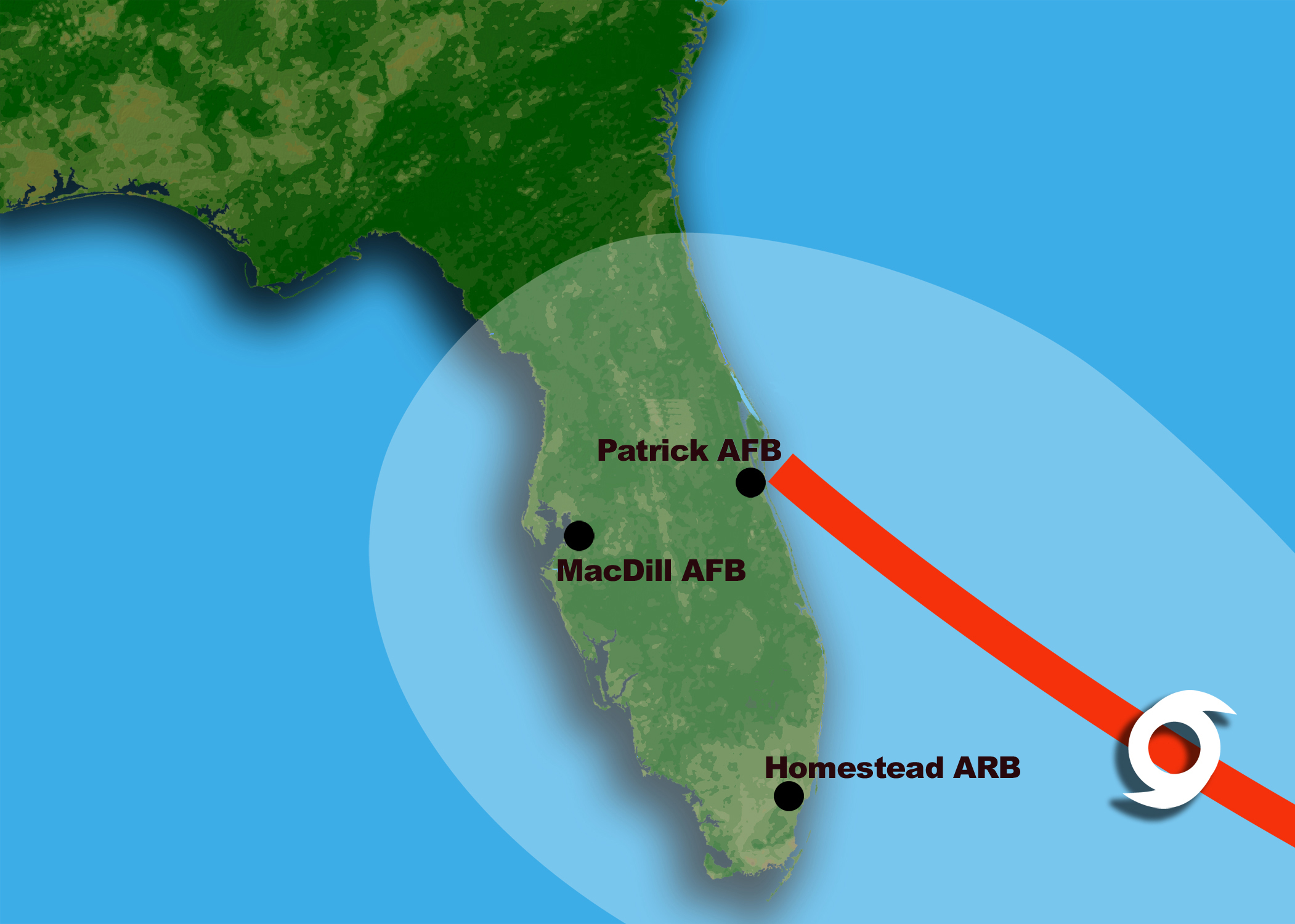
Situated on a picturesque peninsula in Tampa Bay, MacDill Air Force Base holds immense strategic importance as the headquarters for both U.S. Central Command (CENTCOM) and U.S. Special Operations Command (SOCOM). The base’s architecture reflects its administrative and command functions, featuring robust and secure facilities from which critical global operations are coordinated. Its history dates back to World War II, when it served as a bomber training base. Today, MacDill stands as a vital landmark of international military leadership and collaboration, a place where global security strategies are forged.
Patrick Space Force Base
Evolving from Patrick Air Force Base, Patrick Space Force Base on the Space Coast plays a crucial role in space launch operations and range safety. Its proximity to the Kennedy Space Center makes it an indispensable component of America’s space endeavors. The base’s facilities, while largely operational, include historical sites related to early missile development and spaceflight, marking it as a landmark in the history of aerospace and space exploration. The infrastructure here is specialized, built to support rocket launches and satellite tracking, reflecting a unique blend of military precision and scientific exploration.
Hurlburt Field
Adjacent to Eglin AFB near Fort Walton Beach, Hurlburt Field is the home of Air Force Special Operations Command (AFSOC). This base is defined by its specialized mission and the elite units it hosts, including pararescue and combat control teams. The architecture is tailored to support highly specialized training and mission execution, with facilities designed for covert operations and rapid deployment. Hurlburt Field stands as a landmark in special operations history, embodying the stealth and precision of airborne special forces.
Homestead Air Reserve Base
South of Miami, Homestead Air Reserve Base serves as a key air reserve component installation. It has a compelling history, having played significant roles during the Cuban Missile Crisis and experiencing near-total destruction during Hurricane Andrew in 1992, only to be rebuilt with modern, resilient structures. This base is a landmark of perseverance and strategic readiness, demonstrating the critical role of reserve forces in national defense and disaster recovery.
Naval Presence: Protecting Maritime Interests
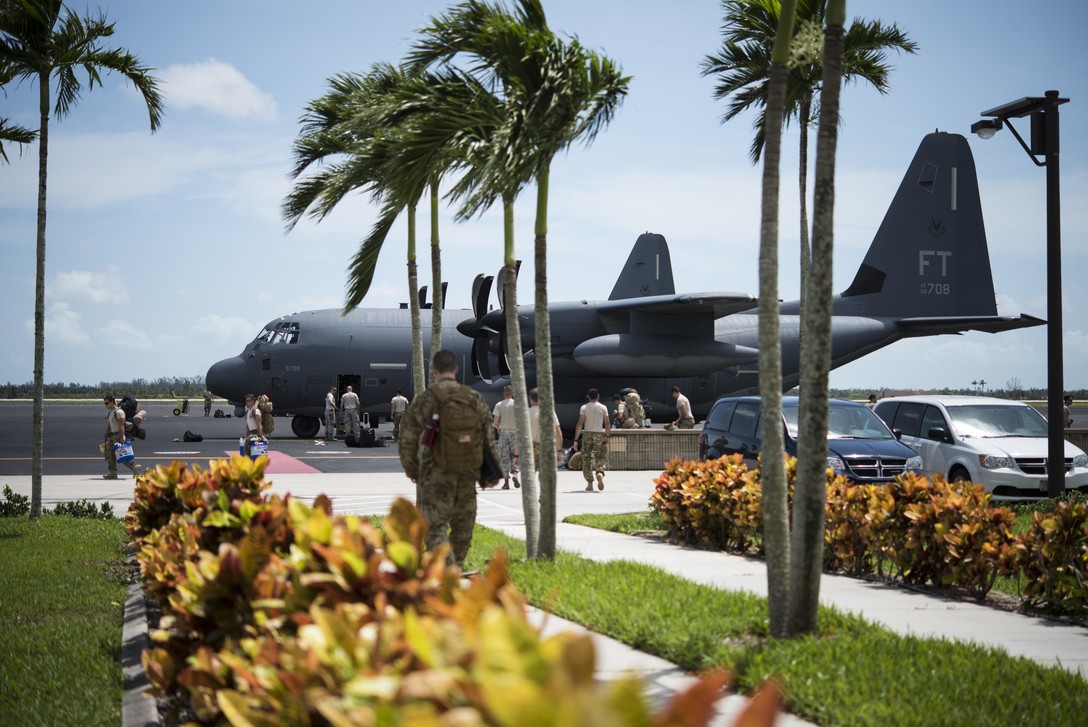
Florida’s extensive coastline naturally makes it a prime location for significant naval installations, each serving as a vital landmark in maritime defense and naval aviation.
Naval Air Station Pensacola
Often referred to as the “Cradle of Naval Aviation,” Naval Air Station Pensacola (NAS Pensacola) is arguably one of Florida’s most iconic military landmarks. Established in 1914, its historic brick buildings and sprawling flight lines tell stories of generations of naval aviators. It is home to the legendary Blue Angels flight demonstration squadron and the world-renowned National Naval Aviation Museum, which showcases a vast collection of historic aircraft and artifacts. The museum itself is a significant landmark, drawing visitors from around the globe to explore the rich history of naval flight and the architectural grandeur of the base’s older sections.
Naval Station Mayport
Located near Jacksonville, Naval Station Mayport is one of the Navy’s largest naval bases and a crucial deepwater port on the Atlantic. Its history is steeped in fleet operations, serving as a homeport for numerous warships, including destroyers and frigates. The base’s architecture is primarily functional, designed to support vast fleet operations, including piers, maintenance facilities, and administrative complexes. Mayport stands as a landmark of naval readiness and strategic maritime power projection on the East Coast.
Naval Air Station Jacksonville
Also in Jacksonville, Naval Air Station Jacksonville (NAS Jacksonville) is the largest Navy base in Florida. It plays a vital role in maritime patrol and anti-submarine warfare, operating the advanced P-8 Poseidon aircraft. The base boasts a blend of historic hangars and modern aviation facilities, reflecting its continuous evolution since its establishment in 1940. NAS Jacksonville is a landmark of naval aviation prowess, embodying the enduring commitment to protecting sea lanes and supporting global operations.
Naval Support Activity Panama City
Positioned on St. Andrew Bay in Panama City, Naval Support Activity Panama City (NSA Panama City) is a hub for research, development, test, and evaluation. It specializes in mine warfare systems, diving and salvage, and coastal combat systems. The unique nature of its mission is reflected in its specialized facilities, including advanced diving tanks and marine research laboratories. This base is a landmark of naval technological innovation and a testament to the specialized expertise required for undersea operations and coastal defense.
Army and Coast Guard: Diverse Contributions
While Florida is predominantly known for its Air Force and Navy presence, the Army and Coast Guard also maintain significant landmarks within the state.
Camp Blanding Joint Training Center
Located in Starke, Camp Blanding Joint Training Center is the primary training facility for the Florida Army National Guard. Spanning over 73,000 acres, it is a vast historical landmark of military training, with a lineage tracing back to World War II when it was one of the largest infantry training camps in the United States. Its rugged terrain and extensive training areas are an architectural feature in themselves, designed for realistic combat simulations and large-scale troop maneuvers, offering a glimpse into the physical demands of military preparation.
U.S. Coast Guard Stations
Throughout Florida’s lengthy coastline, numerous U.S. Coast Guard stations serve as critical landmarks for maritime safety, security, and environmental protection. Major sectors include Sector St. Petersburg and various air stations and small boat stations. These facilities, while often less expansive than the larger bases, are vital for search and rescue operations, drug interdiction, and maintaining navigational aids. Their distinct maritime architecture, featuring lighthouses, rescue boats, and operational centers, makes them recognizable landmarks dedicated to safeguarding Florida’s waters and its citizens.
The Enduring Legacy and Cultural Impact
The military bases in Florida are much more than strategic defense assets; they are enduring landmarks deeply woven into the historical, architectural, and cultural fabric of the state. Each base, with its unique mission and history, offers a window into different eras of national defense, technological innovation, and military life.
While access to many operational areas is restricted, the presence of these bases has a profound impact on surrounding communities, fostering a unique culture where military heritage is celebrated. Many bases host museums, like the National Naval Aviation Museum at NAS Pensacola, or feature historical markers that allow the public to engage with their rich past. The architectural diversity, from early 20th-century barracks to futuristic command centers and resilient storm-proof facilities, chronicles the evolution of military infrastructure.
These installations are living monuments, continuously adapting to new challenges while honoring their storied past. They stand as testaments to the dedication of military personnel and the critical role Florida plays in defending national interests, making them invaluable landmarks for anyone interested in the confluence of history, architecture, and strategic importance.
LifeOutOfTheBox is a participant in the Amazon Services LLC Associates Program, an affiliate advertising program designed to provide a means for sites to earn advertising fees by advertising and linking to Amazon.com. Amazon, the Amazon logo, AmazonSupply, and the AmazonSupply logo are trademarks of Amazon.com, Inc. or its affiliates. As an Amazon Associate we earn affiliate commissions from qualifying purchases.