
Unveiling the Location: Levy County’s Coastal Gem
Cedar Key, a quaint and captivating island city renowned for its untouched natural beauty and laid-back atmosphere, is nestled squarely within Levy County, Florida. Located on the state’s Gulf Coast, this charming destination offers a unique escape from the bustling tourist hubs, presenting travelers with an authentic taste of Old Florida. Levy County itself is situated in the west-central part of the state, bordering the Gulf of Mexico and forming a significant portion of what is affectionately known as Florida’s Nature Coast. This region is celebrated for its pristine springs, dense forests, and an abundance of wildlife, making it a prime destination for eco-tourism and outdoor adventures.
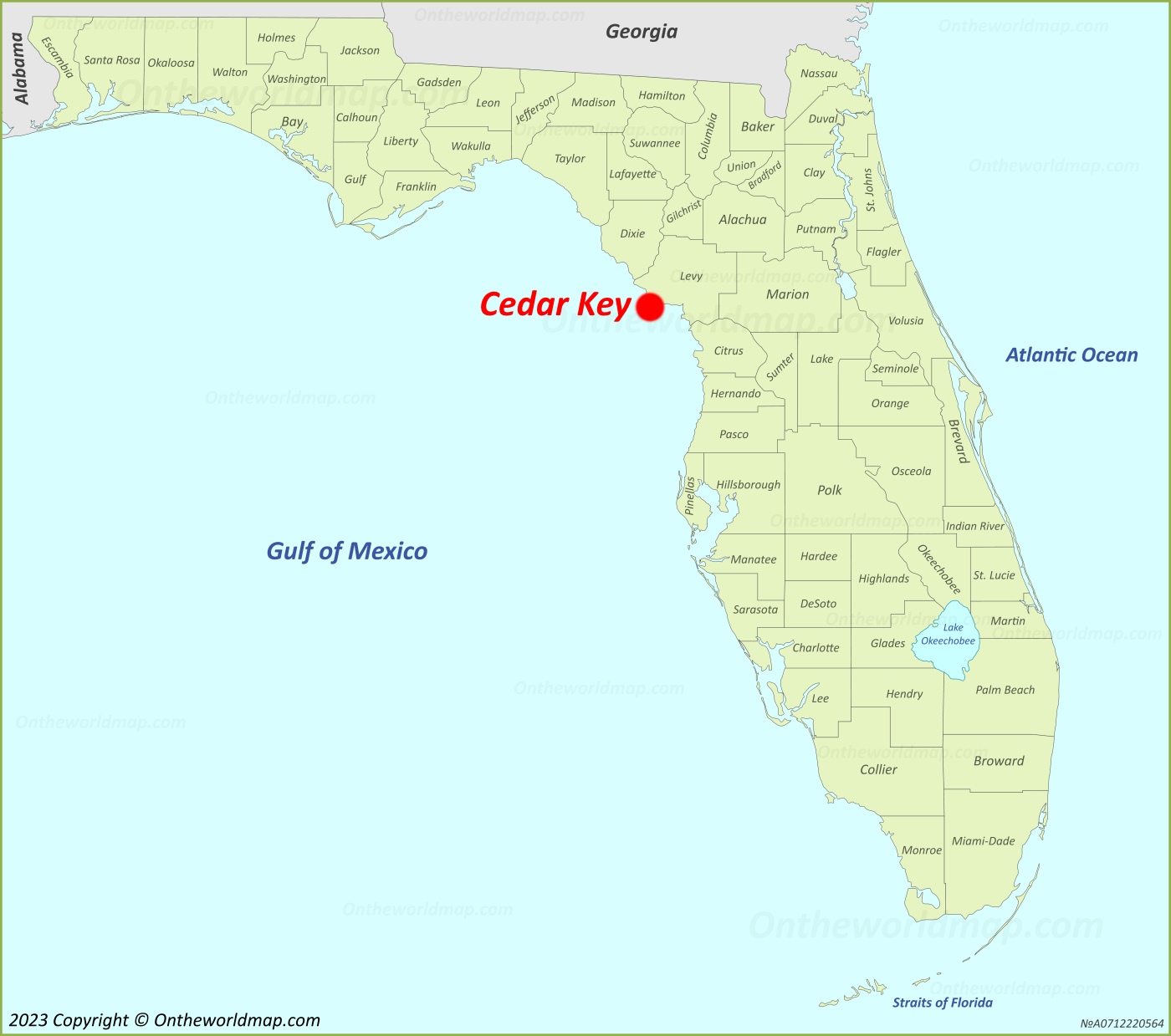
The identification of Cedar Key’s specific county is paramount for any traveler planning a visit, as it delineates the administrative and geographical context that shapes the local experience. Understanding that it is part of Levy County immediately provides a sense of the surrounding environment, distinguishing it from the more developed coastal areas of central or south Florida. Instead, visitors can anticipate a journey into a landscape characterized by marshlands, barrier islands, and the serene, shallow waters of the Gulf of Mexico, all contributing to Cedar Key’s distinctive charm and appeal.
Geographical Significance and Access
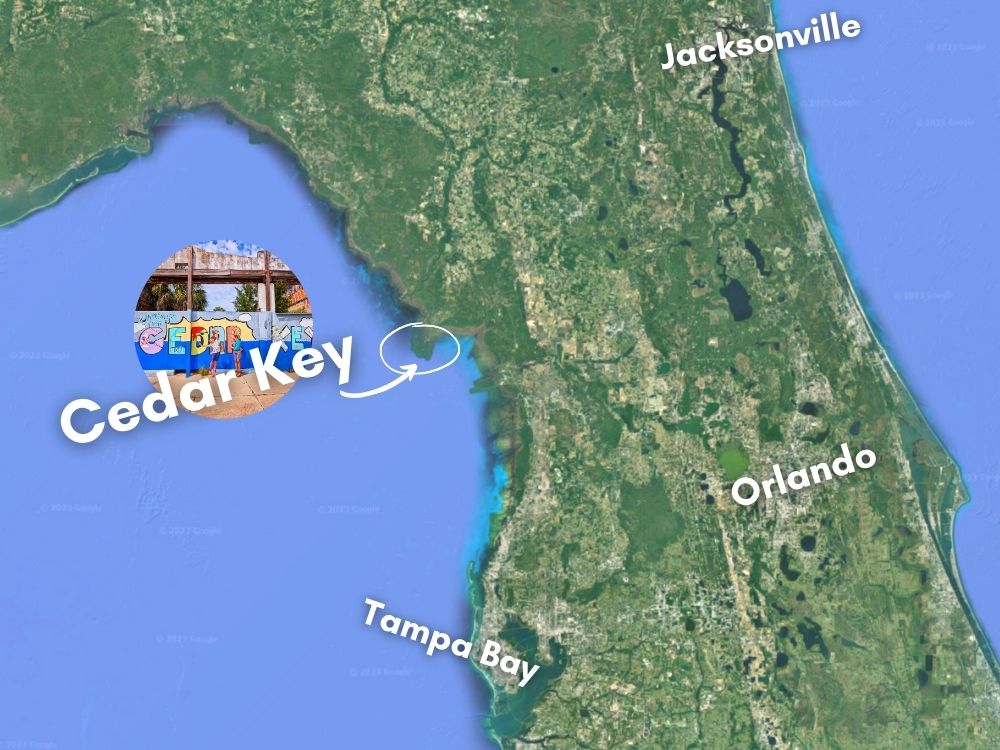
Cedar Key’s location within Levy County positions it as a secluded yet accessible coastal haven. The town is situated at the terminus of State Road 24, a scenic highway that winds through the county’s diverse landscapes before reaching the island. This single access point enhances its island-like feel while ensuring straightforward navigation for travelers arriving by car. Proximity to larger population centers like Gainesville (approximately an hour’s drive) and Ocala (roughly an hour and a half) makes Cedar Key an ideal destination for day trips or weekend getaways for those residing in or visiting north-central Florida. The county’s geography, largely defined by its coastal plain and the influence of the Gulf of Mexico, means that Cedar Key benefits from the unique ecological characteristics of the region. This includes tidal flats, salt marshes, and oyster bars that support a rich ecosystem, making it a hotspot for fishing, kayaking, and birdwatching – activities that are central to the Cedar Key travel experience.
The Allure of Cedar Key: A Distinctive Florida Destination
Cedar Key stands out as a distinctive Florida travel destination due to its unparalleled blend of natural beauty, historic charm, and a laid-back, welcoming atmosphere that feels worlds away from the state’s more commercialized tourist corridors. It is a place where time seems to slow down, inviting visitors to unwind, reconnect with nature, and savor the simple pleasures of coastal life. The island’s relatively small size, measuring just a few square miles, contributes to its intimate feel, allowing most attractions to be easily explored on foot or by golf cart. This compact nature, coupled with the absence of high-rise developments, preserves Cedar Key’s authentic character as a working fishing village that also caters thoughtfully to visitors seeking tranquility and natural engagement. The vibrant artistic community, evident in the numerous galleries and local artisan shops, adds another layer of appeal, reflecting the island’s unique spirit and inspiring landscapes.
Natural Wonders and Outdoor Pursuits
For travelers drawn to the outdoors, Cedar Key within Levy County is a veritable paradise. The surrounding waters of the Gulf of Mexico are incredibly productive, making fishing a cornerstone of the local economy and a major draw for visitors. Anglers can target a variety of species, including redfish, trout, and snapper, either from the historic fishing pier or by chartering a local guide. Beyond fishing, kayaking and paddleboarding through the calm, shallow waters and intricate maze of barrier islands offer an immersive way to experience the area’s pristine ecology. The Cedar Keys National Wildlife Refuge, a collection of uninhabited islands just offshore, is a critical habitat for migratory birds and provides exceptional opportunities for birdwatching. Species like roseate spoonbills, white pelicans, and various shorebirds are common sights, making it a birder’s delight. The refuge also plays a vital role in preserving the natural heritage of Levy County’s coastline, ensuring that its wild beauty remains for generations to come.
A Glimpse into its Maritime History
Cedar Key’s rich maritime history is palpable throughout the island, offering travelers a captivating insight into its past. Once a bustling port and a significant center for timber, pencil manufacturing (utilizing the abundant cedar trees), and eventually fishing, the town has witnessed periods of boom and bust. The Cedar Key Museum State Park provides an excellent overview of this heritage, showcasing artifacts and exhibits that tell the story of the island’s indigenous inhabitants, early settlers, and its evolution through various industries. Walking through the historic downtown area, with its colorful stilt houses, charming shops, and waterfront restaurants, visitors can almost feel the echoes of its past as a vibrant seafaring community. This historical depth enriches the travel experience, providing a cultural context to the natural beauty and the relaxed pace of life that defines modern-day Cedar Key. The town’s resilience, having rebuilt after devastating hurricanes, speaks to the enduring spirit of its people and its unique place in Florida’s history.
Exploring Beyond the Island: Levy County’s Broader Appeal
While Cedar Key is undoubtedly Levy County’s crown jewel for coastal travelers, the county itself offers a diverse array of attractions and experiences that warrant exploration. For those willing to venture beyond the island’s serene shores, Levy County reveals itself as a treasure trove of natural wonders, offering a distinct contrast to the coastal environment while maintaining the region’s commitment to ecological preservation and outdoor recreation. Integrating visits to these inland sites can significantly enhance a travel itinerary, providing a more comprehensive understanding of the Nature Coast’s ecological diversity and its rural charm.
Inland Adventures and Springs
Levy County is particularly famous for its spectacular freshwater springs, which are a quintessential Florida experience and a haven for swimming, snorkeling, and diving. Manatee Springs State Park, located near the town of Chiefland, is one of the most prominent. Here, crystal-clear spring water flows into the Suwannee River, offering refreshing swimming holes, scenic boardwalks through a majestic cypress swamp, and opportunities to spot manatees seeking warmer waters during the cooler months. The park also features extensive hiking and biking trails, allowing travelers to immerse themselves in Florida’s unique hammock forests.
Another notable natural preserve is Waccasassa Bay Preserve State Park, which, while coastal, offers a different experience from Cedar Key with its vast expanse of salt marshes, tidal creeks, and mangrove forests. It’s an excellent spot for kayakers, birdwatchers, and those seeking true wilderness solitude. These inland and near-coastal parks highlight Levy County’s commitment to preserving its natural resources and provide incredible opportunities for travelers to engage directly with Florida’s diverse ecosystems.
Quaint Towns and Local Flavor
Beyond its natural attractions, Levy County is home to several small towns that offer a glimpse into rural Florida life. Towns like Bronson and Chiefland serve as the agricultural and commercial centers for the county’s interior. While not primary tourist destinations in themselves, they offer travelers practical amenities, local diners serving authentic Southern cuisine, and a chance to experience the genuine, unhurried pace of life away from the coast. Visiting these towns can provide an interesting contrast to the coastal vibe of Cedar Key and a deeper appreciation for the overall character of Levy County. Travelers might discover local festivals, farmers’ markets, or charming antique shops, adding unexpected dimensions to their journey through this authentic corner of Florida.
Planning Your Cedar Key Getaway: Travel Essentials
A trip to Cedar Key, Florida, promises a memorable experience, but like any destination, a bit of planning ensures a smoother and more enjoyable journey. As a unique island community within Levy County, Cedar Key offers a distinct travel atmosphere that benefits from some forethought, particularly regarding timing, transportation, and what to expect locally.
Best Time to Visit and What to Pack
The ideal time to visit Cedar Key is typically during the spring (March to May) or fall (September to November). During these seasons, the weather is pleasantly mild, with lower humidity and fewer crowds, making it perfect for outdoor activities like kayaking, fishing, and exploring the island. Summers can be hot and humid, with a higher chance of afternoon thunderstorms and potential for tropical weather, while winters are generally mild and sunny, attracting “snowbirds” from colder climates.
When packing, consider light, breathable clothing suitable for warm weather. Essentials include swimwear, a hat, sunglasses, sunscreen, insect repellent (especially for evenings), and comfortable walking shoes. If you plan on kayaking or boating, water shoes are advisable. Don’t forget a camera to capture the stunning sunsets and abundant wildlife. For those interested in birdwatching, binoculars are a must-have. Even in cooler months, a light jacket or sweater is a good idea for evenings.
Getting There and Around
Access to Cedar Key is primarily by car via State Road 24, which extends directly to the island. The nearest major airport is Gainesville Regional Airport (GNV), about an hour’s drive away, with Jacksonville International Airport (JAX) and Tampa International Airport (TPA) being larger alternatives a couple of hours’ drive away. Renting a car is recommended for flexibility, especially if you plan to explore other parts of Levy County.
Once on Cedar Key, navigating the small island is a breeze. Many visitors enjoy walking, biking, or renting golf carts, which are a popular and convenient way to get around the compact downtown area and explore the island at a leisurely pace. Parking is generally available, though it can be limited in peak season.

Local Cuisine and Experiences
No trip to Cedar Key is complete without indulging in its famed seafood. As a leading producer of farm-raised clams, the island’s restaurants offer an incredible array of fresh, locally sourced dishes. From steamed clams and fried oysters to fresh Gulf fish, the culinary scene is a highlight for any traveler. Beyond seafood, you’ll find charming cafes and eateries serving homestyle Florida fare.
Beyond dining, immerse yourself in local experiences. Visit the Cedar Key Historical Society Museum for a deeper dive into the island’s past, browse the art galleries showcasing local talent, or simply relax on the small public beach and watch the boats go by. Consider taking a boat tour to the Cedar Keys National Wildlife Refuge for unparalleled birdwatching and scenic views. For a truly local flavor, check the calendar for annual events like the Cedar Key Seafood Festival or the Old Florida Celebration of the Arts, which offer vibrant cultural insights and delicious food. These experiences underscore the unique charm that defines Cedar Key as a top travel destination within Levy County.
LifeOutOfTheBox is a participant in the Amazon Services LLC Associates Program, an affiliate advertising program designed to provide a means for sites to earn advertising fees by advertising and linking to Amazon.com. Amazon, the Amazon logo, AmazonSupply, and the AmazonSupply logo are trademarks of Amazon.com, Inc. or its affiliates. As an Amazon Associate we earn affiliate commissions from qualifying purchases.