
Orlando, a name synonymous with magic, adventure, and sunshine, is one of the most visited cities in the United States. Millions flock to this vibrant Florida destination each year, drawn by its world-class theme parks, diverse culinary scene, and a plethora of entertainment options. For travelers planning a visit, understanding the geographical context of Orlando is crucial for navigating its expansive attractions and appreciating its regional identity. At its core, the city of Orlando is situated squarely within Orange County, a sprawling and dynamic area nestled in the heart of Central Florida.
The Heart of Central Florida: Orange County
Orange County is far more than just a geographical designation; it is the economic and cultural engine that powers much of the Orlando metropolitan area. Established in 1845, the county has a rich history rooted in citrus groves, a legacy that still subtly influences its landscape and local pride. Today, however, Orange County is primarily known as the home of Orlando, serving as the epicenter of a global tourism phenomenon.
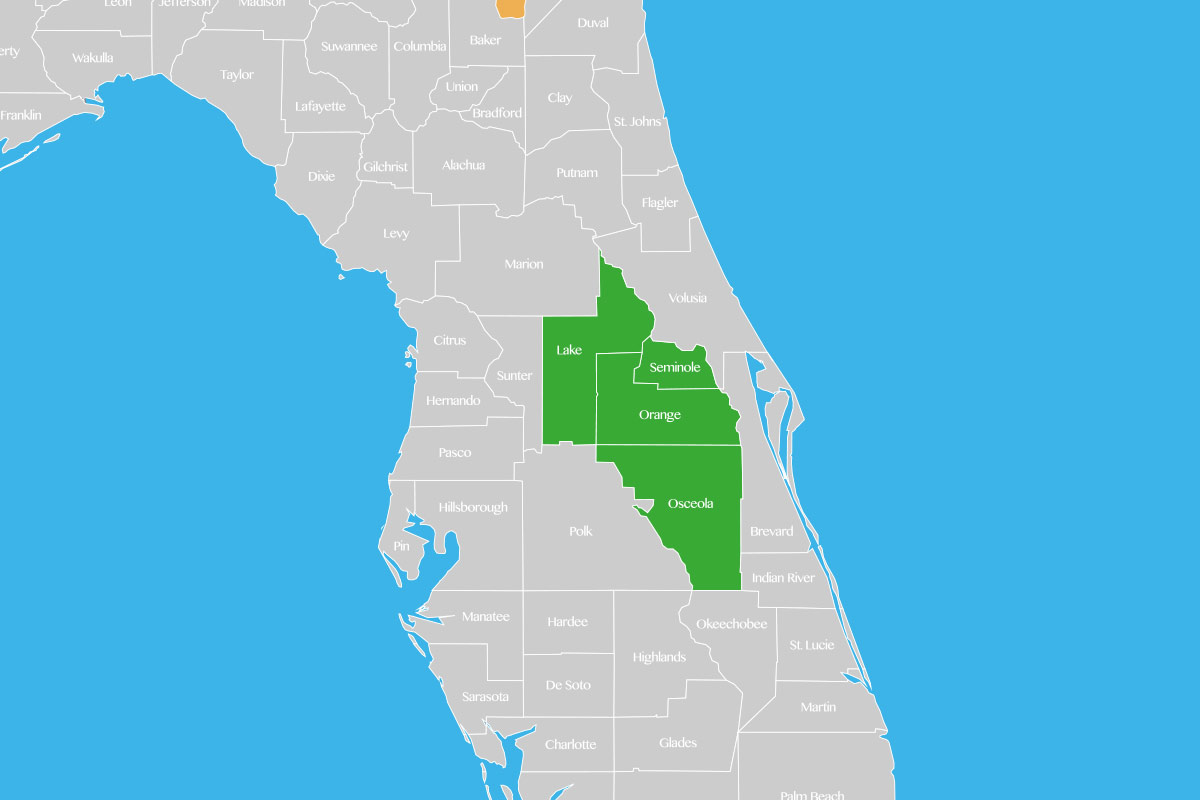
From a traveler’s perspective, being in Orange County means access to the core of Orlando’s urban experiences. This includes the bustling downtown area, numerous convention centers, cultural institutions, and a vast array of dining and shopping opportunities. The county’s well-developed infrastructure, supported by a robust local government, ensures that visitors can easily move between its various districts and access essential services. For those seeking the iconic Orlando experience, Orange County is where a significant portion of that magic unfolds.
Beyond the County Line: Orlando’s Greater Metropolitan Area
While the city of Orlando resides within Orange County, its influence and the broader travel destination extend well beyond its immediate borders. The Orlando metropolitan area, often referred to as Greater Orlando, is a vast region encompassing multiple counties, each contributing to the diverse tapestry of experiences available to visitors. Understanding these adjacent counties is crucial for any traveler looking to explore the full breadth of what Central Florida has to offer.
Osceola County and the Kissimmee Connection
Immediately south of Orange County lies Osceola County, a name inextricably linked with Orlando’s most famous attractions. The city of Kissimmee, the county seat of Osceola County, serves as a major gateway to the theme parks and is a popular choice for accommodations due to its proximity and value. Crucially, a significant portion of Walt Disney World Resort – including parts of its iconic parks and numerous resorts – actually falls within the jurisdiction of Osceola County, blurring the lines of what many perceive as solely “Orlando.” Travelers staying in Kissimmee or visiting certain sections of Disney World will technically be in Osceola County, experiencing a blend of the region’s urban development and its more natural, rural Florida landscapes.
Seminole County: North of Orlando
To the north of Orange County is Seminole County, which offers a different flavor of Central Florida. Cities like Sanford, Longwood, and Lake Mary provide a more suburban, laid-back experience compared to the bustling tourist corridors. Travelers venturing into Seminole County can discover beautiful natural springs, expansive parks, and charming downtown areas with unique local businesses. While not home to the major theme parks, Seminole County is easily accessible from Orlando and offers a tranquil escape, showcasing the region’s diverse offerings beyond the main attractions.
Other surrounding counties, such as Lake County to the west and Volusia County to the northeast (home to famous beaches like Daytona Beach), also contribute to the broader appeal of Central Florida as a travel destination. Their proximity means day trips are easily manageable, allowing visitors to combine the excitement of Orlando with coastal adventures or serene natural experiences.
Navigating Orlando: What the County Means for Travelers
Understanding the county structure in and around Orlando holds practical implications for travelers, influencing everything from transportation to local regulations. While the experience for many visitors might feel seamless, being aware of these distinctions can enhance a trip.
Transportation and Infrastructure
Orange County is home to Orlando International Airport (MCO), a major international hub that serves the entire Central Florida region. Its strategic location within Orange County makes it a convenient arrival point for guests heading to attractions in both Orange and Osceola Counties. The county’s extensive network of highways, including I-4, the Florida Turnpike, and various state roads, ensures relatively smooth transit between different parts of the metropolitan area. However, it’s worth noting that traffic can be heavy, especially during peak tourist seasons and commute times. Travelers should factor in travel times when planning their itineraries, especially when crossing county lines to reach attractions or accommodations.

Local Governance and Services
While general Florida state laws apply universally, specific local ordinances, taxes, and services can vary between counties and even individual cities within those counties. For instance, local sales tax rates or resort fees might have slight variations. Emergency services, public transportation routes, and even school district calendars (which can impact local traffic) are managed at the county or municipal level. Although these differences are usually minor for the average tourist, being aware of them can help travelers understand why certain experiences or amenities might differ slightly depending on their exact location within the greater Orlando area.
Geographic Orientation for Attractions
Perhaps the most significant impact of the county structure for travelers is its role in geographic orientation. Knowing which county a particular attraction resides in can help in planning routes, choosing accommodations, and even understanding the local vibe. The concentration of attractions within Orange and Osceola Counties means that most major theme parks are relatively close, but a few miles can translate into significant travel time depending on traffic.
Key Attractions and Their County Affiliation
To further clarify, here’s a breakdown of some of Orlando’s most celebrated attractions and their respective county locations:
- Walt Disney World Resort: This colossal entertainment complex famously straddles two counties. While some of its major components, such as Magic Kingdom, Epcot, Disney’s Hollywood Studios, and Disney’s Animal Kingdom, along with the Disney Springs entertainment complex and numerous resorts, are primarily located within Orange County, a substantial southern portion of the resort, including parts of Epcot and many of its themed resorts, extends into Osceola County.
- Universal Orlando Resort: Home to Universal Studios Florida, Universal’s Islands of Adventure, Universal’s Volcano Bay water park, and the CityWalk dining and entertainment complex, this entire resort is located firmly within Orange County, specifically along the northern stretch of International Drive.
- SeaWorld Orlando and Discovery Cove: These marine-themed parks, offering unique animal encounters and aquatic thrills, are also situated within Orange County, close to the International Drive corridor.
- International Drive (I-Drive): This famous thoroughfare, bustling with attractions, hotels, restaurants, and shopping, runs almost entirely within Orange County, serving as a central hub for many Orlando visitors.
- Downtown Orlando: The urban core of the city, known for its nightlife, cultural venues, and business district, is located squarely within Orange County.
Exploring Beyond the Theme Parks
While the theme parks are undeniably the primary magnet for travelers to Orlando, the region offers a wealth of other experiences that underscore the diversity of Central Florida, often found within or extending from Orange County.
Natural Beauty and Outdoor Activities
Central Florida boasts a surprising amount of natural beauty. Within Orange County, visitors can explore Kelly Park and Rock Springs Run, offering opportunities for tubing, swimming in crystal-clear springs, and wildlife viewing. Just north, in Seminole County, Wekiwa Springs State Park provides canoeing, kayaking, and hiking trails amidst stunning natural landscapes. These areas provide a refreshing contrast to the bustling theme parks, allowing travelers to connect with Florida’s unique ecosystems.
Cultural and Culinary Scene
Downtown Orlando, located in Orange County, offers a vibrant urban experience with a thriving arts scene, museums, and a diverse culinary landscape. The charming city of Winter Park, also in Orange County, is renowned for its upscale boutiques, art galleries, and acclaimed restaurants. Travelers seeking experiences beyond character meet-and-greets will find a rich tapestry of local culture and gastronomy within these areas, providing a more localized perspective of the destination.

Shopping and Entertainment
Beyond the theme parks, Orange County is a shopper’s paradise. Malls like The Florida Mall and the luxurious Mall at Millenia offer a vast selection of international brands and department stores. The various entertainment districts, from the themed areas around the major resorts to the independent venues downtown, ensure that there’s always something to do after the sun sets.
In conclusion, when asking “What county is Orlando in Florida?”, the concise answer is Orange County. However, a truly insightful understanding for travelers reveals that the allure and expansive experiences of Orlando extend into neighboring counties like Osceola and Seminole, forming a dynamic and diverse Central Florida travel destination. This geographical awareness not only clarifies locations but also enriches the planning and enjoyment of any visit to this magical part of the Sunshine State.
LifeOutOfTheBox is a participant in the Amazon Services LLC Associates Program, an affiliate advertising program designed to provide a means for sites to earn advertising fees by advertising and linking to Amazon.com. Amazon, the Amazon logo, AmazonSupply, and the AmazonSupply logo are trademarks of Amazon.com, Inc. or its affiliates. As an Amazon Associate we earn affiliate commissions from qualifying purchases.