
Navigating the vibrant landscape of Florida can be an enriching experience, whether for an extended stay, seasonal residency, or permanent relocation. For those looking to fully immerse themselves in local culture, access various services, or simply possess a recognized form of identification within the state, obtaining a Florida ID card is a practical and often essential step. Unlike a driver’s license, a state ID card serves purely as proof of identity and age, making it ideal for individuals who do not drive but still require official documentation. Understanding the requirements and process is key to a smooth application, enabling you to seamlessly integrate into the Florida lifestyle, from verifying age at local attractions to performing everyday transactions.
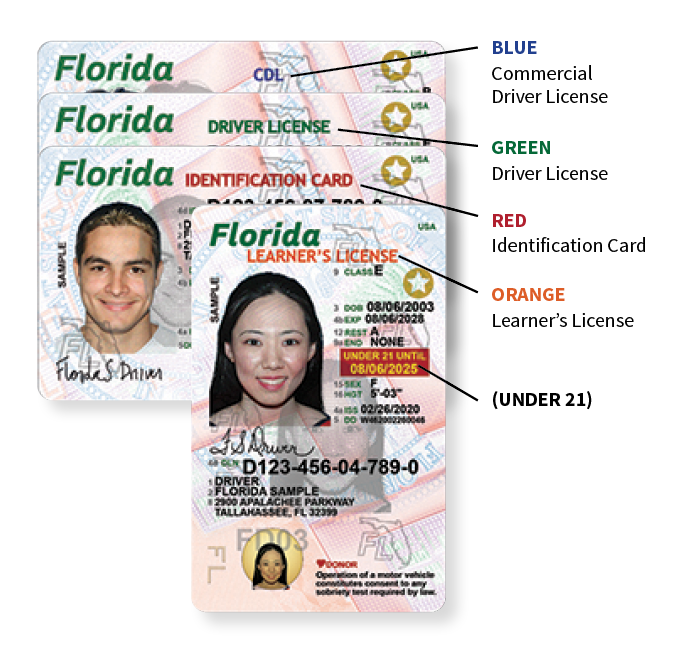
Understanding the Florida Identification System
The Florida Department of Highway Safety and Motor Vehicles (FLHSMV) is the governing body responsible for issuing official state identification cards and driver’s licenses. These documents are more than just plastic cards; they are your gateway to various aspects of life in the Sunshine State, from banking and employment to engaging in age-restricted activities or simply having a valid form of identification when needed. For tourists planning prolonged visits or individuals establishing new roots, securing a Florida ID streamlines countless interactions and reinforces your connection to the local community.
Who Needs a Florida ID Card?
While not mandatory for short-term visitors, a Florida ID card becomes increasingly beneficial for those planning an extended stay or considering permanent residency. It serves as primary proof of identity for a myriad of situations where a driver’s license might typically be used, but without the driving privilege attached. This includes:
- Non-Drivers: Individuals who do not operate a motor vehicle but require official government-issued identification. This could include elderly residents, those with medical conditions preventing them from driving, or urban dwellers relying on public transport in cities like Miami or Orlando.
- Proof of Age: Essential for purchasing age-restricted goods or services, entering establishments with age limits, or simply proving you are an adult in official capacities.
- Banking and Financial Transactions: Many financial institutions require a state-issued ID for opening accounts, cashing checks, or conducting other sensitive transactions.
- Accessing Local Services: From signing up for a library card in Tampa to accessing resident discounts at state parks or cultural institutions, a Florida ID can simplify these processes.
- Establishing Residency: While not the sole determinant, having a Florida ID is a strong indicator of intent to reside, which can be important for voter registration, tuition rates, and certain professional licenses.
It’s an invaluable tool for anyone looking to experience Florida life beyond the typical tourist itinerary, providing the administrative backbone for deeper engagement with the state’s offerings.
Florida ID vs. Driver’s License
The fundamental distinction between a Florida ID card and a Florida driver’s license lies in purpose. Both are official government-issued documents that confirm your identity and age. However:
- Florida ID Card: Primarily functions as proof of identity and age. It does not confer the privilege to operate a motor vehicle. It is typically issued to those who cannot or choose not to obtain a driver’s license.
- Florida Driver’s License: Serves as both proof of identity and age and grants the legal privilege to drive a vehicle on public roads in Florida (assuming the appropriate class and endorsements).
You can only hold one of these documents at a time. If you possess a valid Florida driver’s license, you do not need a separate Florida ID card, as the license fulfills all the identification functions of the ID card. Conversely, obtaining an ID card will typically require surrendering any existing Florida driver’s license you may hold.
Essential Documents for Your Application
To successfully obtain a Florida ID card, you will need to present a specific set of documents that verify your identity, Social Security number, and residential address. The FLHSMV adheres to federal and state regulations, including the REAL ID Act, which mandates stringent proof requirements to enhance security. It’s crucial to gather all necessary original documents (photocopies are generally not accepted unless specified) before visiting a Tax Collector’s Office or DMV service center.
Proof of Identity
You must provide one primary document from the list of acceptable identity proofs. This document must bear your full name and date of birth. Common examples include:
- Original or certified U.S. Birth Certificate.
- Valid unexpired U.S. Passport or Passport Card.
- Certificate of Naturalization.
- Valid unexpired Permanent Resident Card (Green Card).
- Valid unexpired foreign passport with a valid U.S. visa and I-94 form (for non-citizens).
- Valid unexpired Employment Authorization Card (EAD).
Ensure the name on your identity document matches your current legal name. If your name has changed due to marriage, divorce, or other legal processes, you will need to present original or certified copies of supporting documents (e.g., marriage certificate, divorce decree) to link your birth name to your current legal name.
Proof of Social Security Number
To comply with federal regulations, all applicants must provide proof of their Social Security Number (SSN). Acceptable documents include:
- Your original Social Security Card.
- W-2 Form.
- Paystub with your SSN.
- 1099 Form.
The document must display your full name and SSN. If you cannot locate your Social Security Card, you may need to contact the Social Security Administration (SSA) for a replacement or official verification. Individuals who are not eligible for an SSN (e.g., certain non-immigrants) must present a letter from the SSA verifying their ineligibility.
Proof of Residential Address
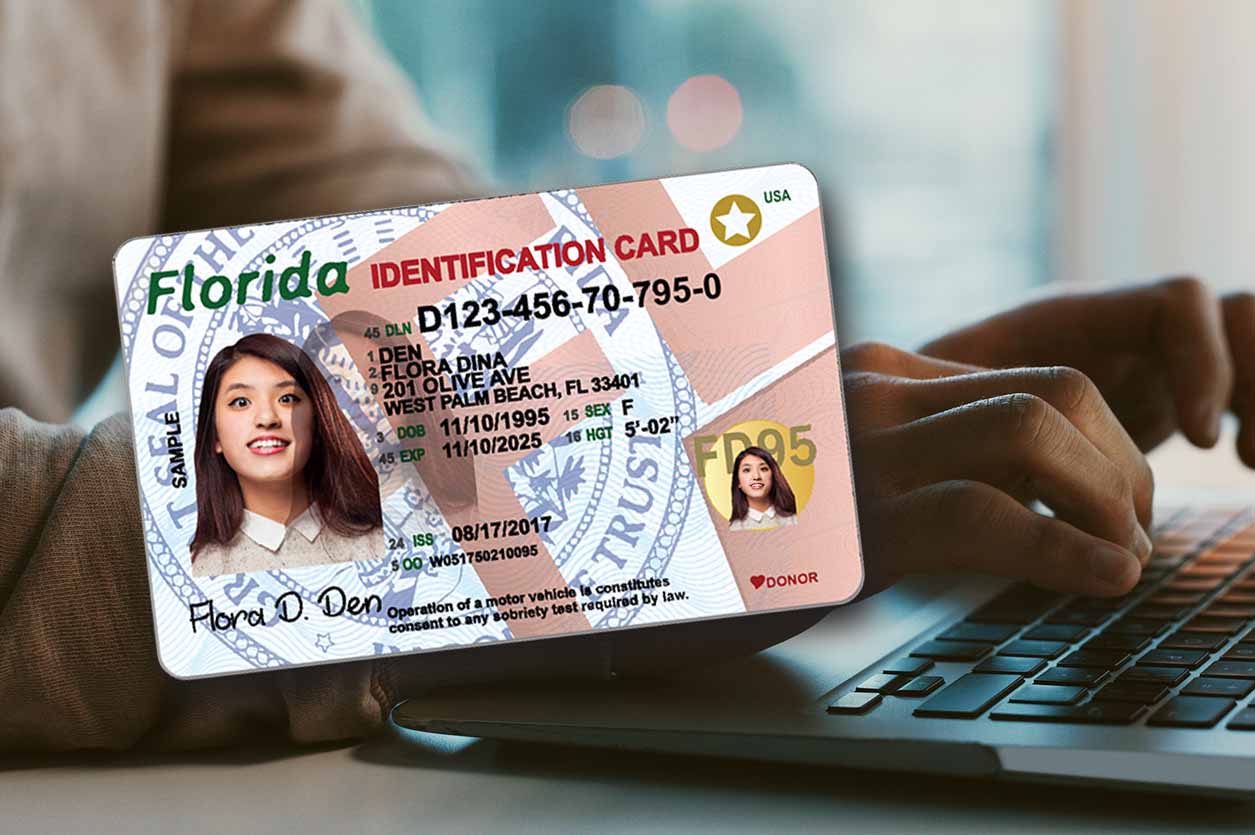
This is a critical requirement demonstrating your current physical residence in Florida. You must provide two different documents that show your current Florida residential address. P.O. boxes are not acceptable. Examples of acceptable documents include:
- Utility bill (electricity, water, gas, cable) dated within the last 60 days.
- Lease agreement or mortgage statement.
- Car registration or title.
- Bank statement dated within the last 60 days.
- Mail from a government agency (federal, state, county, city) dated within the last 60 days.
- Professional license issued by a Florida government agency.
- Homeowners or renters insurance policy.
The addresses on these two documents must match each other and reflect the address you will be providing on your application. For individuals who have recently moved, gathering these documents can sometimes be challenging, but they are non-negotiable for proving Florida residency.
Additional Requirements for Non-U.S. Citizens
Non-U.S. citizens have additional requirements related to their lawful presence in the United States. In addition to the proofs of identity, SSN (if applicable), and residential address, they must also provide:
- Valid unexpired foreign passport.
- Proof of lawful presence, such as a valid U.S. visa, Permanent Resident Card (Green Card), Employment Authorization Document (EAD), or I-94 Arrival/Departure Record.
- Documents issued by U.S. Citizenship and Immigration Services (USCIS) indicating their status.
The validity period of the Florida ID card for non-citizens will typically be tied to the expiration date of their lawful presence documents, up to a maximum of four years. It’s advisable for non-citizens to consult the FLHSMV website or call a service center directly for the most precise and up-to-date requirements for their specific immigration status.
The Application Process: Step-by-Step
Once you have meticulously gathered all the required documentation, the application process for a Florida ID card is relatively straightforward. Adhering to the proper steps ensures a smooth and efficient experience, getting you closer to holding your official Florida identification.
Scheduling Your Appointment
While walk-ins are sometimes accepted, many FLHSMV service centers, especially those operated by local Tax Collector’s Offices, strongly recommend or even require appointments. Scheduling an appointment online through the FLHSMV or your local Tax Collector’s Office website can save you significant waiting time. When booking, select the service for “Original Florida ID Card.” This step is crucial, particularly in popular areas like Orlando or Fort Lauderdale, where demand can be high.
Visiting the DMV or Tax Collector’s Office
On the day of your appointment, arrive punctually with all your original documents. You will visit a Florida driver’s license service center or a county Tax Collector’s Office that offers driver’s license services. Here’s what to expect:
- Check-in: Present your appointment confirmation (if applicable) and initial documents.
- Document Review: A technician will meticulously review all your submitted documents to ensure they meet the FLHSMV requirements. Any discrepancies or missing documents will lead to a delay or rejection of your application.
- Application Form: You will complete an application form, providing personal details.
- Vision Test (Optional): While primarily for driver’s licenses, some centers may conduct a basic vision screening even for ID cards, though it’s less common.
- Photo: Your photograph will be taken for the ID card. Ensure you are prepared for this, as it will be the image on your official identification for years.
- Signature: You will provide a digital signature.
- Fingerprints: Digital fingerprints may also be collected.
Remain patient and polite throughout the process. The technicians are there to assist you in navigating the state’s requirements.
Fees and Payment
There is a fee associated with obtaining an original Florida ID card. As of recent updates, the fee for an original or renewal Florida ID card is typically around $25. This fee is subject to change, so it’s always wise to check the official FLHSMV website for the most current pricing. Most service centers accept various forms of payment, including cash, checks, and major credit/debit cards, though it’s always prudent to confirm payment options with your specific service center beforehand. After processing, you will typically receive a temporary paper ID. Your permanent, laminated Florida ID card will be mailed to your residential address within a few weeks.
Maintaining Your Florida ID
Once you have your Florida ID, it’s important to understand how to maintain its validity and what to do in case of changes or loss. Proper maintenance ensures continuous, hassle-free identification.
Renewals and Updates
Florida ID cards are typically valid for eight years for U.S. citizens and permanent residents, or for a period corresponding to your lawful presence for non-citizens. You will receive a renewal notice by mail approximately 60 days before your ID expires. Renewals can often be completed online, via mail, or in person at a service center, depending on your eligibility and whether changes are required.
It is crucial to update your Florida ID if any information changes, such as your name or residential address. A change of address can often be updated online, but a name change typically requires an in-person visit with supporting legal documentation (e.g., marriage certificate, court order). Failing to update your ID can lead to complications when trying to use it for identification purposes.

Lost or Stolen ID Cards
Losing your Florida ID can be a stressful event, but replacing it is a straightforward process. If your ID is lost or stolen, it is advisable to report it to local law enforcement, especially if you suspect identity theft. To obtain a replacement:
- Gather Documents: You will need to bring proof of identity (one document), proof of SSN (one document), and two proofs of residential address, just as you did for your original application.
- Visit a Service Center: Go to a FLHSMV or Tax Collector’s Office. An appointment is highly recommended.
- Pay Fee: There is a replacement fee, similar to the original application fee.
Having an official Florida ID card is more than just a formality; it’s a vital component of engaging with and enjoying all that Florida has to offer, particularly for those establishing a more permanent presence. By understanding and following these guidelines, you can ensure a smooth process and secure your official state identification with ease.
LifeOutOfTheBox is a participant in the Amazon Services LLC Associates Program, an affiliate advertising program designed to provide a means for sites to earn advertising fees by advertising and linking to Amazon.com. Amazon, the Amazon logo, AmazonSupply, and the AmazonSupply logo are trademarks of Amazon.com, Inc. or its affiliates. As an Amazon Associate we earn affiliate commissions from qualifying purchases.