
Florida, often celebrated for its sun-drenched beaches and vibrant theme parks, holds a lesser-known but equally compelling allure for the culinary traveler: its astonishing array of fresh, seasonal fruits. The state’s subtropical climate creates an ideal environment for a diverse harvest, offering visitors a unique opportunity to taste the Sunshine State’s authentic flavors directly from the source. For those planning a trip, understanding Florida’s fruit seasons is key to unlocking a truly immersive and delicious tourism experience, transforming a simple vacation into a gastronomic adventure.
The Sunshine State’s Year-Round Orchard: A Culinary Tourism Perspective
Florida’s geographical position, primarily within the subtropical zone, grants it a distinct advantage in fruit cultivation, allowing for an almost continuous harvest of various species throughout the year. Unlike temperate regions with a single, concentrated growing season, Florida boasts multiple harvest windows, ensuring that fresh, locally grown produce is almost always available. This agricultural abundance is not merely a matter of farming; it’s a cornerstone of the state’s local culture and an attractive draw for food-focused tourism.

For the discerning traveler, seeking out seasonal fruits offers a genuine connection to the destination. It’s an opportunity to move beyond mass-produced flavors and savor the distinct sweetness, tang, or earthiness that only perfectly ripe, locally sourced fruit can provide. Engaging with Florida’s fruit seasons means more than just eating; it involves visiting farmers’ markets, exploring U-pick farms, and discovering local eateries that champion farm-to-table practices. This deepens the travel experience, allowing visitors to taste the landscape, understand local agricultural traditions, and support community growers. From the citrus groves of Central Florida to the tropical fruit farms of South Florida, each region offers its own distinct fruit narrative, inviting tourists to explore and indulge.
Seasonal Delights: A Quarterly Guide to Florida’s Fruit Harvest
Understanding the rhythm of Florida’s harvest seasons is crucial for any fruit enthusiast. While some fruits overlap across seasons, each period has its stars.
Spring’s Sweet Awakening (March – May)
As winter’s chill fades, Florida bursts into a vibrant spring, bringing forth an array of sweet and tangy treasures. March marks the tail end of the renowned Florida strawberry season, particularly strong in areas like Plant City, where visitors can still find late-season berries brimming with flavor. Following closely are blueberries, which flourish across the state, offering a delightful tart-sweet burst. This period also sees the emergence of more exotic fruits. Lychees, with their translucent flesh and floral aroma, begin their short, anticipated season, primarily in South Florida. Longans, a close cousin to the lychee, often follow. Early peaches, though not as prolific as Georgia’s, are grown in certain areas, providing a delicate sweetness. Mulberries also appear, often found at small local farms, offering a deep, berry flavor. The first wave of Florida avocados (the larger, waterier type) also starts to show up towards the end of spring, particularly around Homestead.
Summer’s Tropical Bounty (June – August)
Florida’s summer is synonymous with tropical abundance. This is undoubtedly the peak season for mangoes, arguably Florida’s most celebrated tropical fruit. Dozens of varieties, from the sweet ‘Tommy Atkins’ to the rich ‘Kent’ and fibrous ‘Haden’, ripen, particularly in the southern reaches of the state around Miami and Fort Lauderdale. The lychee and longan seasons continue through early summer, but they are quickly joined by a diverse cast of other exotic fruits. Starfruit (carambola) becomes widely available, its crisp, sweet-tart taste and distinctive shape making it a favorite. Passion fruit, with its intense aromatic pulp, offers a vibrant flavor, perfect for juices or desserts. Guavas, both the pink and white-fleshed varieties, ripen throughout the summer, emitting a sweet, musky perfume. Blackberries also have a shorter season early in the summer. Dragon Fruit (pitaya), with its stunning appearance and subtly sweet flavor, is increasingly cultivated, especially in South Florida farms, providing a unique summer treat.
Autumn’s Luscious Harvest (September – November)

As the intense summer heat begins to wane, Florida’s autumn brings a different set of flavors, transitioning towards the citrus season while still offering some lingering tropical notes. This is when the early varieties of Florida citrus, such as Navel Oranges and certain types of Grapefruit, begin to make their appearance, particularly in the northern and central parts of the state. Persimmons, both the astringent Hachiya and the non-astringent Fuyu, are harvested, offering a delicate sweetness when ripe. Guavas continue their harvest well into the fall, and sugar apples, with their custard-like texture and sweet, gritty flesh, become available. Canistel, also known as eggfruit for its texture resembling a hard-boiled egg yolk, is another unique tropical fruit that ripens in late autumn. These diverse offerings ensure that culinary tourists visiting in the fall have a wide range of fresh, local options.
Winter’s Citrus Crown (December – February)
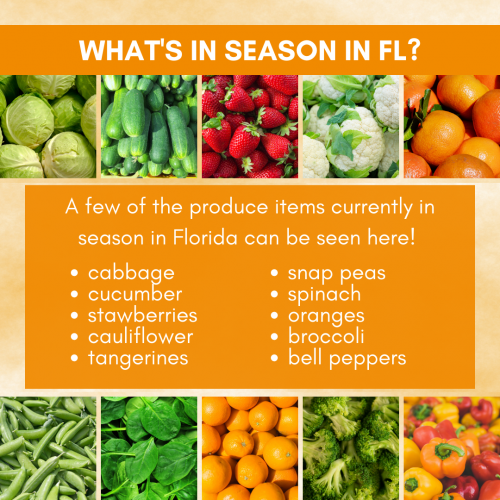
Winter in Florida is synonymous with citrus. This is the peak season for the state’s world-famous oranges, grapefruits, tangerines, and tangelos. Varieties like the sweet Hamlin and vibrant Valencia oranges are abundant, filling roadside stands and groves across the state. Ruby Red and Duncan grapefruits are at their juicy best. Tangerines, with their easy-to-peel skin and intense sweetness, become ubiquitous, particularly varieties like Honeybell tangelos (a hybrid of tangerine and grapefruit), celebrated for their bell shape and rich flavor. Kumquats, tiny but potent citrus fruits eaten whole, skin and all, also have their prime season. Interestingly, winter also marks the beginning of the next strawberry season in late December, offering an early taste of spring’s bounty. Exploring a citrus grove or participating in a citrus festival becomes a quintessential Florida winter experience, highlighting the state’s agricultural heritage and providing fresh, vitamin-rich produce.
Experiencing Florida’s Fruit Culture: Beyond the Grove
To truly immerse oneself in Florida’s fruit culture, tourists must venture beyond merely knowing the seasons. The journey of discovery involves active participation and engagement with local communities.
Navigating Farmers’ Markets
Florida’s farmers’ markets are vibrant hubs where the state’s agricultural bounty is proudly displayed. These markets offer an unparalleled opportunity for tourists to interact directly with growers, learn about specific fruit varieties, and taste samples. Cities like Orlando host the popular Orlando Farmers Market at Lake Eola Park, while St. Petersburg boasts the St. Petersburg Saturday Morning Market, both offering a diverse range of seasonal fruits, alongside local crafts and prepared foods. In Miami, the Vizcaya Village Farmers Market provides a picturesque setting for sourcing local produce. These markets are not just shopping destinations; they are cultural experiences, bustling with local life and offering a sensory feast of colors, aromas, and flavors.
U-Pick Farms: An Engaging Activity
For families and those seeking an active, outdoor experience, visiting a U-pick farm is an unforgettable activity. These farms allow visitors to pick their own fruit directly from the trees or bushes, offering a hands-on connection to the food source. Pioneer Village Orchard in Oviedo for blueberries, or numerous strawberry farms in Plant City during winter, exemplify this immersive experience. It’s an educational outing that teaches about agriculture while providing fresh, ripe fruit at its peak. Many U-pick farms also feature farm stores with jellies, jams, and baked goods made from their produce, extending the culinary delight.
Culinary Adventures: Savoring Seasonal Flavors
Florida’s culinary scene increasingly embraces its local produce, making seasonal fruits a highlight on restaurant menus. From upscale establishments in Sarasota featuring a seasonal mango salsa to casual diners in the Florida Keys serving authentic Key lime pie (though Key limes are actually available year-round, with peak in summer), the influence of local fruit is widespread. Beyond formal dining, tourists can explore numerous roadside fruit stands, particularly in agricultural areas like Homestead or along scenic routes, offering fresh juices, smoothies, and cut fruit. Attending fruit festivals, such as the Florida Strawberry Festival in Plant City or various mango festivals in South Florida during summer, provides an even deeper dive into local food traditions and celebrates the harvest with community spirit.
Planning Your Fruit-Centric Florida Getaway
For tourists eager to weave Florida’s seasonal fruits into their travel itinerary, a little planning goes a long way. Begin by researching the specific fruits you wish to experience and then align your travel dates with their peak harvest times. Remember that microclimates within Florida can influence exact ripening schedules, so checking local farm websites or tourist board resources close to your visit is always recommended. Consider focusing your trip on a particular region known for certain fruits; for example, South Florida for tropical fruits in summer, or Central Florida for citrus in winter. Embracing this aspect of Florida’s tourism offers a refreshing and authentic perspective on the state, moving beyond typical attractions to a rich, flavorful exploration of its natural bounty and local culture.
LifeOutOfTheBox is a participant in the Amazon Services LLC Associates Program, an affiliate advertising program designed to provide a means for sites to earn advertising fees by advertising and linking to Amazon.com. Amazon, the Amazon logo, AmazonSupply, and the AmazonSupply logo are trademarks of Amazon.com, Inc. or its affiliates. As an Amazon Associate we earn affiliate commissions from qualifying purchases.