
A Season of Unprecedented Impact on the Sunshine State
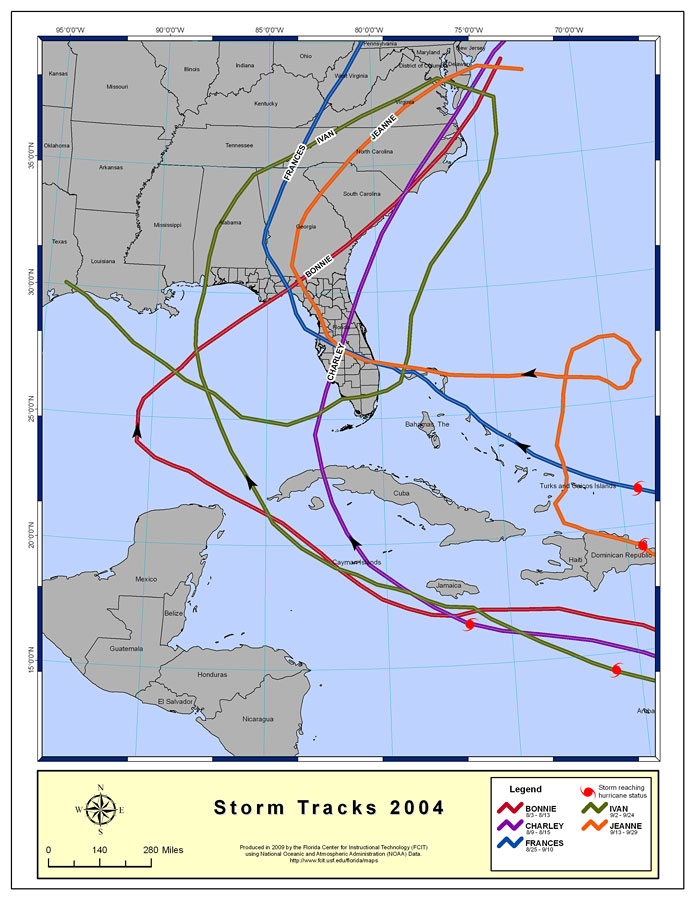
The year 2004 stands as a stark chapter in Florida’s history, a period when the Sunshine State faced an extraordinary barrage of four powerful hurricanes within a span of six weeks. This unprecedented hurricane season tested the resilience of Florida’s communities, its infrastructure, and significantly impacted its vital tourism and travel industry. Understanding these events offers invaluable insight into the state’s preparedness, recovery mechanisms, and the enduring spirit that continues to make Florida a premier travel destination. The collective force of Hurricanes Charley, Frances, Ivan, and Jeanne reshaped landscapes, challenged travel logistics, and prompted significant advancements in disaster response and urban planning, all crucial considerations for travelers and tourism stakeholders.

Hurricane Charley: A Direct Hit to the Southwest Coast
Hurricane Charley was the first major hurricane of the 2004 season to strike Florida, making landfall on August 13 as a Category 4 storm near Punta Gorda in Charlotte County. What made Charley particularly devastating was its rapid intensification just hours before landfall, giving residents and visitors little time to prepare for its destructive 145 mph winds. Its compact size allowed it to maintain its intensity as it tracked northeast across the state, impacting major population centers like Orlando.
For the travel industry, the impact was immediate and severe. Southwest Florida’s pristine beaches, barrier islands, and charming coastal towns, popular among tourists, suffered extensive damage. Hotels, vacation rentals, and restaurants were either destroyed or heavily damaged, forcing closures and long-term rebuilding efforts. Theme parks in Orlando, while not directly hit by the strongest winds, experienced operational disruptions, including temporary closures and reduced visitor numbers as travelers altered their plans. Airports like Southwest Florida International Airport in Fort Myers and Orlando International Airport faced cancellations and delays, stranding many and disrupting travel itineraries across the globe. The immediate aftermath saw a halt in leisure travel to affected areas, with resources redirected towards emergency response and recovery.
Hurricane Frances: A Slow Grind Across the Peninsula
Just three weeks after Charley, Hurricane Frances made landfall on September 5 as a Category 2 hurricane near Stuart, on Florida’s East Coast. Unlike Charley’s swift passage, Frances was a large, slow-moving storm that traversed the entire Florida peninsula, exiting near the Tampa Bay area. Its slow movement led to prolonged periods of hurricane-force winds, torrential rainfall, and significant storm surge, particularly along the Atlantic coastline.
The broad impact of Frances meant that a much larger swathe of Florida experienced disruptions. Coastal communities from Palm Beach to the Space Coast endured severe erosion, damage to beachfront properties, and widespread power outages. Major interstates like I-95 and I-4 were impacted by flooding or debris, complicating evacuation routes and subsequent access for emergency services and travelers. Cruise ship departures from ports like Port Canaveral and Port Everglades were delayed or canceled, affecting thousands of passengers. The agricultural tourism sector, including citrus groves and U-pick farms, suffered considerable losses, impacting a unique aspect of Florida’s rural travel experiences.
Hurricane Ivan: Devastation in the Florida Panhandle
While Florida was still reeling from Charley and Frances, the powerful Category 3 Hurricane Ivan made landfall near Gulf Shores, Alabama, on September 16, but its catastrophic impact was felt profoundly across the Florida Panhandle. Communities in Escambia County and Santa Rosa County, including Pensacola, experienced immense damage from destructive winds, extensive flooding, and an unprecedented storm surge that topped 10-15 feet in some areas.
The Panhandle’s sugar-white beaches and emerald waters, a significant draw for family vacations and spring breakers, were particularly vulnerable. Iconic landmarks like the Pensacola Bay Bridge were destroyed, cutting off vital transportation links. Beachfront hotels, condominium complexes, and rental properties were severely damaged or washed away, leading to a complete shutdown of the tourism sector in the affected zones for months, and in some cases, years. Fishing charters, water sports operators, and other recreational tourism businesses faced monumental losses, impacting local economies heavily reliant on visitor spending. The extensive recovery efforts required significant time and investment, diverting resources that would otherwise support tourism development.
Hurricane Jeanne: Retracing Frances’s Path
To compound the already dire situation, Hurricane Jeanne arrived on September 25, making landfall as a Category 3 hurricane near Stuart – almost exactly where Frances had hit just weeks prior. This rare double-landfall intensified the damage in areas still struggling to recover. Jeanne then tracked across the state, mirroring much of Frances’ path.
The repeated impact was psychologically and economically draining for communities and the travel industry. Areas like Indian River County and St. Lucie County endured further destruction to already compromised infrastructure. Homes and businesses that had seen temporary repairs after Frances were once again devastated, prolonging recovery timelines for hotels, vacation homes, and local attractions. The cumulative effect meant sustained loss of tourism revenue, increased insurance premiums, and a significant exodus of construction workers and recovery personnel into the region, placing additional strain on limited accommodation resources. Travel advisories remained in effect for extended periods, further deterring potential visitors.
Rebuilding and Resilience: The Travel Industry’s Comeback
The aftermath of the 2004 hurricane season presented a colossal challenge to Florida’s travel and tourism industry. However, the state’s response highlighted its remarkable resilience and commitment to its status as a world-class destination.
Infrastructure Challenges and Solutions
The immediate challenge was the restoration of essential infrastructure. Roads, bridges, airports, and utilities were extensively damaged. The state, in conjunction with federal aid, initiated massive reconstruction efforts. For travelers, this meant a period of limited access to certain areas, but also the eventual emergence of more resilient and modern infrastructure. For example, damaged coastal roads were often rebuilt to higher standards, incorporating lessons learned about storm surge and erosion. Airports underwent significant repairs and upgrades, enhancing their operational efficiency and preparedness for future events. Port authorities worked tirelessly to restore cruise operations, which are a major part of Florida’s travel appeal, often within days or weeks, demonstrating robust contingency planning.
Attracting Visitors Back: Marketing and Adaptation
Once the initial recovery phase passed, the tourism boards and local businesses launched concerted marketing campaigns to reassure travelers that Florida was open for business. Messaging focused on the recovery efforts, the beauty that remained, and the welcoming spirit of the locals. Many resorts and attractions used the opportunity to rebuild with enhanced facilities and improved hurricane-resistant designs. Some areas even highlighted their journey of recovery as a unique narrative, showcasing the strength and community spirit that emerged from adversity. This period also saw a greater emphasis on domestic tourism as international travel sometimes takes longer to rebound after significant natural disasters. Travel agencies and tour operators played a crucial role in disseminating accurate information and helping travelers navigate updated itineraries and new offerings.
Long-Term Lessons for Florida Travel
The 2004 hurricane season fundamentally reshaped how Florida approaches disaster preparedness and its implications for the travel sector.
Enhanced Preparedness and Safety Measures
The experiences of 2004 led to significant improvements in Florida’s emergency management systems. Evacuation plans were refined, communication protocols were strengthened, and building codes were rigorously enforced and updated to withstand stronger winds and flooding. For travelers, this translates to a safer environment, with clearer guidance on what to do in the event of a storm, from well-marked evacuation routes to comprehensive information resources provided by hotels and local authorities. The National Hurricane Center and local weather services enhanced their forecasting capabilities and public outreach, allowing for more timely and accurate warnings, crucial for travelers making last-minute adjustments. Many tourism businesses now have detailed hurricane plans, including arrangements for guest safety, facility hardening, and post-storm recovery.
Sustainable Tourism and Environmental Considerations
The widespread environmental damage, particularly to coastal ecosystems, highlighted the importance of sustainable tourism practices. There was a renewed focus on coastal restoration, dune reconstruction, and the protection of natural habitats that are vital to Florida’s allure. Travel experiences increasingly integrate ecological awareness, from eco-tours emphasizing conservation to resorts adopting greener practices. The lessons from 2004 underscored that protecting Florida’s natural beauty is not just an environmental imperative but also an economic necessity for its tourism industry.

Planning Travel to Florida Today: A Resilient Destination
Despite the challenges of 2004, Florida has consistently demonstrated its capacity to recover and thrive. Today, Florida remains one of the world’s most visited destinations, renowned for its diverse attractions, vibrant cities like Miami, Tampa, and Jacksonville, and stunning natural beauty. Travelers planning a visit, particularly during hurricane season (June 1 to November 30), can do so with confidence, knowing that the state has robust systems in place.
It is always advisable for travelers to purchase travel insurance, stay informed about weather forecasts from reliable sources like the National Weather Service, and be aware of their accommodation’s hurricane preparedness policies. The story of 2004 is a testament not to vulnerability, but to the enduring spirit of Florida and its people. It serves as a powerful reminder of how challenges can lead to innovation, stronger communities, and a more resilient and prepared destination for travelers worldwide. The experience reinforced Florida’s commitment to welcoming visitors, showcasing a state that has learned, adapted, and continues to offer unforgettable travel experiences amidst its dynamic natural environment.
LifeOutOfTheBox is a participant in the Amazon Services LLC Associates Program, an affiliate advertising program designed to provide a means for sites to earn advertising fees by advertising and linking to Amazon.com. Amazon, the Amazon logo, AmazonSupply, and the AmazonSupply logo are trademarks of Amazon.com, Inc. or its affiliates. As an Amazon Associate we earn affiliate commissions from qualifying purchases.