
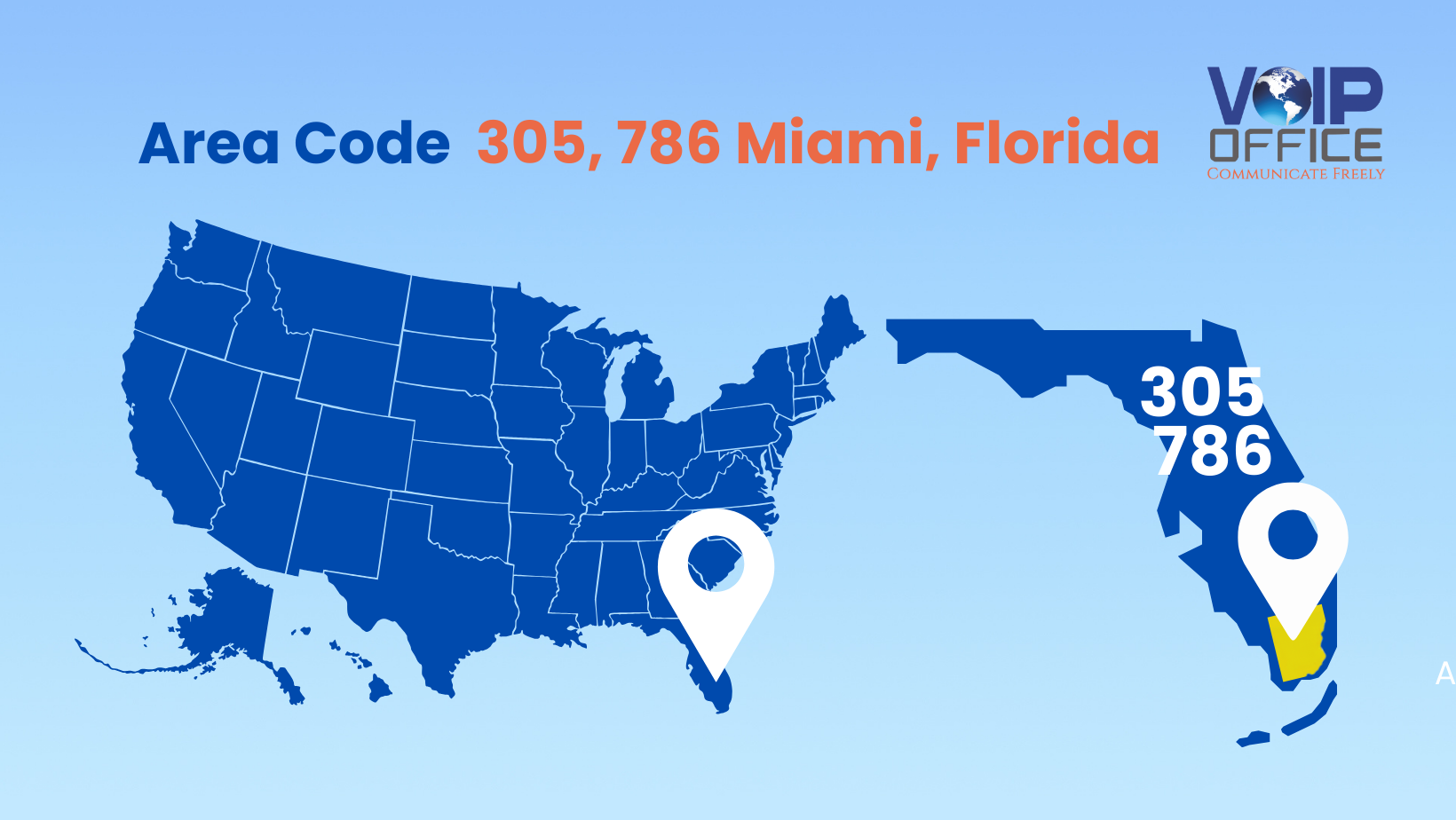
When planning a trip to Miami, Florida, understanding the local communication landscape is as essential as packing your swimwear. While the city’s vibrant culture and stunning beaches often take center stage, practical details like area codes are crucial for seamless travel, whether you’re making dinner reservations, coordinating with tour operators, or simply staying in touch with newfound friends. The primary area code for Miami and its surrounding urban areas is 305. However, due to the region’s expansive growth, an overlay area code, 786, was introduced, meaning new numbers in the same geographic region can be assigned either 305 or 786. Therefore, when dialing within Miami or to a Miami number, a 10-digit dial (area code + 7-digit number) is mandatory.

Navigating Communication in Miami: The Essential Area Codes
Miami’s rapid development and increasing population have necessitated a robust telecommunications infrastructure. For travelers, understanding the area code system ensures uninterrupted connectivity and effortless communication throughout their stay. The area codes serve as a geographical identifier, helping callers connect to the correct region, a practice that remains relevant even in an age dominated by mobile phones and digital communication platforms.
The Primary 305/786 Overlay
The 305 area code has historically served Miami-Dade County and the Florida Keys. As demand for new phone numbers surged, particularly in the bustling metropolis of Miami, the 786 area code was introduced as an overlay. This means that both 305 and 786 numbers coexist within the same geographical boundaries, primarily covering areas like Miami Beach, Coral Gables, Hialeah, and South Miami. For travelers, this implies that any local contact – a restaurant, a hotel, or a tour guide – could have either a 305 or 786 number. Consequently, always dial all ten digits (area code + 7-digit number) when making a call, even if it’s a local call within Miami.
Understanding the 954/754 Codes for Greater South Florida
While 305 and 786 are specific to Miami and the Florida Keys, visitors exploring the broader South Florida region should also be aware of the 954 and 754 area codes. These serve Broward County, which includes cities like Fort Lauderdale and Hollywood. Many travelers choose to combine a Miami trip with excursions to these neighboring areas, whether for their distinct beaches, cultural attractions, or to fly into Fort Lauderdale-Hollywood International Airport. Knowing these additional codes can be helpful if you plan to venture north of Miami-Dade County.
Why Area Codes Matter for Travelers
In today’s digital age, with apps and Wi-Fi calling, the significance of area codes might seem diminished. However, they remain crucial for several reasons for travelers:
- Emergency Services: Knowing you’re dialing a local emergency number can ensure faster, more accurate routing.
- Local Businesses: Many local businesses, especially smaller ones, rely on traditional phone lines for reservations, inquiries, and customer service.
- Connectivity: For international travelers relying on local SIM cards or roaming plans, understanding local dialing conventions prevents confusion and ensures calls connect correctly.
- Rental Services: From car rentals to yacht charters, timely and accurate phone communication is often key to booking and coordination.
- Networking: Meeting locals or fellow travelers often involves exchanging phone numbers, making knowledge of local area codes a minor but useful social detail.
Miami as a Premier Travel Destination: Beyond the Dial Tone
Miami is more than just a set of area codes; it’s a global icon for luxury, culture, and vibrant experiences. This cosmopolitan hub, nestled on the southeastern tip of Florida, beckons travelers with its unique blend of urban sophistication and tropical allure. Its proximity to Latin America has infused the city with a distinctive, multicultural character that permeates its cuisine, music, and art scene.
Sun-Kissed Beaches and Vibrant Watersports
No discussion of Miami travel is complete without highlighting its world-renowned beaches. South Beach, with its iconic pastel-colored lifeguard stands and energetic atmosphere, is a must-visit. Here, you can soak up the sun, swim in the warm Atlantic waters, or partake in popular watersports like jet-skiing, paddleboarding, and parasailing. Beyond South Beach, other pristine stretches of sand include Mid-Beach and North Beach, offering a slightly calmer ambiance. The shimmering waters of Biscayne Bay provide opportunities for boating, fishing charters, and scenic cruises, revealing the city’s stunning skyline from a different perspective.
Architectural Marvels and Art Deco Charm
Miami’s aesthetic appeal extends far beyond its natural beauty. The Art Deco Historic District in South Beach is a living museum of 1930s architecture, featuring over 800 preserved buildings. Walking tours provide an insightful journey into this distinctive architectural style, characterized by geometric patterns, vibrant colors, and whimsical details. Beyond Art Deco, the city boasts modern architectural marvels in areas like Brickell and Downtown Miami, where gleaming skyscrapers pierce the sky, housing luxury condominiums and corporate headquarters. Historic sites like Vizcaya Museum & Gardens offer a glimpse into early 20th-century grandeur with European-inspired architecture and meticulously landscaped gardens.
Culinary Journeys and Nightlife
Miami’s culinary scene is a tantalizing fusion of international flavors, heavily influenced by Latin American and Caribbean traditions. From authentic Cuban sandwiches in Little Havana to upscale dining experiences in South Beach and the Design District, the city caters to every palate. Fresh seafood is a staple, with countless restaurants offering ceviche, stone crabs, and grilled snapper. The nightlife is legendary, with world-class clubs on Ocean Drive and Washington Avenue attracting international DJs and celebrities. For a more laid-back evening, Wynwood‘s trendy bars and Coconut Grove‘s charming pubs offer diverse options for enjoying a cocktail under the stars.

Planning Your Miami Getaway: Practical Travel Tips
A well-planned trip to Miami ensures maximum enjoyment of all the city has to offer. Beyond knowing the area codes, practical considerations like transportation, timing, and packing are paramount for a seamless travel experience.
Getting Around: Transportation in the Magic City
Miami is a sprawling city, and while certain areas like South Beach are walkable, having a transportation strategy is crucial.
- Ride-Sharing Services: Uber and Lyft are readily available and often the most convenient way to travel between districts, especially for evening outings.
- Public Transportation: The Metromover (free) serves Downtown Miami and Brickell, connecting key attractions and transit hubs. The Metrorail extends further, connecting to Miami International Airport and various neighborhoods. Buses cover extensive routes across Miami-Dade County.
- Taxis: Available, particularly at airports and major hotel fronts.
- Rental Cars: Recommended for those planning to explore beyond the immediate city limits, such as a day trip to the Everglades National Park or the Florida Keys. Be prepared for traffic and parking challenges, especially in popular areas.
Best Times to Visit for Optimal Experience
Miami enjoys a tropical monsoon climate, meaning distinct wet and dry seasons.
- Dry Season (November to April): This is widely considered the best time to visit. Temperatures are pleasant (mid-70s to low 80s Fahrenheit), humidity is lower, and there’s less rainfall. This period coincides with peak tourist season, meaning higher prices and larger crowds.
- Wet Season (May to October): Characterized by hotter temperatures (high 80s to low 90s), high humidity, and frequent afternoon thunderstorms. This is also hurricane season, so travel insurance is highly recommended. However, it offers fewer crowds and lower prices for accommodation and flights.
Essential Packing List for a Tropical Escape
To fully enjoy your Miami adventure, pack smart:
- Lightweight Clothing: Breathable fabrics like linen and cotton are ideal for the warm, humid climate.
- Swimwear: Essential for beach days and hotel pools.
- Sun Protection: Sunscreen (high SPF), sunglasses, and a wide-brimmed hat are non-negotiable.
- Comfortable Walking Shoes: For exploring neighborhoods like Little Havana or the Art Deco Historic District.
- Dressier Outfit: For upscale dining and nightlife experiences.
- Rain Gear: A light rain jacket or umbrella, especially during the wet season.
- Insect Repellent: Particularly if you plan to visit natural areas like the Everglades.
Connecting with Local Experiences: From South Beach to Little Havana
Miami is a tapestry of diverse neighborhoods, each offering a distinct flavor and experience. Exploring these areas is key to understanding the city’s multifaceted identity and appreciating its global appeal.
South Beach and the Art Deco Historic District
South Beach is undoubtedly Miami’s most famous stretch, synonymous with glamour, beautiful people, and an endless party atmosphere. Beyond the lively sands and shimmering waters, the Art Deco Historic District captivates visitors with its unique architectural heritage. Stroll along Ocean Drive, Collins Avenue, and Española Way to admire the pastel-hued buildings, many housing boutique hotels, restaurants, and shops. By day, it’s perfect for people-watching and beach relaxation; by night, the illuminated facades and bustling establishments create an electrifying ambiance. Don’t miss Lincoln Road Mall, an open-air pedestrian mall offering diverse shopping and dining options.
Little Havana: A Cultural Immersion
For a profound cultural experience, a visit to Little Havana is indispensable. This vibrant Cuban enclave pulsates with the rhythms of salsa and the aroma of Cuban coffee. Stroll down Calle Ocho, the heart of the neighborhood, where you’ll find cigar shops rolling fresh cigars, ventanitas serving strong Cuban coffee, and domino players engrossed in their games at Maximo Gomez Park (Domino Park). The annual Calle Ocho Festival brings an explosion of music, food, and dance, embodying the spirited heart of the Cuban diaspora in Miami.
Wynwood Walls and the Thriving Arts Scene
The Wynwood Art District has transformed from a warehouse district into one of the world’s largest open-air street art installations. The centerpiece, Wynwood Walls, showcases colossal, colorful murals by renowned international street artists. Beyond the walls, the entire neighborhood is adorned with vibrant graffiti and thought-provoking installations, making it an art lover’s paradise. The district also boasts numerous art galleries, trendy boutiques, craft breweries, and eclectic restaurants, making it a popular destination for both daytime exploration and lively evening entertainment.
Everglades National Park: A Natural Wonder Nearby
Just a short drive from the urban buzz of Miami lies the vast wilderness of the Everglades National Park, a UNESCO World Heritage Site. This unique ecosystem, a slow-moving river of grass, is home to a diverse array of wildlife, including alligators, crocodiles, manatees, and numerous bird species. Travelers can experience the Everglades through airboat tours, ranger-led walks, or by exploring its various trails and visitor centers. It offers a striking contrast to Miami’s cityscapes and an opportunity to connect with Florida’s wild, natural beauty. Other notable attractions include the Pérez Art Museum Miami (PAMM) and the Phillip and Patricia Frost Museum of Science, both located in Downtown Miami, offering enriching experiences for all ages. Even a visit to the Kaseya Center to catch a game or concert adds to the robust travel itinerary.
In essence, while knowing the 305/786 area codes is a simple yet crucial detail for communication, it’s just one tiny piece of the grand mosaic that is a Miami travel experience. This city promises a journey filled with sun, culture, culinary delights, and unforgettable memories, making it a truly exceptional destination for any traveler.
LifeOutOfTheBox is a participant in the Amazon Services LLC Associates Program, an affiliate advertising program designed to provide a means for sites to earn advertising fees by advertising and linking to Amazon.com. Amazon, the Amazon logo, AmazonSupply, and the AmazonSupply logo are trademarks of Amazon.com, Inc. or its affiliates. As an Amazon Associate we earn affiliate commissions from qualifying purchases.