
Florida, a vibrant tapestry of sun-drenched beaches, bustling cities, and serene natural landscapes, offers a diverse range of lifestyles, from opulent luxury to laid-back budget-conscious living. Understanding the economic underpinnings of this popular state is crucial for anyone considering a move, planning an extended stay, or even just budgeting for a vacation. At the core of Florida’s economic landscape is its minimum wage, a figure that directly influences the cost of living, consumer prices, and the overall financial viability of various lifestyle choices within the Sunshine State. As we look towards 2025, the minimum wage is set to continue its ascent, a trajectory that holds significant implications for residents, visitors, and businesses alike.
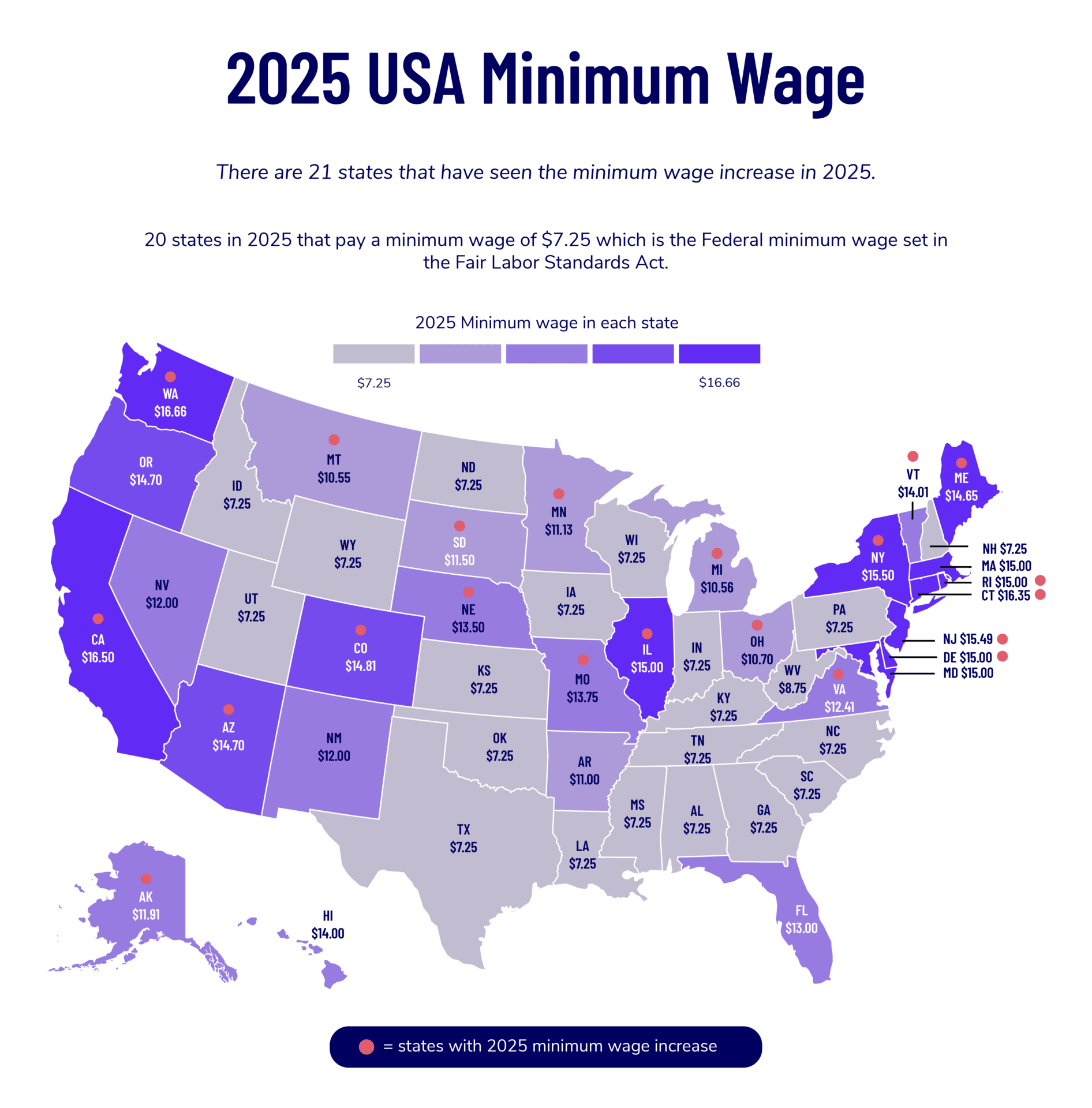
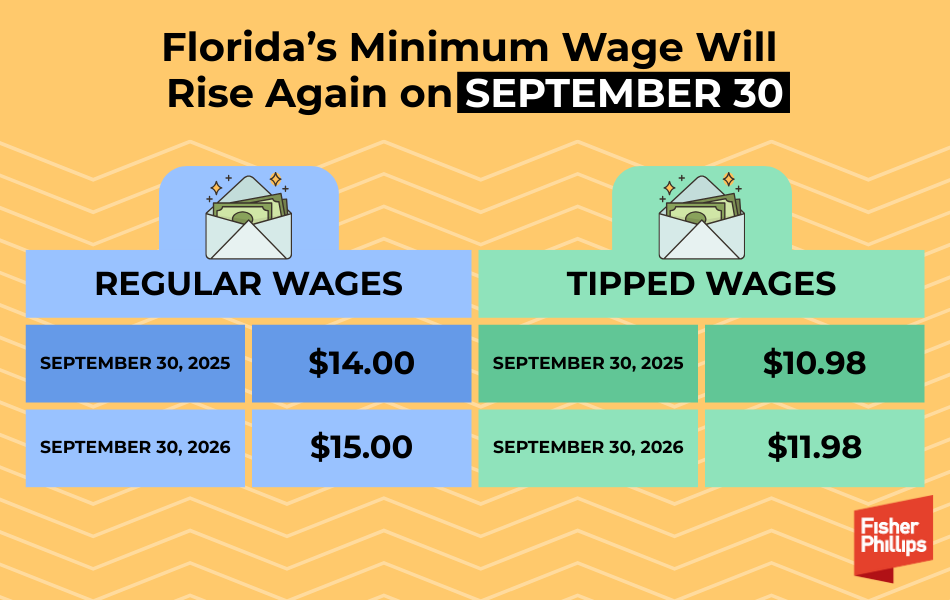
The journey of Florida’s minimum wage increase began with Amendment 2, approved by voters in 2020. This landmark decision set a clear path for the state’s minimum wage to reach $15 per hour by September 30, 2026, with annual increases scheduled until that benchmark is met. For most of 2025, specifically from January 1st through September 29th, the minimum wage in Florida will stand at $13.00 per hour. However, come September 30th, 2025, it will rise again to $14.00 per hour. This progressive increase is designed to improve the financial standing of low-wage workers, but its ripple effects extend throughout the economy, influencing everything from the price of a cup of coffee in Miami to the cost of a long-term rental in Orlando. Navigating these changes requires foresight and an understanding of how they intersect with your personal or professional lifestyle in Florida.
The Shifting Sands of Florida Living: Impact on Residents
For those calling Florida home, or contemplating a relocation, the minimum wage directly shapes the cost of daily life. While an increased minimum wage aims to provide a more livable income, it often coincides with an uptick in the cost of goods and services, as businesses adjust to higher labor expenses. This creates a complex dynamic for residents, particularly in popular and rapidly growing areas like Tampa, Jacksonville, and the aforementioned Orlando and Miami.
Housing Affordability and Wage Growth
One of the most significant lifestyle considerations in Florida is housing. The state has seen a substantial increase in housing costs over recent years, driven by population growth and strong demand. While a rising minimum wage provides more disposable income for some, it often struggles to keep pace with the escalating rental and homeownership markets. For a single individual earning the minimum wage in 2025, securing affordable housing in major metropolitan areas can still present a considerable challenge. For instance, an entry-level service worker in Fort Lauderdale or Sarasota might find a substantial portion of their income dedicated to rent, necessitating careful budgeting and perhaps a secondary income stream or roommate situation to maintain a comfortable lifestyle. Understanding these financial realities is critical for anyone planning a long-term stay or residency in Florida, ensuring that their expected income aligns with the desired quality of life and location.
Daily Expenses and Consumer Spending Habits
Beyond housing, the minimum wage impacts the cost of everyday necessities and discretionary spending. Groceries, transportation, utilities, and even leisure activities are all influenced by labor costs. As the minimum wage increases, businesses may pass on some of these higher operational costs to consumers. For Florida residents, this means that while their income may be higher, their purchasing power could remain relatively stable or even diminish if inflation outpaces wage growth. This necessitates a more strategic approach to personal finance, encouraging budgeting, seeking out value, and making informed choices about where and how to spend. For families, especially those with multiple dependents, understanding these economic shifts is paramount to maintaining a stable and enjoyable lifestyle, whether it’s planning trips to local attractions or simply managing monthly household bills.
Budgeting for the Sunshine State: A Traveler’s Guide to 2025
Florida remains a top-tier destination for tourists worldwide, drawing millions to its theme parks, beaches, and vibrant cultural scenes. For travelers, particularly those on a budget, the state’s minimum wage indirectly influences the overall cost of a vacation. While you won’t directly pay workers their minimum wage, the cost of services, food, and attractions will reflect the labor expenses incurred by businesses.
The Cost of Hospitality and Service
The tourism and hospitality sectors are significant employers of minimum wage workers in Florida. From hotel staff and restaurant servers to theme park attendants and tour guides, these individuals form the backbone of the visitor experience. As their wages increase in 2025, hotels, restaurants, and attractions may adjust their pricing to absorb these higher labor costs. This could mean slightly higher prices for hotel rooms, meals out, entry tickets to places like Walt Disney World Resort or Universal Orlando Resort, or even transportation services.
For the budget-conscious traveler, this implies a need for more diligent planning. Researching average meal costs in cities like Key West or St. Augustine, considering self-catering options, and looking for off-peak travel deals become even more critical strategies. Understanding the underlying economic factors can empower travelers to make more informed decisions, ensuring their dream Florida vacation doesn’t break the bank.
Experiencing Florida on a Dime
Despite potential price adjustments, Florida still offers countless ways to enjoy its beauty without spending a fortune. Many state parks, public beaches, and natural springs provide affordable or free access. Cities across the state host numerous free festivals and events throughout the year. The increasing minimum wage, while potentially raising some costs, also helps support the local economy, which in turn fuels the diverse range of small businesses and cultural experiences that make Florida unique. Embracing local eateries, exploring lesser-known towns, and leveraging public transport or ride-sharing can still make a Florida trip in 2025 accessible and memorable for all budgets.
Business and Economic Outlook: Implications for Professionals and Investors
The minimum wage hike in Florida is not just a social policy; it’s a significant economic factor for businesses, professionals, and investors considering the state. Florida’s pro-business environment, coupled with its lack of state income tax, has long attracted companies and entrepreneurs. However, the rising cost of labor introduces new considerations.
Operating Costs and Business Strategies
For businesses with a significant hourly workforce, the increasing minimum wage directly impacts operational costs. Retailers, restaurants, hotels, and agricultural enterprises are among the most affected. In response, businesses may explore various strategies:
- Efficiency Improvements: Investing in automation or optimizing workflows to reduce the reliance on manual labor.
- Price Adjustments: Passing a portion of increased labor costs onto consumers, as mentioned previously.
- Employee Retention: Focusing on better training and benefits to retain skilled workers, reducing turnover costs, which can be substantial.
- Location Strategy: Some businesses might reconsider locations within Florida based on local economic conditions and labor availability, though the minimum wage is statewide.
Professionals in management, human resources, and finance roles will be actively involved in navigating these changes, developing strategies to maintain profitability while adhering to wage laws. This creates a dynamic business environment, requiring adaptability and strategic planning.
Investment Landscape and Job Market Trends
For investors, the minimum wage increase factors into economic projections for Florida industries. Sectors reliant on low-wage labor might experience shifts in profitability, while those with higher-skilled workforces may be less directly impacted. However, a stronger consumer base with more disposable income, potentially resulting from higher wages, could boost demand for certain goods and services. This dual effect means a nuanced approach to investment is essential.
The job market will also see trends influenced by these changes. While some entry-level positions might become more competitive, higher wages could attract a more qualified applicant pool, leading to improved service quality in various sectors. For individuals seeking employment in Florida in 2025, particularly in the service industry, the higher minimum wage offers improved earning potential, supporting a better overall lifestyle.
Crafting Your Florida Lifestyle: Planning for Financial Wellness
Ultimately, understanding the Florida minimum wage in 2025 is about empowering individuals to make informed lifestyle choices. Whether you are a long-term resident, a new transplant, a seasonal visitor, or a business professional, these economic shifts require proactive financial planning.
For residents, budgeting meticulously, exploring opportunities for skill development to command higher wages, and understanding the local cost of living in their chosen Florida city are paramount. For travelers, pre-planning, seeking value, and embracing free or low-cost activities will help ensure an enjoyable experience without financial strain. For businesses, adapting to the evolving labor landscape with strategic planning and innovation will be key to sustained success.
Florida continues to be a land of opportunity and diverse experiences. By staying informed about its economic indicators, such as the minimum wage, individuals can better align their financial realities with their desired lifestyle, ensuring a prosperous and fulfilling engagement with the Sunshine State in 2025 and beyond.
LifeOutOfTheBox is a participant in the Amazon Services LLC Associates Program, an affiliate advertising program designed to provide a means for sites to earn advertising fees by advertising and linking to Amazon.com. Amazon, the Amazon logo, AmazonSupply, and the AmazonSupply logo are trademarks of Amazon.com, Inc. or its affiliates. As an Amazon Associate we earn affiliate commissions from qualifying purchases.