
Florida’s Silver Alert system is a critical public safety initiative designed to rapidly disseminate information about missing elderly individuals, or those with a cognitive or physical disability, who are believed to be in danger. This program plays a vital role in coordinating law enforcement and community efforts to ensure the safe recovery of vulnerable populations. Understanding how the Silver Alert works, who qualifies, and what role the public plays can significantly enhance its effectiveness and provide peace of mind to families across the Sunshine State.
Understanding the Silver Alert System
The Florida Silver Alert is a statewide program that leverages various communication channels to broadcast vital information about a missing person. Modeled after the Amber Alert system for abducted children, the Silver Alert focuses on a different, but equally urgent, demographic: adults who may be unable to care for themselves due to age, mental incapacitation, or physical disability, and whose disappearance poses a significant risk. The goal is to mobilize the public and law enforcement swiftly to locate these individuals before they can come to harm.
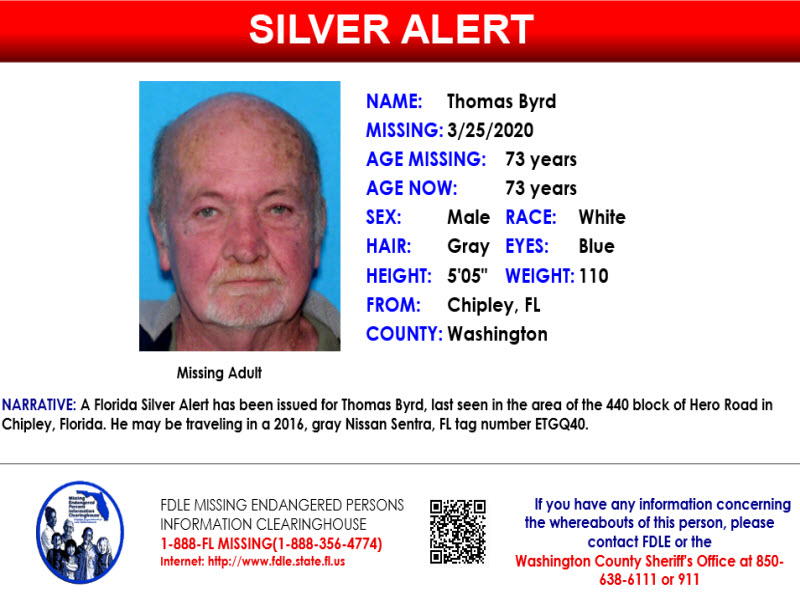
The alert is activated by law enforcement agencies when specific criteria are met. These criteria are designed to ensure that the system is used for genuine emergencies, maximizing its impact without causing undue public alarm. The process involves a formal request from the reporting law enforcement agency, which then initiates a multi-faceted dissemination strategy. This strategy typically includes:
Activation Criteria and Process
To qualify for a Silver Alert, a missing person must meet several key conditions. Primarily, the individual must be 60 years of age or older, or have a cognitive or physical disability, and be missing under circumstances that indicate they are in danger of death or serious bodily harm. This danger is often inferred from factors such as the person’s inability to care for themselves, the absence of necessary medication, the weather conditions, or any suspicious circumstances surrounding their disappearance.
Once law enforcement receives a report of a missing vulnerable person, they will investigate the circumstances. If the criteria for a Silver Alert are met, the agency will initiate the alert activation process. This involves submitting a request to the Florida Department of Law Enforcement (FDLE), which oversees the statewide system. The FDLE then coordinates the dissemination of the alert information through various authorized channels.
Dissemination Channels
The power of the Silver Alert lies in its widespread and rapid dissemination. Information about the missing person is broadcast through a variety of media to reach as many people as possible. These channels include:
- Wireless Emergency Alerts (WEA): This is one of the most immediate and impactful methods. Similar to Amber Alerts, Silver Alerts can be sent directly to mobile phones within a specified geographic area. These alerts provide a brief description of the missing person, their last known location, and instructions on what to do if sighted.
- Statewide Law Enforcement Radio Network: This ensures that all law enforcement agencies across Florida are immediately aware of the alert and can allocate resources accordingly.
- Florida’s Official Travel Information Centers: Information is displayed on electronic message boards at rest stops and welcome centers, reaching travelers who may be passing through the area.
- News Media Partnerships: The FDLE works with television and radio stations to broadcast the alert information, including descriptions, photographs, and any relevant details about the missing individual.
- Social Media and Official Websites: The FDLE and local law enforcement agencies utilize their social media platforms and official websites to share alert details, encouraging public engagement and information sharing.
- Department of Transportation Messaging Systems: Electronic signs on major highways across Florida can display alert information, capturing the attention of drivers.
Who Qualifies for a Florida Silver Alert?
The eligibility for a Florida Silver Alert is specific and designed to target situations where an individual’s vulnerability places them at significant risk. The program is not intended for all missing persons cases but rather for those where age, cognitive impairment, or physical disability are contributing factors to a potentially life-threatening situation.
Age and Cognitive/Physical Impairments
The primary demographic for Silver Alerts includes individuals who are:
- 60 Years of Age or Older: This age group is often considered more susceptible to environmental hazards, disorientation, and potential exploitation. The alert can be issued even if the individual does not have a diagnosed cognitive impairment, as age-related vulnerabilities are recognized.
- Suffering from a Cognitive or Physical Disability: This category encompasses individuals of any age who have a diagnosed condition that impairs their ability to understand their surroundings, make safe decisions, or communicate their needs effectively. This can include individuals with Alzheimer’s disease, dementia, intellectual disabilities, severe autism, or significant physical limitations that hinder their mobility or self-care.
Danger and Circumstance
Beyond age or disability, the circumstances surrounding the disappearance are crucial. Law enforcement must believe that the missing person is in danger of death or serious bodily harm. This determination is based on various factors, including:
- Lack of Essential Needs: If the individual has left without necessary medications, adequate clothing for the weather, or has a medical condition requiring immediate attention, their risk level is elevated.
- Disorientation or Confusion: Evidence that the person may be confused, disoriented, or unable to find their way home significantly contributes to the determination of danger.
- Suspicious Circumstances: Any indication of foul play, abduction, or a departure that is inconsistent with the person’s usual behavior or mental state can trigger an alert.
- Environmental Hazards: Disappearance in extreme weather conditions (heat, cold, storms) or in remote or unfamiliar areas increases the perceived risk.
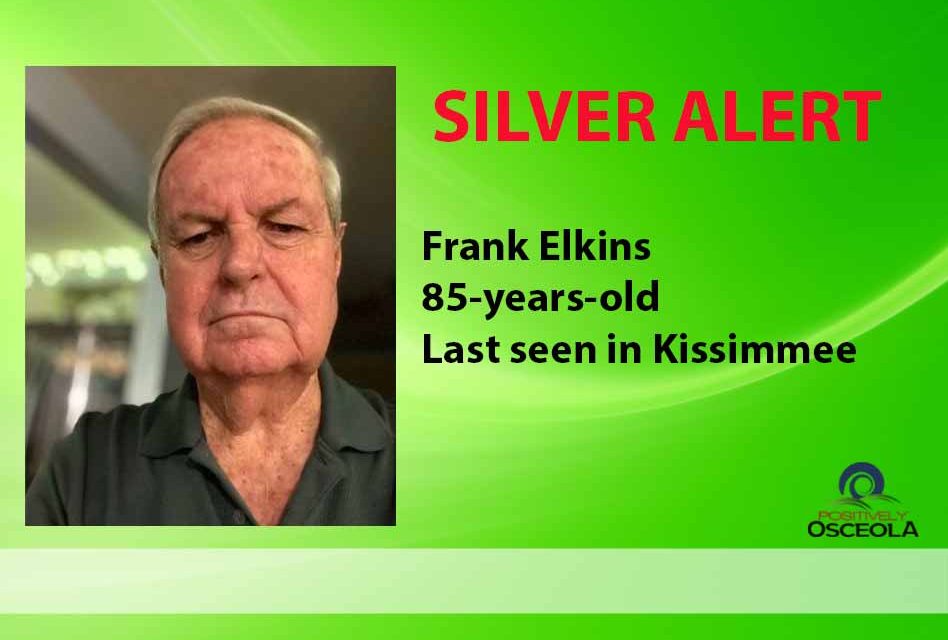
The reporting agency must have a sufficient amount of descriptive information about the missing person, including their last known location, clothing, and physical characteristics, to make the alert effective.
The Public’s Role in Florida Silver Alerts
The success of the Florida Silver Alert program hinges on the active participation and vigilance of the public. When an alert is issued, every individual in the affected area becomes a potential set of eyes and ears for law enforcement. Understanding how to respond to an alert is paramount to ensuring the safety of vulnerable individuals.
What to Do When You See an Alert
Receiving a Silver Alert on your mobile device or seeing it on public displays can be alarming, but it’s important to remain calm and focused. Here’s how you should react:
- Read the Information Carefully: Pay close attention to the missing person’s description, clothing, last known location, and any vehicle they might be in. Note the issuing law enforcement agency’s contact information.
- Scan Your Surroundings: Be observant of your immediate environment. If you are driving, be particularly mindful of other vehicles or pedestrians that match the description.
- Do Not Intervene Directly: If you believe you have spotted the missing person, do not attempt to approach or apprehend them yourself. The individual may be disoriented, scared, or potentially pose a risk if they feel threatened.
- Contact Law Enforcement Immediately: The most critical step is to call the designated emergency number, usually 911, or the specific non-emergency number provided in the alert if the situation does not appear to be an immediate life-threatening emergency.
- Provide Accurate Details: When you call, clearly state that you are reporting a potential sighting related to a Silver Alert. Provide your exact location, a detailed description of what you have observed, and any direction of travel. Be prepared to stay on the line with the dispatcher until law enforcement arrives or advises otherwise.
- Follow Dispatcher Instructions: The 911 operator or dispatcher will guide you on the next steps. They may ask you to remain in your location to observe, or they may instruct you to move to a safe place.
Sharing Information
In the age of social media, sharing Silver Alert information can significantly expand its reach. However, it’s essential to share responsibly and accurately.
- Official Sources: Prioritize sharing information from official sources like the Florida Department of Law Enforcement or local police department social media accounts. These sources ensure the information is current and accurate.
- Avoid Speculation: Do not add personal opinions or speculate about the circumstances of the disappearance. Stick to the facts provided in the alert.
- Targeted Sharing: If possible, share alerts within the geographic areas most likely to be relevant to the search. This helps avoid overwhelming people in areas far from the missing person’s last known location.
- Encourage Vigilance: Encourage your friends and family to be aware of Silver Alerts and to be observant in their communities.
By understanding the system and knowing how to respond, the public becomes an integral part of the effort to bring vulnerable individuals home safely.
The Impact and Importance of Silver Alerts
The Florida Silver Alert is more than just a notification system; it’s a testament to a community’s commitment to protecting its most vulnerable members. Its impact resonates deeply with families experiencing the profound fear of a loved one going missing, and its importance is underscored by the successful recoveries it facilitates.
Successful Recoveries and Prevention of Harm
While specific statistics on every successful recovery are not always publicly detailed, the existence and ongoing operation of the Silver Alert system are indicative of its value. Many individuals who have been successfully located and returned to safety would likely have faced severe harm, injury, or even death had the alert not been issued. These successful outcomes are the direct result of swift action, widespread public awareness, and coordinated law enforcement efforts. The alert often provides the crucial lead that reunites families, averting tragic consequences. For instance, an elderly individual with dementia who wanders away from their home in the heat of a Florida summer could quickly succumb to heatstroke if not found promptly. A Silver Alert mobilizes hundreds, if not thousands, of people to be on the lookout, significantly increasing the chances of a timely discovery.
Community Awareness and Preparedness
Beyond immediate recoveries, the Silver Alert system fosters a greater sense of community awareness and preparedness. It educates the public about the risks faced by elderly individuals and those with disabilities, encouraging a more proactive approach to safety. Families with elderly relatives or those with cognitive impairments are often reminded of the importance of having emergency contact information readily available, considering medical needs, and establishing safe routines. The program serves as a reminder that safeguarding these individuals is a collective responsibility. It encourages neighbors to look out for one another and to report unusual activity involving vulnerable individuals.

Collaboration and Efficiency
The Silver Alert system is a prime example of effective inter-agency collaboration. It necessitates seamless cooperation between local police departments, county sheriffs’ offices, the Florida Department of Law Enforcement, and various media partners. This coordinated effort ensures that information is disseminated accurately and efficiently, maximizing the search area and the number of people reached. The standardized protocols and communication channels established by the Silver Alert program streamline the response process, enabling law enforcement to act decisively and effectively during critical moments. This collaborative approach is crucial for success in any large-scale public safety initiative.
In conclusion, the Florida Silver Alert system is a vital component of the state’s public safety infrastructure, offering a critical lifeline to its most vulnerable residents and their families. Its effectiveness relies on a clear understanding of its purpose, eligibility criteria, and the active participation of the public. By working together, law enforcement and citizens can ensure that those who are lost and in danger are found swiftly and safely.
LifeOutOfTheBox is a participant in the Amazon Services LLC Associates Program, an affiliate advertising program designed to provide a means for sites to earn advertising fees by advertising and linking to Amazon.com. Amazon, the Amazon logo, AmazonSupply, and the AmazonSupply logo are trademarks of Amazon.com, Inc. or its affiliates. As an Amazon Associate we earn affiliate commissions from qualifying purchases.