
Understanding the tax landscape of any state is paramount for residents, businesses, and visitors alike, especially when considering a move, a prolonged stay, or significant investments. Florida, often lauded as the Sunshine State, presents a unique tax structure that significantly influences lifestyle choices, from budgeting for daily expenses to making long-term financial decisions. While the question of “state tax percentage” might seem straightforward, Florida’s approach is multi-faceted, relying heavily on consumption-based taxes rather than personal income.
A Snapshot of Florida’s Tax Landscape
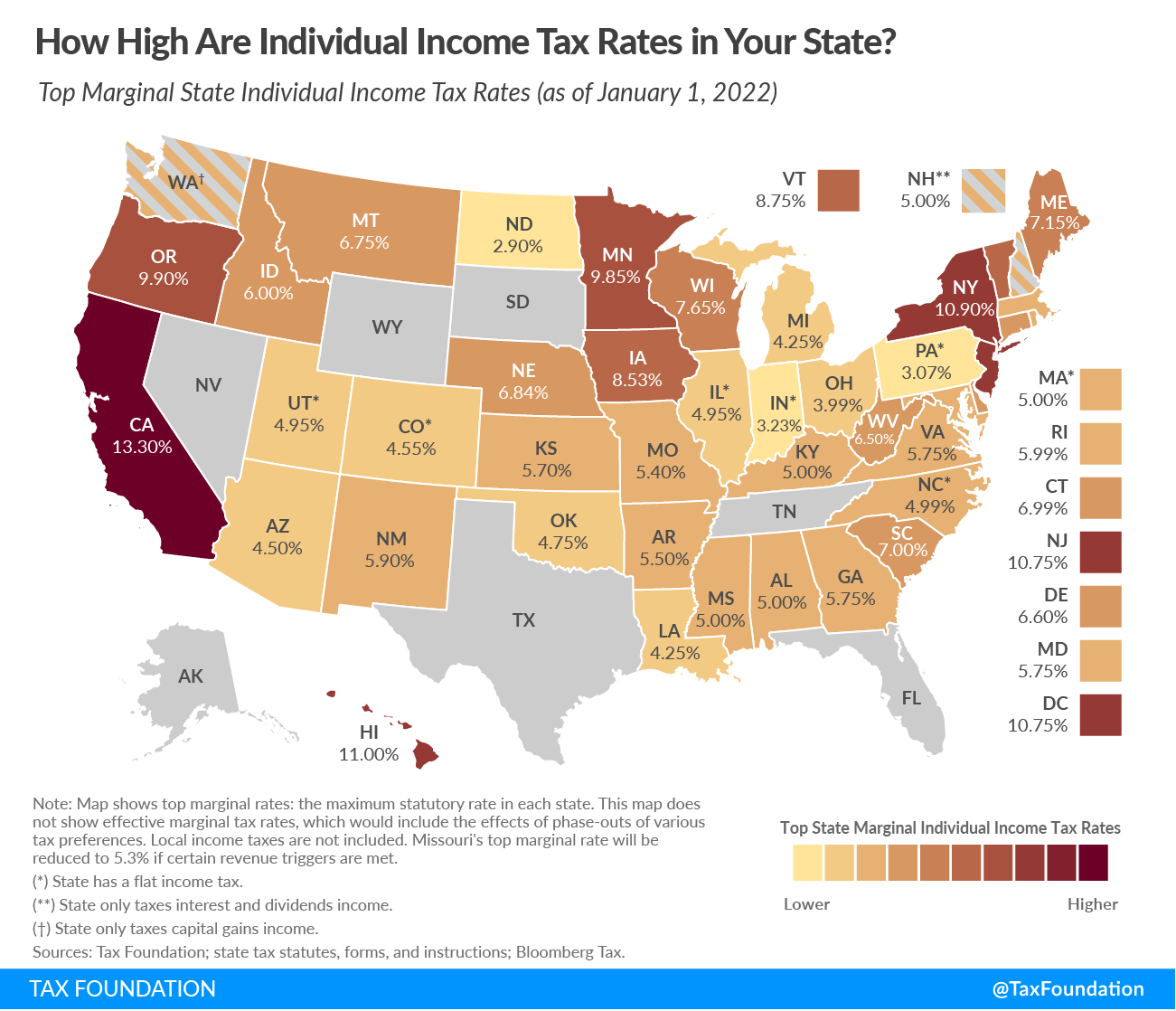
The most notable feature of Florida’s tax system, and often a primary draw for individuals and businesses seeking a new lifestyle, is the absence of a state personal income tax. This means that individuals do not pay a percentage of their earnings to the state government. This characteristic significantly impacts the take-home pay for employees and the overall financial planning for entrepreneurs and retirees considering Florida for their new home or business venture.

To compensate for the lack of state income tax, Florida primarily funds its public services through sales taxes, property taxes, and various other excise taxes. This distinction is crucial because while the income tax burden is removed, other costs of living and doing business can be influenced by these alternative revenue streams. For someone planning a budget travel experience, a lengthy business stay, or a permanent relocation, understanding where and how these taxes apply is key to accurate financial forecasting and enjoying the Florida lifestyle without unexpected fiscal surprises. The percentage applied can vary not just by category but also by specific locality, demanding a closer look beyond a simple statewide figure.
Navigating Sales Tax in the Sunshine State
The sales tax is arguably the most pervasive tax in Florida, directly affecting almost every consumer purchase. This is the primary mechanism through which the state generates revenue, making it a critical component of budgeting for both short-term visitors and long-term residents.
The Statewide Sales Tax Rate
The base statewide sales tax rate in Florida is 6%. This percentage is applied to the sale of most goods, as well as many services, across the entire state. Whether you’re purchasing a souvenir from a gift shop in Orlando, buying groceries for your rental villa, or dining out in Key West, this 6% forms the foundation of the tax you’ll pay on your purchases. It’s a significant factor in the overall cost of living and the expense of leisure activities within the state.
Local Discretionary Sales Surtaxes
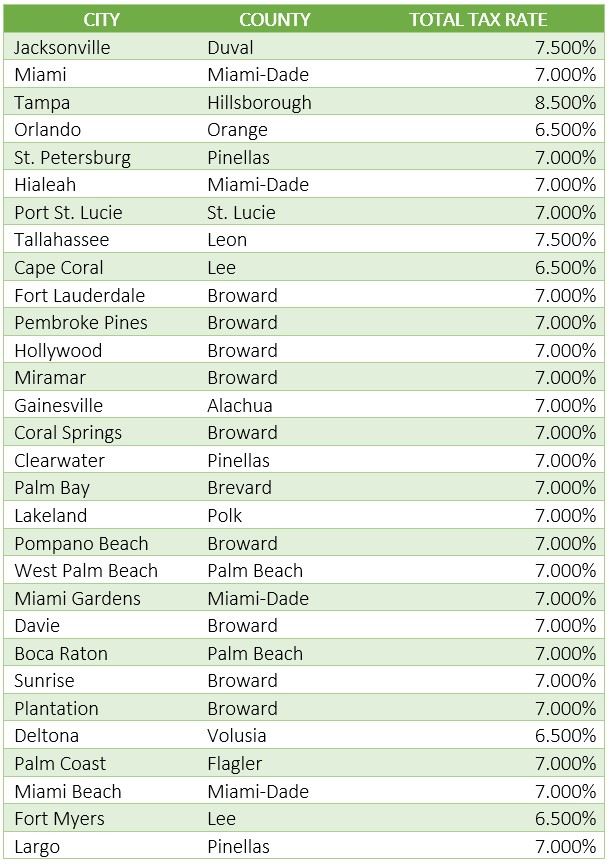
Adding a layer of complexity to the sales tax picture are the local discretionary sales surtaxes, often referred to as county sales taxes. These surtaxes are levied by individual counties on top of the statewide 6% rate, meaning the actual sales tax percentage you pay can vary significantly depending on where you are in Florida. These local surtaxes fund specific county-level projects, such as infrastructure improvements, public safety, or transportation initiatives.
For example, Miami-Dade County has an additional surtax, bringing its combined sales tax rate higher than the statewide average. Similarly, Orange County, home to many major attractions, also implements a local surtax. These surtaxes typically range from 0.5% to 1.5%, but some counties may have higher rates. It is imperative for anyone making significant purchases or budgeting for their daily expenditures to check the specific combined sales tax rate for the county they are in. This information is readily available from the Florida Department of Revenue and local county government websites.
What Goods and Services Are Taxed?
The Florida sales tax applies to a wide array of transactions. Generally, it covers:
- Tangible personal property: This includes most retail goods such as clothing, electronics, furniture, vehicles, and home improvement supplies.
- Prepared food and beverages: Meals consumed at restaurants, take-out orders, and even prepared foods from grocery delis are subject to sales tax.
- Certain services: While most services are exempt, some specific services are taxable, such as commercial rentals, admission to events and attractions, and specific repair services. This is particularly relevant for tourists enjoying Florida’s vibrant entertainment and hospitality industries.
- Rental of living accommodations: Short-term rentals (six months or less) of hotel rooms, vacation rentals, and other transient accommodations are subject to sales tax, in addition to any local tourist development taxes.
Exemptions to Know
While broad in scope, the Florida sales tax does include some significant exemptions that can impact a budget-conscious lifestyle:
- Groceries: Most staple food items purchased for home consumption are exempt from sales tax. This exemption is a considerable relief for residents and those on extended stays who cook at home. However, as noted, prepared foods are generally taxable.
- Prescription medicines and certain medical services: Essential healthcare items and most medical services are not subject to sales tax, alleviating a significant burden on health-related expenses.
- Professional services: Most professional services, such as those provided by doctors, lawyers, and accountants, are not subject to sales tax.
- Non-profit organization purchases: Certain purchases made by qualified non-profit organizations for their exempt purposes are often exempt.
Beyond Sales Tax: Other Significant Taxes
While sales tax is a cornerstone, Florida’s financial framework includes other key taxes that influence various lifestyle aspects, from travel costs to homeownership.
Tourist Development Tax (Resort Tax)
For visitors, one of the most directly impactful taxes is the Tourist Development Tax (TDT), often called a “resort tax” or “bed tax.” This local option tax is levied by counties on the rental of transient accommodations (hotel rooms, vacation rentals, timeshares, etc.) for six months or less. The TDT is imposed on top of the state sales tax and any local discretionary sales surtax.
The TDT rate varies by county, typically ranging from 2% to 6%, depending on the local ordinances. For instance, popular tourist destinations like Orlando and Key West will have these taxes applied, significantly increasing the total cost of accommodation. This tax revenue is primarily used to promote tourism, fund tourism-related infrastructure, and maintain convention centers and sports facilities. Travelers on a budget or those planning extended stays need to factor this into their accommodation costs, as it can add a substantial amount to the overall expense.
Property Taxes
Property taxes are a major consideration for anyone contemplating homeownership or long-term real estate investment in Florida. These taxes are locally assessed and collected by county tax collectors, funding local services such as schools, police, fire departments, and local infrastructure.
Property taxes are calculated based on the assessed value of the property and the cumulative millage rates set by various local taxing authorities (county, city, school district, special districts). Because assessed values and millage rates vary significantly, property tax bills can differ widely across counties and even within different municipalities of the same county. Florida offers several exemptions, most notably the Homestead Exemption, which can reduce the taxable value of a primary residence by up to $50,000. Additionally, the “Save Our Homes” amendment caps annual increases in assessed value for homesteaded properties, providing long-term predictability for homeowners. Understanding these exemptions and local rates is vital for anyone considering a permanent move to Florida.
Corporate Income Tax
For businesses considering relocation or expansion into Florida, the corporate income tax is a key factor. While individuals don’t pay state income tax, corporations doing business in Florida generally do. The state corporate income tax rate is 5.5% of a corporation’s net income, although there are various deductions and exemptions available, including a significant exemption amount for smaller businesses. This tax influences the profitability and operational costs for businesses, making it a critical aspect of strategic financial planning for business stays and new ventures in the Sunshine State.
Gas Tax and Other Excise Taxes
Florida also levies excise taxes on specific goods and services. A prominent example is the gas tax, which is included in the price per gallon of fuel. These funds are typically earmarked for transportation infrastructure projects. Other excise taxes apply to items like tobacco and alcohol. While these taxes are usually built into the price of goods, they contribute to the overall cost of living and leisure activities, indirectly impacting budget travel and daily expenses for residents.
The Financial Impact on Residents and Visitors
The unique tax structure of Florida creates a distinct financial environment for both its permanent residents and its many temporary visitors, influencing lifestyle choices at every turn.
Benefits of No State Income Tax
The absence of a state personal income tax is undeniably Florida’s most attractive tax feature. For individuals, this translates directly into higher take-home pay or greater disposable income, a significant advantage especially for high-earners, remote workers, and retirees living on fixed incomes or investment dividends. This benefit can free up funds for housing, leisure, or savings, enhancing the overall quality of life and contributing to the state’s reputation as a desirable place to live. For businesses, particularly those considering executive relocations or establishing operations, the lack of personal income tax can be a powerful incentive for attracting and retaining talent.
Understanding the Trade-offs
However, the absence of state income tax doesn’t mean Florida is tax-free. The state compensates through its reliance on sales and property taxes. This means that while income isn’t taxed, spending and property ownership are. For individuals with lower incomes or those who spend a larger proportion of their income on taxable goods and services, the high sales tax rate (especially with local surtaxes) can feel more burdensome. Similarly, homeowners, particularly those with high-value properties in desirable areas, can face substantial property tax bills. This trade-off requires careful consideration when evaluating the true cost of living or vacationing in Florida.
Budgeting for Travel and Lifestyle
For travelers, especially those planning budget trips or extended stays, understanding the combined sales tax and tourist development tax rates is crucial. A seemingly inexpensive hotel room or rental property can quickly become more costly once these taxes are applied. For those considering a lifestyle change involving relocation, it’s essential to look beyond the “no income tax” headline and delve into the local property tax rates, insurance costs, and the cumulative impact of sales tax on their specific spending habits. Planning for these indirect taxes allows for more accurate budgeting, preventing unexpected financial strain and ensuring a more enjoyable Florida experience, whether it’s for a brief escape or a permanent residence.
Strategic Financial Planning in Florida
Navigating Florida’s tax structure requires a strategic approach to financial planning. For prospective residents, entrepreneurs, and frequent visitors, understanding the specific percentages and their implications is key to maximizing the benefits of the Sunshine State’s unique economic environment.
It is paramount to research the specific combined sales tax and tourist development tax rates for the county or city you plan to visit or reside in. Websites of county tax collectors and the Florida Department of Revenue are invaluable resources for this information. For long-term lifestyle planning, especially concerning real estate, engaging with a local tax advisor or real estate professional can provide personalized insights into property tax assessments, potential exemptions like the Homestead Exemption, and overall financial impacts.
Florida’s tax system, characterized by the absence of a state income tax and a reliance on consumption and property taxes, significantly influences its appeal for various lifestyle choices. Whether you are an individual seeking a tax-friendly retirement, a family planning an extensive vacation, or a business considering expansion, a comprehensive understanding of “What Is Florida State Tax Percentage?”—and all its components—is foundational to making informed financial decisions in this dynamic state.
LifeOutOfTheBox is a participant in the Amazon Services LLC Associates Program, an affiliate advertising program designed to provide a means for sites to earn advertising fees by advertising and linking to Amazon.com. Amazon, the Amazon logo, AmazonSupply, and the AmazonSupply logo are trademarks of Amazon.com, Inc. or its affiliates. As an Amazon Associate we earn affiliate commissions from qualifying purchases.