
For anyone planning a trip to the sun-drenched theme park capital of the world, understanding the local time zone in Orlando, Florida is a fundamental piece of travel intelligence. It influences everything from flight schedules and attraction opening times to dining reservations and communication with family back home. Orlando operates within the Eastern Time Zone, a designation that carries specific implications for travelers hailing from other parts of the United States and international destinations.
Understanding Orlando’s Position in Eastern Time
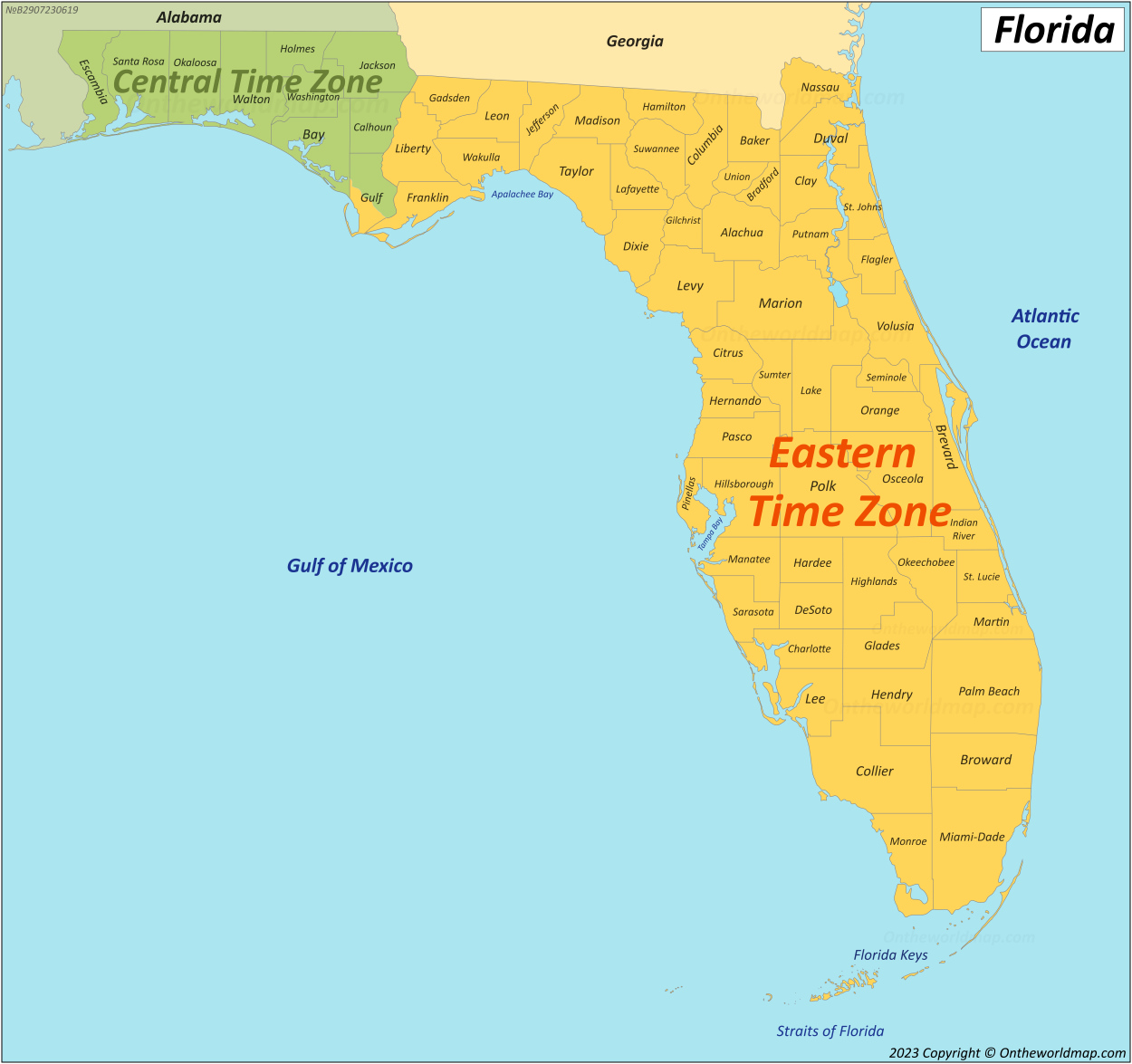
The majority of Florida, including Orlando and its surrounding tourist hubs like Lake Buena Vista and Kissimmee, adheres to the Eastern Time Zone. This places it on the eastern seaboard of the United States, bordering the Atlantic Ocean to the east and extending inland towards the Gulf of Mexico. While a small portion of Florida’s panhandle observes Central Time Zone, Orlando firmly remains in the Eastern Time Zone, simplifying planning for its millions of annual visitors.
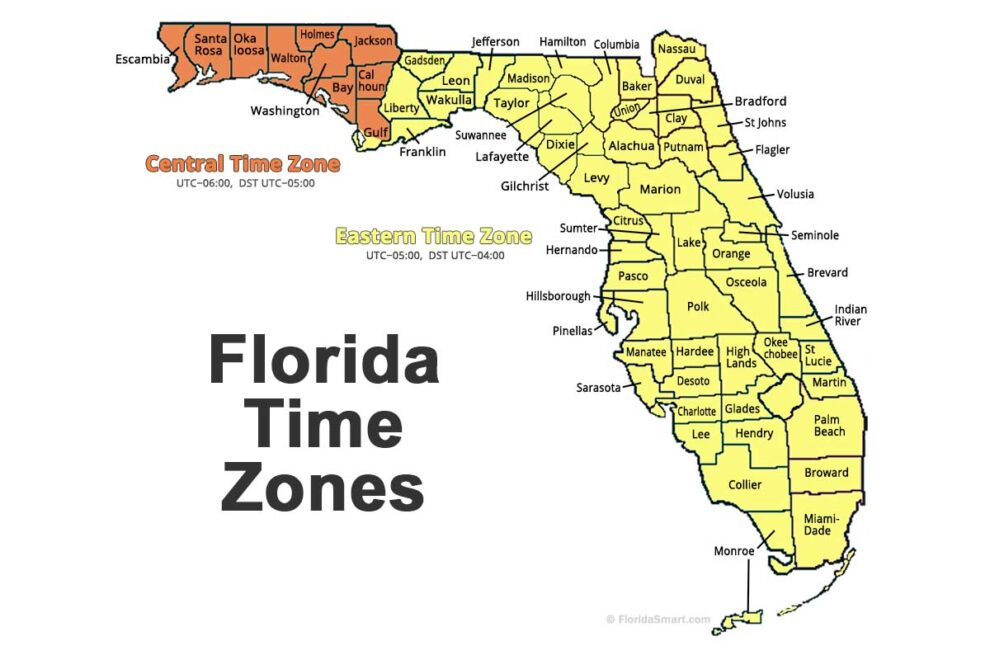
Eastern Standard Time (EST) vs. Eastern Daylight Time (EDT)
The Eastern Time Zone operates under two distinct designations throughout the year: Eastern Standard Time (EST) and Eastern Daylight Time (EDT). This seasonal shift is due to the observance of Daylight Saving Time.
- Eastern Standard Time (EST): During the cooler months, generally from early November to mid-March, Orlando observes EST, which is 5 hours behind Coordinated Universal Time (UTC-5). This means that when it’s noon UTC, it’s 7:00 AM in Orlando.
- Eastern Daylight Time (EDT): From mid-March to early November, Orlando switches to EDT, which is 4 hours behind UTC-4. This transition, often referred to as “springing forward,” involves moving clocks ahead by one hour. The primary goal of Daylight Saving Time is to maximize daylight hours in the evening, aligning with longer days and encouraging outdoor activities. For travelers, this means sunnier evenings perfect for enjoying outdoor attractions and dining. Conversely, in the fall, clocks “fall back” by one hour, returning to EST.
Understanding which time designation is active during your visit is crucial for accurate planning and avoiding missed reservations or early closures. Always double-check event times against the current local time in Orlando.
Navigating Time Zone Differences for Travelers
Traveling to a different time zone can impact your experience significantly, especially when visiting a high-energy destination like Orlando. Being prepared for these shifts can make your vacation smoother and more enjoyable.
Managing Jet Lag When Arriving in Orlando
For visitors arriving from western United States time zones (e.g., Pacific Time Zone or PST) or international locations, jet lag can be a real concern. A 3-hour difference from California or a 5-hour difference from Greenwich Mean Time (GMT) can throw off your internal clock, leading to fatigue, difficulty sleeping, and reduced energy levels during your first few days.
- Pre-Trip Adjustment: Gradually shift your sleep schedule by an hour or two in the days leading up to your trip.
- Hydration and Nutrition: Stay well-hydrated and avoid heavy meals, excessive caffeine, and alcohol, which can exacerbate jet lag symptoms.
- Embrace Local Time: Upon arrival, immediately adjust your watch and electronic devices to Orlando’s local time. Try to eat and sleep according to the new schedule, even if you don’t feel tired or hungry.
- Sunlight Exposure: Maximize exposure to natural light during the day, particularly in the morning, to help reset your circadian rhythm. Conversely, minimize bright light exposure in the evenings.
- Pace Yourself: Don’t overschedule your first day or two. Allow for downtime, naps if necessary, and less strenuous activities as you adjust.
Planning Your Itinerary: Park Hours and Showtimes
The cornerstone of any Orlando vacation is its world-class theme parks and attractions. All operating hours, showtimes, parade schedules, and ride queue closing times are strictly based on Orlando local time.
- Crucial Timing: Theme parks such as Walt Disney World Resort, Universal Orlando Resort, and SeaWorld Orlando open early, often by 8:00 AM or 9:00 AM EDT/EST. For a family from the Pacific Time Zone, this 8:00 AM opening would feel like 5:00 AM. Without proper adjustment, this can lead to missed “rope drop” opportunities (arriving at park opening for shorter lines) and a sluggish start to the day.
- Dining Reservations: Many popular restaurants in and around the parks, especially character dining experiences or fine dining establishments, require reservations made weeks or even months in advance. These reservation windows open at specific times in Orlando local time. Missing the window due to time zone confusion can mean missing out on desired experiences.
- Show and Ride Schedules: Parades, fireworks, and specific ride operations (like virtual queue drops) all operate on local time. Be diligent in checking schedules via park apps or websites and setting reminders in local time.
Communication with Home and Business
Maintaining contact with family, friends, or colleagues in different time zones requires careful consideration. A significant time difference can make scheduling calls challenging.
- Pacific Standard Time (PST): Orlando is 3 hours ahead of PST. When it’s noon in Orlando, it’s 9:00 AM in California.
- Mountain Standard Time (MST): Orlando is 2 hours ahead of MST.
- Central Standard Time (CST): Orlando is 1 hour ahead of CST.
- Greenwich Mean Time (GMT)/Coordinated Universal Time (UTC): Orlando is 4 or 5 hours behind GMT/UTC, depending on Daylight Saving Time.
For business travelers or those needing to stay connected for work, scheduling calls requires checking time converters or world clock features to find mutually agreeable times. For personal calls, be mindful of early mornings or late evenings for those you are trying to reach.
Practical Implications for Your Orlando Vacation
Beyond the major attractions, the local time zone subtly impacts various aspects of your trip, influencing daily rhythms and choices.
Transportation and Flight Schedules
All arrival and departure times for flights into and out of Orlando International Airport (MCO) are quoted in local Orlando time. It is imperative to remember this when booking and confirming flights, especially connecting flights that might cross multiple time zones. Misinterpreting departure or arrival times can lead to missed connections, additional costs, and significant travel delays. Always confirm the local time of departure for your origin city and the local time of arrival in Orlando, and vice-versa for your return journey.
Dining and Entertainment
Orlando’s vibrant dining and entertainment scene caters to all tastes and schedules. However, your internal clock might initially be out of sync with local customs.
- Dining Hours: If you’re used to eating dinner at 7:00 PM in the Pacific Time Zone, that would be 10:00 PM in Orlando, potentially pushing your meal too late for comfort or even past some restaurant closing times. Conversely, an early dinner reservation might feel unusually early.
- Nightlife: For those exploring the nightlife along International Drive or in downtown Orlando, closing times or last call will be according to EDT/EST. A bar closing at 2:00 AM EDT might feel like 11:00 PM for someone still on PST, potentially leading to a shorter night out than anticipated.
- Children’s Schedules: Families traveling with young children need to be especially mindful. Maintaining a consistent sleep schedule can be challenging across time zones. Factor in the time difference when planning late-night fireworks shows or early morning character breakfasts to avoid overtired little ones.
Special Events and Seasonal Changes
Orlando hosts numerous special events throughout the year, from holiday festivals at the theme parks to sporting events and concerts. All scheduled times for these occurrences adhere to the local Orlando time zone.
- Daylight Saving Time Impact: The shift to EDT in spring provides an extra hour of daylight in the evening, which is fantastic for enjoying outdoor parades, fireworks, and evening strolls around resorts. In contrast, the return to EST in fall means earlier sunsets, which can affect outdoor photography or the timing of certain activities. Always verify if your trip spans a Daylight Saving Time changeover, as it can subtly alter your itinerary by an hour.
Tools and Tips for Seamless Time Management
With a little preparation, managing the time zone difference in Orlando can be a non-issue, ensuring your focus remains on enjoying your vacation.
Utilizing Technology
Modern technology offers invaluable assistance in navigating time zones.
- Smartphone Settings: Most smartphones automatically update to the local time zone when you arrive at your destination, provided location services are enabled. Verify this setting before your trip.
- World Clock Apps: Utilize built-in world clock features on your phone or dedicated apps that display multiple time zones simultaneously. This is excellent for coordinating with people in different locations.
- Online Time Zone Converters: Websites dedicated to time zone conversions can quickly calculate the time difference between Orlando and any other city in the world. Use these for scheduling specific calls or meetings.

Best Practices for Travelers
Proactive steps can significantly ease the transition and prevent time-related mishaps.
- Immediate Adjustment: As soon as you land at MCO or step off your cruise ship, mentally (and physically, by changing your watch) switch to Orlando local time.
- Clear Communication: When planning activities with travel companions, always specify times in local Orlando time to avoid confusion.
- Buffer Time: Build in extra time for all appointments, reservations, and park visits, especially during the first day or two. This accounts for potential jet lag, unexpected delays, and the general adjustment period.
- Print Key Schedules: While technology is great, having a printout of your daily itinerary with all times clearly listed in Orlando local time can be a reliable backup.
By understanding that Orlando, Florida operates on Eastern Time Zone, shifting between EST and EDT with Daylight Saving Time, and by implementing these practical tips, you can ensure that your vacation proceeds smoothly and on schedule, allowing you to fully immerse yourself in the magic and excitement that Orlando has to offer.
LifeOutOfTheBox is a participant in the Amazon Services LLC Associates Program, an affiliate advertising program designed to provide a means for sites to earn advertising fees by advertising and linking to Amazon.com. Amazon, the Amazon logo, AmazonSupply, and the AmazonSupply logo are trademarks of Amazon.com, Inc. or its affiliates. As an Amazon Associate we earn affiliate commissions from qualifying purchases.