
Florida, often dubbed the “Sunshine State,” is a premier travel destination renowned for its warm climate, pristine beaches, and world-class attractions. For travelers planning a visit, understanding the average temperature is paramount to ensure a comfortable and enjoyable experience. Florida’s climate is predominantly subtropical in its northern and central regions, transitioning to a tropical climate in the southern part of the peninsula and the Florida Keys. This diverse meteorological profile means that while warmth is a constant, significant regional and seasonal variations exist, influencing everything from packing choices to activity planning.
The state’s overall average annual temperature hovers around 70.7°F (21.5°C). However, this broad figure only scratches the surface of what visitors can expect. The distinct seasons, geographical nuances, and proximity to major bodies of water like the Atlantic Ocean and the Gulf of Mexico play crucial roles in shaping daily temperatures across its various cities and landscapes. Whether you’re aiming for the bustling theme parks of Orlando, the vibrant nightlife of Miami, or the serene shores of Sarasota, a detailed understanding of the climate will greatly enhance your travel preparations.
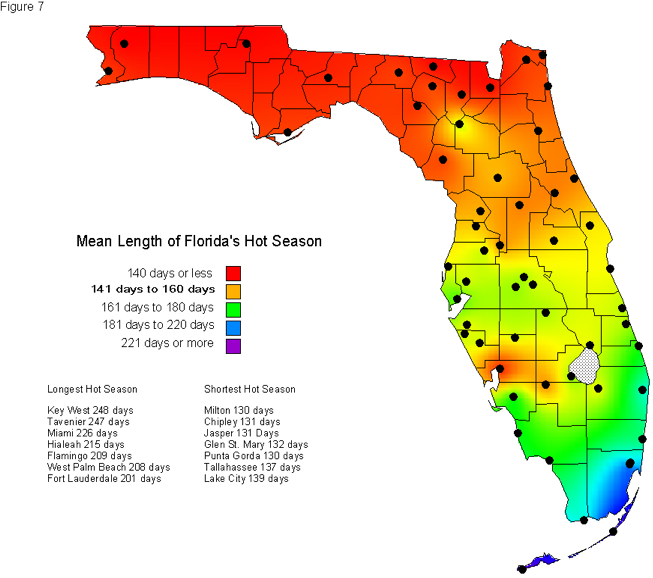
Understanding Florida’s Diverse Climate Zones
Florida’s elongated geography results in notable climatic differences from its northern border to its southernmost tip. These zones dictate temperature patterns and influence the type of experiences travelers can anticipate in each region.
North Florida’s Subtropical Nuances
North Florida, encompassing cities like Jacksonville, Tallahassee, and Gainesville, experiences a more pronounced four-season climate compared to its southern counterparts. While still milder than most of the United States, winters here can see cooler temperatures, occasionally dipping into the 30s°F (around 0-4°C) with rare frosts. Summers are hot and humid, typical of the broader state, but spring and fall offer wonderfully pleasant conditions, making them ideal for outdoor exploration. Average winter temperatures might range from 45-65°F (7-18°C), while summer averages soar to 75-90°F (24-32°C). This region is often favored by those seeking a balance of sunshine and a touch of seasonal variation without extreme cold.
Central Florida: The Heart of the Sunshine State
Central Florida, home to popular destinations like Orlando, Tampa, and St. Petersburg, exemplifies the classic “Sunshine State” climate. It enjoys warm temperatures year-round, with distinct wet and dry seasons. Winters are mild and relatively dry, with average temperatures ranging from 55-75°F (13-24°C), offering perfect conditions for visiting theme parks and engaging in outdoor activities without the intense summer heat. Summers are hot and humid, with daily averages often reaching 80-95°F (27-35°C), accompanied by frequent afternoon thunderstorms. These brief, heavy showers are a natural part of the subtropical climate, often providing a refreshing break from the heat. This region is a magnet for families and those seeking consistent warmth for their vacations.
South Florida and the Tropical Keys
The climate of South Florida, including Miami, Fort Lauderdale, and Naples, transitions into a true tropical zone. This is where the concept of “winter” largely gives way to a dry season characterized by delightful warmth and lower humidity. Average winter temperatures rarely drop below 60°F (16°C) and often reach into the 70s°F (21-26°C), making it a haven for snowbirds and beach lovers. Summers are hot, humid, and wet, with daily averages consistently in the 80s°F (27-32°C), frequently accompanied by tropical downpours. The Florida Keys, stretching into the Caribbean Sea, represent Florida’s warmest region. Key West, for example, boasts the highest average annual temperature in the state, often staying above 75°F (24°C) even in winter. The tropical climate means very little seasonal variation in temperature, offering a consistent balmy environment perfect for water sports and laid-back relaxation.
Seasonal Temperature Breakdown for Travelers
Understanding Florida’s temperature fluctuations throughout the year is crucial for planning the ideal trip, especially when considering peak seasons and specific activities.
Winter (December – February)
Winter is arguably the most popular time to visit Florida, particularly for those escaping colder climates. Average temperatures across the state range from a comfortable 60°F (16°C) in North Florida to a delightful 75°F (24°C) in South Florida and the Keys. Humidity is generally lower, and sunny days are abundant. This is prime time for theme park visits in Orlando, beach holidays in Naples or Miami, and exploring natural attractions like Everglades National Park. While cold fronts can occasionally bring cooler temperatures, especially to North Florida, the overall conditions are highly favorable for a wide range of outdoor activities.
Spring (March – May)
Spring in Florida offers some of the most pleasant weather of the year. Temperatures steadily climb, averaging 70-85°F (21-29°C) across much of the state. The humidity remains relatively low, and rainfall is minimal, particularly in March and April. This period is perfect for enjoying Florida’s natural beauty, from pristine beaches to state parks and gardens. Spring Break sees a surge of visitors, especially in coastal cities like Panama City Beach and Miami Beach. It’s an excellent time for water sports, golfing, and exploring urban centers without the peak summer heat.
Summer (June – August)
Summer in Florida is characterized by consistent heat and high humidity. Average temperatures generally range from 80-95°F (27-35°C), with “feels like” temperatures often exceeding 100°F (38°C) due to the moisture in the air. This is also Florida’s wet season, with daily afternoon thunderstorms being a common occurrence. While they are usually brief and localized, they can be intense. Despite the heat, summer remains a popular time for families visiting theme parks like Walt Disney World and Universal Orlando Resort, as water rides and pools offer welcome relief. Coastal breezes provide some respite on the beaches, but staying hydrated and seeking shade are essential. This period also coincides with the start of hurricane season, which officially runs from June 1st to November 30th.
Fall (September – November)
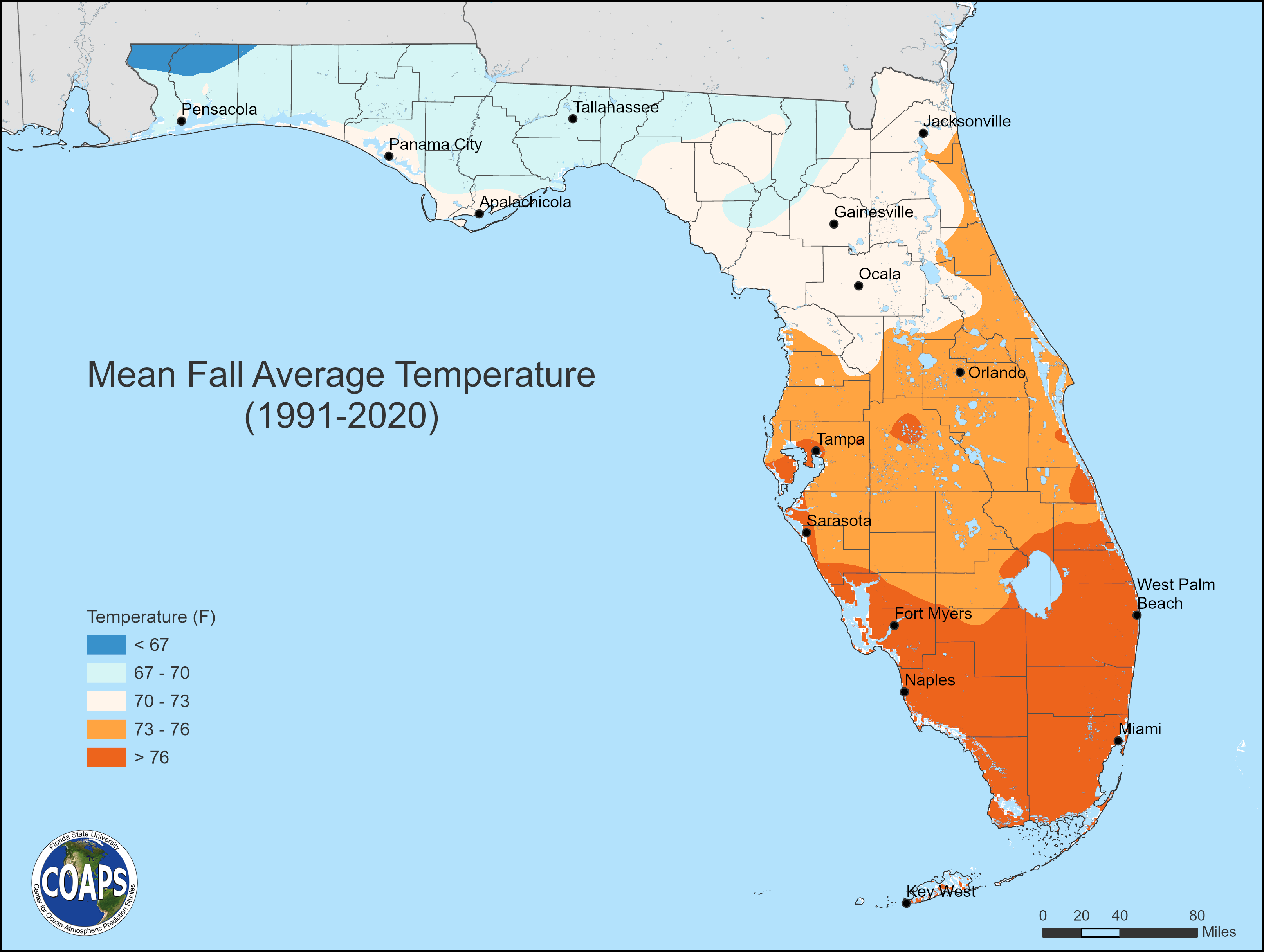
Fall sees a gradual decrease in temperatures and humidity, making it another highly desirable time to visit Florida. Early fall (September) can still feel very much like summer, with temperatures in the 80s°F (27-32°C) and continued rainfall. However, by October and November, the weather becomes increasingly comfortable, averaging 70-80°F (21-27°C) with sunnier, drier days. This season is ideal for outdoor festivals, exploring state parks, and enjoying the beaches with fewer crowds than in winter. While still within hurricane season, the risk typically diminishes by late October. The pleasant temperatures make it an excellent time for extended stays and active vacations.
Impact of Temperature on Travel Planning
The average temperature in Florida significantly influences a traveler’s itinerary and packing list. Choosing the right time to visit based on your temperature preference can make or break your trip.
Best Times for Theme Parks and Attractions
For visiting major theme parks in Orlando or Tampa, the cooler, drier months from late October through April are generally preferred. Temperatures are comfortable for walking long distances, waiting in lines, and enjoying outdoor shows. Summers, while busy, require strategic planning around the heat and afternoon storms, often involving early starts, mid-day breaks, and maximizing water rides.
Ideal Conditions for Beach and Water Activities
If your primary goal is to enjoy Florida’s world-famous beaches, nearly any time of year can work, depending on your tolerance for heat. The waters of the Gulf of Mexico and the Atlantic Ocean are warm enough for swimming from late spring through early fall. Winter offers cooler, refreshing swims, particularly in South Florida. For snorkeling, diving, or boating in the Florida Keys, the consistent warmth means these activities are popular year-round, with spring and fall often providing the calmest seas.
Outdoor Exploration and Nature Trails
Hiking, biking, and exploring Florida’s extensive network of state parks and nature preserves are best enjoyed during the dry season, from late fall to early spring. The lower temperatures and reduced humidity make for more pleasant conditions to discover areas like Ocala National Forest or the natural springs of Central Florida. Summer can be challenging for strenuous outdoor activities due to heat, humidity, and abundant insects, though early mornings can still be enjoyable.

Preparing for Florida’s Weather
Regardless of when you visit, a few universal tips apply to Florida travel. Always pack light, breathable clothing, regardless of the season, especially if traveling to Central or South Florida. Sunscreen, hats, and sunglasses are year-round necessities due to the strong Florida sun. During the summer months, a light rain jacket or umbrella is advisable for unexpected showers. Hydration is key in any season, but particularly during the warmer, more humid months. For winter visits, especially to North Florida, layers are recommended as mornings and evenings can be quite cool, even if the daytime is sunny and mild.
Ultimately, Florida’s average temperature offers a broad range of pleasant conditions for travelers throughout the year. By understanding the regional and seasonal variations, you can select the perfect time for your adventure and prepare effectively, ensuring a memorable and comfortable journey through the “Sunshine State.”
LifeOutOfTheBox is a participant in the Amazon Services LLC Associates Program, an affiliate advertising program designed to provide a means for sites to earn advertising fees by advertising and linking to Amazon.com. Amazon, the Amazon logo, AmazonSupply, and the AmazonSupply logo are trademarks of Amazon.com, Inc. or its affiliates. As an Amazon Associate we earn affiliate commissions from qualifying purchases.