
Understanding the average wage in Florida is more than just a statistical exercise; it’s a crucial lens through which to view the diverse lifestyles possible within the Sunshine State. Florida offers a tapestry of experiences, from the vibrant urban centers of Miami and Orlando to the tranquil beaches of the Gulf Coast and the lush agricultural heartland. Each of these distinct environments comes with its own cost of living and, consequently, shapes the financial realities and lifestyle choices of its residents. For anyone considering a move, a career change, or simply evaluating the economic landscape, grasping the average wage and its implications is fundamental to projecting a sustainable and desirable lifestyle in Florida.

Florida’s Dynamic Economic Landscape and Wage Drivers
Florida’s economy is remarkably diverse, moving far beyond its well-known tourism bedrock. While hospitality and leisure remain significant sectors, the state has cultivated robust industries in aerospace, aviation, logistics, international trade, finance, healthcare, and advanced manufacturing. These varied economic engines contribute to a complex wage structure, where average figures can sometimes belie significant disparities between sectors, regions, and skill levels.
The state’s pro-business environment, lack of state income tax, and attractive climate have drawn both large corporations and a steady stream of new residents, creating a competitive labor market. This influx of talent and capital means that certain high-demand professions, particularly in tech hubs like Orlando and Tampa, or finance centers like Miami, command wages significantly above the state average. Conversely, sectors like retail and hospitality, while abundant in job opportunities, often offer wages closer to or slightly above the minimum wage, influencing the lifestyle options for a substantial portion of the workforce. Understanding this backdrop is essential before delving into the raw numbers, as the “average” wage is a composite of these varied economic realities.
Decoding the Numbers: Average Wages and Their Lifestyle Implications
When discussing the average wage in Florida, it’s important to distinguish between mean and median figures, as they tell slightly different stories about lifestyle potential. While precise, real-time figures fluctuate, recent reports generally place the average annual wage in Florida somewhere in the range of $55,000 to $60,000. The median annual wage, which represents the midpoint where half earn more and half earn less, tends to be slightly lower, often around $40,000 to $45,000. These figures translate to hourly wages that similarly vary, but typically hover around $25-$30 for the mean and $20-$22 for the median.
For a lifestyle analysis, the median wage is often more illustrative for the typical working individual or family. An annual median income of roughly $42,000 provides a baseline for what an average household can afford in terms of housing, necessities, and discretionary spending. This income level, after taxes and deductions, dictates the types of neighborhoods one can realistically consider, the quality of dining experiences, the frequency of leisure activities, and the ability to save for future goals like retirement or children’s education.
Salary Variance by Industry and Occupation
The “average” is merely a starting point. High-skill professions such as software development, engineering, and specialized healthcare roles often command annual salaries well over $80,000, sometimes exceeding $100,000, particularly in metropolitan areas. These incomes facilitate a comfortable to affluent lifestyle, allowing for premium housing, frequent travel, and access to luxury goods and services.
Conversely, jobs in the service industry, which are plentiful in Florida’s tourism-driven economy, may yield wages closer to the median or even below. For individuals in these roles, a lifestyle characterized by careful budgeting, shared living arrangements, and prioritizing essential expenses over discretionary spending is often the reality. For example, a restaurant server in Orlando or a retail associate in Fort Lauderdale would likely rely on tips or multiple jobs to approach a comfortable standard of living, especially if supporting a family.
Cost of Living vs. Average Wage: A Lifestyle Reality Check
The true measure of an average wage’s impact on lifestyle isn’t just the number itself, but what it can buy in Florida. The state’s cost of living, particularly in major metropolitan areas, is often higher than the national average, primarily driven by housing expenses.
Housing and Accommodation
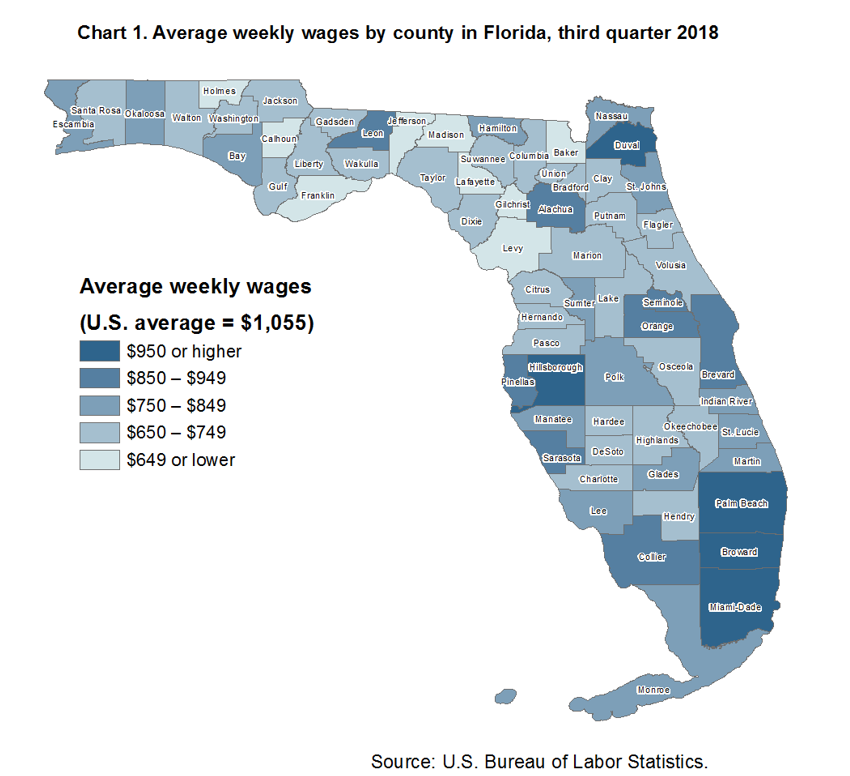
Housing is the single largest factor affecting lifestyle in Florida. Cities like Miami, Fort Lauderdale, Orlando, and Tampa have seen property values and rental rates soar. An average wage earner in these areas might find it challenging to afford a single-family home or even a spacious apartment without dedicating a significant portion of their income to housing. For instance, a median annual wage of $42,000 translated into monthly disposable income would make a median rent of $1,800 to $2,500 in cities like Miami or Sarasota a substantial burden, often necessitating roommates or living further from city centers, impacting commute times and access to amenities.
In more affordable areas, such as some parts of Jacksonville or smaller towns in central Florida, the average wage might stretch further, allowing for a more comfortable housing situation. However, these areas might offer fewer high-paying job opportunities or certain lifestyle amenities.
Everyday Expenses and Discretionary Income
Beyond housing, the average wage also impacts other critical lifestyle components:
- Transportation: While public transport exists in major cities, Florida is largely car-dependent. Fuel, insurance, and vehicle maintenance are significant expenses. An average wage allows for a standard vehicle and moderate usage but might limit options for luxury cars or extensive road trips.
- Food: Grocery costs are comparable to national averages, but dining out in Florida’s vibrant culinary scene can quickly add up. An average income allows for regular home cooking with occasional restaurant meals, whereas higher earners can frequently enjoy fine dining.
- Healthcare: Health insurance costs and out-of-pocket expenses are a concern for all income levels. An average wage necessitates careful budgeting for healthcare needs, often relying on employer-provided plans.
- Leisure and Entertainment: [Florida](https://lifeoutofthebox.com/florida] offers abundant recreational activities, from beaches and parks to theme parks and cultural events. For average wage earners, theme park visits or expensive excursions become special occasions rather than regular occurrences. Access to free or low-cost activities like state parks and public beaches becomes more central to their leisure lifestyle.
Navigating Diverse Lifestyles with Florida’s Wages
The average wage in Florida is not a monolithic indicator but rather a foundational element that shapes various lifestyles.
The Urban Professional Lifestyle
In bustling cities like Miami, Orlando, and Tampa, professionals earning above the average wage (e.g., $70,000+) can enjoy a dynamic urban lifestyle. This might include living in trendy neighborhoods, frequenting upscale restaurants and cultural venues, and participating in an active social scene. For those at or slightly below the average, the urban professional lifestyle might involve choosing more affordable neighborhoods, relying on roommates, and being more selective about entertainment expenses. Commuting from suburbs becomes a common strategy to balance housing costs with access to city amenities.
Family Life and Budgeting
Raising a family on an average wage in Florida requires diligent financial planning. Housing needs for families typically mean seeking out suburban areas with good school districts, where costs can still be significant. Family budgets must account for childcare, education expenses, healthcare, and wholesome family activities. For many families, an average income means prioritizing needs over wants, seeking out free community events, enjoying Florida’s natural beauty (beaches, parks), and making strategic choices about vacations. Two-income households often become essential to achieving a comfortable family lifestyle.
Retirement and Leisure
Florida is a renowned retirement destination. While many retirees live on fixed incomes or pensions, the average wage of the working population impacts the overall cost of living and services. For those nearing retirement who have been working in Florida, their accumulated savings and Social Security benefits, combined with the lack of state income tax, can support a comfortable leisure-focused lifestyle. However, rising costs, particularly for healthcare and housing, mean that even retirees need to carefully manage their finances. Those with above-average working careers tend to enjoy more luxurious retirement options, such as living in exclusive communities or affording frequent travel.
Aspiring for More: Luxury vs. Practicality
The pursuit of a luxury lifestyle in Florida demands income significantly exceeding the average wage. This tier of earners can afford waterfront properties, yachting, high-end shopping on Worth Avenue in Palm Beach, exclusive club memberships, and frequent international travel. For those earning the average wage, the lifestyle is inherently more practical. Choices revolve around value, necessity, and finding enjoyment in Florida’s more accessible attractions and natural beauty. It means balancing aspirations with realistic financial boundaries, often leading to a lifestyle focused on community, family, and local experiences rather than high-end opulence.
Future Outlook: Wage Growth and Lifestyle Evolution
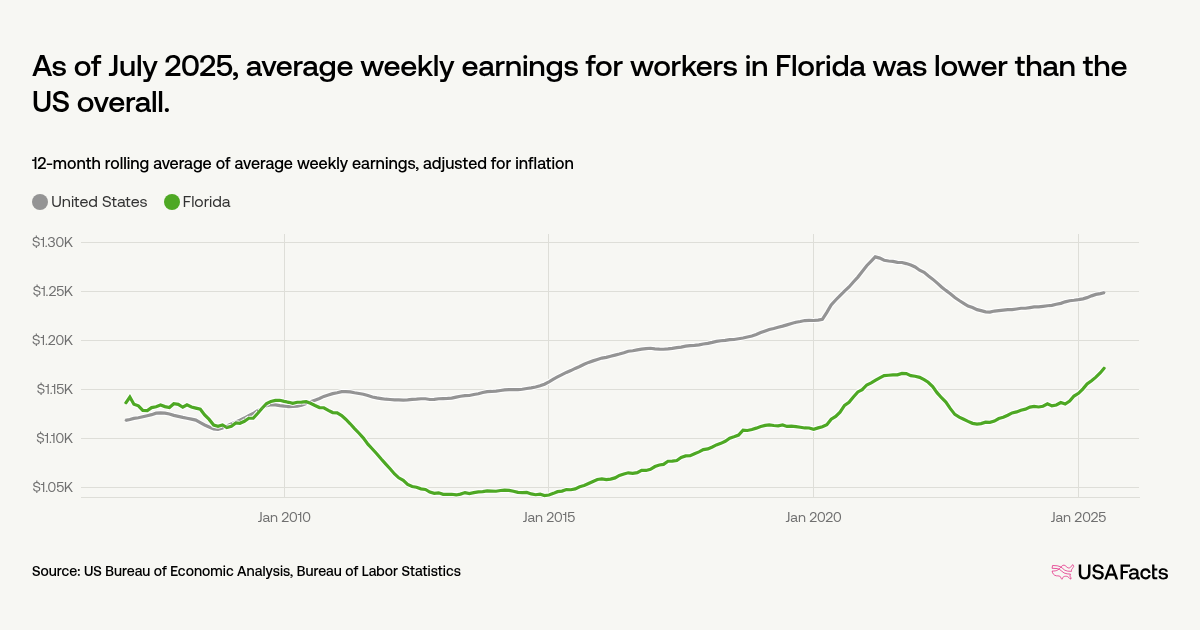
Florida’s economy continues to grow, attracting new businesses and residents. This growth, coupled with inflationary pressures and ongoing labor market shifts, suggests that average wages will likely continue to trend upwards. However, the cost of living, especially housing, has also shown a persistent upward trajectory. The interplay between these two forces will continuously redefine the “average” lifestyle in Florida.
For residents, understanding the average wage is a practical tool for budgeting, career planning, and making informed lifestyle choices. It highlights the importance of professional development and skill acquisition to command higher wages, enabling greater financial flexibility and a broader spectrum of lifestyle options in this vibrant and ever-evolving state. While the sun shines brightly across Florida, the financial rays cast by its average wage illuminate very different paths for its diverse population.
LifeOutOfTheBox is a participant in the Amazon Services LLC Associates Program, an affiliate advertising program designed to provide a means for sites to earn advertising fees by advertising and linking to Amazon.com. Amazon, the Amazon logo, AmazonSupply, and the AmazonSupply logo are trademarks of Amazon.com, Inc. or its affiliates. As an Amazon Associate we earn affiliate commissions from qualifying purchases.