
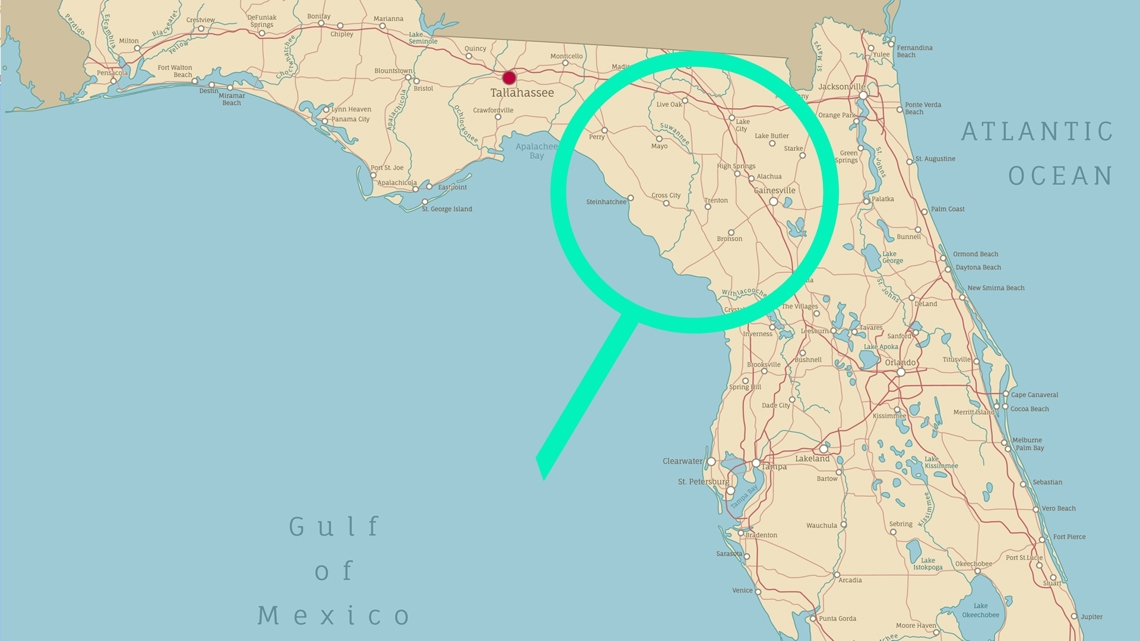
The Big Bend Region of Florida represents a unique and largely untamed stretch along Florida‘s Gulf Coast, distinct from the white sand beaches of the Panhandle to its west and the bustling tourist hubs of the peninsula to its south. This expansive area earns its evocative name from the dramatic curve the Florida coastline makes as it transitions from its east-west orientation in the Panhandle to its north-south trajectory down the main peninsula. It is a land defined by its pristine estuaries, sprawling coastal marshes, rich biodiversity, and a laid-back lifestyle that harkens back to an older, more natural Florida. Far from the high-rise condominiums and theme parks, the Big Bend offers a tranquil escape, inviting travelers to discover a side of the state where nature reigns supreme and time seems to slow.

Defining the Unique Geography and Ecology
Geographically, the Big Bend spans several counties, generally considered to extend from approximately St Marks in the west to Cedar Key in the southeast, with its inland reach stretching towards cities like Tallahassee and Perry. This region is characterized by a “marsh coast,” a stark contrast to the sandy beaches found elsewhere. Here, the land gently slopes into the Gulf of Mexico through vast salt marshes, tidal flats, and shallow seagrass beds, creating a critical nursery habitat for marine life.
Coastal Characteristics
The absence of strong wave action, due to the shallow offshore waters, means that traditional sandy beaches are largely replaced by a mosaic of estuarine habitats. These coastal marshes are incredibly productive ecosystems, filtering water, protecting shorelines from storm surge, and providing vital breeding grounds for numerous species of fish, shellfish, and migratory birds. Visitors to this area won’t find bustling boardwalks, but rather quiet stretches of coastline perfect for kayaking, birdwatching, and fishing. Towns like Steinhatchee and Yankeetown exemplify the region’s strong connection to the Gulf, with fishing and scalloping being central to their economies and cultural identities. The shallow, clear waters of the Gulf here are particularly renowned for their scalloping season, drawing enthusiasts from across the state.
Inland Wilderness
Beyond the immediate coastline, the Big Bend transitions into dense pine forests, cypress swamps, and hardwood hammocks. This inland wilderness is punctuated by an extensive network of pristine rivers, subterranean springs, and sinkholes, characteristic of Florida’s karst topography. Large protected areas, such as the St Marks National Wildlife Refuge and parts of the Apalachicola National Forest, safeguard these diverse habitats, providing sanctuary for an array of flora and fauna. These areas offer countless opportunities for hiking, paddling, and wildlife viewing, immersing visitors in the natural splendor that defines this lesser-known part of Florida.
Natural Wonders and Conservation Efforts
The Big Bend is a treasure trove of natural wonders, largely protected through dedicated conservation initiatives. Its untouched nature is a direct result of ongoing efforts to preserve its unique ecosystems from overdevelopment, ensuring its wild beauty remains for generations to come.
Springs and Rivers
A defining feature of the Big Bend is its abundance of freshwater springs and rivers. The region sits atop the Florida Aquifer, leading to numerous crystal-clear springs that bubble up, forming natural swimming holes and feeding into major river systems. Rivers like the Suwannee River, Aucilla River, Fenholloway River, and Econfina River wind through the landscape, offering unparalleled opportunities for paddling, fishing, and exploring. These spring-fed waterways are not only ecologically significant but also serve as vital recreational arteries, drawing paddlers and nature enthusiasts who seek solace in their serene currents. The clarity of the spring waters allows for incredible snorkeling and diving, revealing vibrant underwater ecosystems.
Wildlife and Habitats
The biodiversity of the Big Bend is exceptional. Its varied habitats support a vast array of wildlife, making it a premier destination for ecotourism. The coastal marshes are critical stopovers for migratory birds along the Atlantic Flyway, with hundreds of species observed annually. Wading birds, raptors, and various songbirds find refuge and sustenance here. The shallow Gulf waters are home to manatees, dolphins, and sea turtles, particularly during warmer months. Inland, the forests and swamps shelter black bears, deer, wild turkeys, and a diverse reptilian and amphibian population. The St Marks National Wildlife Refuge, a cornerstone of conservation in the region, is particularly renowned for its lighthouse and its role in protecting critical habitats for monarch butterflies and various bird species.
The “Forgotten Coast” Charm
Often referred to as part of Florida’s “Forgotten Coast,” the Big Bend lives up to this moniker by offering a genuine, unhurried experience. It’s a place where chain restaurants are scarce, and local seafood shacks serve up fresh catches daily. The charm of the region lies in its authenticity, its deep connection to the natural world, and the welcoming spirit of its small, coastal communities.
Laid-back Communities
Towns such as Cedar Key, Steinhatchee, and Port St Joe (though the latter is technically more Panhandle, its spirit aligns) embody the relaxed ethos of the Big Bend. Cedar Key, an island city, is particularly famous for its quaint charm, artist community, and prolific oyster and clam aquaculture. Life here revolves around the tides, fishing, and community gatherings. These towns offer a glimpse into old Florida, where local businesses thrive, and interactions are personal and genuine. Visitors can enjoy fresh seafood, browse local art, and experience the simple pleasures of a coastal existence.
Historical Significance
Beyond its natural beauty, the Big Bend holds significant historical value. Indigenous peoples thrived here for millennia, leaving behind mounds and artifacts that tell tales of ancient cultures intertwined with the land and sea. Later, Spanish explorers navigated its waters, and pioneers carved out livelihoods from its rich resources. Early industries, such as logging and fishing, shaped many of its communities. Historic lighthouses, like the iconic St Marks Lighthouse, stand as sentinels guarding the coast, offering glimpses into maritime history. Exploring these historical sites provides a deeper understanding of the human story within this wild landscape.
Activities and Experiences for Travelers
For the adventurous and nature-loving traveler, the Big Bend offers an unparalleled array of activities and experiences. It’s a destination that encourages exploration and appreciation of the outdoors, promising memorable encounters with Florida’s wild heart.
Outdoor Recreation
The sheer expanse of protected lands and waterways makes the Big Bend a paradise for outdoor recreation.
- Paddling: Kayaking and canoeing along the spring-fed rivers (like the Suwannee or Wacissa) or through the coastal marshes offers intimate wildlife viewing opportunities. The Great Florida Paddling Trail has numerous segments within the region.
- Fishing and Scalloping: The Gulf waters are renowned for their fishing, targeting species like redfish, trout, and snapper. During the summer, the annual scalloping season in areas like Steinhatchee and Homosassa draws families for a unique snorkeling and harvesting experience.
- Hiking and Biking: Trails crisscross the national forests and state parks, including segments of the Florida Trail. These trails lead through diverse ecosystems, from pine flatwoods to dense swamps, offering opportunities for birdwatching and nature photography.
- Wildlife Viewing: From spotting manatees in warm spring waters to observing hundreds of bird species at the St Marks National Wildlife Refuge, the region is a haven for wildlife enthusiasts.

Cultural Immersion
Beyond the natural pursuits, the Big Bend invites visitors to immerse themselves in its unique culture. This means savoring fresh, locally caught seafood at waterfront diners, attending local festivals that celebrate everything from oysters to sponges, and engaging with the friendly residents whose lives are deeply connected to the land and sea. Exploring the art galleries of Cedar Key, learning about the history of sponge diving in Tarpon Springs (though south of the immediate Big Bend, culturally linked), or simply enjoying a sunset over the Gulf from a quiet dock offers a true taste of authentic Florida.
In essence, the Big Bend Region of Florida is not merely a geographical designation but a distinct travel experience. It calls to those who value natural beauty, tranquil escapes, and a chance to connect with a Florida that remains wild, authentic, and wonderfully unhurried. For travelers seeking an alternative to the state’s more crowded destinations, the Big Bend offers an enriching journey into one of the last true wildernesses of the Sunshine State.
LifeOutOfTheBox is a participant in the Amazon Services LLC Associates Program, an affiliate advertising program designed to provide a means for sites to earn advertising fees by advertising and linking to Amazon.com. Amazon, the Amazon logo, AmazonSupply, and the AmazonSupply logo are trademarks of Amazon.com, Inc. or its affiliates. As an Amazon Associate we earn affiliate commissions from qualifying purchases.