
For any traveler planning a visit to the vibrant metropolis of Miami, Florida, understanding the local weather, particularly the temperature, is paramount. While a precise real-time temperature fluctuates moment by moment, the overarching climate of Miami dictates the nature of travel experiences, wardrobe choices, and activity planning throughout the year. Miami is renowned for its tropical allure, characterized by warm temperatures year-round, distinct wet and dry seasons, and a humidity level that is as much a part of its identity as its stunning beaches and rich cultural tapestry. This guide delves into what travelers can expect from Miami’s thermal landscape and how to best prepare for an unforgettable visit, irrespective of the thermometer’s reading on any given day.

Understanding Miami’s Climate: More Than Just a Number
Miami’s position at the southeastern tip of Florida places it firmly within a tropical monsoon climate zone, a classification that immediately sets it apart from many other popular travel destinations. This classification means that warm temperatures are the norm, with significant rainfall concentrated during a specific period of the year. For travelers, this translates into consistent warmth, but with crucial distinctions between the “summer” and “winter” seasons that dramatically impact the travel experience.
Tropical Monsoon: The Defining Factor
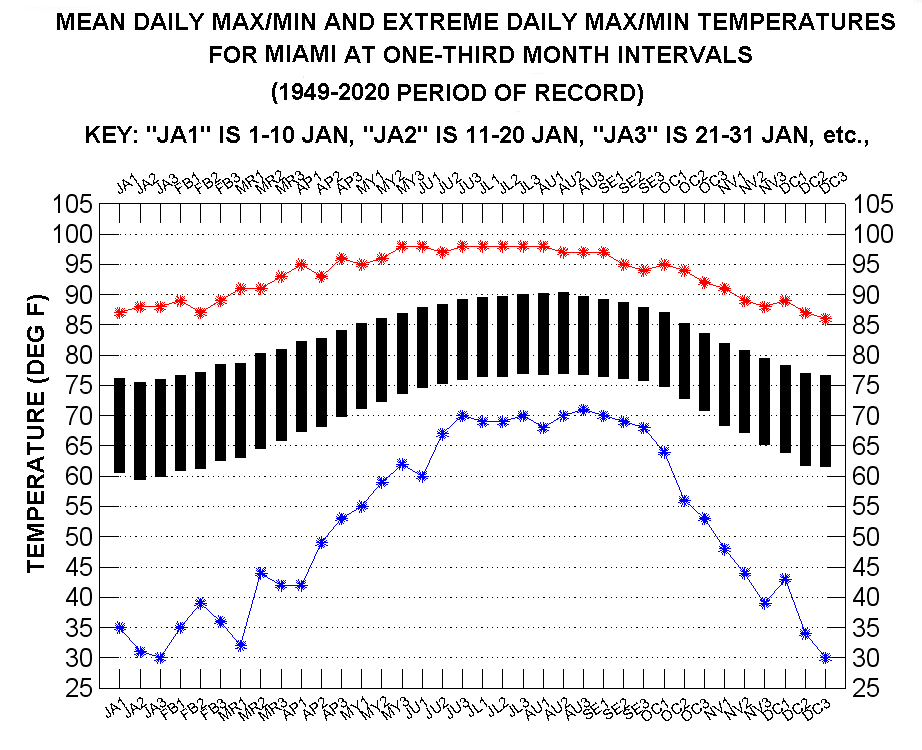
The defining feature of Miami’s climate is its two primary seasons: a hot, wet season from late May to early October, and a warm, dry season from November to April. During the wet season, daily temperatures frequently soar into the high 80s and low 90s Fahrenheit (around 30-35 degrees Celsius), often accompanied by high humidity that makes the “feels like” temperature even higher. Afternoon thunderstorms are a common occurrence, typically brief but intense, offering a temporary respite from the heat before the sun re-emerges. This period is also hurricane season for the Atlantic, a consideration travelers must always keep in mind.
Conversely, the dry season, often considered the peak tourist season, offers consistently warm temperatures, generally ranging from the mid-70s to low 80s Fahrenheit (24-28 degrees Celsius) during the day, with cooler, pleasant evenings. Humidity levels are significantly lower, and sunny skies dominate, making for idyllic conditions for outdoor activities and beach relaxation. Understanding these seasonal patterns is the first step in aligning your expectations with Miami’s reality, allowing for a more informed and enjoyable trip.
Seasonal Nuances for Travelers
- Summer (May – October): This period is characterized by intense heat and humidity. While the sea breeze often provides some relief along coastal areas like South Beach, inland temperatures can feel oppressive. Travelers during this time should plan activities for early mornings or late afternoons, with midday reserved for air-conditioned indoor attractions or refreshing dips in the ocean or pool. The consistent rain, while often predictable, can disrupt outdoor plans, requiring flexibility and alternative options. However, this season also often sees lower accommodation prices and fewer crowds, appealing to budget-conscious travelers or those who prefer a more relaxed pace.
- Winter (November – April): This is Miami’s golden period for tourism. The weather is spectacular: consistently warm, dry, and less humid. Daytime temperatures are perfect for exploring the Art Deco Historic District of Ocean Drive, spending hours on the beach, or enjoying outdoor dining. Evenings are pleasantly cool, sometimes requiring a light jacket, especially closer to January and February. This season is ideal for all outdoor pursuits, from boating on Biscayne Bay to exploring Everglades National Park. Naturally, this popularity means higher prices and larger crowds, so booking well in advance is advisable.
Packing for Miami’s Weather: A Traveler’s Guide
Armed with an understanding of Miami’s climate, the next crucial step for any traveler is to pack appropriately. Your luggage contents will vary significantly depending on the time of year you choose to visit, directly influenced by the prevailing temperatures and humidity.
Summer Essentials (Hot & Humid)
If your travel dates fall within Miami’s hot and humid season, prioritize lightweight, breathable fabrics. Think cotton, linen, and moisture-wicking materials.
- Clothing: Shorts, sundresses, light skirts, t-shirts, and tank tops will be your best friends. Opt for light colors that reflect sunlight.
- Footwear: Sandals, flip-flops, and breathable sneakers are ideal. You’ll want shoes that can handle potential puddles from summer showers.
- Sun Protection: A wide-brimmed hat, sunglasses, and high SPF sunscreen are non-negotiable. The Florida sun is intense.
- Rain Gear: A lightweight, packable rain jacket or a small umbrella is essential for sudden downpours.
- Hydration: While not something you pack, remember to stay hydrated with plenty of water.
Winter Wardrobe (Pleasantly Warm)
For those visiting during Miami’s cooler, drier months, your packing list will include items that allow for layering, though heavy winter wear is rarely, if ever, needed.
- Clothing: Light pants, jeans, capris, and slightly heavier tops can be comfortable. You can still enjoy shorts and t-shirts during the day, but having options for cooler evenings is wise.
- Layering Pieces: A light cardigan, a denim jacket, or a fashionable blazer will be perfect for evenings, especially when dining outdoors or strolling along the waterfront.
- Footwear: Comfortable walking shoes are great for exploring, alongside sandals for daytime beach visits.
- Swimwear: Even in winter, the ocean and pool temperatures are inviting, so pack your bathing suit.
- Sun Protection: Still important, though the sun’s intensity might feel slightly less harsh than in summer.
Rain Gear and Unexpected Shifts
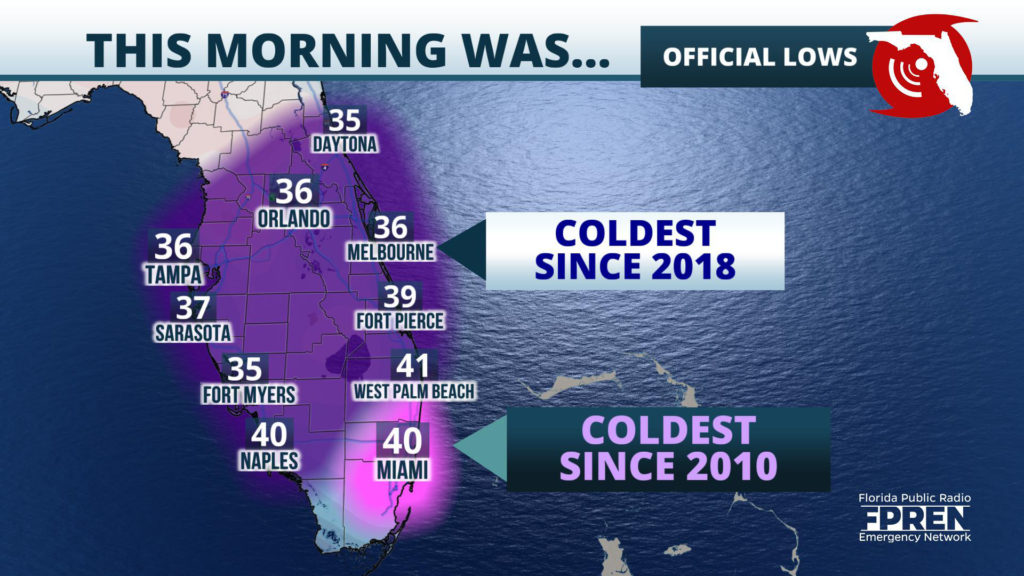
Regardless of the season, it’s always prudent to be prepared for unexpected weather shifts. Florida weather can be notoriously fickle. A sudden cold front can bring surprisingly chilly temperatures even in late spring, and tropical depressions can bring prolonged rain during the wet season. Checking the weather forecast a few days before your departure and packing versatile items will help you navigate any meteorological surprises Miami might throw your way.
Activities and Experiences Shaped by Temperature
The temperature in Miami fundamentally dictates the type of activities most enjoyable and accessible to travelers. From its famous beaches to its vibrant cultural districts, every experience is touched by the local climate.
Embracing the Heat: Beach and Water Sports
During the hotter months, Miami’s beaches and water-based activities become the primary draw. The warm ocean temperatures make swimming, snorkeling, jet-skiing, and paddleboarding incredibly inviting. South Beach, Key Biscayne, and Sunny Isles Beach offer ample opportunities for sunbathing and cooling off in the Atlantic Ocean. Boat tours, sailing charters, and fishing excursions also thrive in the warm weather, offering a different perspective of the city skyline and Biscayne Bay. It’s crucial to seek shade regularly and stay hydrated when engaging in these activities under the strong sun.
Cooler Days: Exploring Culture and Outdoors
The cooler, drier winter months open up a wider array of possibilities for exploring Miami’s diverse offerings beyond the beach. Walking tours of the Art Deco Historic District, exploring the colorful murals of the Wynwood Walls, or wandering through the lush gardens of Vizcaya Museum & Gardens become much more comfortable. These milder temperatures are also ideal for day trips to nearby natural wonders like Everglades National Park, where airboat rides and wildlife viewing are prime. Cycling, golf, and tennis are also popular activities that are best enjoyed when the oppressive summer heat has subsided.
Nightlife and Indoor Attractions
Regardless of the temperature outside, Miami’s vibrant nightlife and extensive indoor attractions remain a constant draw. The city’s world-class restaurants, bars, and clubs offer an escape from the elements. Museums like the Pérez Art Museum Miami (PAMM) and the Phillip and Patricia Frost Museum of Science provide enriching experiences in climate-controlled environments. Shopping districts like Brickell City Centre and Bal Harbour Shops also offer respite from the sun or rain, proving that Miami offers plenty of entertainment no matter what the thermometer reads.
Leveraging Weather for Optimal Travel Planning
While the exact current temperature in Miami will always be a live, fluctuating data point, understanding its typical climate patterns empowers travelers to make the most informed decisions for their trip.
Best Times to Visit Based on Temperature Preferences
- For Cooler, Drier Weather: Aim for November to April. This period offers the most consistently pleasant temperatures, low humidity, and minimal rainfall, making it ideal for outdoor exploration and enjoying Miami’s many facets without breaking a sweat.
- For Budget Travel & Fewer Crowds: Consider late spring (May) or early fall (October). While hotter and more humid, these shoulder seasons can offer a good balance of still-warm ocean temperatures and slightly lower travel costs before or after the peak season.
- For Heat Enthusiasts: June to September is for those who truly love intense heat and don’t mind the humidity and frequent afternoon showers. It’s perfect for a pure beach vacation focused on water activities.
Real-time Weather Resources
To check the actual current temperature in Miami before or during your trip, reliable online weather services, smartphone applications, and local news channels are invaluable. Websites like the National Weather Service (NOAA) or popular commercial weather apps provide up-to-the-minute data, hourly forecasts, and extended outlooks. Pay attention not just to the reported temperature but also to the “feels like” temperature, which accounts for humidity and can significantly impact comfort levels in Miami’s tropical environment.
Preparedness for Florida’s Weather Phenomena
Beyond daily temperatures, travelers to Florida, especially Miami, should be aware of the potential for tropical storms and hurricanes, particularly between June and November. While direct hits are rare, even distant systems can bring heavy rains, strong winds, and disruptions to travel plans. It’s always wise to purchase travel insurance, stay informed about hurricane forecasts from reputable sources like the National Hurricane Center, and follow local advisories.
Ultimately, the current temperature in Miami, Florida is more than just a number; it’s a dynamic element that shapes the entire travel narrative. By understanding its climate, packing thoughtfully, and planning activities with the weather in mind, travelers can ensure a comfortable, engaging, and unforgettable experience in this dazzling South Florida city.
LifeOutOfTheBox is a participant in the Amazon Services LLC Associates Program, an affiliate advertising program designed to provide a means for sites to earn advertising fees by advertising and linking to Amazon.com. Amazon, the Amazon logo, AmazonSupply, and the AmazonSupply logo are trademarks of Amazon.com, Inc. or its affiliates. As an Amazon Associate we earn affiliate commissions from qualifying purchases.