
A Snapshot of Florida’s Economic Landscape for Tourism
Florida, often dubbed the Sunshine State, is renowned globally for its pristine beaches, vibrant cities, and world-class attractions. At its economic core, tourism acts as a powerful engine, driving growth, innovation, and employment across its diverse regions. Understanding the state’s unemployment rate is not merely an exercise in economic analysis; it provides a crucial lens through which to view the health, resilience, and operational capacity of this vital tourism sector.
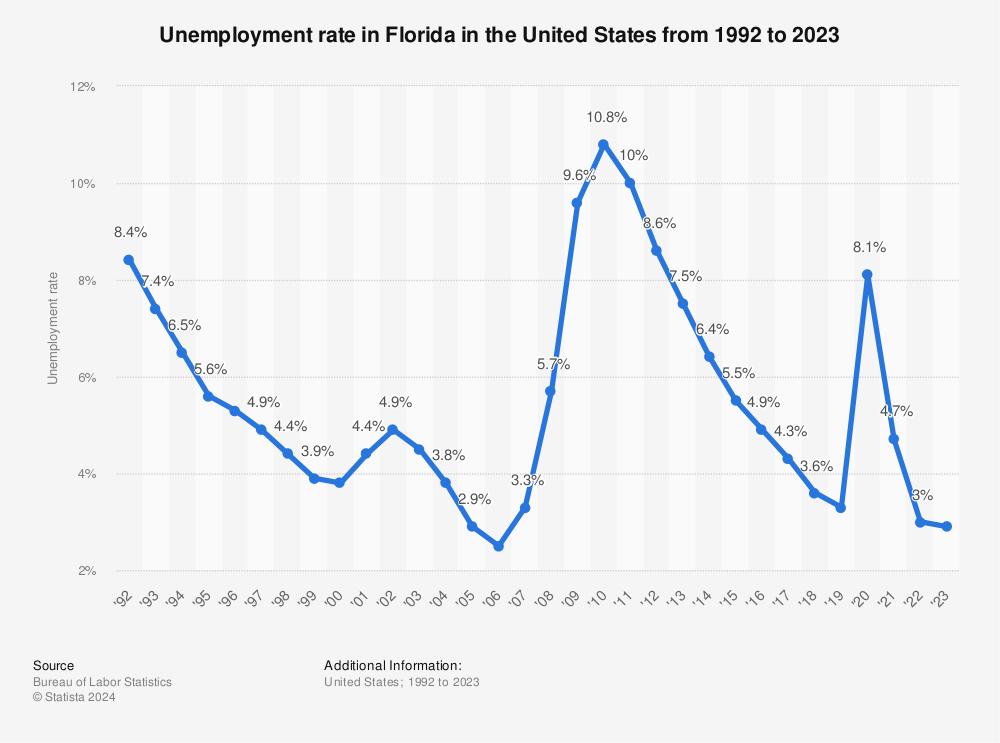
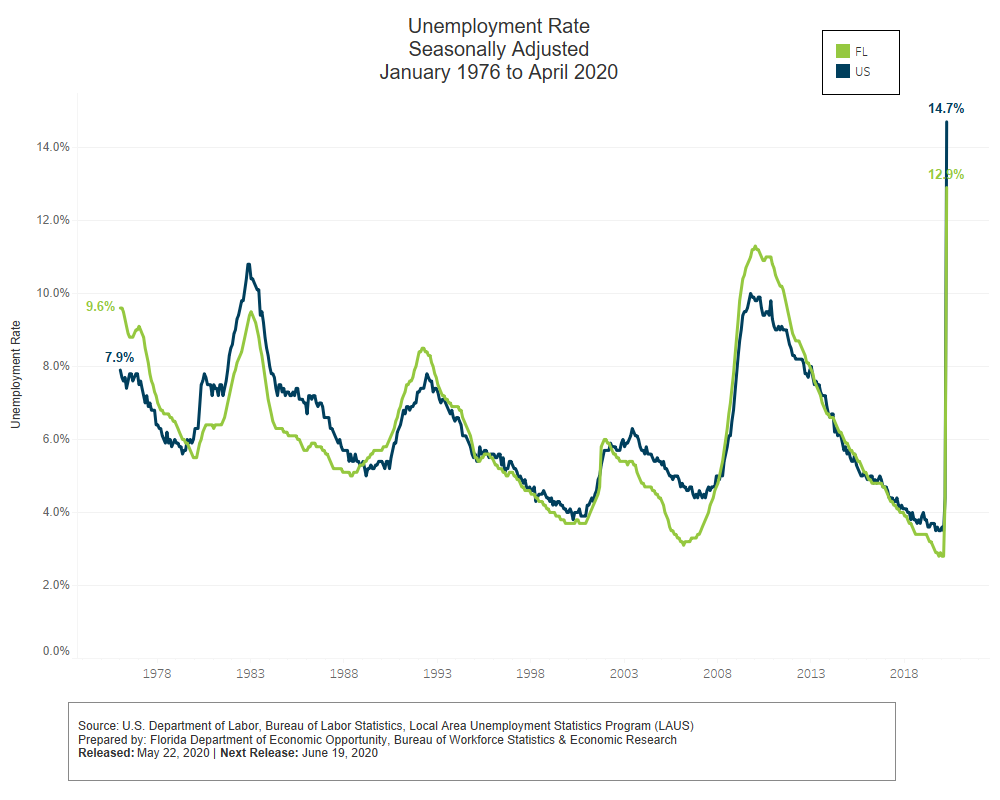
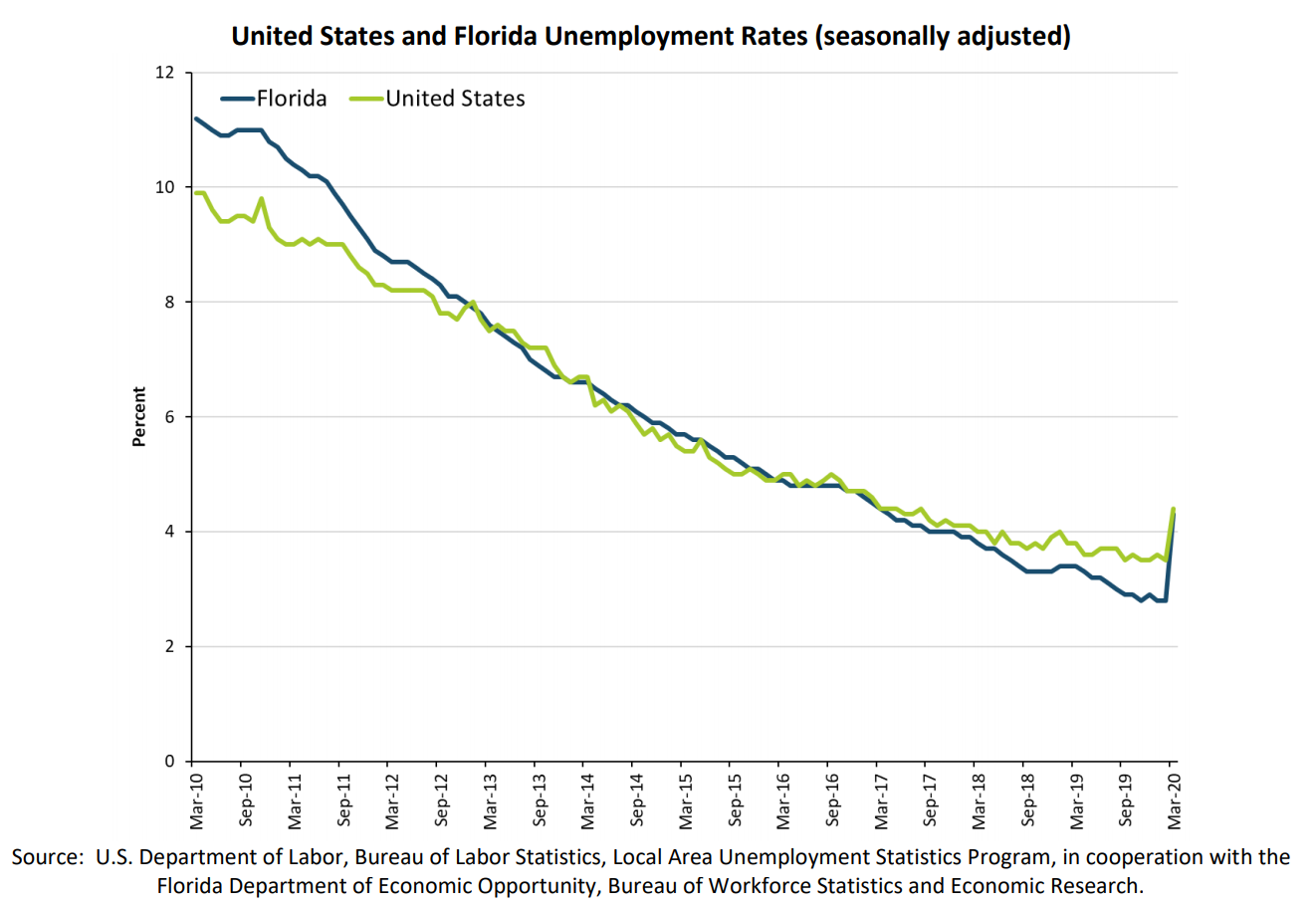
While specific real-time figures fluctuate, Florida generally maintains an unemployment rate that often mirrors, or even outperforms, the national average. For instance, recent periods have seen Florida’s unemployment rate hovering in the low single digits, frequently in the range of 2.5% to 3.5%. This historically low figure is a strong indicator of a robust labor market and a thriving economy, with significant implications for the tourism industry. A healthy unemployment rate suggests that businesses across the state, particularly those in hospitality, leisure, and related services, are actively hiring and retaining staff. This high level of employment supports the extensive infrastructure required to accommodate millions of visitors annually, from the bustling theme parks of Orlando to the sophisticated resorts of Miami and the charming guesthouses of Key West. For travelers, a stable job market translates into better-staffed hotels, more efficient attractions, and a consistently high standard of service that enhances the overall visitor experience. It underscores the state’s commitment to fostering an environment where both businesses and individuals can flourish, directly benefiting the diverse segments of its tourism landscape.
The Interplay Between Unemployment and the Tourism Industry
The relationship between Florida’s unemployment rate and its expansive tourism industry is symbiotic and multifaceted. A low unemployment rate, while indicative of a strong economy, also presents unique challenges and opportunities for the sector, directly impacting everything from service quality to visitor confidence.
Staffing and Service Quality in Hospitality
When unemployment rates are low, the labor market becomes tighter. This means that businesses in the hospitality and tourism sectors, from luxury resorts to local diners and major theme parks, often face increased competition for skilled and dedicated employees. While this can sometimes lead to hiring challenges, it also compels employers to offer competitive wages, attractive benefits, and improved working conditions, which can lead to a more satisfied and engaged workforce.
For visitors, this translates into several key advantages. Well-compensated and content staff are generally more motivated, providing higher quality service. Imagine a seamlessly checked-in hotel experience, a knowledgeable tour guide, or a quick and friendly server at a popular restaurant. These are all outcomes often associated with a stable and competitive labor market. In contrast, a high unemployment rate could theoretically provide a larger pool of available workers, but it might also signal economic distress, potentially affecting the quality of service if businesses are struggling or staff morale is low. Florida’s consistent focus on tourism workforce development programs also plays a crucial role in maintaining a high standard, even in a tight labor market. These initiatives ensure a steady pipeline of trained professionals ready to meet the demands of a world-class tourism destination, ensuring that iconic destinations like Walt Disney World and Universal Studios Florida continue to deliver exceptional experiences.
Economic Resilience and Visitor Confidence
A strong employment picture in Florida contributes significantly to the state’s overall economic resilience. This stability, in turn, boosts visitor confidence. When potential travelers perceive a destination as economically healthy and well-managed, it enhances their sense of security and desirability to visit. A state with low unemployment is often seen as vibrant, prosperous, and capable of providing high-quality experiences.
Furthermore, a healthy job market empowers Florida residents with greater disposable income, encouraging them to participate in local tourism. Staycations, weekend trips to different parts of the state, and increased patronage of local attractions, restaurants, and cultural events all contribute to the internal tourism economy. This domestic engagement provides a crucial buffer during fluctuations in international travel, ensuring that the tourism sector remains robust. For international and domestic tourists alike, the knowledge that they are visiting a state with a thriving economy and a dedicated workforce reassures them that their travel investment will yield memorable and satisfying experiences. This interconnectedness ensures that Florida’s status as a premier global destination is not just about its natural beauty or attractions, but also its underlying economic strength.
Regional Variations and Tourism Hotspots
While Florida’s statewide unemployment rate offers a broad perspective, the picture becomes more nuanced when examining its diverse tourism regions. Different areas, with their unique economic drivers and visitor profiles, often exhibit variations in their localized unemployment figures, which directly reflect the specific dynamics of their tourism industries.
In Central Florida, particularly around Orlando, the economy is heavily dominated by theme parks and convention tourism. This region typically boasts a large, stable workforce in hospitality, entertainment, and retail. Unemployment rates here tend to be closely tied to the seasonality and expansion of major attractions. A significant expansion at Walt Disney World or Universal Studios Florida, for example, can absorb thousands of workers, keeping the regional unemployment rate exceptionally low. Conversely, during slower periods or in the wake of global disruptions, this area can feel an immediate impact.
South Florida, encompassing Miami, Fort Lauderdale, and the surrounding areas, relies heavily on international tourism, luxury travel, cruise lines, and vibrant nightlife. The job market here is dynamic, influenced by global travel trends, port activity, and the high-end service industry. Unemployment rates in South Florida can sometimes be influenced by seasonal shifts in cruise departures or changes in international visitor numbers. The region’s diverse economy also includes finance and trade, which can help stabilize employment during tourism fluctuations. Meanwhile, the quirky charm of Key West in the Florida Keys supports a smaller, but highly specialized tourism workforce catering to unique experiences and eco-tourism, where unemployment rates reflect local demand and environmental factors.
Along the Gulf Coast, including cities like Tampa Bay, St. Petersburg, and destinations in the Panhandle like Destin and Panama City Beach, tourism is often centered around beaches, fishing, and family-oriented attractions. These areas frequently experience seasonal employment spikes during peak beach seasons, with tourism-related jobs forming a significant portion of their local economies. Unemployment rates might show more pronounced seasonal fluctuations here compared to metropolitan areas with more diversified industries. Jacksonville on the Atlantic Coast also benefits from coastal tourism, though its larger industrial base provides a broader employment foundation.
Understanding these regional differences is vital for both policymakers and businesses within the tourism sector. It allows for targeted workforce development, marketing strategies, and resource allocation to ensure that each corner of Florida can sustain its unique tourism offerings and support its local communities through stable employment.
Future Outlook: Trends Shaping Florida Tourism and Employment
Florida’s commitment to tourism is unwavering, and its unemployment rate will continue to be a key indicator of the industry’s evolving health. Several trends are poised to shape both the job market and the visitor experience in the coming years.
Ongoing investments in new attractions, infrastructure, and resort expansions across the state are expected to generate sustained demand for a skilled workforce. From new rides at theme parks to upgraded airport facilities and expanded convention centers, these projects create direct construction jobs, followed by long-term operational roles in hospitality, entertainment, transportation, and retail. This continuous growth strategy helps to keep unemployment rates stable and provides diverse opportunities for residents.
However, the tourism sector is also susceptible to broader economic trends and global events. Economic downturns, shifts in consumer travel preferences, and even environmental factors (such as hurricane seasons affecting coastal areas like the Everglades National Park region) can influence visitor numbers and, consequently, employment levels. Florida’s government and tourism boards, like Visit Florida, actively engage in proactive marketing campaigns and crisis management strategies to mitigate these impacts, ensuring resilience in the job market.
Moreover, the increasing demand for specialized skills in areas such as digital marketing, sustainable tourism practices, and multilingual customer service reflects an industry adapting to modern traveler expectations. Workforce development initiatives are crucial to equip Florida’s labor pool with these essential competencies, ensuring a competitive and robust tourism sector. The state’s efforts to diversify its tourism offerings beyond traditional attractions, embracing eco-tourism, cultural experiences, and sports tourism, also contribute to broader employment opportunities and economic stability.
In conclusion, Florida’s unemployment rate serves as a vital barometer for its tourism-driven economy. A generally low and stable rate reflects a vibrant and expanding industry capable of creating numerous job opportunities, ensuring high-quality services for visitors, and contributing significantly to the state’s overall prosperity. As Florida continues to innovate and expand its tourism appeal, maintaining a healthy employment landscape will remain paramount to its success as a premier global destination.
LifeOutOfTheBox is a participant in the Amazon Services LLC Associates Program, an affiliate advertising program designed to provide a means for sites to earn advertising fees by advertising and linking to Amazon.com. Amazon, the Amazon logo, AmazonSupply, and the AmazonSupply logo are trademarks of Amazon.com, Inc. or its affiliates. As an Amazon Associate we earn affiliate commissions from qualifying purchases.