
Discovering Florida’s State Flower
When travelers explore a new destination, they often seek to understand its essence – what makes it unique, what stories it tells. For Florida, a state synonymous with sunshine, beaches, and vibrant culture, its official state flower offers a deeply fragrant and historically rich insight into its identity. Far from being a mere botanical curiosity, Florida’s state flower is a profound emblem of its natural heritage, agricultural prowess, and enduring appeal. Understanding this symbol enriches a tourist’s experience, providing a deeper connection to the local landscape and its cultural tapestry.
The Story Behind the Symbol
The choice of the state flower for Florida wasn’t arbitrary; it reflects the state’s historical development and economic backbone. In 1909, the Orange Blossom was officially designated as Florida’s state flower. This decision was a testament to the burgeoning citrus industry that had, by then, firmly established itself as a dominant force in the state’s economy. The delicate yet robust flower represented the prosperity and natural bounty that the citrus groves brought to the region. It symbolized not just a plant, but an entire way of life that shaped communities, fueled commerce, and became an integral part of Florida’s international identity. For early tourists and settlers alike, the vast groves laden with these fragrant blooms were an unforgettable sight, signaling a land of promise and fertile ground.
Identifying the Iconic Bloom
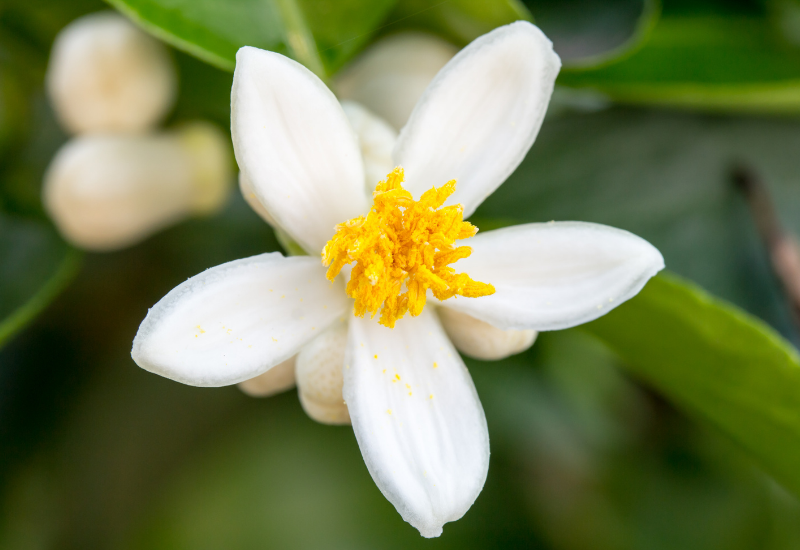
The Orange Blossom is the flower of the Citrus sinensis tree, commonly known as the sweet orange tree. These small, waxy, white flowers typically bloom in clusters, emitting an intensely sweet and intoxicating fragrance that can carry on the breeze for miles. Each blossom features five petals and a prominent cluster of yellow stamens at its center. While visually modest compared to some more flamboyant tropical flowers, its true allure lies in its scent and its promise of the fruit to come. The peak blooming season typically spans from late winter to early spring, transforming vast areas of Florida’s landscape into fragrant white tapestries. Tourists visiting during these months are often delighted by the pervasive, pleasant aroma that defines much of central Florida’s countryside, offering a sensory experience that is truly unique to the state.
The Orange Blossom’s Cultural Significance
Beyond its botanical identity, the Orange Blossom holds a cherished place in Florida’s cultural narrative. Its presence is felt not only in the natural environment but also in local traditions, economic history, and even the subtle nuances of everyday life. For tourists seeking an authentic experience, understanding this cultural emblem provides a richer appreciation of the destinations they visit, from bustling cities to serene rural landscapes.
A Fragrant Emblem of Prosperity
Historically, the Orange Blossom has been associated with good fortune, fertility, and purity across various cultures, and in Florida, it has specifically come to symbolize prosperity derived from the land. The transformation of a tiny blossom into a juicy orange, capable of sustaining livelihoods and feeding nations, embodies the essence of growth and abundance. This symbolic weight resonated deeply with early Floridians and continues to influence the state’s self-perception. For visitors, encountering the Orange Blossom offers a glimpse into this foundational narrative, connecting them to the very roots of Florida’s prosperity, long before the advent of theme parks and modern tourism. It’s a quiet reminder of the state’s agricultural backbone and the natural resources that first drew people to its shores.
Tying into Florida’s Agricultural Heritage
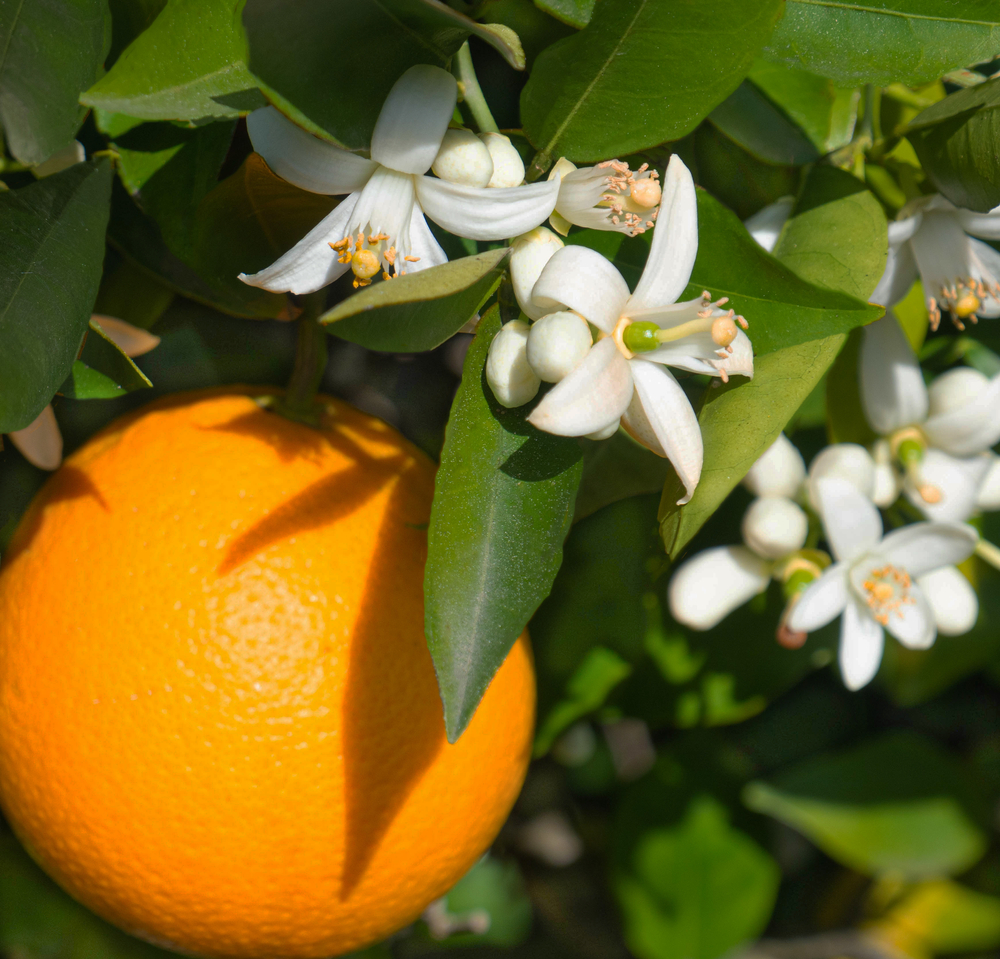
The Orange Blossom’s status is intrinsically linked to Florida’s famed citrus industry. For over a century, Florida has been one of the world’s leading producers of oranges, grapefruits, tangerines, and other citrus fruits. The delicate flowers are the harbingers of this rich harvest. Driving through areas like Polk County or Highlands County, visitors can witness endless rows of citrus trees, particularly during blooming season, making it clear why this particular flower holds such significance. Many local businesses, from small artisanal shops to large-scale product manufacturers, incorporate the imagery and fragrance of the Orange Blossom into their products, including perfumes, candles, and even culinary items like orange blossom water. This deep connection to agriculture offers tourists a tangible link to Florida’s economic history and a chance to support local industries that perpetuate this heritage.
Experiencing the Orange Blossom
For tourists, experiencing the Orange Blossom can be a highlight of their trip, moving beyond typical attractions to engage with Florida’s natural beauty and local traditions. It’s an immersive, sensory experience that deepens appreciation for the destination.
Where to See and Smell the Blooms
To truly appreciate the Orange Blossom, timing is key. The best period to witness the groves in full bloom and inhale their enchanting fragrance is typically from late February through April, depending on weather conditions. Regions in central Florida, often referred to as the “Citrus Belt,” are prime locations. Areas around Orlando, Lakeland, Winter Haven, and Sebring are particularly abundant with citrus groves. Many farms offer tours, allowing visitors to walk among the trees, learn about the cultivation process, and, during blooming season, be enveloped by the sweet scent. Some U-pick citrus farms, while primarily focused on fruit, also provide an opportunity to see the blossoms up close before the harvest. Driving along scenic routes, such as the Florida Citrus Tower area in Clermont, can also offer panoramic views of blooming groves. Even in urban environments like Miami or Tampa, you might encounter orange trees in botanical gardens, parks, or even private residences, offering smaller, intimate encounters with the state flower.
Festivals and Local Celebrations
While there aren’t massive festivals solely dedicated to the Orange Blossom on the scale of, say, cherry blossom festivals, many local events and farmers’ markets in citrus-producing regions subtly celebrate its significance. During the spring months, county fairs and agricultural shows often feature exhibits on citrus, including displays of the blossoms and products derived from them. Local artisans at markets across Florida frequently sell goods infused with orange blossom essence, such as soaps, lotions, and honeys. These smaller, community-focused events provide an authentic way for tourists to engage with the local culture and appreciate the flower’s role in daily life and traditional craftsmanship. Visiting a farmers’ market in places like Gainesville or Sarasota during the blooming season can yield local produce alongside items that subtly honor the state flower.
Beyond the Blossom: Other Notable Flora
While the Orange Blossom reigns as the official state flower, Florida’s rich biodiversity means visitors can encounter a stunning array of other flora. Exploring this broader botanical landscape further enhances a tourist’s understanding of the state’s natural assets and ongoing conservation efforts.
The Diversity of Florida’s Ecosystems
Florida’s unique geographical position and varied climates support a remarkable diversity of ecosystems, each boasting its own characteristic plant life. From the subtropical rainforests of South Florida and the Everglades to the pine flatwoods and cypress swamps of the central and northern regions, the state is a botanical wonderland. Tourists can explore stunning native orchids in the Fakahatchee Strand Preserve State Park, witness the vibrant displays of wildflowers in state parks like the Florida Trail, or admire the majestic live oaks draped with Spanish moss that define much of the southern landscape. The iconic sabal palm, the official state tree, is ubiquitous, symbolizing resilience and tropical charm. Even beyond cultivated areas, the wild beauty of Florida offers endless opportunities for discovery, from mangroves lining the coasts to brilliant bougainvillea adorning private gardens. This rich tapestry of flora offers a continually evolving sensory experience for those who venture beyond the typical tourist paths.
Protecting Florida’s Natural Beauty
The beauty of Florida’s plant life, including the Orange Blossom, is not without its vulnerabilities. Rapid development and environmental changes pose ongoing challenges to the state’s natural habitats. Many state parks, national wildlife refuges, and botanical gardens, such as the Marie Selby Botanical Gardens in Sarasota or the Fairchild Tropical Botanic Garden in Coral Gables, play crucial roles in conservation efforts. They not only preserve native species but also educate visitors on the importance of ecological stewardship. For tourists, supporting these institutions, practicing responsible tourism (e.g., sticking to marked trails, not picking wildflowers), and learning about local flora contribute to the long-term preservation of Florida’s unique natural heritage. Engaging with the state’s botanical wealth, from its iconic Orange Blossom to its diverse wildlands, offers a profound and memorable aspect to any Florida vacation, forging a deeper connection to the true spirit of the Sunshine State.
LifeOutOfTheBox is a participant in the Amazon Services LLC Associates Program, an affiliate advertising program designed to provide a means for sites to earn advertising fees by advertising and linking to Amazon.com. Amazon, the Amazon logo, AmazonSupply, and the AmazonSupply logo are trademarks of Amazon.com, Inc. or its affiliates. As an Amazon Associate we earn affiliate commissions from qualifying purchases.