
Understanding the economic landscape of Florida is crucial for anyone considering making the Sunshine State their home, investing in its vibrant economy, or simply wanting to grasp the lifestyle possibilities it offers. The median household income serves as a key indicator, providing a snapshot of the economic well-being of the typical Florida family. This figure influences everything from housing affordability to leisure activities, shaping the diverse lifestyles experienced across the state.
Understanding the Economic Landscape of Florida’s Households
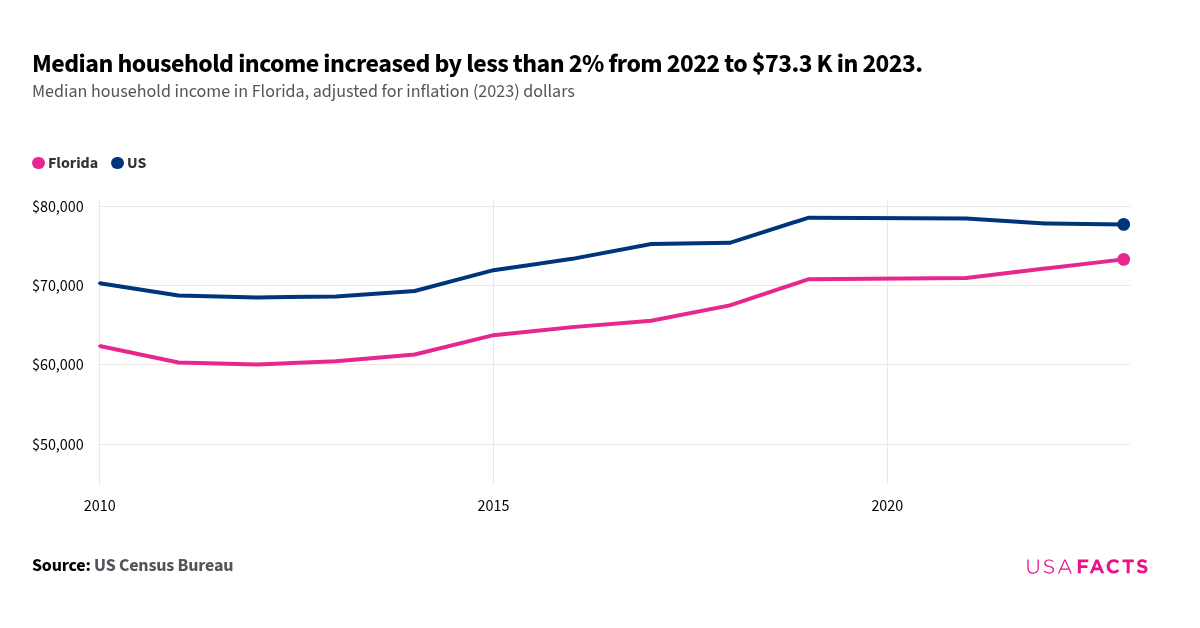
The median household income in Florida reflects the midpoint of all household incomes in the state, meaning half of the households earn more and half earn less. As of recent estimates (e.g., 2022-2023 data), the median household income in Florida hovers around $67,917. To put this into perspective, it’s generally slightly below the national median household income, which often fluctuates a few thousand dollars higher. This figure is not just a statistic; it’s a foundational element influencing the daily lives and long-term financial planning for millions of Floridians.
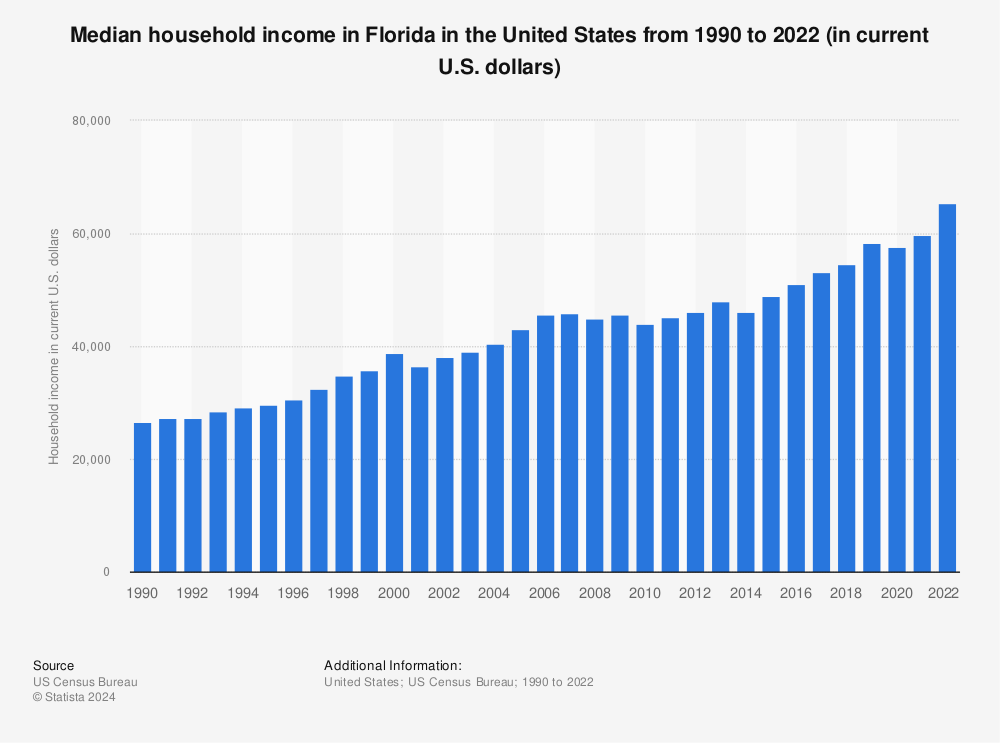
For the average Florida household, this income level dictates purchasing power, savings potential, and the ability to engage in the myriad lifestyle offerings available, from coastal living to urban adventures. It influences decisions on where to live, what type of education is pursued, and how much disposable income is available for recreation, travel, and personal enrichment. The median serves as a benchmark, but it’s essential to recognize that Florida is a vast and economically diverse state, where income levels can vary significantly from one region to another, creating a rich tapestry of lifestyles.
Regional Disparities: Income Across Florida’s Diverse Cities and Counties
Florida’s median household income is an aggregate number that masks considerable variation across its counties and metropolitan areas. The state’s economic geography is highly segmented, leading to distinct lifestyle patterns based on local income levels.
Affluent Enclaves and Metropolitan Hubs
Certain areas within Florida boast median household incomes significantly higher than the state average. These are typically found in prosperous suburban communities surrounding major metropolitan centers or in exclusive coastal towns. For instance, counties like Collier County, home to Naples, often report much higher median incomes, reflecting a prevalence of wealthy retirees, affluent professionals, and luxury real estate. Similarly, parts of Palm Beach County and specific neighborhoods within Miami-Dade County (such as Coral Gables or Pinecrest) see figures that can exceed $100,000, supporting a lifestyle characterized by luxury goods, high-end dining, exclusive club memberships, and frequent upscale travel, both domestically and internationally. These areas are often magnets for those seeking a premium Florida lifestyle, complete with designer boutiques, fine art galleries, and access to private aviation or yachting in places like Fort Lauderdale.
Coastal Communities and Retirement Havens
Many of Florida’s beloved coastal communities and renowned retirement havens present a unique income dynamic. Places like Sarasota, St. Petersburg, and those along the Space Coast attract a large number of retirees whose incomes may be derived from pensions, social security, and investment portfolios rather than active employment. While their earned income might be lower, their accumulated wealth often supports a comfortable, amenity-rich lifestyle. This includes frequent leisure activities, dining out, cultural engagements, and travel, often taking advantage of cruise departures from ports like Port Canaveral. The median household income in these areas might sometimes appear lower than high-earning professional hubs, but the overall economic stability and quality of life can be exceptionally high due to wealth concentration.
Inland and Rural Areas
Conversely, inland and more rural counties, particularly in North and Central Florida, tend to have lower median household incomes. Areas like Alachua County (home to Gainesville) or many agricultural regions reflect a different economic reality. Here, the lifestyle is often more focused on community events, outdoor activities that are free or low-cost (such as fishing, hiking in state parks, or enjoying local festivals), and a strong emphasis on family and local traditions. Disposable income for luxury travel or high-end entertainment might be more limited, leading residents to explore Florida’s natural beauty and more budget-friendly attractions. This segment of the population might prioritize value-driven experiences and domestic road trips over international excursions or stays at five-star resorts like a Ritz-Carlton.
The Influence of Income on Lifestyle Choices in Florida
The median household income significantly shapes the lifestyle choices available to residents, from the type of home they can afford to their vacation habits and daily recreational pursuits.
Housing and Cost of Living
Florida’s real estate market has seen substantial growth, especially in popular coastal and metropolitan areas. This rise in housing costs means that a median income household in Miami or Tampa faces different affordability challenges than a household with the same income in a more rural county. For many, the median income means navigating the balance between homeownership and renting, potentially opting for smaller homes, condominiums, or properties further from urban centers to achieve affordability. The cost of living, which includes expenses beyond housing such as groceries, utilities, and transportation, directly impacts a household’s disposable income, thereby influencing how much can be allocated to discretionary lifestyle activities.
Recreation and Leisure Activities

Income levels directly correlate with the accessibility and frequency of certain recreational and leisure activities in Florida.
- Luxury Lifestyle: High-income households can indulge in premium experiences such as private yacht charters in South Florida, exclusive golf club memberships, bespoke shopping experiences in Palm Beach, or frequent visits to world-class spas and fine dining establishments. For them, a weekend might involve staying at a high-end resort on the Florida Keys or attending a major sporting event in Orlando with VIP access.
- Mid-Range Lifestyle: Households earning around the median income can enjoy a wide array of Florida’s attractions by planning wisely. This might include annual passes to popular theme parks, weekend getaways to state parks or less expensive beach towns, dining out several times a month, and participating in community sports leagues or local cultural events. They might take advantage of off-peak travel times for domestic vacations.
- Budget-Conscious Lifestyle: For households below the median income, the emphasis shifts to free or low-cost activities. Florida’s abundant natural beauty offers numerous options, including public beach access, hiking and biking trails in state and national parks, free community festivals, and picnicking in scenic areas. Local libraries, public pools, and free museum days also become valuable resources for entertainment and enrichment.
Travel and Vacation Habits
The ability to travel and take vacations is a clear indicator of disposable income.
- International vs. Domestic Travel: Higher-income households are more likely to afford international travel, perhaps flying out of Miami International Airport or Orlando International Airport to Europe or the Caribbean. Mid-range earners might opt for domestic flights to other U.S. states or cruises.
- Luxury Resorts vs. Budget Accommodations: The choice between a beachfront villa and a budget-friendly motel for a Florida staycation is directly linked to income.
- Frequency and Duration: Affluent residents may take multiple, longer vacations throughout the year, while those with lower incomes might limit themselves to one annual trip or shorter weekend escapes.
Factors Shaping Florida’s Income Dynamics
Several factors contribute to Florida’s median household income and its distribution.
Key Industries and Employment
Florida’s economy is diverse, with key industries playing a significant role in wage structures. Tourism and hospitality, while major employers, often offer lower-wage jobs, impacting the median. In contrast, sectors like aerospace (e.g., around Cape Canaveral), healthcare, technology (growing hubs in Tampa and Orlando), and finance (prominent in Miami and Jacksonville) typically provide higher-paying professional roles, elevating the average income in those specific regions. The growth of these higher-wage industries is crucial for increasing the overall median income statewide.
Demographic Trends
Florida is a magnet for migration, attracting a mix of retirees, young professionals, and diverse populations from across the United States and internationally. This influx continuously reshapes the income landscape. While retirees often bring fixed incomes or accumulated wealth, contributing to a stable but not necessarily high “earned” income, young professionals and families seeking opportunities in growing sectors can push the median upwards in urban centers. The sheer diversity of residents means a broad spectrum of income levels coexisting within the state.
Cost of Living Considerations
Even with a healthy median income, the high cost of living in desirable Florida locations can effectively reduce disposable income. Property taxes, insurance costs (especially along the coast), and utility expenses can be substantial. This means that a seemingly good income might stretch less far in South Florida than it would in a less expensive state, forcing residents to make careful choices about their lifestyle and budget.
Navigating Florida’s Lifestyle on Any Budget
While the median household income provides a benchmark, Florida truly offers a spectrum of lifestyles attainable at various income levels. The key is understanding how to maximize the state’s natural beauty, vibrant culture, and diverse opportunities.
For those on a budget-conscious lifestyle, Florida remains an incredibly rewarding place. Leveraging free access to stunning beaches, exploring the numerous state parks, enjoying community-organized events, and taking advantage of local farmers’ markets for affordable, fresh produce can create a rich, fulfilling experience without breaking the bank. Camping, picnicking, and engaging in outdoor sports like kayaking or fishing are accessible ways to enjoy the Florida lifestyle.
Households earning a mid-range income have the flexibility to experience many of Florida’s signature attractions. This might involve strategic planning for theme park visits (e.g., off-season, multi-day passes), weekend getaways to charming towns like St. Augustine or Key West, and dining at a wider array of restaurants. Domestic travel and exploring different regions of Florida become regular possibilities.
For affluent households, the luxury lifestyle in Florida is virtually boundless, offering curated experiences, exclusive access to events and venues, high-end shopping, and international travel from sophisticated airports. Private clubs, bespoke services, and ownership of multiple properties contribute to a life of comfort and convenience.
Ultimately, Florida’s median household income paints a picture of its economic reality, but it’s the adaptability and diversity of its offerings that allow individuals and families across all income brackets to carve out their own unique and vibrant Florida lifestyle.
LifeOutOfTheBox is a participant in the Amazon Services LLC Associates Program, an affiliate advertising program designed to provide a means for sites to earn advertising fees by advertising and linking to Amazon.com. Amazon, the Amazon logo, AmazonSupply, and the AmazonSupply logo are trademarks of Amazon.com, Inc. or its affiliates. As an Amazon Associate we earn affiliate commissions from qualifying purchases.