
Navigating the financial landscape of a major purchase like a car is a crucial aspect of managing one’s lifestyle, particularly in a state as dynamic as Florida. Whether you’re a long-time resident, a new transplant, or a “snowbird” planning an extended stay, understanding the specific sales tax regulations for vehicles is essential for accurate budgeting and avoiding unexpected costs. Beyond the sticker price, the sales tax and associated fees significantly impact the total cost of ownership. This comprehensive guide breaks down the intricacies of car sales tax in the Sunshine State, offering insights to help you make informed financial decisions.
Understanding Florida’s Vehicle Sales Tax Landscape
In Florida, the purchase of a motor vehicle, whether new or used, is subject to sales tax. This tax is a fundamental component of the state’s revenue system and is applied to a wide range of goods and services. For cars, the process of collecting this tax is typically handled by the dealership at the point of sale, or by the buyer directly when registering a vehicle purchased from a private party. The primary agencies overseeing these regulations are the Florida Department of Revenue and the Florida Highway Safety and Motor Vehicles.
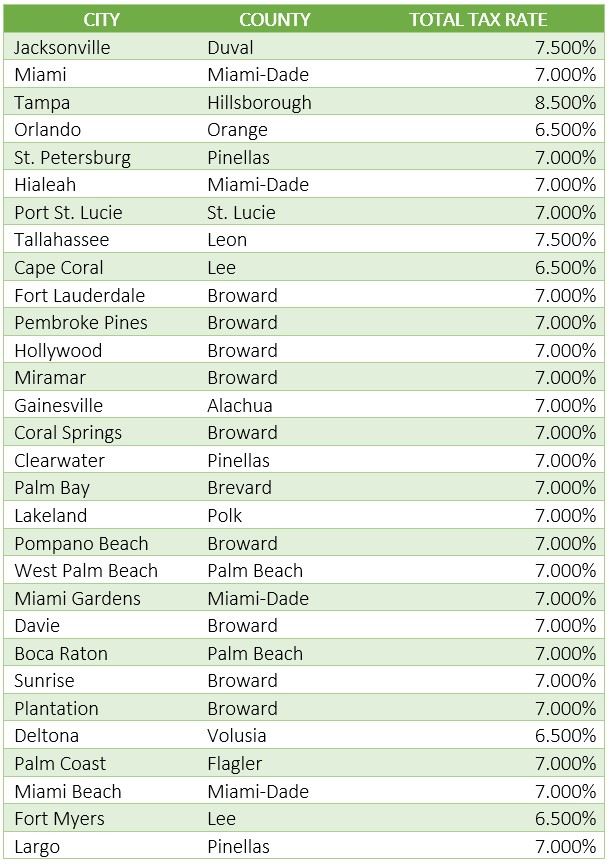
The statewide sales tax rate in Florida is a flat 6%. However, the total sales tax you pay can be slightly higher due to additional local option sales surtaxes, often referred to as “county sales tax” or “discretionary sales surtax.” These additional taxes vary by county and are levied on top of the state’s 6%. It is critical to understand how both the state and county taxes are applied to motor vehicle purchases, as the rules for each can differ, especially concerning any caps on the taxable amount. This dual-layered tax structure ensures that local governments can fund essential services, but it also necessitates careful calculation on the part of the buyer.
Calculating Your Car Sales Tax: A Practical Guide
Determining the exact sales tax for your vehicle purchase in Florida involves two main components: the statewide sales tax and any applicable discretionary sales surtax.
The Standard 6% Statewide Sales Tax
The core of vehicle sales tax in Florida is the 6% state sales tax. This rate applies uniformly across all 67 counties. It is calculated on the “taxable amount” of the vehicle purchase. Crucially, if you trade in an old vehicle, the sales tax is applied to the net purchase price (the price of the new car minus the trade-in allowance). This is a significant benefit to buyers, as it reduces their overall tax burden. For example, if you purchase a car for $30,000 and trade in your old vehicle for $10,000, the 6% state sales tax would be calculated on $20,000, totaling $1,200.
Understanding Discretionary Sales Surtax (County Tax)
Beyond the statewide 6%, many counties in Florida impose an additional “discretionary sales surtax,” ranging from 0.5% to 1.5%. Unlike the state sales tax, which applies to the full taxable amount of the vehicle purchase (after trade-in), the discretionary sales surtax for motor vehicles is typically capped. This means the surtax only applies to a certain portion of the purchase price.
For most counties, the discretionary sales surtax on a single motor vehicle transaction is capped at a maximum of $5,000 of the transaction price. This means that if a county has a 1% surtax, the maximum amount of surtax you would pay on a car purchase is $50 (1% of $5,000), regardless of whether the car costs $10,000 or $100,000. For instance:
- In Miami-Dade County, with its 1.5% surtax, the maximum surtax collected on a car sale would be $75 (1.5% of $5,000).
- In Orange County, with a 0.5% surtax, the maximum would be $25 (0.5% of $5,000).
- In Broward County, with a 1% surtax, the maximum would be $50 (1% of $5,000).
- In Hillsborough County, also with a 1% surtax, the maximum would similarly be $50.
It is crucial to verify the specific surtax rate and its applicable cap for the county where the vehicle is delivered or registered, as these rates and rules can be subject to change and may have specific local interpretations. Dealerships are typically well-versed in these local variations and can provide precise calculations.
Key Considerations for Different Purchase Scenarios
The way sales tax is applied can differ significantly based on your specific purchase situation, influencing your overall financial planning for a car in Florida.
Trade-Ins and Their Impact
One of the most advantageous aspects of purchasing a vehicle in Florida is the sales tax treatment of trade-ins. When you trade in an existing vehicle as part of a new car purchase, the sales tax is calculated only on the difference between the new car’s price and your trade-in allowance. This effectively reduces your taxable base, leading to substantial savings. For example, if you buy a $40,000 car and trade in a vehicle worth $15,000, you only pay state sales tax on $25,000. This policy strongly incentivizes trading in vehicles at dealerships rather than selling them privately.
Out-of-State Purchases and Relocating to Florida
If you purchase a vehicle outside of Florida and bring it into the state for use, Florida law credits sales tax paid in another state or U.S. territory. If the sales tax paid in the other jurisdiction was less than Florida’s 6% (plus any applicable discretionary surtax up to its cap), you will owe the difference to Florida when you title and register the vehicle. If you paid an equal or greater amount of sales tax in the other state, no additional Florida sales tax would typically be due.
For those relocating to Florida with a vehicle they already own and have used in another state, sales tax is generally not applied if the vehicle has been owned for six months or more in the prior state and sales tax was properly paid there. If owned for less than six months, Florida sales tax may be assessed, with credit for any tax paid in the previous state, underscoring the importance of proper documentation.
Leased Vehicles
Sales tax on leased vehicles operates differently. Instead of paying sales tax on the full purchase price upfront, you typically pay sales tax on each monthly lease payment. This spreads out the tax burden over the term of the lease, making monthly payments slightly higher but avoiding a large lump sum tax payment at the beginning. The specific tax rate applied to lease payments will still follow the 6% state sales tax plus any relevant county surtax based on the county of residence or where the vehicle is primarily garaged.
Gifts and Transfers Between Family Members
When a vehicle is gifted or transferred between individuals, especially family members, the sales tax rules can be nuanced. Generally, if a vehicle is transferred without consideration (no money changes hands), it may still be subject to sales tax based on its fair market value, unless specific exemptions apply. For example, transfers between spouses or certain other immediate family members might be exempt or subject to a minimal titling fee rather than full sales tax. It is always advisable to consult the Florida Highway Safety and Motor Vehicles or a tax professional for precise guidance on these types of transactions to ensure compliance and avoid unexpected liabilities.
Beyond Sales Tax: Other Essential Costs of Car Ownership in Florida
While sales tax is a significant component, it’s just one of several financial considerations when acquiring a vehicle in Florida. A holistic approach to budgeting for your car purchase should also include title, registration, and license plate fees, as well as mandatory insurance.
Title and Registration Fees
Upon purchasing a vehicle, whether new or used, you will incur various title and registration fees. These include:
- Original Title Fee: A one-time fee for issuing a new vehicle title.
- Initial Registration Fee (New Resident Fee): For new Florida residents registering a vehicle from another state, there’s an initial registration fee, often referred to as a “new resident fee” or “initial plate fee.”
- Annual Registration Renewal Fees: These fees are typically based on the vehicle’s weight and type and must be paid annually to keep your registration current.
License Plate (Tag) Fees
You will also pay for your license plate, commonly known as a “tag.” Standard license plates have a fee, and if you opt for one of Florida’s many specialty plates (which support various causes or organizations), an additional annual fee will apply. These fees are collected by the local tax collector’s office or the DMV when you register your vehicle.
Dealer Fees vs. Private Sale
When buying from a dealership, you’ll likely encounter “dealer documentary fees” or “doc fees.” These are administrative fees charged by the dealership for processing paperwork, and while they are regulated to some extent in Florida, they can still add several hundred dollars to the total cost. When buying from a private seller, you avoid these dealer fees, but the responsibility of properly titling, registering, and paying sales tax (if applicable) falls entirely on you, the buyer.
Insurance Requirements
Florida has specific mandatory auto insurance requirements. All vehicle owners must carry Personal Injury Protection (PIP) and Property Damage Liability (PDL) insurance. While not a tax, this is a non-negotiable and recurring cost that must be factored into your budget for car ownership in the state. The cost of insurance can vary widely based on your driving record, vehicle type, and location within Florida.

Strategic Financial Planning for Your Florida Automotive Purchase
Understanding the sales tax and other associated costs is paramount for effective financial planning, especially when integrating a new vehicle into your Florida lifestyle. Given the state’s expansive geography and often limited public transportation options, car ownership is a necessity for most residents, making this a significant lifestyle investment.
Whether you’re moving to Florida, upgrading your family vehicle, or purchasing a car for leisure, comprehensive budgeting that accounts for the state’s 6% sales tax, county surtaxes, various fees, and ongoing insurance is vital. Always confirm the most current rates and regulations directly with reputable dealerships or the Florida Department of Highway Safety and Motor Vehicles to ensure the accuracy of your financial projections. By doing so, you can enjoy the freedom and convenience of car ownership in Florida without any unwelcome financial surprises.
LifeOutOfTheBox is a participant in the Amazon Services LLC Associates Program, an affiliate advertising program designed to provide a means for sites to earn advertising fees by advertising and linking to Amazon.com. Amazon, the Amazon logo, AmazonSupply, and the AmazonSupply logo are trademarks of Amazon.com, Inc. or its affiliates. As an Amazon Associate we earn affiliate commissions from qualifying purchases.