
Decoding Florida’s Sales Tax for Visitors
For travelers planning a memorable getaway to the Sunshine State, understanding the intricacies of local taxation is more than just a financial detail—it’s a crucial component of smart budgeting and an informed travel experience. While the allure of Florida’s pristine beaches, vibrant cities, and world-class attractions is undeniable, the state’s sales tax system plays a significant role in the final cost of almost every purchase, from a refreshing glass of orange juice to a thrilling theme park ticket. Far from being a mere footnote, sales tax, along with other specialized tourist levies, can add a noticeable percentage to your total expenditure, impacting everything from your dining budget to your accommodation choice.
Navigating these financial aspects ensures that visitors can fully immerse themselves in Florida’s rich culture and diverse offerings without unexpected surprises. This guide aims to demystify Florida’s sales tax structure, providing essential insights for tourists to accurately plan their finances. It’s not just about knowing the rate, but understanding where and how these taxes apply, allowing for a smoother, more enjoyable, and budget-savvy vacation. From the moment you book your flight or rental car to the final souvenir purchase, a grasp of Florida’s sales tax helps paint a clearer picture of your vacation costs, enabling you to allocate your funds wisely and focus on creating unforgettable memories.
The Base Rate and Beyond: What Tourists Should Expect
While the concept of a sales tax might seem straightforward, Florida’s system introduces layers that tourists should be aware of. The state imposes a general sales tax, but this is often augmented by local surtaxes, creating a varied tax landscape across different counties. Understanding these distinctions is paramount for any visitor aiming to accurately estimate their expenses in popular destinations like Orlando, Miami, or Tampa.
The Statewide Standard
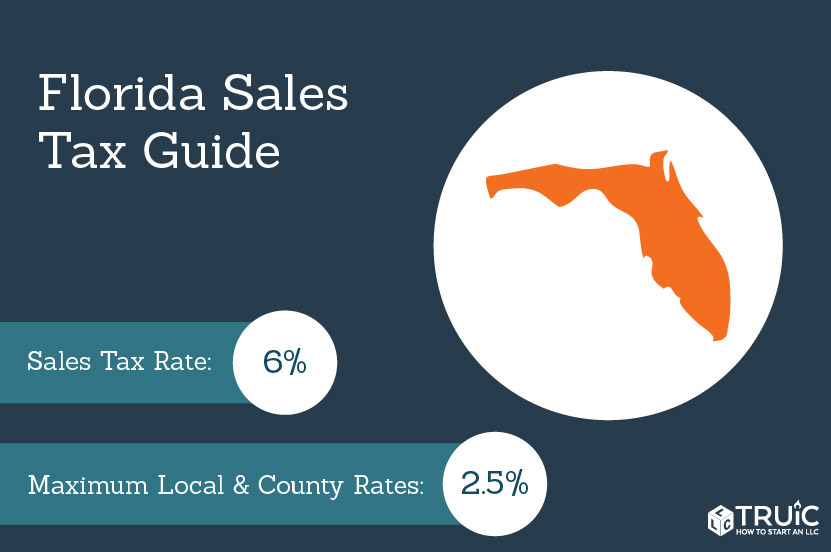
At the heart of Florida’s sales tax structure is the statewide general sales tax rate. As of recent updates, this rate stands at 6%. This 6% applies to the sale, lease, or rental of most goods, as well as to certain services. This foundational rate is consistent across all 67 counties in the state, meaning that whether you’re purchasing a souvenir in Key West or renting a paddleboard in St. Augustine, this 6% forms the baseline of the tax you’ll pay. It’s important to remember that this 6% is typically added to the advertised price of most taxable items and services, so the price tag you see on a retail item usually doesn’t include the sales tax.
Understanding Discretionary Sales Surtaxes
Where things become a bit more complex, and crucial for tourists, is with the addition of “discretionary sales surtaxes.” These are local option sales taxes levied by individual counties, and they are added on top of the statewide 6%. The rates for these surtaxes vary significantly from county to county, ranging from 0% in some areas to as high as 1.5% or more in others.
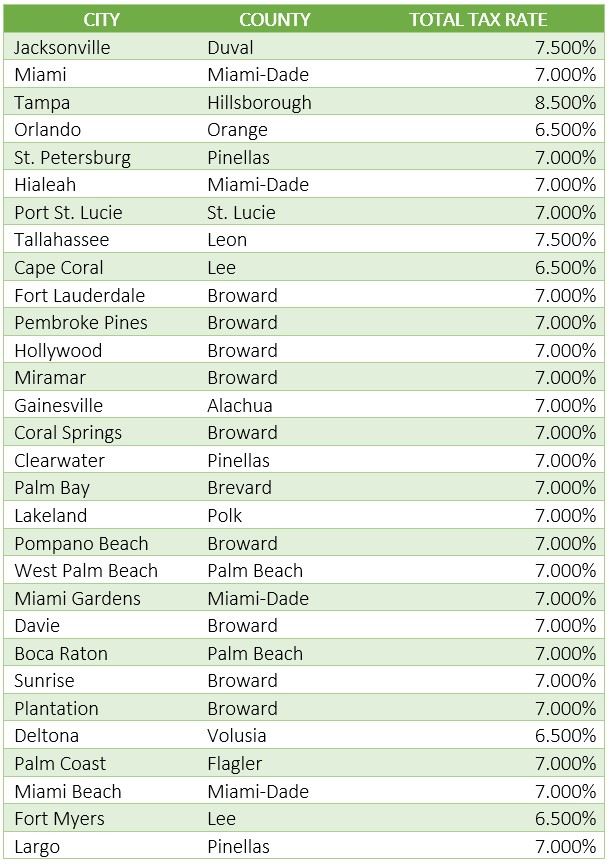
For example, a tourist visiting Orlando, located in Orange County, would pay the 6% state sales tax plus a county surtax. Similarly, in Miami-Dade County, which encompasses Miami and South Beach, visitors would face the 6% state sales tax plus a specific county surtax. The combined rate can therefore be 6.5%, 7%, 7.5%, or even higher in some localities.
It is critical for travelers to check the specific county surtax rate for their destination, as this can impact the overall cost of their purchases. These local surtaxes are often earmarked for specific local projects, such as infrastructure improvements, public safety, or school systems. The Florida Department of Revenue provides resources to look up current rates by county, a useful tool for meticulous planners. This layered approach means that a simple purchase can have different final prices depending on the exact geographical location within Florida where the transaction occurs.
Key Tourist Expenditures and Sales Tax Implications
For tourists, the sales tax isn’t just an abstract number; it’s a tangible addition to nearly every transaction throughout their trip. Understanding how it applies to common tourist expenditures allows for more precise financial planning and helps avoid overspending.
Dining Out and Food Purchases
One of the most enjoyable aspects of travel is experiencing local cuisine, and Florida offers a vast array of dining options, from gourmet restaurants in Naples to casual beachfront cafes in Panama City Beach. When dining out, sales tax is applied to the full cost of your meal and beverages (alcoholic or non-alcoholic). This means that whether you’re ordering a full dinner or just a coffee, the applicable state and local sales tax will be added to your bill before any gratuity is calculated.
However, there’s a distinction for certain food items. Most unprepared food items, commonly referred to as groceries, are generally exempt from Florida sales tax. So, if you’re stocking up on snacks, fresh produce, or ingredients for a meal at your vacation rental from a local supermarket, you typically won’t pay sales tax on these items. This can be a small but significant saving for families or long-term visitors who plan to prepare some of their own meals. Prepared food sold for immediate consumption, such as deli sandwiches, hot foods from a buffet, or restaurant take-out, is generally taxable.
Shopping for Souvenirs and Goods
No trip is complete without a souvenir to remember the experience or a gift for loved ones back home. Whether you’re purchasing a t-shirt from a gift shop at Walt Disney World Resort, a handcrafted item from a boutique in Sarasota, or a designer outfit in Miami, sales tax will be applied. This includes all tangible personal property. The sales tax rate will be the combined state and local surtax rate for the county where the purchase is made. This means that an item priced at $100 could cost $106 or $107.50, depending on the county’s surtax. Factor this into your shopping budget, especially for higher-value items.
Attractions, Entertainment, and Activities
Florida is renowned for its diverse range of attractions, from theme parks like Universal Orlando Resort to natural wonders like Everglades National Park (though federal park fees may have different tax rules). Admission tickets to most theme parks, museums, concerts, sporting events, and other entertainment venues are subject to sales tax. Similarly, fees for activities such as boat rentals, fishing charters, guided tours, or amusement rides will typically include sales tax. Always check the fine print or inquire about the total cost when booking tickets or activities, as the advertised price may not always include the tax.
Rental Cars and Transportation Services
For many visitors, a rental car is essential for exploring the vastness of Florida. The rental charges for vehicles are subject to the statewide 6% sales tax, plus any applicable discretionary sales surtax in the county where the rental agreement is executed or where the vehicle is picked up. Beyond the standard sales tax, car rentals in Florida also often incur additional surcharges and fees, such as a state rental car surcharge and local vehicle rental taxes, which are separate from general sales tax. These can significantly increase the total cost of your rental, so always get a full breakdown of all charges when booking. Public transportation like bus fares or train tickets, however, is generally exempt from sales tax.
Special Considerations: Tourist Development Taxes on Accommodation
Beyond the general state and local sales taxes, visitors staying overnight in Florida need to be aware of an additional levy specifically targeting accommodations: the Tourist Development Tax (TDT), often referred to as the “Resort Tax” or “Bed Tax.” This tax is a crucial revenue stream for many Florida counties, directly impacting the cost of lodging.
The “Resort Tax” Explained
The Tourist Development Tax is a local option tax that counties are authorized to levy on the rental of transient accommodations. This means it applies to hotels, motels, apartment hotels, rooming houses, mobile homes, vacation rentals, and any other public lodging establishments that rent for six months or less. The revenue generated from the TDT is typically dedicated to promoting tourism, funding tourism-related facilities, beaches, and cultural events. This makes it a tax directly tied to the visitor economy, with its proceeds reinvested into making Florida an even more attractive destination.
It’s important to differentiate the TDT from the general sales tax. While both apply to accommodations, they are distinct taxes with different purposes and rates. The general sales tax (6% state + county surtax) is applied first, and then the TDT is added on top of that amount. This layered taxation can make the final cost of a hotel room significantly higher than its advertised base rate.
Impact on Hotels, Vacation Rentals, and Short-Term Stays
Whether you opt for a luxurious suite in Miami, a family-friendly villa near Walt Disney World Resort in Orlando, or a cozy beachfront condo in Jacksonville, the TDT will almost certainly be a part of your bill. This also includes bookings made through popular online travel agencies or direct through property owners for short-term vacation rentals. For instance, if you book an Airbnb or Vrbo property for a week, both the state sales tax and the local TDT will be applied to your rental charges.
The impact can be substantial. A night advertised at $200 could easily become $220-$230 or more after adding the combined general sales tax and the Tourist Development Tax, not to mention any additional resort fees or cleaning charges. Tourists should always seek a complete breakdown of all taxes and fees when booking accommodation to avoid surprises upon checkout.
Varying Rates Across Counties
Just like the discretionary sales surtaxes, the Tourist Development Tax rates are set at the county level and can vary. Most counties that levy a TDT have rates ranging from 2% to 6%. For example, Orange County (Orlando) has a TDT, as do Miami-Dade County (Miami) and Pinellas County (St. Petersburg/Clearwater). Some smaller counties may not levy a TDT, but this is less common in major tourist hubs. The specific rate is determined by the local county commission. Always verify the current TDT rate for your chosen county before finalizing your accommodation budget. This ensures that your financial planning accurately reflects the true cost of your stay.
Smart Budgeting Tips for Your Florida Trip
Understanding Florida’s sales tax structure is the first step; applying this knowledge to practical budgeting is the next. With a bit of foresight, visitors can effectively manage their expenses and enjoy a stress-free vacation in the Sunshine State.
Factoring in All Taxes
The most critical tip is to always assume that the advertised price for most goods, services, and accommodations will not be the final price you pay. Always add the relevant state sales tax (6%), the county-specific discretionary sales surtax (which can add 0% to 1.5% or more), and for accommodations, the Tourist Development Tax (typically 2% to 6%). When looking at a restaurant menu, a souvenir price tag, or a hotel room rate, mentally (or literally) calculate these additions. For a $100 purchase in a county with a 1% surtax and a 5% TDT on accommodation, the total tax could be around $7 for goods or $12-13 for lodging. This seemingly small percentage can accumulate significantly over the course of a week-long trip, especially for families or groups.
Exploring Tax-Exempt Purchases
While many things are taxed, Florida does offer some exemptions that savvy travelers can leverage. As mentioned, most unprepared food items (groceries) are exempt from sales tax. If your accommodation has kitchen facilities, buying ingredients to prepare some meals can save on both the cost of dining out and the associated sales tax. Over-the-counter medications and prescription drugs are also exempt. Additionally, certain professional services (like medical services or legal advice) are generally not subject to sales tax. While these exemptions might not constitute huge savings, being aware of them allows for small strategic choices that can add up. For instance, purchasing bottled water or snacks from a grocery store rather than a convenience store or theme park vendor can bypass some tax and markup.
Keeping Track of Receipts
A good practice for any traveler is to keep receipts. Not only does this help track your spending against your budget, but it also clearly shows the breakdown of sales tax applied to your purchases. This can be particularly useful if you have any questions about the charges or simply want to review your expenditures. If you are a business traveler, keeping receipts is essential for expense reporting and potential tax deductions. While sales tax paid as a tourist generally isn’t recoverable, understanding exactly what you’ve paid helps in future trip planning and ensures transparency in your transactions. By being informed about Florida’s sales tax system, visitors can enjoy their journey through vibrant cities like Tallahassee or the serene beaches of Broward County with financial confidence and peace of mind.
LifeOutOfTheBox is a participant in the Amazon Services LLC Associates Program, an affiliate advertising program designed to provide a means for sites to earn advertising fees by advertising and linking to Amazon.com. Amazon, the Amazon logo, AmazonSupply, and the AmazonSupply logo are trademarks of Amazon.com, Inc. or its affiliates. As an Amazon Associate we earn affiliate commissions from qualifying purchases.