
When planning a trip to the Sunshine State or considering a move to its vibrant communities, understanding the specifics of vehicle administration, including what constitutes a Florida vehicle registration number, is a crucial detail for seamless travel and residency. Far more than just a random sequence of characters, a Florida vehicle registration number is a unique identifier assigned to every registered automobile, serving as an official record of ownership and compliance with state regulations. For tourists, this knowledge provides peace of mind when renting vehicles or driving their own. For new residents, it’s a foundational step in establishing life in Florida. This comprehensive guide delves into the nuances of Florida vehicle registration, offering insights for both temporary visitors and permanent transplants.

Understanding Vehicle Registration in Florida for Tourists and New Residents
The vehicle registration number, often synonymous with the license plate number, is a unique alphanumeric code assigned by the Florida Department of Highway Safety and Motor Vehicles (FLHSMV) to every vehicle legally permitted to operate on public roads within the state. This number, displayed prominently on the license plate, is essential for identification, law enforcement, and administrative purposes. It signifies that a vehicle has met all state requirements, including proper ownership, insurance, and the payment of necessary fees.
The Basics of Florida Vehicle Registration
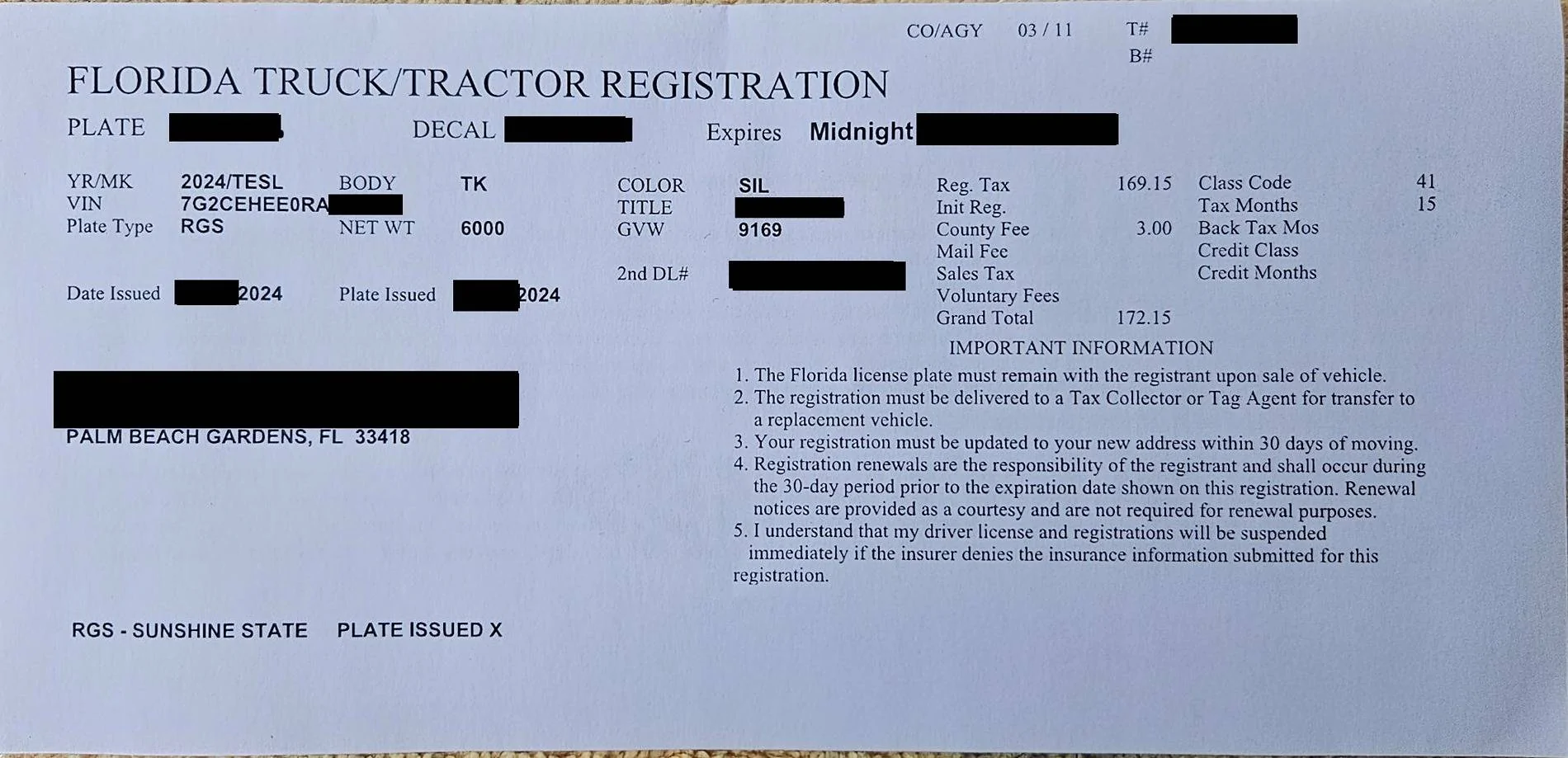
At its core, vehicle registration in Florida is the process by which the state officially records a vehicle’s ownership and grants it permission to be driven. This involves assigning a unique license plate and issuing a registration certificate. The registration certificate, a critical document, contains key information such as the vehicle identification number (VIN), make, model, year, owner’s name, and the expiration date of the registration. While the term “registration number” technically refers to the full license plate number, the registration certificate itself is proof that the vehicle is properly registered.
Why it Matters for Visitors and Transplants
For visitors, understanding Florida registration is primarily about compliance when renting a car or driving a personal vehicle from another state. Rental cars will always have valid Florida plates, but knowing what to look for can prevent misunderstandings. For those driving their own out-of-state vehicles, there are specific rules regarding how long a non-Florida plated car can remain in the state before registration becomes mandatory, especially if they are establishing residency. New residents, on the other hand, face a clear requirement: all vehicles owned by a Florida resident must be registered in Florida within a specific timeframe, typically 10 days of the owner establishing residency or gaining employment in the state. Failure to comply can result in fines and legal complications.
Key Components of a Florida Registration Number
A standard Florida license plate typically consists of a combination of letters and numbers, usually seven characters in total, though this can vary for specialized plates. This alphanumeric sequence is the vehicle’s unique registration number. Beyond the characters, the plate itself features the state name “FLORIDA” at the top and the county of issuance at the bottom. A small, colored decal, affixed to the corner of the plate, indicates the month and year of the current registration’s expiration. This decal is perhaps the most immediate visual cue for law enforcement regarding the validity of a vehicle’s registration.
The Registration Process: A Tourist’s Perspective
Tourists primarily interact with Florida vehicle registration in two scenarios: renting a car or driving their personal vehicle from out-of-state. Understanding the basics ensures a smooth, worry-free vacation.
Renting a Vehicle: What You Need to Know
When you rent a car from a legitimate rental agency in Florida, the vehicle will already be properly registered with Florida license plates. The rental agreement serves as your proof of lawful possession. You will, however, need a valid driver’s license (domestic or international permit, depending on origin) and proof of insurance (either through your personal policy, credit card coverage, or purchased from the rental agency). It’s always a good practice to ensure the physical license plate has a current registration decal, though rental agencies are meticulous about this compliance.
Driving Your Own Car from Out-of-State
If you’re visiting Florida in your own vehicle, your out-of-state registration is typically valid for the duration of your visit, provided you maintain residency elsewhere. There’s generally no need to obtain a Florida plate for a standard tourist trip. However, if your stay extends beyond what is considered a temporary visit, or if you begin to establish residency, the rules change. It’s crucial to be aware that once you establish residency (e.g., getting a Florida driver’s license, registering to vote, accepting employment, or enrolling children in public schools), you are legally obligated to register your vehicle in Florida within 10 days.
Temporary Tags and Visitor Regulations
Florida does not issue special “visitor” tags. Any temporary tags you might encounter are typically issued for specific situations like newly purchased vehicles awaiting permanent plates or for out-of-state residents who have sold their vehicle and need a temporary permit to drive it out of the state. For the vast majority of tourists, your home state’s registration is sufficient for the duration of your vacation.
The Registration Process: For New Florida Residents
Moving to Florida involves several administrative steps, and vehicle registration is high on the list. This process ensures your vehicle is legally compliant with state laws.
Establishing Residency and Vehicle Importation
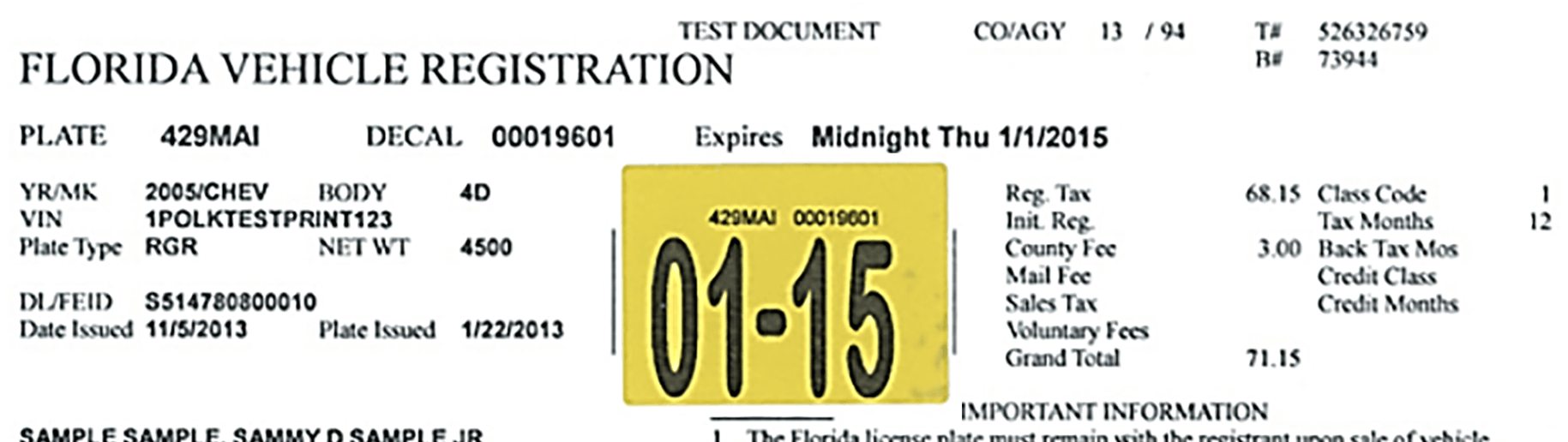
The trigger for mandatory Florida vehicle registration is establishing residency. As mentioned, this typically involves actions like obtaining a Florida driver’s license, registering to vote, or accepting employment. Once residency is established, you have 10 calendar days to register your out-of-state vehicle(s) in Florida. This process is handled by the Tax Collector’s Office in your respective county, acting as an agent for the FLHSMV. Before visiting, ensure your vehicle’s out-of-state title is in your possession, as it’s required to transfer ownership and registration to Florida.
Required Documents and Fees
To register your vehicle as a new Florida resident, you’ll need several key documents:
- Proof of Identity: A valid driver’s license or state ID.
- Proof of Florida Insurance: Florida law requires minimum Personal Injury Protection (PIP) and Property Damage Liability (PDL) coverage. Your out-of-state insurance may not meet these requirements, so it’s advisable to switch to a Florida policy before registering.
- Vehicle Title: The original out-of-state title must be surrendered to obtain a new Florida title. If there’s a lienholder, they may hold the title, requiring you to provide the registration and other necessary forms.
- Vehicle Identification Number (VIN) Verification: This verifies that the VIN on your vehicle matches the VIN on your title. This can be done by a Florida Notary Public, a law enforcement officer, or certain dealerships.
- Odometer Reading: Required for vehicles less than 10 years old.
Fees include initial registration fees (which can be substantial for first-time Florida registrations, often called a “new resident tax” or “initial registration fee”), annual renewal fees, plate fees, and sales tax if applicable. The exact amounts vary and can be found on the FLHSMV website or at your local Tax Collector’s Office.
Where to Register Your Vehicle
Vehicle registration in Florida is conducted at your local County Tax Collector’s Office. These offices are conveniently located throughout the state, and many allow appointments to reduce wait times. Some counties also offer online services for renewals or specific transactions, though initial registration as a new resident typically requires an in-person visit.
Decoding Your Florida License Plate and Registration
A Florida license plate and its accompanying decal are rich with information. Understanding them helps in staying compliant and recognizing the diversity of vehicles on Florida roads.
Plate Design and Information
Standard Florida license plates often feature scenic backgrounds, most famously the state’s orange blossom and sunshine motif. Beyond the aesthetics, the main element is the unique registration number. Below the registration number, you’ll typically find the county of issuance printed. This county indicator can be useful for local identification but is not part of the unique registration number itself. The plate also usually includes the state motto “In God We Trust,” or “Sunshine State” depending on the plate series.
Understanding the Expiration Decal
The small, colored decal affixed to the corner of your Florida license plate is perhaps the most important visual indicator of a vehicle’s registration status. It clearly displays the month and year when your registration expires. Each year, upon successful renewal, a new decal with the updated expiration date is issued and must be applied over the old one. Law enforcement officers regularly check these decals to ensure vehicles are properly registered.
Specialized and Personalized Plates
Florida offers a vast array of specialized license plates that allow vehicle owners to express their interests, support causes, or personalize their vehicles. These include plates for universities, professional sports teams, environmental causes, military veterans, and more. While the design changes, the fundamental principle of a unique registration number remains the same. Personalized plates allow owners to choose their own alphanumeric combination, subject to availability and FLHSMV approval (to avoid offensive or misleading messages). The registration number on these plates still serves the same identification purpose.
Staying Compliant and Avoiding Pitfalls
Ensuring your vehicle registration is current and correct is paramount to avoiding unnecessary complications and fines in Florida.
Common Mistakes to Avoid
One of the most common mistakes new residents make is delaying vehicle registration beyond the 10-day window. Another is failing to update their insurance to a Florida policy that meets the state’s minimum requirements before attempting to register. For all residents, forgetting to renew registration annually is a frequent oversight, leading to expired tags and potential citations. Always keep your registration certificate in your vehicle, as it’s proof of ownership and legal operation.
Renewing Your Registration
Vehicle registrations in Florida must be renewed annually. The FLHSMV typically sends a renewal reminder notice by mail or email. Renewals can often be completed online, by mail, or in person at a Tax Collector’s Office. You’ll need proof of current Florida insurance to renew. Upon successful renewal, a new expiration decal will be mailed to you, which you must affix to your license plate.
Consequences of Non-Compliance
Driving with an unregistered or expired vehicle registration in Florida can lead to significant penalties. These typically include fines, court costs, and potentially the impoundment of your vehicle. If you are involved in an accident with an unregistered vehicle, your insurance coverage could be jeopardized, leading to greater financial liability. For new residents, failing to register within the stipulated 10 days can also lead to additional penalties on top of the standard registration fees. Therefore, understanding and adhering to Florida’s vehicle registration laws is not just a formality but a critical aspect of responsible vehicle ownership and operation within the state.
LifeOutOfTheBox is a participant in the Amazon Services LLC Associates Program, an affiliate advertising program designed to provide a means for sites to earn advertising fees by advertising and linking to Amazon.com. Amazon, the Amazon logo, AmazonSupply, and the AmazonSupply logo are trademarks of Amazon.com, Inc. or its affiliates. As an Amazon Associate we earn affiliate commissions from qualifying purchases.