
Florida, a state synonymous with stunning beaches, vibrant cities, and a tropical allure, attracts millions seeking temporary getaways and permanent residences alike. Yet, for all its sunshine and charm, the peninsula’s unique geography makes understanding flood risk a critical component of any accommodation decision. For those looking to book a vacation rental, secure a long-term lease, or invest in property, encountering terms like “X Flood Zone” is inevitable. Far from being a mere technicality, knowing what this designation means can significantly impact safety, insurance costs, and overall peace of mind regarding your chosen lodging.
Decoding Florida’s Flood Zone Classifications for Accommodation
The comprehensive system for identifying flood risks in the United States is managed by the Federal Emergency Management Agency (FEMA). Through its Flood Insurance Rate Maps (FIRMs), FEMA delineates various flood zones, each reflecting a specific level of risk. These maps are not just for emergency planners; they are indispensable tools for anyone considering accommodation in Florida.
The FEMA Flood Map System: Your Guide to Risk
FEMA maps divide communities into zones based on their probability of flooding. These designations are pivotal for property owners, renters, and even short-term visitors, as they influence everything from building codes to insurance requirements and evacuation plans. Before committing to any accommodation, whether it’s a beachfront villa in Key West, an apartment in downtown Miami, or a family home in suburban Orlando, consulting the relevant FEMA flood map is a fundamental step in due diligence. These maps are publicly accessible and provide a clear picture of potential hazards.
Key Flood Zone Designations: A, V, and X
While FEMA uses a range of zone codes, the most commonly encountered, especially when discussing residential and commercial properties, are A, V, and X zones.
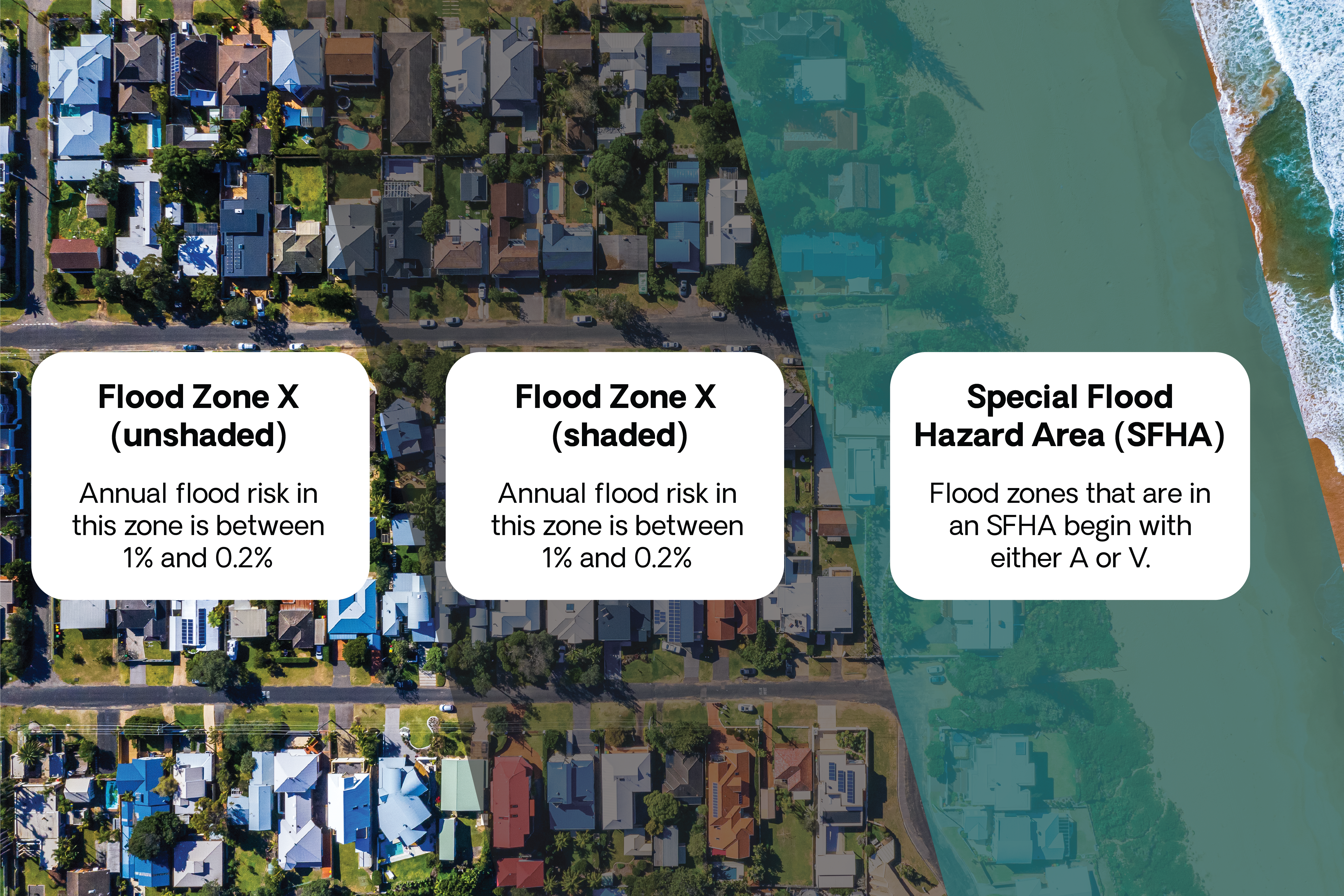
- A Zones: These are Special Flood Hazard Areas (SFHAs) that have a 1% or greater chance of flooding in any given year, often referred to as a “100-year flood” plain. They carry a high risk of flooding. Accommodation in these zones typically requires mandatory flood insurance if a federally regulated or insured lender is involved.
- V Zones: These are coastal SFHAs with additional hazards associated with storm waves. V zones are found along the Atlantic Ocean and the Gulf of Mexico in Florida, particularly in areas prone to hurricane storm surge. Accommodation here faces the highest risk due to wave action, making building standards and insurance requirements even more stringent.
- X Zones: These are areas outside the SFHA, meaning they are considered to have a moderate or minimal risk of flooding. This category is further divided into two sub-zones:
- Shaded X Zone (or B Zone on older maps): These are areas where the flood risk is moderate, meaning there’s a 0.2% annual chance of flooding (a “500-year flood” plain).
- Unshaded X Zone (or C Zone on older maps): These are areas with minimal flood risk, outside the 500-year flood plain and protected by levees from 100-year flood events.
Understanding these distinctions is paramount for anyone evaluating accommodation in Florida. The X Zone, in particular, often gives a false sense of absolute safety, which requires clarification.
Decoding X Flood Zones: What They Mean for Your Stay or Home
An X Flood Zone designation is generally seen as favorable when evaluating accommodation options in Florida. It indicates a lower statistical probability of flooding compared to A or V zones. However, it is crucial to interpret “low-to-moderate risk” accurately rather than equating it with “no risk.”
Low-to-Moderate Risk, Not No Risk
Properties in X zones are outside the 100-year flood plain. This means that, statistically, they have less than a 1% chance of flooding in any given year. For many, this offers significant reassurance. However, Florida’s geography and climate mean that heavy rainfall events, storm surges from powerful hurricanes, and localized drainage issues can still lead to flooding even in areas designated as X zones. Historic events like Hurricane Andrew or Hurricane Ian demonstrated that unprecedented weather can challenge any flood zone designation. Therefore, when selecting accommodation in an X zone, a prudent approach is to consider additional factors like elevation, local drainage infrastructure, and historical flood patterns, if available.
Insurance Implications in an X Zone
For accommodation in a designated X Flood Zone, flood insurance is typically not federally mandated. This is a primary reason why properties in these zones often appeal to buyers and long-term renters, as it removes a significant recurring cost associated with high-risk zones. However, while not mandatory, flood insurance is still available and often highly recommended. The National Flood Insurance Program (NFIP) offers preferred risk policies for properties in X zones, which are significantly more affordable than policies in high-risk zones. For homeowners, this provides critical protection against potential financial devastation from unexpected flooding. For long-term renters, acquiring renter’s flood insurance can safeguard personal belongings. Property managers of vacation rentals might also carry commercial flood insurance for their units, but individual renters should confirm coverage for their personal effects.
Safety and Preparedness for Residents and Visitors
Even in an X Flood Zone, preparation is key for anyone staying in Florida accommodation. While direct structural damage from flooding might be less likely, access to and from properties can still be compromised by flooded roads, particularly during severe weather events.
- For Residents and Long-term Renters: Develop a family flood plan, know your evacuation routes, and have an emergency kit ready. Stay informed about local weather alerts from county emergency management agencies in areas like Tampa or Miami.
- For Vacationers and Short-term Guests: Pay attention to local weather forecasts, especially during hurricane season (June 1st to November 30th). Familiarize yourself with the property’s elevation and immediate surroundings. Property owners or managers should provide clear instructions on what to do in case of heavy rainfall or a tropical storm threat, including evacuation procedures if necessary. Always prioritize safety and heed local authority warnings.
Why X Zone Information is Crucial for Accommodation in Florida
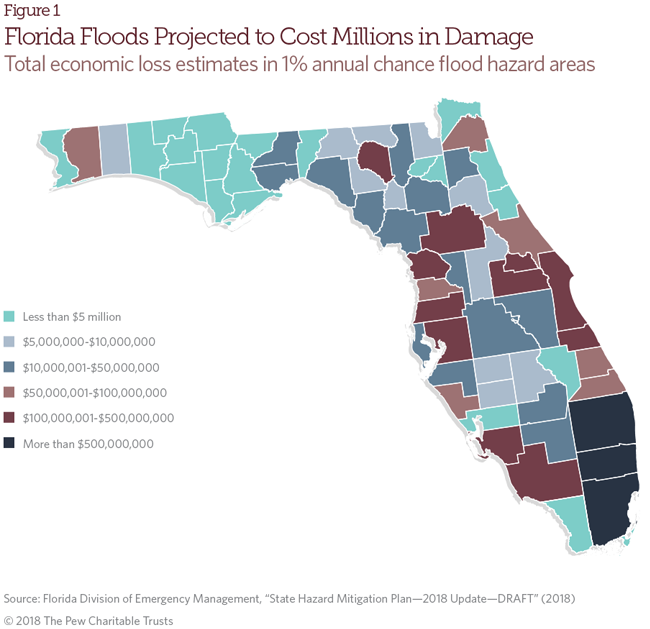
The flood zone designation, particularly whether a property is in an X Zone, is a fundamental piece of information when evaluating accommodation in Florida for both short-term enjoyment and long-term living.
For Short-Term Rentals and Vacation Stays
When booking a vacation rental, understanding the flood zone helps manage expectations and informs preparedness. While a property in an X Zone offers a statistically safer bet, it doesn’t eliminate the need for vigilance. Travelers should still consider:
- Accessibility: How might surrounding roads be affected by heavy rain, even if the rental unit itself is safe?
- Local Services: Could local attractions, restaurants, or transportation be impacted by localized flooding?
- Peace of Mind: Knowing your accommodation is in a lower-risk zone can contribute significantly to a worry-free vacation, but it should also encourage a basic level of awareness regarding weather conditions.
Property owners and managers of short-term rentals in X zones should highlight this fact as a selling point, but also provide guests with comprehensive safety information and emergency contacts.
For Long-Term Rentals and Property Buyers
For those considering a more permanent move or investment in Florida real estate, the X Flood Zone designation carries more profound implications:
- Financial Savings: The absence of mandatory flood insurance can translate into substantial savings over years of homeownership or long-term tenancy. This directly impacts the affordability and attractiveness of an accommodation option.
- Lending and Mortgages: While not strictly mandated, lenders may still recommend or even require flood insurance based on their own risk assessments, even in X zones, though this is less common.
- Resale Value and Investment: Properties in X zones are often perceived as more desirable due to lower flood risk and insurance costs, potentially impacting future resale value and long-term investment viability.
- Personal Safety and Property Protection: Beyond financial considerations, choosing accommodation in an X zone fundamentally offers a higher degree of personal safety from direct flood damage, though preparedness for all types of weather remains essential.
Navigating Disclosure and Due Diligence
In Florida, property sellers are typically required to disclose known material facts, which often includes flood zone designations. However, for both buyers and long-term renters, proactive due diligence is paramount. Always verify the flood zone status of any prospective accommodation using the FEMA Flood Map Service Center. This ensures you have the most up-to-date and accurate information directly from the source, rather than relying solely on third-party representations. For renters, requesting this information from landlords or property managers is a reasonable and advisable step.
Beyond the X Zone: A Holistic View of Flood Resilience
While an X Flood Zone designation offers a certain level of comfort, true accommodation resilience in Florida involves a broader perspective that encompasses building practices, community planning, and personal readiness.
Elevated Construction and Building Codes
Even in X zones, many properties in Florida benefit from elevated construction, especially those built more recently or in historically low-lying areas. Building codes in coastal regions, influenced by past hurricane experiences, often exceed minimum FEMA requirements. Elevated foundations, robust structural designs, and hurricane-resistant features contribute significantly to a property’s overall resilience against water intrusion and high winds, enhancing the safety of accommodation regardless of its specific flood zone. When evaluating accommodation, observing the elevation of the first living floor relative to the surrounding ground is a good indicator of flood protection.
Emergency Preparedness and Evacuation Routes
Regardless of flood zone, every resident and visitor in Florida must be aware of local emergency preparedness plans. County and state emergency management agencies provide critical information on hurricane shelters, evacuation zones, and designated routes. Understanding these for your specific accommodation location is not just for high-risk zones; severe weather can impact infrastructure and access across entire regions. For short-term renters, property managers should clearly communicate relevant emergency information. For long-term residents, active participation in community preparedness efforts fosters a safer living environment.
The Future of Flood Risk in Coastal Florida
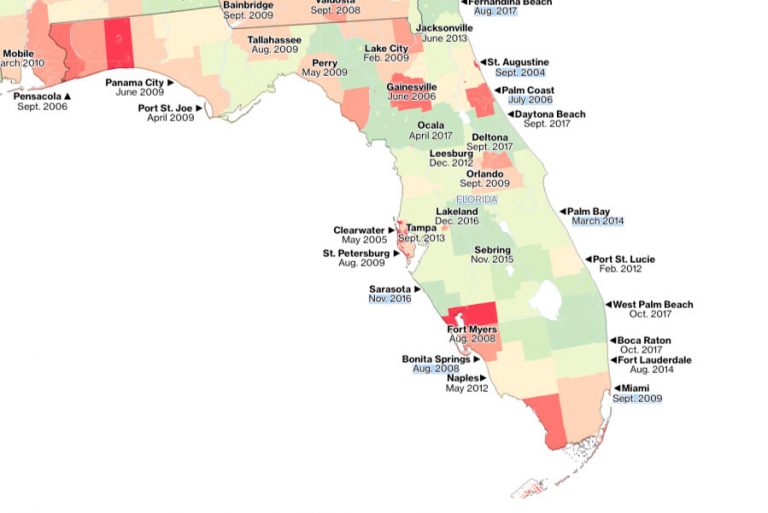
Florida’s dynamic coastal environment means flood risks are not static. Factors such as sea-level rise, increasing intensity of rainfall, and coastal erosion are continuously reshaping the landscape. While FEMA maps are periodically updated, staying informed about broader environmental trends is a wise practice for anyone with accommodation interests in the state. Local municipalities often have their own initiatives for flood mitigation and infrastructure improvements, which can further enhance the safety and longevity of properties, even those currently in X zones.
In conclusion, an X Flood Zone in Florida signifies a low-to-moderate risk of flooding, making properties in these areas generally more attractive for accommodation due to lower insurance requirements and perceived safety. However, it is imperative to remember that “low risk” does not mean “no risk.” A comprehensive approach to choosing accommodation in Florida involves understanding FEMA designations, exercising due diligence, prioritizing preparedness, and appreciating the ongoing efforts to enhance flood resilience across the Sunshine State.
LifeOutOfTheBox is a participant in the Amazon Services LLC Associates Program, an affiliate advertising program designed to provide a means for sites to earn advertising fees by advertising and linking to Amazon.com. Amazon, the Amazon logo, AmazonSupply, and the AmazonSupply logo are trademarks of Amazon.com, Inc. or its affiliates. As an Amazon Associate we earn affiliate commissions from qualifying purchases.