
Understanding Florida’s Hurricane Landscape for Travelers
Florida, the Sunshine State, beckons millions of travelers each year with its pristine beaches, vibrant cities, and world-class attractions. However, a significant consideration for any visitor, especially between June and November, is hurricane season. While the perception might be that the entire state is equally vulnerable, the reality is far more nuanced. Understanding which parts of Florida have historically experienced the most frequent or intense hurricane activity is crucial for informed travel planning, ensuring both safety and peace of mind.
Hurricane season officially runs from June 1st to November 30th, with peak activity typically occurring from mid-August through late October. During this period, tropical depressions, tropical storms, and hurricanes can form in the Atlantic Ocean or the Gulf of Mexico. While direct hits are relatively rare for any single location in a given year, some regions of Florida bear a statistically higher chance of encountering these powerful weather systems. This insight allows travelers to make strategic decisions about destination, timing, and necessary precautions, enhancing their overall experience in this captivating state.
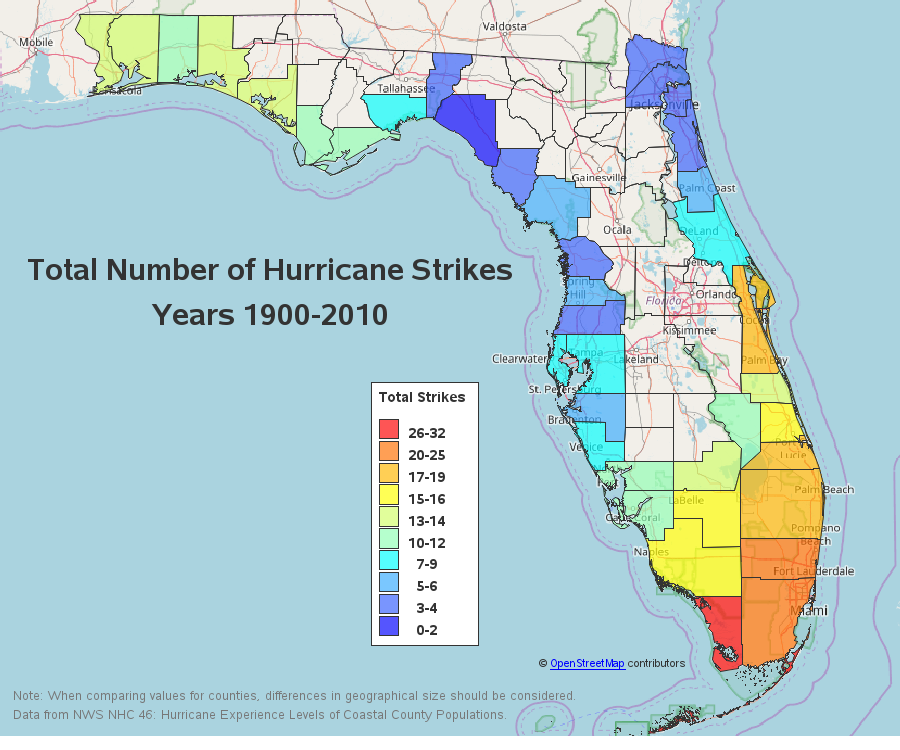
The Most Vulnerable Coasts: A Closer Look
Historical data, accumulated over more than a century, reveals distinct patterns of hurricane landfalls and impacts across Florida. While no part of the state is entirely immune, certain coastal regions stand out for their elevated exposure.
The Panhandle’s Exposure
The Florida Panhandle, stretching across the northwestern part of the state along the Gulf of Mexico, has historically faced a significant share of hurricane landfalls. Cities like Pensacola, Panama City, and Destin are particularly susceptible. This region’s vulnerability stems from its geographical position relative to the traditional paths of storms originating in the Gulf of Mexico. These storms often intensify rapidly over the warm Gulf waters and can make landfall with considerable force.
A prime example of the Panhandle’s vulnerability was Hurricane Michael in 2018, which made landfall near Mexico Beach as a Category 5 storm, causing catastrophic damage. Other notable storms, such as Hurricane Ivan (2004) and Hurricane Dennis (2005), also targeted this area. Travelers to the Panhandle during hurricane season should pay close attention to forecasts, as storms can develop quickly and impact travel plans with little notice. The natural beauty of the Emerald Coast remains a major draw, but awareness of its historical hurricane activity is key for visitors.
Southwest Florida’s History
Another region with a high historical incidence of hurricane activity is Southwest Florida, encompassing cities such as Fort Myers, Naples, Sarasota, Punta Gorda, and Cape Coral. This stretch of coastline, particularly south of Tampa Bay, has been a frequent target for powerful storms, especially those tracking northward through the Caribbean or the eastern Gulf of Mexico. The shallow waters of the Gulf of Mexico in this area can exacerbate storm surge, posing a significant threat to coastal communities.
The impact of Hurricane Ian in 2022, which devastated areas around Fort Myers and Sanibel Island, serves as a stark reminder of this region’s susceptibility. Prior to Ian, Hurricane Charley (2004) also delivered a powerful blow to Punta Gorda and surrounding areas. The charming beach towns and islands of Southwest Florida offer serene getaways, but travelers must remain vigilant during peak season, understanding the potential for rapid weather changes and the importance of having flexible travel arrangements.
Southeast Florida’s Atlantic Front
Southeast Florida, including metropolitan hubs like Miami, Fort Lauderdale, and Palm Beach, faces its own distinct set of challenges. Situated directly on the Atlantic Ocean coastline, this region is often the first point of contact for storms developing off the coast of Africa or in the Caribbean Sea that track westward. While individual landfalls might not be as frequent as the Panhandle or Southwest Florida, the sheer volume of passing systems means these areas are regularly impacted by heavy rains, strong winds, and coastal erosion, even from storms that don’t make a direct hit.
Historically, this region has endured numerous powerful hurricanes, including Hurricane Andrew (1992), which caused widespread devastation south of Miami, and Hurricane Wilma (2005), which tracked across the entire peninsula. Given its high population density and economic importance, the infrastructure in Southeast Florida is highly developed to withstand and respond to hurricanes. Travelers planning trips to Miami’s vibrant cultural scene or Fort Lauderdale’s beautiful beaches during hurricane season should familiarize themselves with local emergency procedures and consider travel insurance.
Regions with Comparatively Lower Risk (but not Zero)
While the coastal areas often bear the brunt of hurricanes, other parts of Florida experience different, generally less severe, impacts.
Central Florida’s Inland Advantage
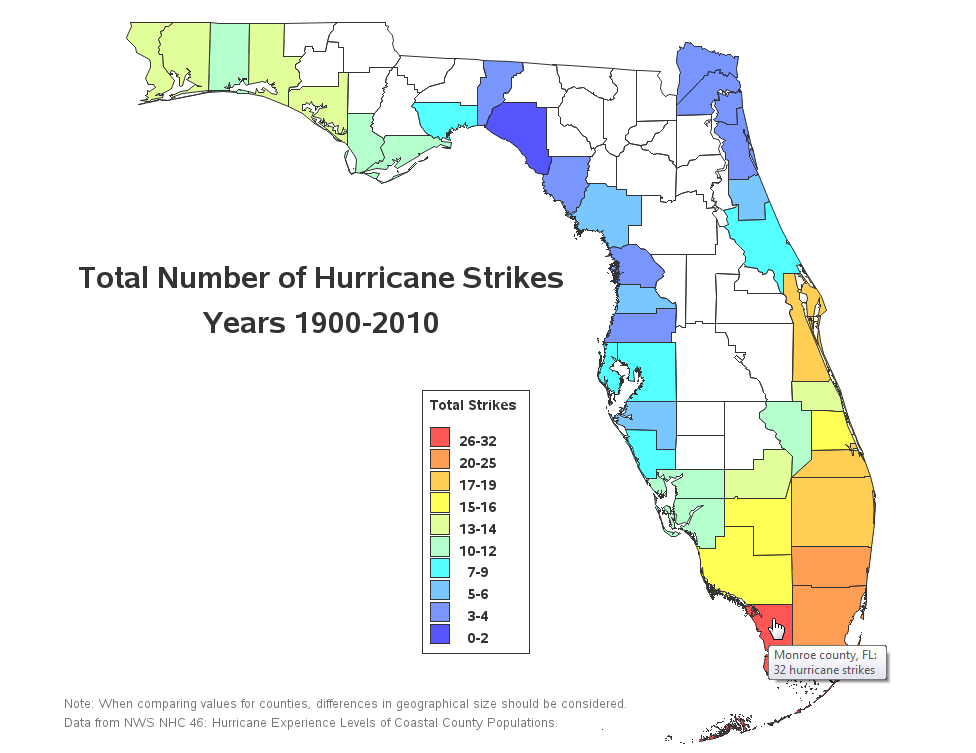
Central Florida, home to world-renowned theme parks in Orlando, enjoys a comparatively lower risk from the most destructive aspects of hurricanes, namely storm surge. As storms move inland, they typically weaken due to friction over land and a loss of moisture supply from the ocean. However, this doesn’t mean Central Florida is immune. Remnants of hurricanes can still bring torrential rains, leading to significant inland flooding, and strong winds that can cause power outages and damage to property.
Cities like Orlando, Lakeland, and Kissimmee have experienced widespread impacts from storms like Hurricane Charley (2004), Hurricane Irma (2017), and Hurricane Ian (2022), primarily from flooding and wind damage. For travelers visiting Orlando’s attractions, disruptions due to weather closures or power outages are more common concerns than direct catastrophic damage. Theme parks have robust emergency plans, and visitors are generally well-informed and protected.
Northeast Florida’s Unique Position
Northeast Florida, including Jacksonville, St. Augustine, and Daytona Beach, has a somewhat unique hurricane profile. While situated on the Atlantic Ocean coast, its northerly position often means it’s spared the full force of storms that impact Southeast Florida more directly. However, it is vulnerable to outer bands of passing hurricanes and tropical storms, which can cause significant coastal flooding, beach erosion, and heavy rainfall. The major river systems, particularly the St. Johns River in Jacksonville, can also experience severe flooding from surge and rainfall runoff.
Historical examples include Hurricane Matthew (2016) and Hurricane Irma (2017), both of which caused extensive flooding and damage in St. Augustine and Jacksonville, despite not being direct landfalls in the traditional sense. Travelers to these historic and scenic destinations should monitor coastal flood advisories and understand that beach access or certain outdoor activities might be temporarily impacted by rough seas or heavy rains.
The Florida Keys: A Special Case
The Florida Keys, an archipelago stretching southwest from Florida’s tip, face a high frequency of hurricane encounters due to their geographical exposure. Key West and its neighboring islands are often in the path of storms tracking from the Caribbean or the Gulf of Mexico. However, the communities in the Keys are remarkably resilient and have highly organized evacuation plans.
While the probability of being affected is higher, the infrastructure is built to stringent hurricane codes, and residents are accustomed to preparing and recovering. Notable impacts include Hurricane Irma (2017) and Hurricane Wilma (2005). Travelers to the Keys during hurricane season must be prepared for potential mandatory evacuations, which means having a flexible travel itinerary and being ready to depart at short notice. The unique charm and natural beauty of the Keys make them a popular destination, and with proper planning, a visit can be safe and enjoyable.
Essential Travel Planning for Hurricane Season
Traveling to Florida during hurricane season doesn’t have to be a deterrent, but it does require extra diligence in planning.
Best Practices for Booking
Consider purchasing comprehensive travel insurance, ideally a “cancel for any reason” policy, which offers the most flexibility should your plans be impacted by a storm. Many airlines and hotels offer more flexible cancellation or rebooking policies for travel during hurricane season, but it’s essential to understand the terms before booking. While traveling during the off-peak season (early summer or late fall) can mean fewer crowds and lower prices, it’s vital to weigh this against the potential for tropical weather. Always book with reputable providers known for clear communication during emergencies.
Staying Informed During Your Trip
Foremost, travelers should monitor official weather sources like the National Hurricane Center (NHC) and local news channels. These sources provide the most accurate and up-to-date information on storm development and potential impacts. Heed all local advisories and evacuation orders issued by county and state authorities. Signing up for local emergency alert systems or downloading relevant apps can also be beneficial. Maintain a communication plan with family and friends, letting them know your itinerary and how to reach you.
Packing Smart
Beyond your usual travel essentials, consider packing a basic emergency kit if traveling during peak hurricane season. This could include a portable power bank for your phone, a first-aid kit, any necessary prescription medications, copies of important documents (like passports and insurance cards), and a supply of bottled water. While most hotels will have emergency plans, being self-sufficient for a short period can provide immense peace of mind.
Beyond the Statistics: What to Expect When Traveling During Hurricane Season
It’s important to remember that while certain areas of Florida have a higher historical probability of hurricane landfalls, a direct hit from a major hurricane on any single location is still a relatively rare event in any given year. Florida’s communities are highly experienced in hurricane preparedness, response, and recovery. Infrastructure is designed to be resilient, and emergency services are well-coordinated.
The vast majority of days during hurricane season are beautiful, sunny, and perfect for exploring all that Florida has to offer. Understanding the regional differences in hurricane risk allows travelers to choose destinations wisely, prepare adequately, and ultimately enjoy a safe and memorable trip, even if it falls within the official hurricane window. With informed decisions, the allure of Florida remains strong year-round.
LifeOutOfTheBox is a participant in the Amazon Services LLC Associates Program, an affiliate advertising program designed to provide a means for sites to earn advertising fees by advertising and linking to Amazon.com. Amazon, the Amazon logo, AmazonSupply, and the AmazonSupply logo are trademarks of Amazon.com, Inc. or its affiliates. As an Amazon Associate we earn affiliate commissions from qualifying purchases.