
For many, the very notion of snow in Florida conjures images of a geographical paradox, a punchline to a climatic joke. The Sunshine State is synonymous with pristine beaches, perpetual sunshine, and a balmy warmth that defies the typical winter chill found across much of North America. Yet, the question of snow in Florida persists, often fueled by fleeting news reports or historical anecdotes. As a travel destination, understanding Florida’s true winter climate is crucial for setting expectations and planning the ideal getaway. This exploration delves into the rare occurrences of snow in Florida, identifying the regions most susceptible to such an anomaly, and offering insights for travelers curious about winter in this unique southern state.

The Rarity of a Florida Winter Wonderland
To truly grasp the concept of snow in Florida, one must first acknowledge its extreme rarity. Florida extends far into the subtropics, and its peninsular geography is heavily influenced by the warm waters of the Gulf of Mexico and the Atlantic Ocean. These factors create a climate characterized by mild winters, where freezing temperatures are infrequent and typically short-lived.
Defining “Snow” in the Sunshine State
When discussions turn to snow in Florida, it’s vital to clarify what “snow” actually entails. For the vast majority of instances, “snow” in Florida means flurries – a light dusting or brief snowflakes that melt almost immediately upon contact with the warmer ground or air. Accumulations sufficient for building a snowman or even covering the ground for more than an hour are extraordinarily rare and typically confined to the very northernmost reaches of the state. Travelers expecting a picturesque white landscape akin to New England or the Rocky Mountains will undoubtedly be disappointed. Instead, the focus should be on the novelty of seeing a snowflake fall in a place renowned for its warmth.
Historical Glimpses: When Florida Saw White
Despite its reputation, Florida has indeed experienced snow on several occasions throughout history, with records dating back to the 19th century. One of the most significant and widespread snow events occurred on February 12, 1899, during what is known as the Great Blizzard of 1899. This severe cold wave brought snow as far south as Fort Myers and even reports of sleet in Miami. Jacksonville, in North Florida, reportedly received several inches of snow during this historic cold snap.
Another notable event was the Great Florida Snow of 1977, which saw measurable snow fall across large parts of Central Florida on January 19, 1977. This was a truly unprecedented event, as snowflakes were reported as far south as Homestead, south of Miami, marking the only time in recorded history that snow reached South Florida. Tampa recorded its only measurable snowfall in over 100 years during this event, while Orlando also saw rare flurries. These events are etched into local memory as extraordinary anomalies, rather than typical winter occurrences. More recently, January 2018 brought flurries and light accumulation to parts of North Florida, including Tallahassee and Jacksonville, creating a brief, picturesque scene.
Unpacking the Geography of Florida’s Cold Snaps
The likelihood of experiencing snow in Florida is highly dependent on geographical location within the state. A significant gradient in winter temperatures exists from north to south, making certain areas marginally more susceptible to freezing precipitation.
North Florida: The Most Likely Candidate
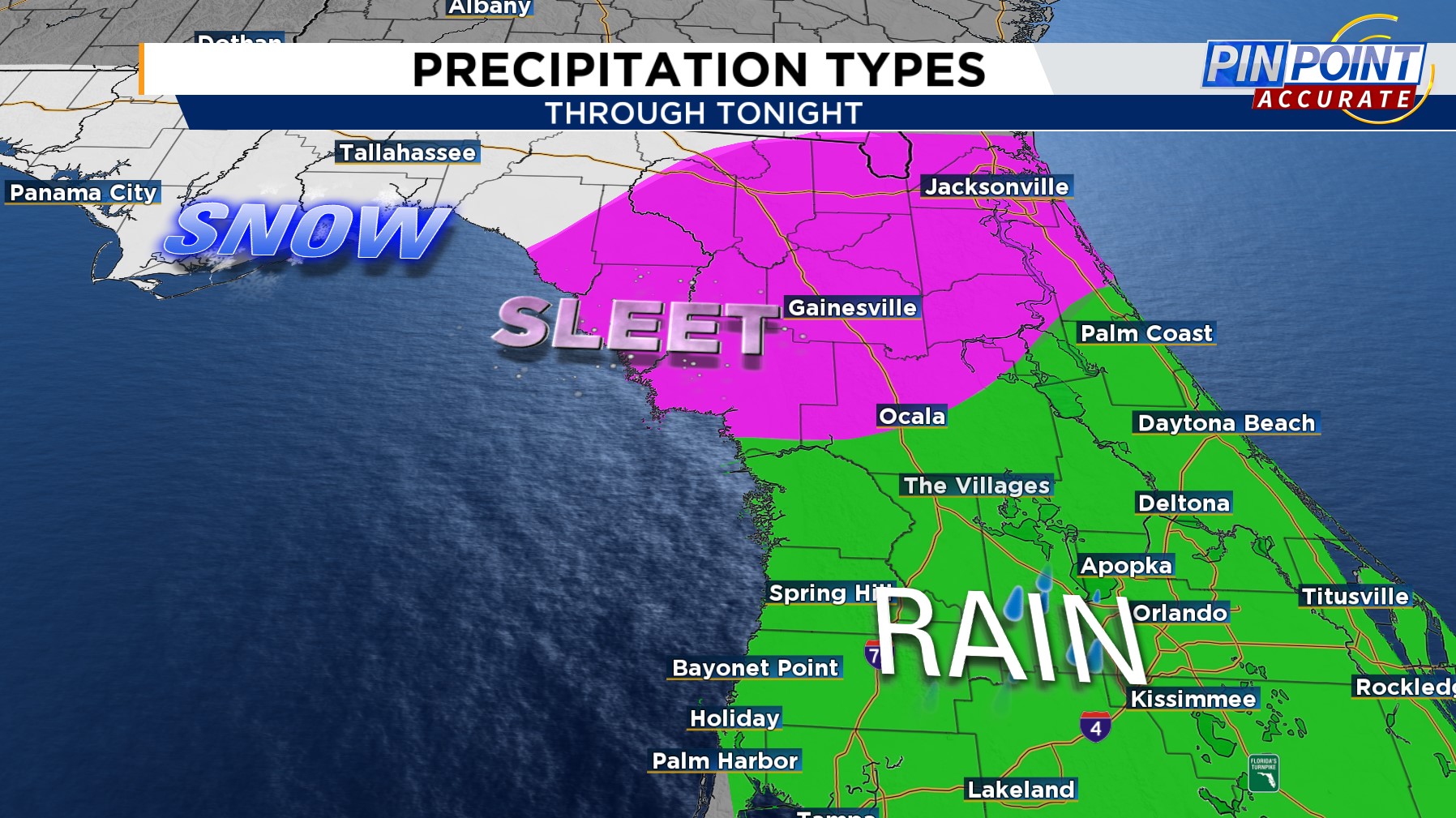
If snow were to grace any part of Florida, it would almost exclusively be in the northernmost regions. Cities such as Tallahassee, Jacksonville, Pensacola, and other communities in the Florida Panhandle are geographically closer to the colder air masses that periodically dip down from the northern United States. These areas experience more frequent and sustained periods of freezing temperatures compared to their southern counterparts.
In these North Florida locales, a convergence of conditions – sufficient moisture, temperatures at or below freezing through the atmospheric column, and a strong cold front – could potentially lead to snow flurries. Accumulations, while still uncommon, are slightly more plausible here. Travelers visiting Tallahassee, the state capital, in December or January might encounter a frosty morning or even the occasional snowflake if a particularly strong cold front moves through. However, even in these areas, the phenomenon is fleeting, rarely impacting travel plans beyond minor road advisories on exceptionally cold mornings.
Central and South Florida: A Frozen Anomaly
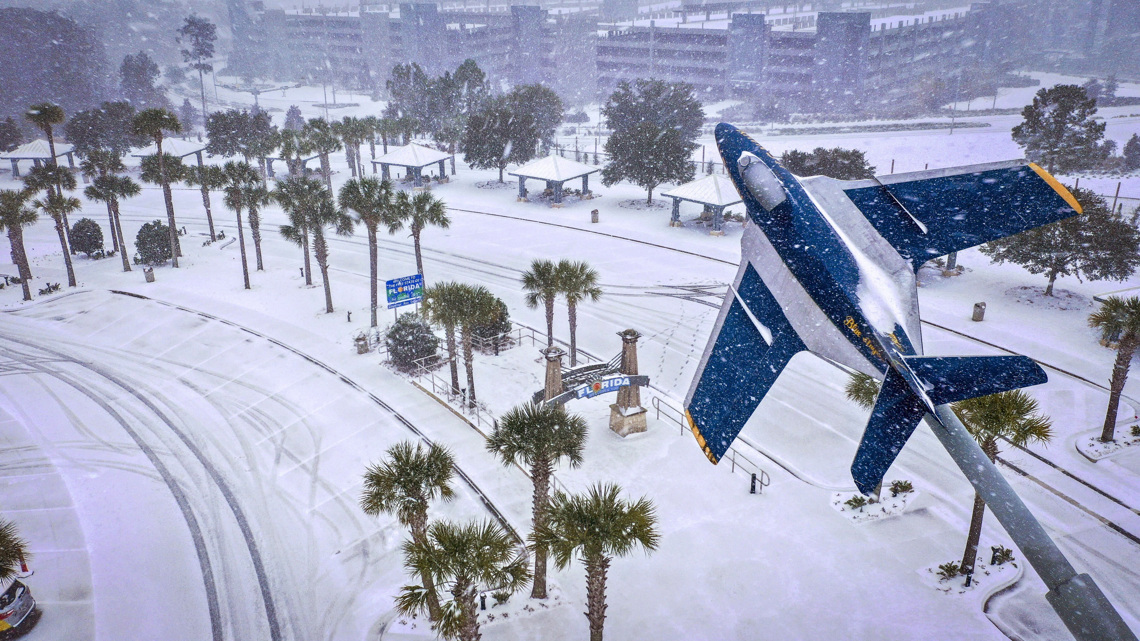
Moving south into Central Florida, which includes popular tourist destinations like Orlando (home to Walt Disney World Resort and Universal Orlando Resort) and Tampa, the chances of snow diminish significantly. While these regions do experience occasional cold snaps, sustained freezing temperatures are rare. The 1977 event remains a vivid memory precisely because it was so extraordinary, a once-in-a-lifetime occurrence for most residents.
In South Florida, encompassing Miami, Fort Lauderdale, and the Florida Keys, the possibility of snow is virtually nonexistent. These areas are firmly subtropical to tropical, with winter temperatures rarely dropping below 50°F (10°C) during the day. Any mention of snow in these southernmost parts of the state typically refers to sleet, ice pellets, or frost, which are still rare but not true snow. Travelers to South Florida can confidently pack light clothing, even in the heart of winter, with little to no concern for anything resembling cold weather, let alone snow.
What to Expect: Planning Your Florida Trip Around Winter
For travelers, the rarity of snow in Florida means that it should not be a factor in planning a trip to the Sunshine State with the expectation of a snowy landscape. Instead, understanding Florida’s typical winter weather is key to a rewarding visit.
Realistic Winter Travel in Florida
Winter in Florida (roughly December to February) is characterized by pleasant, mild temperatures, lower humidity, and abundant sunshine. This period is often considered the peak tourist season, particularly for those escaping colder climates. Daytime temperatures typically range from the low 60s to high 70s Fahrenheit (15-25°C) across much of the state, making it ideal for outdoor activities like visiting theme parks, enjoying beaches, golfing, or exploring natural parks. Evenings can be cooler, especially in North Florida, often dropping into the 40s or 50s Fahrenheit (4-15°C). Travelers should pack layers to accommodate the temperature fluctuations between day and night.
Preparing for Unpredictable Weather
While snow is highly improbable, Florida winters can still bring occasional cold fronts that cause temperatures to drop significantly, sometimes into the 30s Fahrenheit (0-4°C) even in Central Florida. These cold snaps are usually short-lived, lasting only a few days before warmer weather returns. Travelers should monitor weather forecasts, especially if visiting during December or January. It’s wise to pack at least one warm jacket, even for a trip to South Florida, just in case an unusual cold front coincides with your visit. However, the probability of seeing anything more than frost on car windshields is negligible.
Beyond the Flurries: Unique Florida Winter Experiences
Rather than focusing on the remote chance of snow, travelers should embrace the unique winter experiences that Florida genuinely offers. The cooler, drier air during these months creates ideal conditions for many activities that might be less comfortable in the heat and humidity of summer.
Florida’s Mild Winter Appeal
The winter months are arguably the best time to explore Florida’s natural beauty. State parks like Myakka River State Park near Sarasota or Everglades National Park in the south are delightful for hiking, biking, and wildlife viewing without the oppressive summer heat or humidity. Manatees, seeking warmer waters, congregate in springs like Crystal River, offering unique opportunities for swimming or kayaking among these gentle giants. Birdwatching is also exceptional, as many migratory species overwinter in Florida’s diverse ecosystems.
Festivals and Events During the Cooler Months
Florida truly comes alive with cultural events and festivals during its pleasant winter season. From art shows in St. Petersburg and Miami to food and wine festivals in South Beach, there’s a vibrant calendar of activities. Theme parks like Walt Disney World Resort and Universal Orlando Resort transform for the holidays, offering special parades, shows, and decorations that draw visitors from around the globe. Many coastal towns host holiday boat parades, with vessels adorned in festive lights, providing a distinctly Floridian take on winter celebrations.
In conclusion, while the question “What parts of Florida are getting snow?” might spark curiosity, the pragmatic traveler understands that snow is an extraordinary anomaly in the Sunshine State. If it occurs, it’s typically confined to fleeting flurries in North Florida. The true travel appeal of Florida in winter lies not in the elusive white flakes, but in its reliably mild temperatures, abundant sunshine, and a wealth of outdoor activities and cultural events that make it an unparalleled escape from colder climes. Plan for warmth, embrace the outdoor adventures, and perhaps, if you are incredibly fortunate and visiting the northern reaches during a historic cold snap, you might just witness a rare snowflake. But don’t count on it; Florida’s charm truly lies in its sun-drenched winter.
LifeOutOfTheBox is a participant in the Amazon Services LLC Associates Program, an affiliate advertising program designed to provide a means for sites to earn advertising fees by advertising and linking to Amazon.com. Amazon, the Amazon logo, AmazonSupply, and the AmazonSupply logo are trademarks of Amazon.com, Inc. or its affiliates. As an Amazon Associate we earn affiliate commissions from qualifying purchases.