
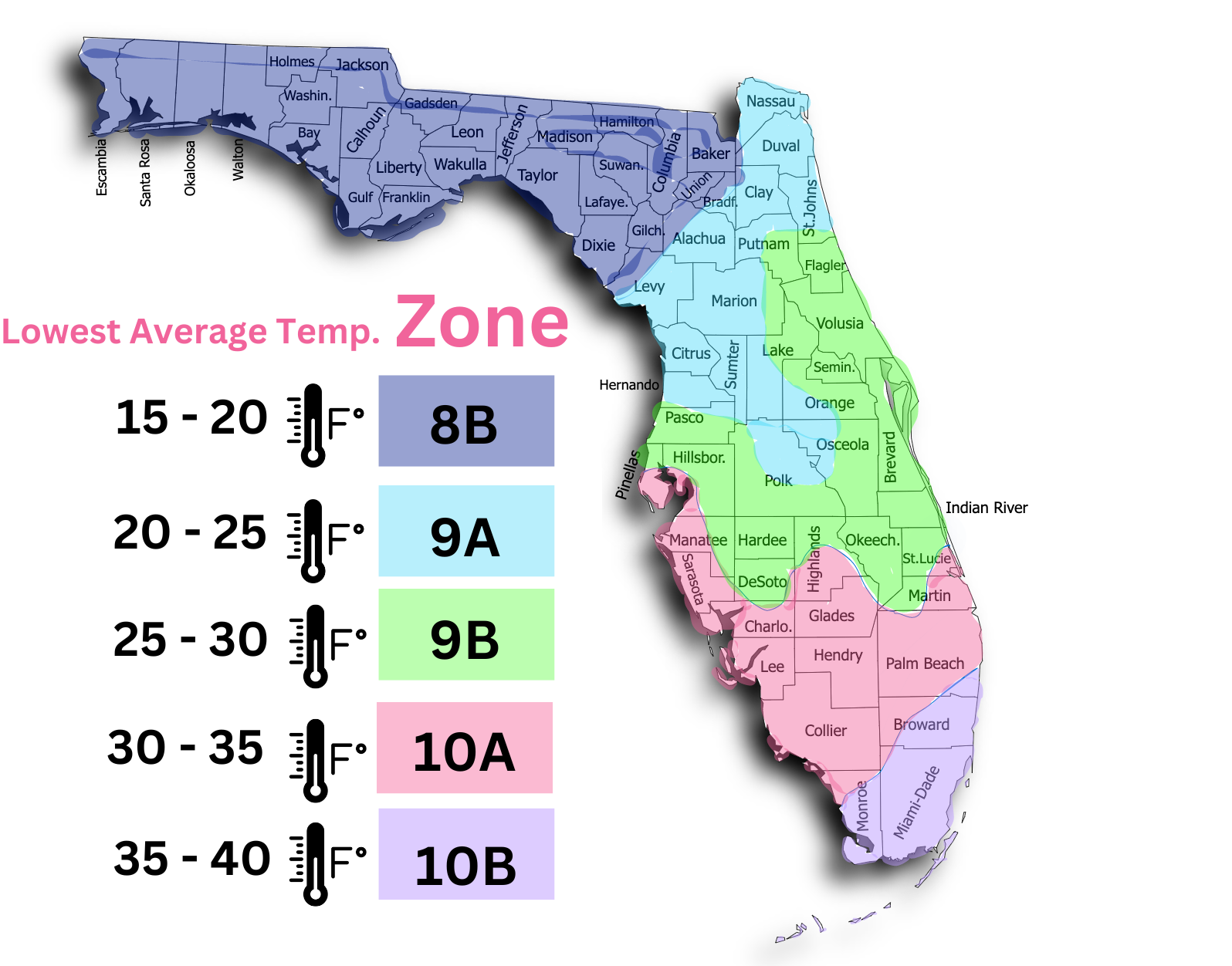
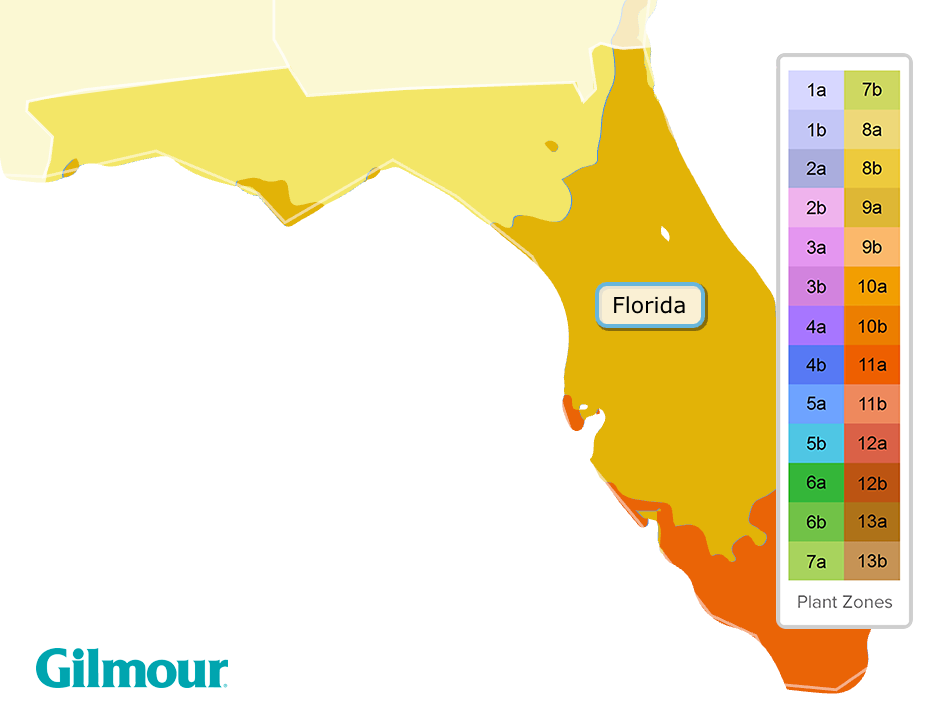
Central Florida, a vibrant heartland known for its world-class attractions and natural beauty, captivates millions of tourists annually. A critical, yet often overlooked, aspect that shapes much of this region’s allure and influences the local ecosystem, culture, and activities is its specific plant hardiness zone. Understanding this zone provides invaluable insights for tourists, from appreciating the unique flora to planning outdoor adventures and engaging with local agricultural traditions. Central Florida predominantly falls within USDA Plant Hardiness Zones 9B and 10A, a designation that defines the climatic conditions necessary for various plants to thrive. This zone classification is a cornerstone for comprehending the region’s distinctive botanical landscape and the diverse experiences it offers visitors.

Demystifying USDA Plant Hardiness Zones in Central Florida
The United States Department of Agriculture (USDA) developed its Plant Hardiness Zone Map as a standard to help gardeners and growers determine which plants are most likely to survive winter temperatures at a given location. Each zone is defined by a 10-degree Fahrenheit range of average annual extreme minimum winter temperatures. For Central Florida, the prevalent zones are 9B and 10A.
Zone 9B signifies an average annual extreme minimum winter temperature between 25°F and 30°F (-3.9°C to -1.1°C). This covers significant portions of the region, including much of Orlando and its immediate surroundings. Moving further south or closer to the moderating influences of the coasts, areas shift into Zone 10A, where the average annual extreme minimum temperature ranges from 30°F to 35°F (-1.1°C to 1.7°C). This subtle but significant difference in temperature allows for an astonishing array of plant life, from resilient subtropical species to more delicate tropical varieties. These zones ensure that the brief, mild winters in Central Florida are generally frost-free, or experience only very light, infrequent frosts, creating an ideal environment for a lush, verdant landscape year-round. For tourists, this translates into consistent outdoor beauty, regardless of the season, and a rich backdrop for exploration.
The Lush Flora That Defines Central Florida’s Allure for Tourists
The 9B and 10A hardiness zones are the primary reason Central Florida boasts a breathtaking array of vegetation that is often a significant draw for tourists. Unlike temperate climates that experience stark seasonal changes, Central Florida’s mild winters and abundant rainfall sustain a landscape rich in both native and introduced subtropical and tropical species.
Iconic Plant Life and Natural Landscapes
Upon arriving in Central Florida, visitors are immediately greeted by the iconic sight of various palm trees. From the tall, slender Queen Palms to the robust Cabbage Palms, Florida’s state tree, these majestic plants line streets, adorn resorts, and punctuate the skyline. Beyond palms, the landscape is punctuated by the grand live oaks, often draped in Spanish moss, creating an ethereal, distinctly Southern charm. These resilient trees provide shade and a sense of timelessness, integral to the region’s aesthetic.
The warm climate also allows for an explosion of vibrant flowering plants throughout the year. Tourists can marvel at the brilliant hues of bougainvillea, cascading over walls and trellises, or the delicate petals of hibiscus, gracing gardens and public spaces. Exotic orchids, bromeliads, and a variety of ferns thrive in the humid, warm conditions, contributing to the region’s reputation as a paradise for plant enthusiasts. These floral displays are not just confined to curated gardens; they are ubiquitous, transforming ordinary streets and residential areas into picturesque vistas.
Citrus Groves and Agricultural Heritage
Perhaps one of the most famous botanical aspects of Central Florida’s plant zone influence is its storied citrus industry. The temperate winters and abundant sunshine are perfect for cultivating oranges, grapefruits, tangerines, and other citrus fruits. While much of the commercial industry has shifted further south due to development pressures, the scent of orange blossoms still occasionally wafts through the air, particularly in the spring, reminding visitors of Florida’s agricultural roots. Tourists can often find opportunities to pick their own citrus at smaller groves or enjoy freshly squeezed juices, a quintessential Florida experience. This connection to the land through its produce offers a tangible link to the local culture and economy shaped by its hardiness zone.
Preserving Native Habitats
The plant hardiness zone also supports unique native ecosystems like pinelands, scrub, and the famous wetlands, which are crucial for Florida’s biodiversity. Cypress trees stand stoically in swamps, providing habitat for an array of wildlife, while saw palmettos and various grasses define the understory of many natural areas. These natural habitats, accessible via nature trails and state parks, offer tourists a chance to experience the authentic, untamed side of Florida, far from the bustling theme parks. Destinations like the Lake Apopka Wildlife Drive offer incredible opportunities to observe this flora in its natural setting, alongside the diverse fauna it supports.
Seasonal Activities and Horticultural Tourism
The stable climate dictated by Central Florida’s plant zones ensures that many tourism-related activities can be enjoyed year-round, with specific highlights emerging with the subtle shift of seasons. Horticultural tourism, in particular, thrives in this environment.
Botanical Gardens and Nature Parks
Central Florida is home to several magnificent botanical gardens that showcase the region’s diverse flora and educate visitors about its unique ecosystem. Harry P. Leu Gardens in Orlando is a prime example, offering 50 acres of curated landscapes, including a massive rose garden, camellia collection, and a tropical rainforest. Similarly, Bok Tower Gardens in Lake Wales provides a serene escape with its historic landscapes, diverse plant collections, and the iconic Singing Tower. These attractions are not just aesthetically pleasing; they offer educational programs, guided tours, and events that delve deeper into Florida’s plant life, appealing to seasoned botanists and casual tourists alike.
Outdoor Recreation and Ecotourism
The consistent warmth and verdant landscapes make Central Florida an ideal destination for outdoor recreation year-round. Activities such as hiking, biking, and kayaking are popular, allowing tourists to immerse themselves in the natural environment. State parks and nature preserves, such as the Wekiwa Springs State Park or the Ocala National Forest, offer extensive trail systems that wind through diverse habitats, providing opportunities to spot native plants and wildlife. Birdwatching is another significant draw, as many migratory and resident species rely on Central Florida’s rich flora for food and shelter. The plant hardiness zone directly supports this ecotourism, ensuring a thriving habitat that sustains a complex web of life.
Farmer’s Markets and Local Cuisine
The ability to grow a wide variety of produce influences Central Florida’s culinary scene. Local farmer’s markets, found in almost every town, burst with fresh, seasonal fruits and vegetables that benefit from the mild climate. Beyond citrus, visitors can find locally grown strawberries, blueberries, avocados, and a variety of greens and herbs. Engaging with these markets offers tourists a taste of the local culture, supporting small farmers and experiencing the freshest ingredients Florida has to offer. Many restaurants in the region also pride themselves on sourcing local ingredients, directly leveraging the bountiful harvest made possible by the area’s favorable growing conditions.
Responsible Tourism and Preserving Central Florida’s Unique Ecosystem
While the generous climate of Central Florida’s 9B/10A hardiness zone allows for a wealth of beautiful plants, it also presents challenges and responsibilities for tourism. The very factors that make Florida so appealing—warmth, humidity, and fertile ground—also make it susceptible to invasive species and environmental pressures.
Tourists play a crucial role in preserving the natural beauty they come to admire. Educating oneself about native Florida plants and avoiding the spread of non-native species is vital, especially when exploring natural areas. Sticking to marked trails, not disturbing wildlife or plant life, and properly disposing of waste are fundamental practices of responsible ecotourism. Many parks and gardens offer information on how visitors can contribute to conservation efforts, from supporting local initiatives to simply being mindful of their impact.
The future of Central Florida’s tourism is inextricably linked to the health and vitality of its unique environment. By understanding and respecting the plant zone and its ecological implications, tourists can not only enjoy the present beauty but also help ensure that this tropical paradise continues to thrive for generations to come, sustaining its rich biodiversity and offering unparalleled experiences.
LifeOutOfTheBox is a participant in the Amazon Services LLC Associates Program, an affiliate advertising program designed to provide a means for sites to earn advertising fees by advertising and linking to Amazon.com. Amazon, the Amazon logo, AmazonSupply, and the AmazonSupply logo are trademarks of Amazon.com, Inc. or its affiliates. As an Amazon Associate we earn affiliate commissions from qualifying purchases.