
Understanding Florida’s Diverse Ophidian Population for Tourists
Florida, renowned for its sun-drenched beaches, vibrant cities, and lush natural landscapes, attracts millions of tourists annually seeking everything from theme park thrills to serene wildlife encounters. While the allure of its extensive coastline and subtropical climate is undeniable, the state is also home to a diverse array of wildlife, including numerous snake species. For any traveler exploring Florida’s natural beauty, understanding its reptilian inhabitants is not just a matter of curiosity but an essential aspect of responsible and safe tourism. From the sprawling wetlands of the Everglades National Park to the pine forests and coastal scrublands, snakes play a vital role in Florida’s complex ecosystems, acting as natural pest controllers and serving as a food source for other predators.
For tourists, knowledge about Florida’s snakes primarily revolves around identification and safety. While the vast majority of snake species in the state are non-venomous and harmless to humans, a small number do possess venom capable of causing serious harm. Familiarity with the common species, both venomous and non-venomous, can significantly reduce anxiety, prevent unnecessary harm to both humans and snakes, and enhance the overall appreciation of Florida’s unique biodiversity. This guide aims to equip visitors with the necessary insights to confidently explore Florida’s natural attractions, from its state parks and nature trails to its more urban green spaces, all while respecting and understanding its native ophidian residents.
Common Non-Venomous Snakes You Might Encounter
Florida boasts over 40 native snake species, with only six being venomous. This means the odds are overwhelmingly in favor of encountering a harmless snake, making proper identification crucial. Many non-venomous snakes are often mistaken for their venomous counterparts, leading to unnecessary fear or harm.
The Friendly Giants: Rat Snakes
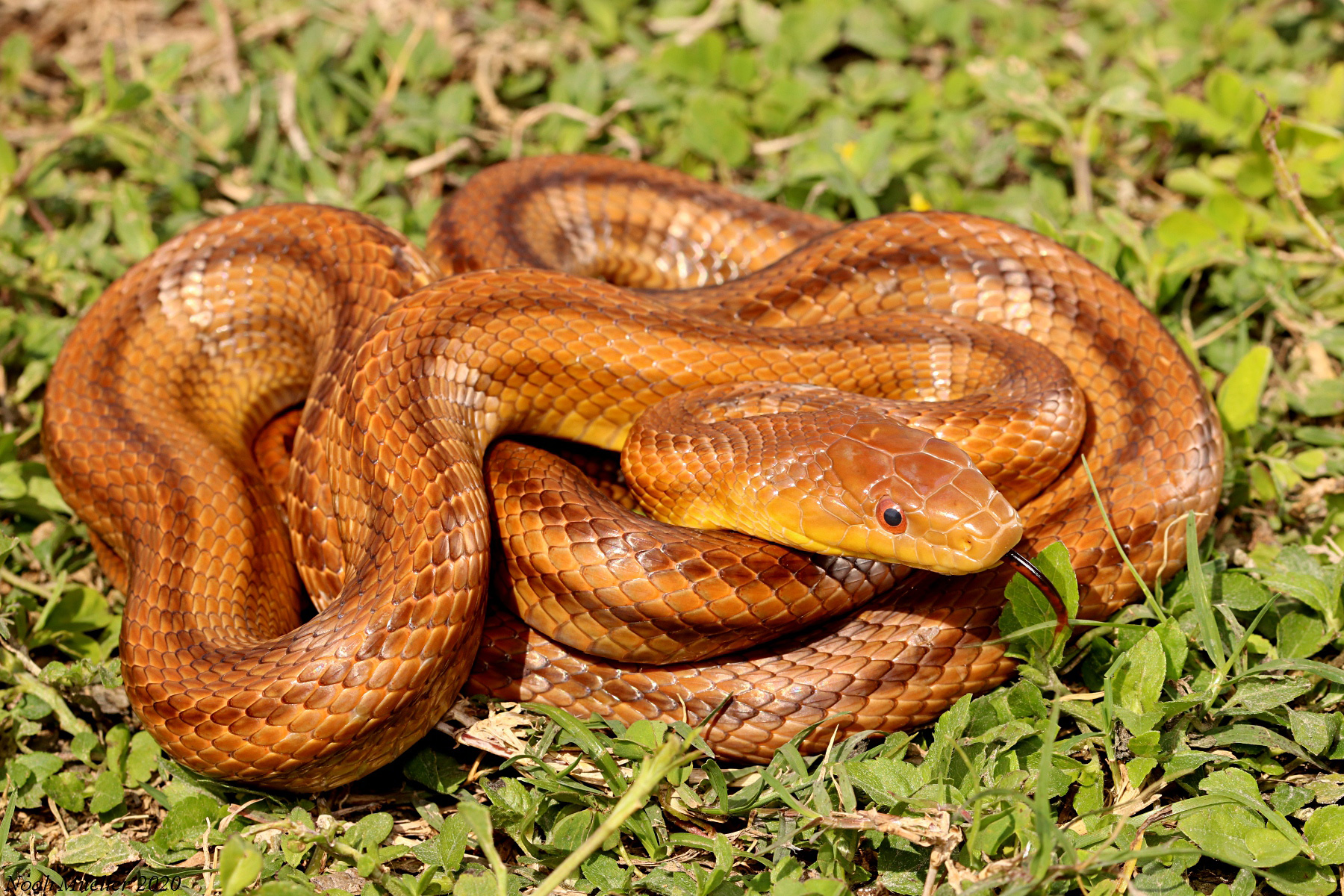
Among the most commonly encountered non-venomous snakes are the Rat Snakes. These long, slender constrictors are excellent climbers and are frequently found in trees, suburban gardens, and agricultural areas. The Eastern Rat Snake (often varying in color from yellow to black depending on geographic location within Florida) is a beneficial species, preying on rodents and birds. They are typically docile, though they may strike if threatened, usually without biting, or emit a musky odor. Their patterns can vary widely, from solid colors to blotched or striped designs.
Water Dwellers: Non-Venomous Water Snakes
Exploring Florida’s numerous freshwater bodies – lakes, rivers, canals, and ponds – often brings tourists into contact with various water snake species. The Florida Green Water Snake and Banded Water Snake are common examples. These snakes are non-venomous and play a crucial role in controlling fish and amphibian populations. A common misconception is to confuse them with the venomous Cottonmouth (Water Moccasin). Non-venomous water snakes typically have round pupils, lack the distinctive facial pits of pit vipers, and when swimming, often keep most of their body submerged, unlike the Cottonmouth, which frequently swims with its entire body afloat.
Garden Variety: Garter and Ribbon Snakes
Smaller, slender, and often found in grassy areas, gardens, and near water sources, Eastern Garter Snakes and Peninsula Ribbon Snakes are harmless and commonly observed throughout Florida. They are easily identified by their striped patterns running the length of their bodies and their relatively small size. They primarily feed on small amphibians, earthworms, and insects. These snakes are generally shy and will quickly retreat when approached.
Other Notable Non-Venomous Species
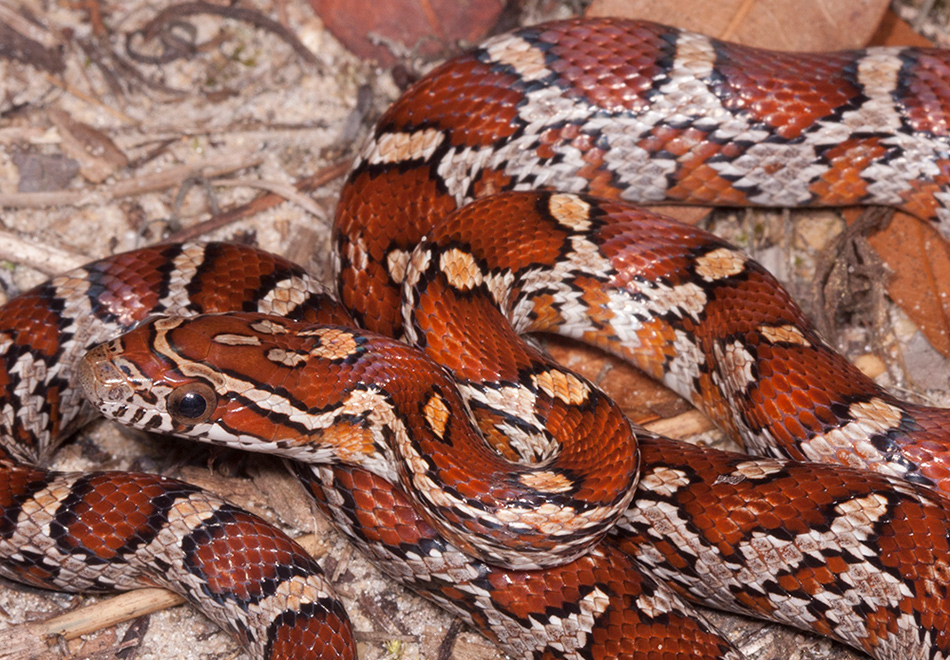
The Black Racer is another incredibly common snake across Florida. True to its name, it’s very fast and active during the day, often seen darting across roads or through vegetation. Adults are uniformly black with a white chin and throat. They are harmless but may vibrate their tails in leaf litter (mimicking a rattlesnake) or strike if cornered. The Corn Snake, a beautifully patterned snake with orange, red, and brown blotches, is often mistaken for the venomous Coral Snake. However, their patterns are distinct, and Corn Snakes are completely harmless constrictors found in woodlands and suburban areas.
Identifying Florida’s Venomous Snakes: A Tourist’s Guide to Safety
While less common, encountering a venomous snake in Florida is a possibility, especially for those venturing into natural habitats like Big Cypress National Preserve or other wilderness areas. Knowing how to identify these species and understanding appropriate responses is paramount for tourist safety. Florida is home to six venomous snake species: five pit vipers (four rattlesnakes, one moccasin, one copperhead) and one elapid (coral snake).
The Pit Vipers: Rattlesnakes, Copperheads, and Moccasins

Pit vipers in Florida share common characteristics: a triangular-shaped head, vertical (cat-like) pupils, and heat-sensing pits located between their eyes and nostrils.
-
Eastern Diamondback Rattlesnake: This is the largest venomous snake in North America, with some individuals exceeding six feet. It’s identifiable by its distinct diamond-shaped pattern outlined in yellow, and its iconic rattle at the tail end. Primarily found in pine flatwoods, scrub, and coastal areas, these snakes prefer to avoid confrontation but will deliver a serious bite if threatened. Always give a wide berth if you hear or see one.
-
Pygmy Rattlesnake: Much smaller than its diamondback cousin, usually less than two feet long, the Pygmy Rattlesnake has a tiny, almost inaudible rattle. Its grey body is marked with dark, rounded blotches. Widespread across various habitats, including suburban areas, it’s easily overlooked. Its venom is less potent than the diamondback’s, but a bite still requires immediate medical attention.
-
Cottonmouth (Water Moccasin): The only venomous water snake in North America, the Cottonmouth is notorious for its defensive display of opening its mouth to show a white interior. They are semi-aquatic, found in swamps, marshes, ditches, and other freshwater bodies. Adults are thick-bodied and typically dark brown, olive, or black, often with vague crossbands. When swimming, they often hold their head high and their body mostly afloat.
-
Florida Copperhead: While common in other parts of the southeastern U.S., the Florida Copperhead is relatively rare in Florida, primarily confined to the panhandle region. It’s recognized by its hourglass-shaped crossbands on a lighter brown or tan body. Like other pit vipers, its bite is painful and medically significant.
The Elusive Coral Snake
Florida’s only venomous snake not belonging to the pit viper family is the Coral Snake. Known for its striking red, yellow, and black bands, it is often confused with the non-venomous Scarlet Kingsnake or Corn Snake. The critical distinction lies in the banding pattern: for the venomous Coral Snake, “red touches yellow, kills a fellow; red touches black, venom lack.” Coral Snakes are reclusive, spend much of their time underground, and have a small mouth, making bites less common. However, their venom is neurotoxic and extremely potent, affecting the nervous system.
Coexisting Safely with Florida’s Reptiles: Essential Tourist Tips
Encountering a snake during your Florida travels doesn’t have to be a source of panic. With a few simple precautions and knowledge of what to do, you can safely enjoy the state’s natural beauty.
Awareness and Prevention in Tourist Hotspots
- Stay on Marked Trails: When hiking in national or state parks, stick to designated trails. This minimizes your impact on the environment and reduces the chances of surprising a snake.
- Watch Your Step: Snakes often blend into their surroundings. Pay attention to where you place your feet, especially when stepping over logs, rocks, or through tall grass.
- Appropriate Footwear: Wear closed-toe shoes or hiking boots, especially when exploring natural areas. This provides a layer of protection against accidental encounters.
- Hands Off: Never put your hands where you cannot see them, such as under rocks, logs, or dense bushes.
- Leave Them Alone: Never attempt to handle, harass, or provoke any snake, regardless of whether you believe it to be venomous or not. Most snake bites occur when people try to interact with them.
- Keep Pets Leashed: If traveling with pets, keep them on a leash and away from areas where snakes might be present.
What to Do if You Encounter a Snake
If you come across a snake, the best course of action is almost always to give it space.
- Remain Calm: Panicking can cause you to make rash decisions.
- Back Away Slowly: Give the snake plenty of room to retreat. Most snakes would prefer to avoid confrontation.
- Observe from a Distance: If you wish to observe, do so from a safe distance without disturbing the animal.
- Do Not Attempt to Move It: Even if a snake is in an inconvenient spot, do not try to move it yourself. Call local animal control or park rangers if it poses an immediate threat to public safety in a high-traffic area.
In Case of a Bite: Emergency Protocols
While rare, a snake bite is a medical emergency.
- Seek Immediate Medical Attention: Call 911 or local emergency services without delay. Transport to the nearest medical facility as quickly and safely as possible is crucial.
- Stay Calm and Immobilize: Keep the bitten limb as still as possible and below the level of the heart to slow the spread of venom.
- Remove Constricting Items: Take off any jewelry or tight clothing near the bite area, as swelling may occur.
- Note the Snake’s Appearance (if safe): If you can safely get a clear photo of the snake (without getting closer or putting yourself at risk), it can aid medical professionals in identification and treatment. Do not delay treatment to do this.
- Do NOT: Apply a tourniquet, cut the wound, try to suck out venom, apply ice, or drink alcohol/caffeine. These actions can worsen the outcome.
Beyond Fear: Appreciating Florida’s Natural Heritage
Snakes are a fundamental part of Florida’s rich natural heritage, embodying the wild essence of its diverse ecosystems. Far from being mere nuisances or dangers, they are vital components of the food web, keeping rodent populations in check and serving as a key indicator of environmental health. For tourists, understanding and respecting these creatures contributes to a more enriching and responsible travel experience.
The Florida Fish and Wildlife Conservation Commission (FWC) provides extensive resources and information on native wildlife, including snakes, emphasizing conservation and safe human-wildlife interactions. By learning about the snakes of Florida, visitors can transform potential apprehension into a deeper appreciation for the state’s incredible biodiversity, ensuring that their trip is not only memorable but also harmonious with the natural world around them.
LifeOutOfTheBox is a participant in the Amazon Services LLC Associates Program, an affiliate advertising program designed to provide a means for sites to earn advertising fees by advertising and linking to Amazon.com. Amazon, the Amazon logo, AmazonSupply, and the AmazonSupply logo are trademarks of Amazon.com, Inc. or its affiliates. As an Amazon Associate we earn affiliate commissions from qualifying purchases.