
Understanding the precise time in Florida is more than just a matter of curiosity; it’s a critical component for seamless travel planning, effective communication, and maximizing the enjoyment of your visit to the Sunshine State. Florida’s unique geographical spread across two distinct time zones often surprises first-time visitors and even some seasoned travelers. This guide will illuminate the intricacies of Florida’s temporal landscape, offering insights crucial for every aspect of your journey.
Navigating Florida’s Dual Time Zones: A Traveler’s Primer
Unlike many states, Florida does not adhere to a single time zone. The vast majority of the state operates on Eastern Time, which observes Eastern Standard Time (EST) during the fall and winter months and Eastern Daylight Time (EDT) during spring and summer. This means most of the popular tourist destinations, including vibrant Miami, the theme park capital of Orlando, the cultural hub of Tampa, and the historic streets of St. Augustine, all follow Eastern Time.
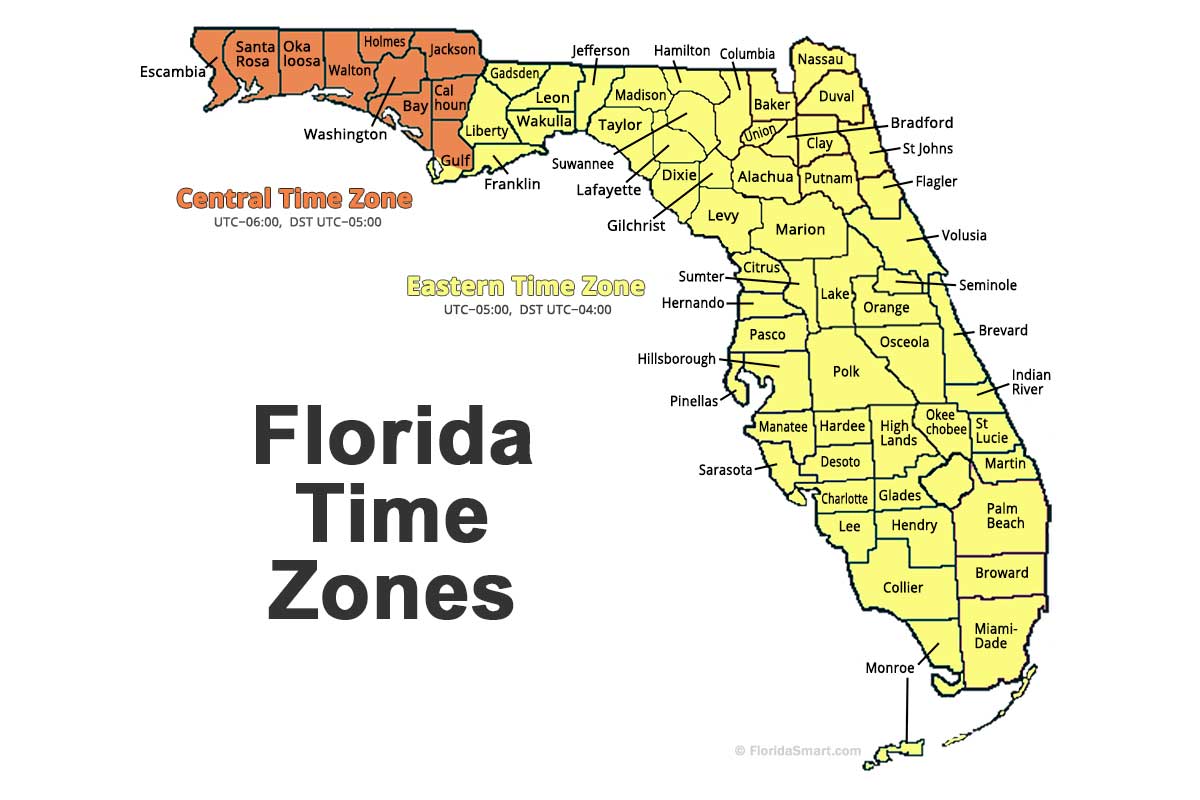
However, a significant portion of the Florida Panhandle operates on Central Time. This includes counties west of the Apalachicola River, such as Escambia, Santa Rosa, Okaloosa, Walton, and parts of Bay County. Cities like Pensacola, Destin, and Panama City Beach, renowned for their pristine Gulf Coast beaches, are an hour behind the rest of the state. This distinction is paramount, especially if your travel itinerary involves moving between these two regions.
The transition between Eastern Time and Central Time typically occurs near the eastern edge of the Apalachicola River, running north from the Gulf to the Georgia border. Travelers driving across the state, particularly on I-10, will encounter a time zone change. It’s crucial to remember that Daylight Saving Time is observed across both zones, meaning the hour difference remains constant, but the absolute offset from Coordinated Universal Time (UTC) shifts twice a year. Always confirm the current time, especially when planning to cross this invisible yet significant boundary.
The Temporal Impact on Travel Planning and Logistics
Ignoring Florida’s time zones can lead to a cascade of logistical challenges for travelers. From missed flights to late arrivals for reservations, understanding the clock is fundamental.
Flight Schedules and Connections
For travelers flying into Florida, or making connecting flights within the state, time zones are non-negotiable. An arrival time listed for Pensacola International Airport (PNS) will be in Central Time, while a departure from Orlando International Airport (MCO) will be in Eastern Time. If you have a layover that involves transitioning between these zones, the actual elapsed time between flights could be different from what a quick mental calculation might suggest. Always refer to your boarding pass and travel apps which usually adjust to local times, but a manual double-check can prevent stress.
Hotel Check-ins and Attraction Timings
Imagine arriving an hour late for your hotel check-in in Panama City Beach because you forgot to adjust your watch from Orlando. Or worse, missing a crucial pre-booked slot for an attraction like a Dolphin Tour from Clearwater or a reservation at a popular restaurant in Key West. The majority of Florida’s renowned theme parks, including Walt Disney World Resort and Universal Orlando Resort, operate on Eastern Time. Their opening and closing hours, as well as showtimes, are all set within this framework. Likewise, guided tours, boat excursions, and museum visits will strictly adhere to the local time of their operation. Confirming the specific time zone of your destination within Florida is a simple step that can save valuable vacation time and money.
Business Engagements and Remote Work
For business travelers or those working remotely while vacationing in Florida, time zone awareness is paramount. Scheduling conference calls, client meetings, or virtual presentations requires careful consideration of the time in Florida versus your home office or client’s location. A call scheduled for 9 AM EST might be 8 AM CST for colleagues in Pensacola or 6 AM PST for clients on the West Coast. Clarity in communication, always specifying the time zone (e.g., “3 PM EDT” or “2 PM CST”), is essential to avoid missed connections and maintain professional efficiency.
Synchronizing Your Florida Experience: Practical Tips

With a clear understanding of Florida’s time zones, travelers can implement several strategies to ensure a smooth and enjoyable trip.
Pre-Arrival Preparation
Before you even pack your bags, take a moment to look at a map of Florida’s time zones. Identify whether your primary destination falls within the Eastern Time Zone or the Central Time Zone. If your itinerary involves visiting both regions, make a mental note of where and when you’ll be crossing the boundary. Setting reminders in your phone or travel planner for time zone changes can be incredibly helpful.
Leverage Technology
Modern smartphones and smartwatches are invaluable tools for managing time zones. Most devices automatically update to the local time zone when they detect a change in location. However, it’s a good practice to manually check your device’s settings to ensure automatic time zone updates are enabled. World clock apps can also be beneficial for quickly comparing the current time in different Florida cities or against your home time zone. For those who prefer a traditional timepiece, a travel watch with dual time zone capabilities can be a stylish and practical accessory.
Communicate Clearly
When making reservations for accommodations, dining, or activities, always confirm the scheduled time and, if there’s any ambiguity, explicitly ask which time zone is being used. This is particularly important for small businesses or local operators who might not always specify it if they primarily cater to a local audience. When communicating with friends, family, or colleagues about your trip, always specify the time zone if mentioning specific times. For example, instead of “I’ll call you at 8 PM,” say “I’ll call you at 8 PM Eastern Time.”
Adjusting to Jet Lag (for International Travelers)
While not directly related to Florida’s internal time zones, international travelers arriving from distant time zones will experience jet lag. Understanding the precise time difference between your origin and your Florida destination (e.g., Miami is UTC-5/-4, Pensacola is UTC-6/-5) is the first step in mitigating its effects. Gradually adjusting your sleep schedule before departure, staying hydrated, and exposing yourself to natural light upon arrival can help your body synchronize with Florida time more quickly, allowing you to enjoy your travel experience without undue fatigue.
Beyond the Clock: Florida’s Diverse Offerings at Any Hour
While the practicalities of time zones are important, the concept of “time” in Florida also extends to the rhythm of its diverse experiences. The time of day significantly shapes what you can see and do, adding another layer to your travel planning.
Sunrises and Sunsets
Florida offers breathtaking sunrises over the Atlantic Ocean on its eastern coast and spectacular sunsets over the Gulf of Mexico to the west. Timing your visit to coastal areas like South Beach, Fort Lauderdale, Naples, or St. Petersburg to catch these natural spectacles can create unforgettable memories. Early morning in Everglades National Park offers prime wildlife viewing opportunities, while late afternoons are perfect for strolling through the historic district of St. Augustine.

Day vs. Night Activities
Florida’s attractions cater to all hours. Theme parks like Magic Kingdom are bustling from open to close, with fireworks displays lighting up the night sky. Cities like Miami and Orlando come alive after dark with vibrant nightlife, exquisite dining, and entertainment venues. Even small towns offer charming evening strolls or local events that might be missed if you’re not aware of the local schedule. Understanding the ebb and flow of daily life in your chosen Florida destination, always anchored by its specific time zone, allows for a more immersive and rewarding travel experience.
In conclusion, knowing “What is the time in Florida now?” is more than a simple query. It’s a gateway to understanding the state’s geography, streamlining your travel logistics, and ultimately enhancing every moment of your journey through this captivating destination. By respecting the clock, you unlock the full potential of your Florida adventure.
LifeOutOfTheBox is a participant in the Amazon Services LLC Associates Program, an affiliate advertising program designed to provide a means for sites to earn advertising fees by advertising and linking to Amazon.com. Amazon, the Amazon logo, AmazonSupply, and the AmazonSupply logo are trademarks of Amazon.com, Inc. or its affiliates. As an Amazon Associate we earn affiliate commissions from qualifying purchases.