
Planning a trip to the Sunshine State involves meticulous attention to detail, and among the often-overlooked yet critical aspects is understanding the local time. Florida, a sprawling peninsula known for its diverse attractions and vibrant cities, does not operate on a single time zone, a detail that can significantly impact travel logistics, scheduling, and overall enjoyment of your vacation. For both domestic and international travelers, comprehending Florida’s time landscape is paramount to a seamless and stress-free experience.
Unraveling Florida’s Time Zone Landscape
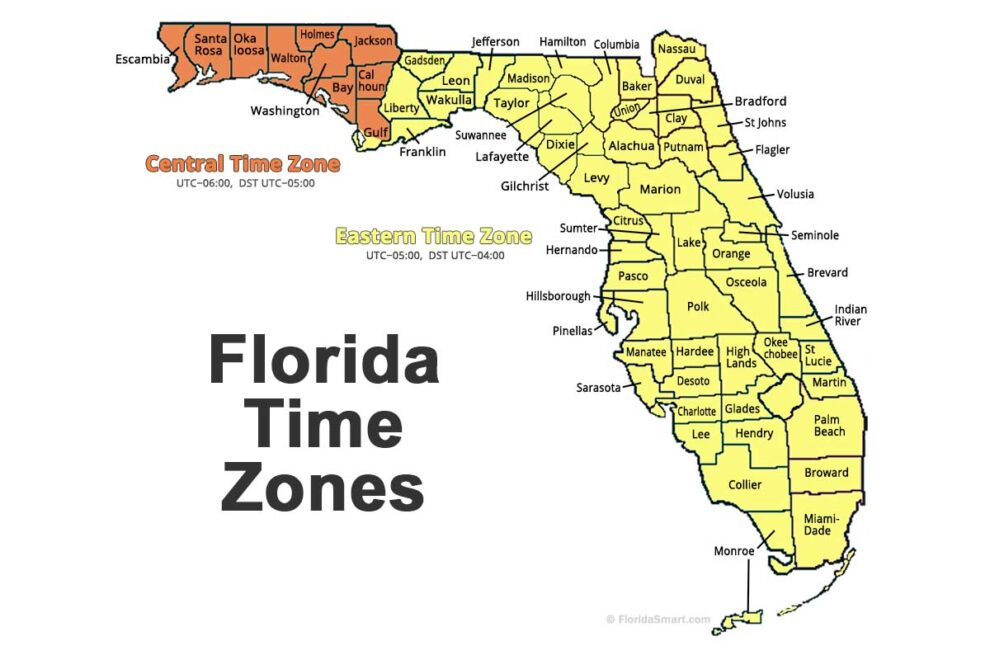
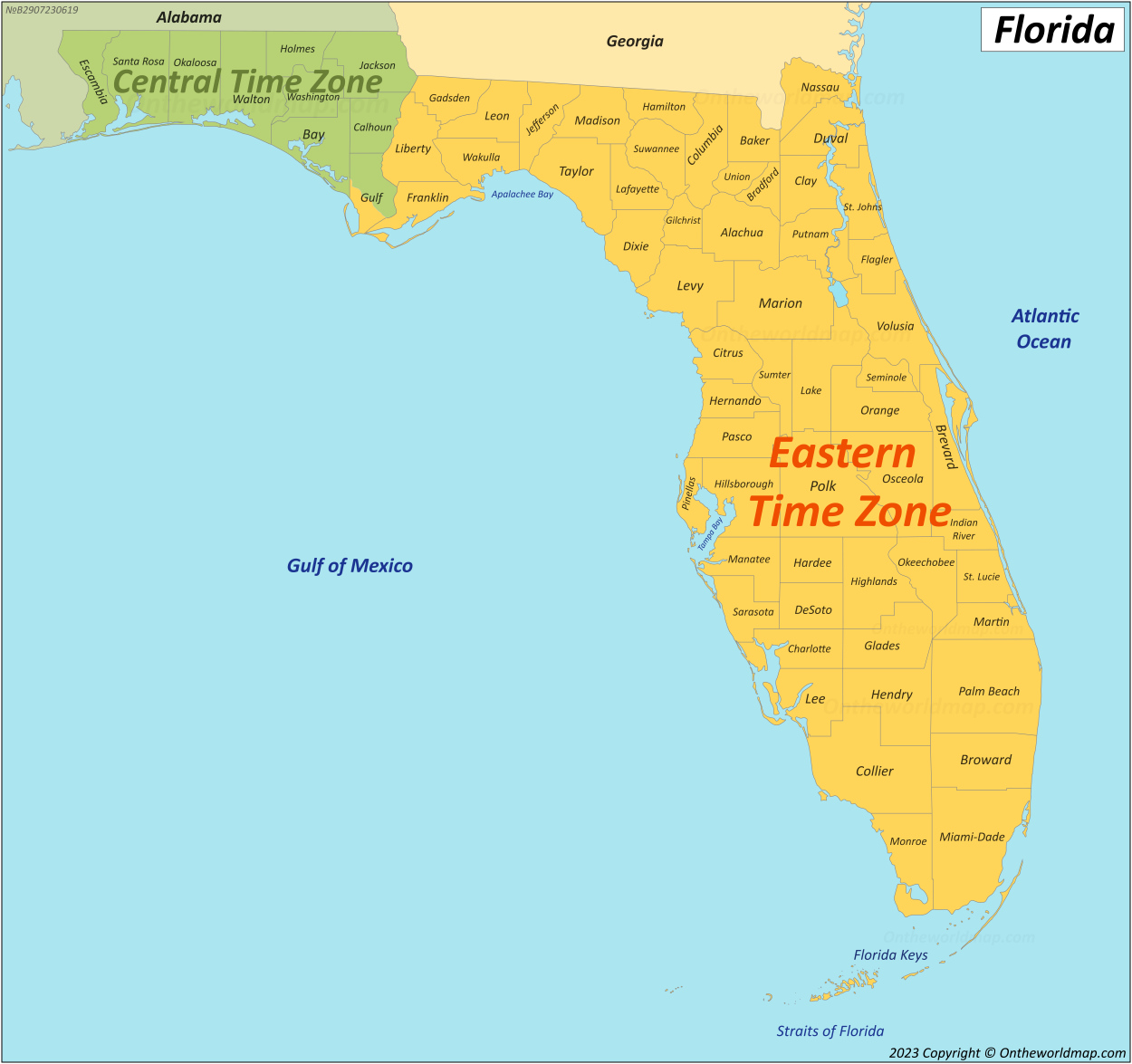
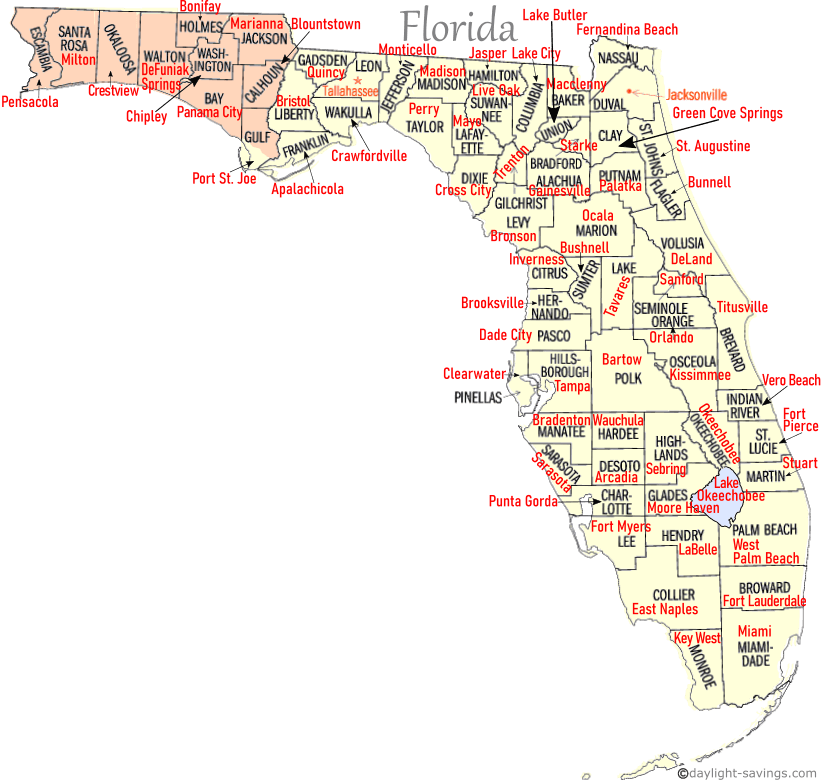
Florida spans two distinct time zones, primarily the Eastern Time Zone, with a notable portion of its western Florida Panhandle observing the Central Time Zone. This geographical split is a crucial piece of information for anyone planning to traverse the state or coordinate activities across its different regions.
Eastern Time Zone (EST/EDT): The Dominant Standard
The vast majority of Florida operates under the Eastern Time Zone. This includes all the major population centers, iconic tourist destinations, and bustling metropolitan areas that draw millions of visitors annually. When the United States is on Standard Time, this is Eastern Standard Time (EST), which is UTC-5. During Daylight Saving Time, it shifts to Eastern Daylight Time (EDT), or UTC-4.
Cities like Miami, Orlando, Tampa, Jacksonville, Fort Lauderdale, and Key West all adhere to Eastern Time. This means that if you are flying into Orlando International Airport to visit Walt Disney World Resort or cruising from PortMiami, your schedule will align with Eastern Time. For most travelers, especially those focusing on the theme parks, beaches, or urban experiences of southern and central Florida, understanding Eastern Time is sufficient.
Central Time Zone (CST/CDT): Florida’s Western Edge
The westernmost counties of the Florida Panhandle fall within the Central Time Zone. This includes popular destinations such as Pensacola, Panama City, and Destin. When the United States observes Standard Time, this is Central Standard Time (CST), which is UTC-6. During Daylight Saving Time, it becomes Central Daylight Time (CDT), or UTC-5.
Crucially, the Central Time Zone is one hour behind the Eastern Time Zone. This distinction becomes vital if your travel plans involve moving between the panhandle and other parts of Florida. A flight from Orlando to Pensacola International Airport will effectively “gain” an hour, while the reverse journey will “lose” an hour.
The Invisible Line: Where Zones Meet
The boundary between these two time zones in Florida is not always clear-cut, often causing confusion for travelers. Generally, the line runs along the Apalachicola River, with areas to the east like Tallahassee and Port St. Joe observing Eastern Time, and areas to the west, such as Mexico Beach and Destin, falling into Central Time. However, some localities close to the boundary have historically had differing practices, making it essential to verify the time zone for specific towns or attractions you plan to visit, particularly in Calhoun, Gulf, and Bay Counties.
Daylight Saving Time: Adjusting the Clock
Like most of the United States, Florida observes Daylight Saving Time (DST). This means that clocks are adjusted forward by one hour in the spring (“spring forward”) and backward by one hour in the fall (“fall back”). This transition typically occurs on the second Sunday in March and the first Sunday in November, respectively.
Both the Eastern and Central Time Zones in Florida participate in DST. Therefore, Eastern Standard Time (EST) becomes Eastern Daylight Time (EDT), and Central Standard Time (CST) becomes Central Daylight Time (CDT). For travelers, this means a consistent shift across the state, but it is crucial to note the change if your trip overlaps with these dates. For instance, if you book a flight in January for a trip in April, remember to factor in the DST change when confirming your itinerary. Your smartphone and other digital devices will usually update automatically, but manual clocks, watches, and even some older car systems might not, requiring a manual adjustment.
Practical Implications for Your Florida Travel Itinerary
Ignoring Florida’s time zones can lead to missed connections, late arrivals, and general itinerary disruptions. Understanding and preparing for these temporal distinctions is a hallmark of a well-planned travel experience.
Flight and Transportation Logistics
For air travel, all flight times are typically given in local time. If you’re flying from a Central Time Zone city to an Eastern Time Zone city (e.g., Houston to Miami), you’ll “lose” an hour upon arrival. Conversely, if you fly from Miami to Houston, you’ll “gain” an hour. Within Florida, traveling from Pensacola (Central) to Orlando (Eastern) means losing an hour, so a 10:00 AM departure from Pensacola might land you in Orlando at 1:00 PM local time (assuming a two-hour flight). Always double-check arrival and departure times against the local time zones of your origin and destination.
Beyond flights, consider bus schedules, train departures, and even rental car return times. A miscalculation of an hour could result in a late fee or missing your preferred transportation option.
Accommodation Check-ins and Check-outs
Hotel check-in and check-out times are always based on the local time zone of the property. Arriving an hour late for a check-in could mean a longer wait if your room isn’t ready or even a cancellation if you’ve missed a guaranteed check-in window without prior notification. Similarly, checking out an hour late could incur additional charges. If you’re staying near the time zone border, confirm with your hotel exactly which time zone they operate under.
Theme Park and Attraction Schedules
Florida is renowned for its world-class theme parks like Walt Disney World Resort and Universal Orlando Resort, as well as numerous other attractions, museums, and natural wonders. Their operating hours, show times, and pre-booked experience slots are all set according to their local time zone.
For example, if you’re visiting Universal Orlando Resort from Panama City, remember that Orlando is one hour ahead. An 8:00 AM park opening in Orlando would feel like 7:00 AM to your body clock if you just arrived from Panama City, making early entry a little easier. However, ensure you adjust your internal clock and smartphone to Eastern Time well in advance to avoid missing critical reservations, showtimes, or dining experiences.
Dining Reservations and Tours
Many popular restaurants in Florida’s tourist hubs require reservations, especially during peak season. If you’ve booked a dinner at 7:00 PM in South Beach, ensure your internal clock and navigation system are aligned with Eastern Time to avoid being a no-show. The same applies to guided tours, boat excursions, or any other time-sensitive activity. Punctuality is key to a smooth travel experience.
Maximizing Your Florida Experience: Time Management Tips
Navigating Florida’s time zones doesn’t have to be complicated. With a few proactive steps, you can ensure your trip runs like clockwork.
Prioritize Pre-Trip Planning
Before you even pack your bags, confirm the time zones for all your destinations within Florida. When booking flights, accommodations, rental cars, and attractions, pay close attention to the specified times and which time zone they refer to. Online travel agencies and airline websites typically display times in local zones, but cross-referencing with a world clock or time zone converter can prevent errors. If you’re using a multi-city itinerary, manually note the time changes.
Update Your Devices Automatically
Modern smartphones, smartwatches, and laptops are generally excellent at detecting location and updating their time zones automatically. However, it’s always wise to ensure that your device’s automatic time zone setting is enabled, particularly when crossing the Central/Eastern Time boundary within Florida. A quick manual check or comparison with a reliable local clock upon arrival can provide peace of mind. For analog watches or older devices, remember to adjust them manually.
Battling Jet Lag (for distant travelers)
If you’re traveling to Florida from a significantly different time zone (e.g., from Europe or the Pacific Northwest), you might experience jet lag. While not directly related to Florida’s internal time zones, managing it is crucial for an enjoyable trip. Start adjusting your sleep schedule a few days before departure, stay hydrated during your flight, expose yourself to natural light upon arrival, and try to synchronize with local meal times. Even a one-hour shift from the Central to Eastern Time Zone can be noticeable for some, so be mindful of your body’s rhythm.
Internal Travel Across Time Zones
If your Florida itinerary includes driving or flying between the Central and Eastern Time Zones, treat it like an international border. Reset your clocks as you cross the divide, particularly if you have scheduled events on either side. Road signs occasionally indicate the time zone change, but it’s best to rely on GPS or your smartphone’s automatic adjustment.
Local Knowledge is Key
When in doubt, do not hesitate to ask. Hotel front desk staff, tour operators, or locals are excellent resources for clarifying the exact time for an event or the time zone of a specific location. They are accustomed to travelers needing this information and can provide immediate, accurate answers.
By understanding Florida’s dual time zones and the observance of Daylight Saving Time, travelers can navigate the state with confidence and ensure every moment of their Florida adventure is maximized. A little preparation goes a long way in ensuring your trip to the Sunshine State is a truly unforgettable experience.
LifeOutOfTheBox is a participant in the Amazon Services LLC Associates Program, an affiliate advertising program designed to provide a means for sites to earn advertising fees by advertising and linking to Amazon.com. Amazon, the Amazon logo, AmazonSupply, and the AmazonSupply logo are trademarks of Amazon.com, Inc. or its affiliates. As an Amazon Associate we earn affiliate commissions from qualifying purchases.