
Embarking on a journey to the Sunshine State, whether for its world-renowned theme parks, pristine beaches, or vibrant cultural scenes, requires meticulous planning. Among the most fundamental yet often overlooked aspects of travel preparation is understanding the local time. For a state as expansive and diverse as Florida, navigating its time zones is crucial for a seamless and stress-free experience. Knowing “What time is it Florida right now?” isn’t just about synchronizing your watch; it’s about optimizing your itinerary, catching your flights, and making the most of every moment in this captivating destination.
Understanding Florida’s Time Zones: A Traveler’s Essential Guide
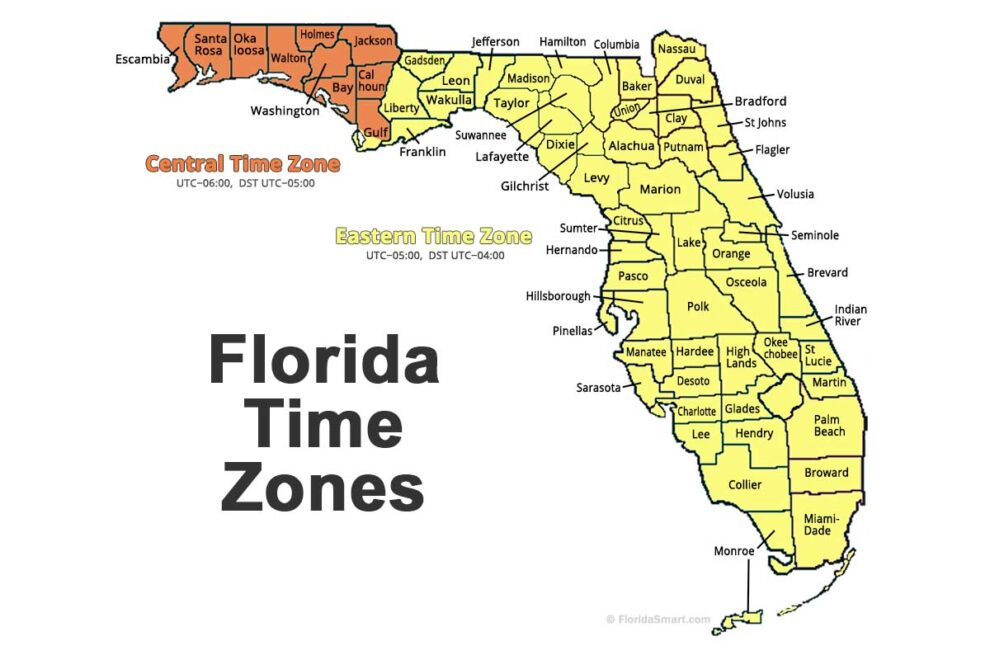
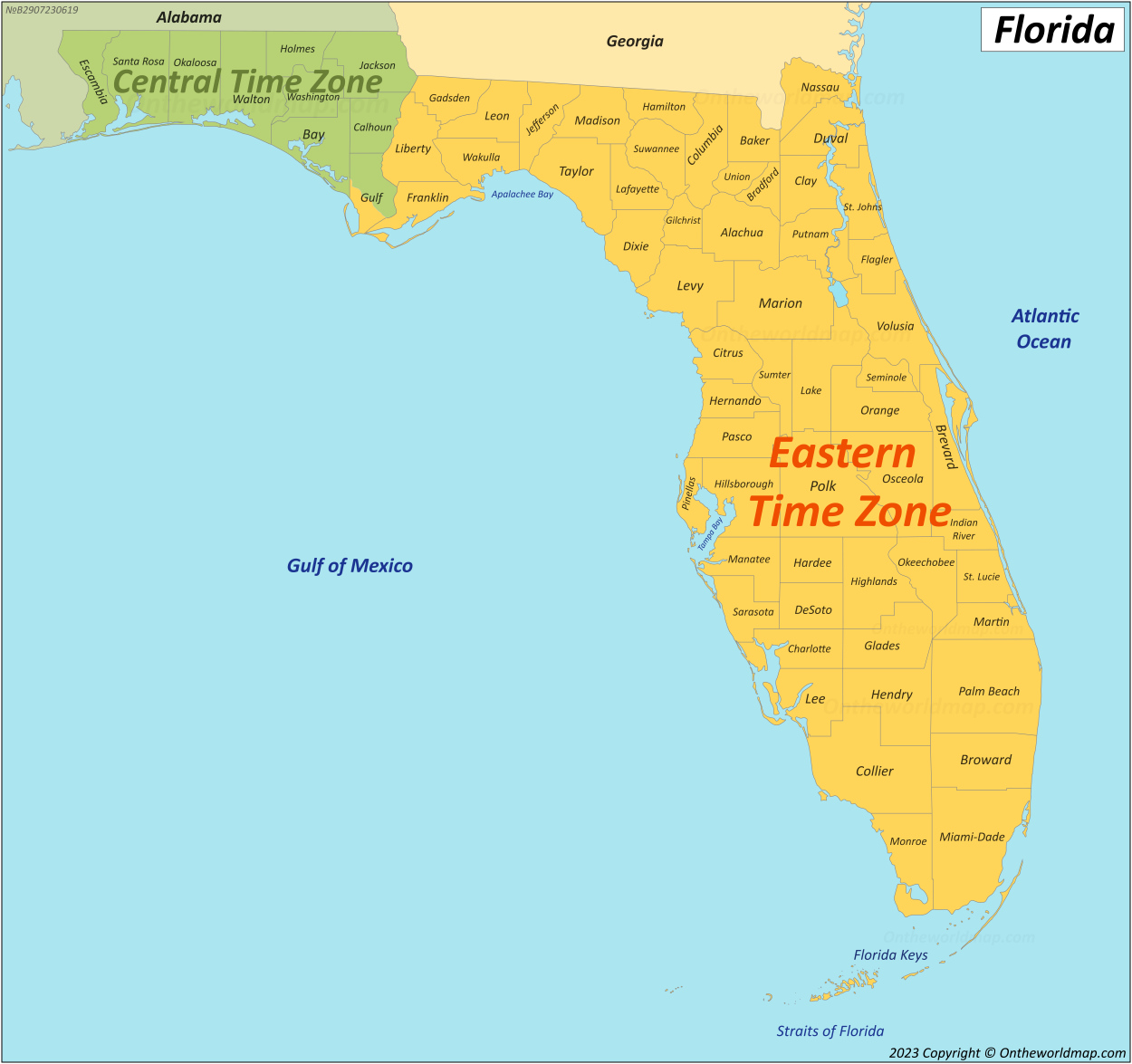
Florida is primarily known for its Eastern Time Zone (ET), encompassing the vast majority of its popular tourist destinations and major cities. However, a significant portion of the Florida Panhandle operates on Central Time Zone (CT), introducing a temporal split that travelers must be aware of.
The Eastern Time Zone Predominance
Most of what travelers envision when planning a Florida trip—the magical theme parks of Orlando, the dazzling nightlife of Miami, the historic charm of St. Augustine, and the beautiful beaches of the Atlantic Coast and much of the Gulf Coast—falls squarely within the Eastern Time Zone. This zone observes Eastern Standard Time (EST) during the cooler months and Eastern Daylight Time (EDT) when Daylight Saving Time is in effect. For instance, cities like Jacksonville, Tampa, Fort Lauderdale, and Key West all adhere to ET. This uniformity across the state’s most frequently visited areas simplifies planning for many tourists.
The Panhandle’s Central Time Split
The critical exception to Florida’s ET dominance lies in its westernmost region, the Florida Panhandle. Approximately one-third of the Panhandle, including prominent cities like Pensacola, Destin, and Panama City Beach, observes the Central Time Zone. This means these areas are one hour behind the rest of the state. For example, if it’s 3:00 PM in Orlando, it would be 2:00 PM in Pensacola. The time zone boundary generally runs along the Apalachicola River, with towns to the west adopting CT and those to the east remaining in ET. Tallahassee, the state capital, is located in the Eastern Time Zone, even though it’s geographically part of the Panhandle, further illustrating the need for careful attention to specific locations. Travelers driving across the Panhandle must be prepared to adjust their clocks.
Daylight Saving Time: Spring Forward, Fall Back
Like most of the United States, Florida observes Daylight Saving Time. Clocks “spring forward” one hour in early March and “fall back” one hour in early November. This adjustment means that during roughly eight months of the year, Florida operates on EDT (UTC-4) and CDT (UTC-5), respectively. During the remaining months, it reverts to EST (UTC-5) and CST (UTC-6). This seasonal change affects everything from park opening hours to flight schedules, making it a critical factor for any travel planner, especially for those visiting during the transition periods.
Navigating Time for Seamless Travel Experiences
Understanding Florida’s time dynamics goes beyond mere curiosity; it’s a cornerstone of effective travel planning, impacting logistics, bookings, and the overall enjoyment of your trip.
Flight Schedules and Airport Logistics
The most immediate impact of time zones is on air travel. All flight times are listed in the local time of the departure and arrival airports. For instance, a flight departing Miami International Airport (ET) at 9:00 AM and arriving at Pensacola International Airport (CT) at 10:30 AM would signify an actual flight duration of 2 hours and 30 minutes, despite the clock only advancing 1 hour and 30 minutes locally. Missing this one-hour difference can lead to confusion, missed connections, or even missed flights. Always double-check the time zone of both your origin and destination airports, especially when dealing with intra-state travel within Florida that crosses the ET/CT boundary.
Hotel Check-ins and Check-outs
Hotel policies are strictly tied to local time. A 3:00 PM check-in and 11:00 AM check-out in Orlando (ET) will differ by an hour for a similar policy in Destin (CT). Arriving too early or departing too late without prior arrangements can result in additional charges or inconvenience. Confirming the local time of your accommodation is vital to managing your arrival and departure efficiently, allowing you to settle in comfortably or maximize your final day’s activities without rushing.
Booking Attractions and Dining Reservations

Theme parks, museums, guided tours, and restaurant reservations operate on strict schedules dictated by local time. A reservation for 7:00 PM at a popular restaurant in South Beach is 7:00 PM ET. Similarly, if you’re planning to visit Busch Gardens Tampa Bay or SeaWorld Orlando, their operating hours are always aligned with the local time of Orlando and Tampa. Miscalculating the time could lead to missing your slot, losing out on valuable experiences, or arriving at attractions after they’ve closed for the day. For pre-booked experiences, always confirm the time zone cited in your confirmation emails, particularly if booking from a different time zone.
Optimizing Your Florida Itinerary with Time in Mind
Effective time management is the key to unlocking the full potential of your Florida vacation. Planning your days around the local clock ensures you make the most of every sunrise and sunset.
Morning Adventures: Theme Parks and Beaches
Many of Florida’s premier attractions, such as Walt Disney World Resort and Universal Orlando Resort, famously open their gates bright and early. Arriving shortly after opening allows you to experience popular rides with shorter wait times and enjoy the cooler morning temperatures. Similarly, for beach lovers, an early start means claiming the best spots on the sand, experiencing tranquil sunrises over the Atlantic, or catching the calmest waters for swimming or paddleboarding before the crowds arrive. Knowing the local time precisely enables these early bird strategies.
Afternoon Explorations: Museums and Nature Preserves
As the Florida sun climbs higher, indoor attractions like museums or shaded natural areas become more appealing. Planning your afternoons around visits to places like the Kennedy Space Center Visitor Complex, art galleries in St. Petersburg, or airboat tours in Everglades National Park can provide a welcome respite from the heat. Always check the specific operating hours for these attractions, as they can vary, and ensure your internal clock is aligned with the local time to avoid disappointment.
Evening Delights: Dining and Entertainment
Florida truly comes alive in the evenings, offering a myriad of dining, entertainment, and cultural experiences. From world-class restaurants in Miami and Orlando to vibrant street festivals and live music venues, the options are endless. Dinner reservations, showtimes, and event schedules are all anchored to local time. Being punctual is not only good etiquette but also ensures you don’t miss out on prime seating or the beginning of a performance. For those staying in the Panhandle, remember that local evening plans will be an hour “earlier” than those in the rest of the state, which can be an advantage for early diners or those seeking to extend their evening.
Practical Tips for Time Zone Adjustments
While Florida’s time zones are relatively straightforward compared to some international travel, a few simple tips can help ensure your internal clock aligns with your adventure.
Battling Jet Lag
If you’re traveling to Florida from a significantly different time zone, particularly from the west, jet lag can be a factor. The key to minimizing its effects is to start adjusting to Florida’s time zone before you even depart. Shift your sleep schedule by an hour or two each night leading up to your trip. Once you arrive, immediately immerse yourself in the local time: eat meals at local meal times, expose yourself to natural light during the day, and avoid naps, no matter how tempting. Staying hydrated is also crucial for combating jet lag.
Setting Your Devices Correctly
Most smartphones and smartwatches automatically update to the local time zone when they detect a change in location. However, it’s always wise to double-check this setting upon arrival, especially if you’re crossing from the ET to CT zone within the state. Manually adjusting your devices ensures all your alarms, calendar reminders, and communication with family and friends are accurate. Also, consider changing the clock in your rental car to local time for easy reference while driving.
Local Considerations and Emergency Services
Beyond personal scheduling, local services and emergency response times are always based on local time. Whether you need to visit a pharmacy, call for roadside assistance, or in the rare event of an emergency, knowing the precise local time is fundamental for clear communication and effective service. Familiarizing yourself with the nuances of Florida’s time zones is a small but significant step towards a perfectly executed and enjoyable travel experience in the Sunshine State.
LifeOutOfTheBox is a participant in the Amazon Services LLC Associates Program, an affiliate advertising program designed to provide a means for sites to earn advertising fees by advertising and linking to Amazon.com. Amazon, the Amazon logo, AmazonSupply, and the AmazonSupply logo are trademarks of Amazon.com, Inc. or its affiliates. As an Amazon Associate we earn affiliate commissions from qualifying purchases.