
Detroit, a city whose name alone conjures images of industrial might, musical innovation, and an indomitable spirit, has undergone a remarkable transformation over the decades. Once a global symbol of American manufacturing prowess, it also experienced significant population decline before embarking on a vibrant journey of revitalization. For those planning a visit, considering a move, or simply curious about this dynamic Michigan metropolis, understanding its population isn’t just about a number; it’s about grasping the heartbeat of a community that continues to shape culture, commerce, and creativity.
As of recent estimates, the population of Detroit stands at approximately 633,000 to 635,000 residents. This figure positions Detroit as the most populous city in Michigan and among the larger urban centers in the United States. However, this number tells only a fraction of the story. The city’s population has seen dramatic shifts, from its peak in the mid-20th century to its present-day stabilization and slow, steady growth, reflecting an enduring narrative of resilience, innovation, and ongoing rebirth that impacts every aspect of travel, tourism, and lifestyle within its borders.
Detroit’s Evolving Population: A City of Resilience and Revival
To truly appreciate Detroit’s current demographic landscape, one must look back at its storied past. The city’s population trajectory is a compelling narrative of boom, bust, and burgeoning rebirth, deeply intertwined with the fortunes of the automotive industry and broader socioeconomic changes in America.
From Boomtown to Modern Metropolis: A Historical Overview
Detroit earned its moniker “Motor City” by becoming the undisputed epicenter of the automotive industry in the early 20th century. This industrial boom attracted millions, seeking work and opportunity. From humble beginnings, the city’s population exploded, reaching its zenith in 1950 with an impressive 1.85 million residents, making it the fourth-largest city in the United States. This era saw unprecedented growth, a thriving middle class, and cultural vibrancy that put Detroit on the global map.
However, the latter half of the 20th century brought significant challenges. Shifts in manufacturing, increased automation, suburbanization, and social unrest led to a dramatic and prolonged period of population decline. Factories closed, jobs moved, and residents migrated to the suburbs or other parts of the country. By 2010, the population had plummeted to just over 700,000, and it continued to drop, albeit at a slower pace, for several more years.
The past decade, however, has marked a turning point. A concerted effort by city leaders, local businesses, and grassroots organizations, coupled with significant investment in downtown and Midtown areas, has spurred a revitalization. While not seeing a return to its peak numbers, the rate of population decline has slowed significantly, with recent years even showing modest increases. This stabilization is a testament to the city’s enduring appeal and the hard work of its diverse community.
The Current Count and Demographic Landscape
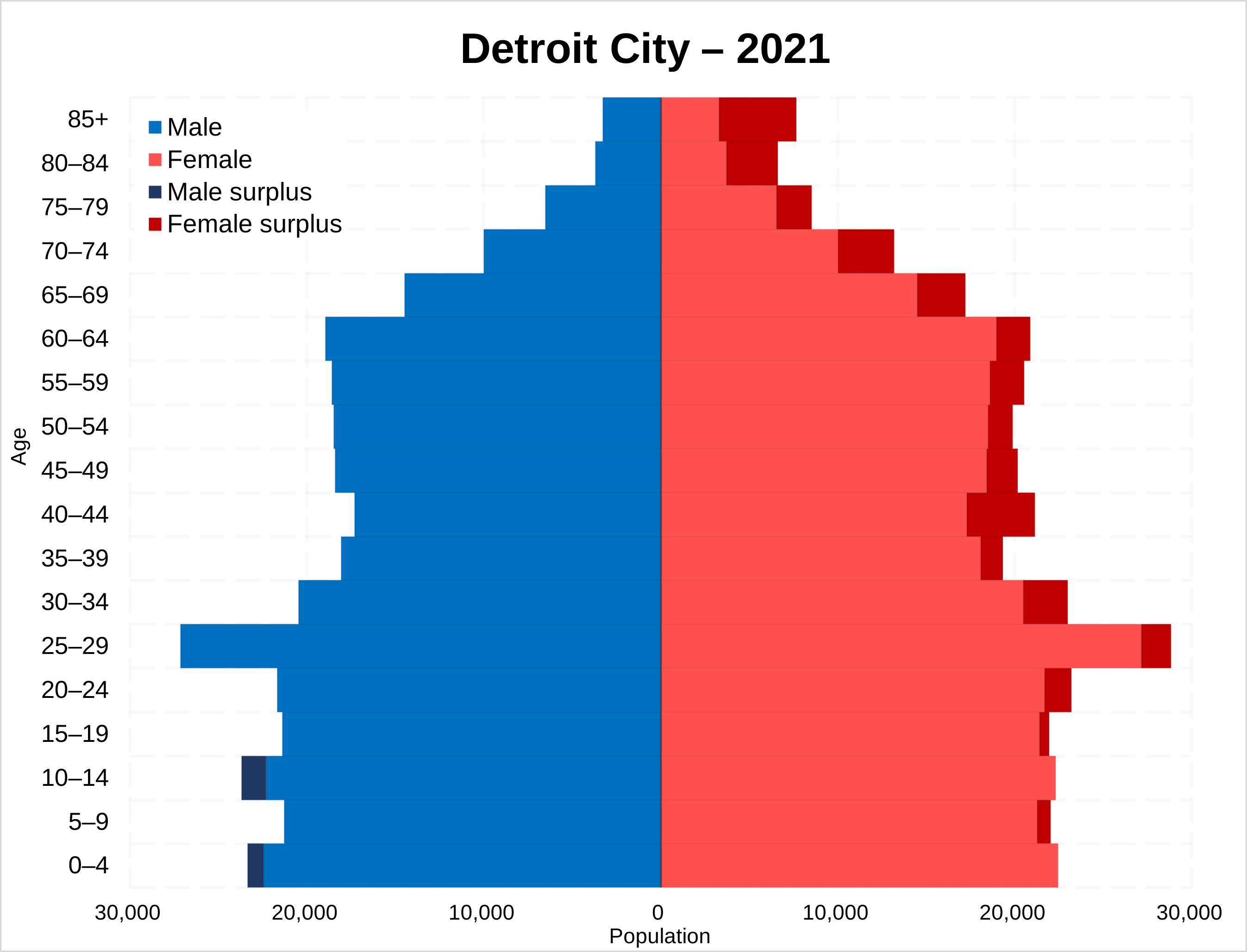
Today, Detroit‘s population hovers around 633,000 – 635,000. This number represents a city that is smaller than its mid-century self but is undoubtedly more focused, resilient, and undergoing a dynamic resurgence. The demographic makeup is rich and diverse, contributing to the city’s unique cultural tapestry. While predominantly African American, Detroit also boasts significant white, Hispanic, and Arab American communities, each contributing to its vibrant food, music, and arts scenes.
The average age of residents, household sizes, and income levels are all factors that influence the types of amenities available and the overall atmosphere of the city. A younger demographic, coupled with a growing number of professionals and entrepreneurs, has breathed new life into once-dormant neighborhoods, fostering a dynamic environment for both residents and visitors alike. This blend of heritage and contemporary energy makes Detroit an incredibly compelling destination for travelers seeking authentic experiences.
Exploring Detroit: Attractions Shaped by its People
The spirit of Detroit is intrinsically linked to its people – past and present. The city’s attractions, cultural institutions, and vibrant neighborhoods reflect its history, its struggles, and its triumphs, offering visitors a profound and engaging travel experience. From world-class museums to revitalized public spaces, Detroit invites exploration.
Iconic Landmarks and Cultural Hubs
Detroit’s landmarks are more than just buildings; they are monuments to human ingenuity and resilience.
- Motown Museum: No visit to Detroit is complete without a pilgrimage to Hitsville U.S.A., the original headquarters of Motown Records. This legendary label, founded by Berry Gordy, Jr., launched the careers of global superstars and fundamentally reshaped American music. The museum, a must-see for any music lover, offers an intimate look at the studio where countless hits were recorded, directly reflecting the incredible talent that emerged from Detroit’s population.
- Detroit Institute of Arts (DIA): Boasting one of the largest and most significant art collections in the United States, the DIA is a cultural jewel. Its 100-plus galleries feature everything from ancient artifacts to contemporary masterpieces, including Diego Rivera’s powerful “Detroit Industry Murals,” which celebrate the city’s working-class heritage and industrial might.
- The Henry Ford Museum of American Innovation and Greenfield Village: Located in nearby Dearborn, this sprawling complex celebrates American innovation and history. From the actual bus where Rosa Parks made her stand to presidential limousines and early farming equipment, these attractions offer a fascinating journey through the country’s technological and social evolution, directly tying into the people and ideas that shaped Detroit and beyond.
- Detroit Riverwalk: A prime example of Detroit’s revitalization efforts, the Detroit Riverwalk has transformed formerly industrial waterfronts into beautiful public spaces. Stretching for miles along the Detroit River, offering stunning views of the city skyline and neighboring Windsor, Canada, it’s a vibrant hub for recreation, events, and community gathering, showcasing the city’s commitment to improving the quality of life for its residents and enhancing visitor experiences.
- Belle Isle Park: A 982-acre island park designed by Frederick Law Olmsted, the visionary behind Central Park, Belle Isle Park is an urban oasis. Home to the Anna Scripps Whitcomb Conservatory, the Detroit Zoo, and the James Scott Memorial Fountain, it offers residents and tourists alike a tranquil escape with panoramic views and diverse recreational opportunities.
The Culinary Scene: A Taste of Detroit’s Diversity
Detroit’s diverse population has cultivated a truly eclectic and exciting food scene. While famous for its unique Detroit-style pizza – a rectangular pie with a thick, chewy crust, inverted layers of cheese and sauce, and crispy caramelized edges – the city offers so much more. From authentic Middle Eastern cuisine found in areas like Dearborn to traditional soul food restaurants, burgeoning farm-to-table establishments, and innovative fine dining, the culinary landscape is a reflection of the city’s multicultural fabric. Exploring Detroit’s restaurants is a journey through its demographic history, offering delicious insights into its people and traditions.
Vibrant Neighborhoods and Local Culture
Beyond the downtown core, Detroit’s neighborhoods each possess distinct personalities and charm, contributing to the city’s overall allure.
- Corktown: The city’s oldest surviving neighborhood, Corktown is experiencing a renaissance. Historically settled by Irish immigrants, it’s now a trendy spot with vibrant bars, eateries, and historic homes, making it a popular destination for those seeking local culture and nightlife.
- Midtown: Home to the DIA, Wayne State University, and the Detroit Medical Center, Midtown is a bustling cultural and academic hub. It boasts boutique shops, diverse restaurants, and a lively arts scene, attracting a younger demographic and professionals.
- Eastern Market: One of the oldest and largest historic public markets in the United States, Eastern Market is a year-round destination. On market days, it’s a bustling mosaic of vendors selling fresh produce, artisanal goods, and local food, embodying the community spirit and entrepreneurial drive of Detroit’s residents.
These neighborhoods are living testaments to how people, their traditions, and their collective efforts breathe life into a city, shaping its identity and offering unique experiences for every visitor.
Accommodation and Lifestyle: Catering to Every Visitor
The evolving population and resurgence of Detroit have directly influenced its hospitality sector, offering a diverse range of accommodation options and a dynamic lifestyle that caters to various travelers, from luxury seekers to budget-conscious families and business professionals.
Hotels for Every Style and Budget
The demand for quality lodging has grown significantly with the influx of tourists and business travelers. Detroit’s hotel scene reflects its comeback, boasting world-class establishments alongside charming boutique options.
- Luxury and Premium Stays: For those seeking an opulent experience, Detroit delivers. The iconic Detroit Marriott at the Renaissance Center, housed within the impressive General Motors Renaissance Center complex, offers breathtaking views of the city and the Detroit River, providing a sophisticated stay for business and leisure travelers. The Shinola Hotel offers a uniquely Detroit luxury experience, blending industrial chic with impeccable service and high-end amenities, deeply rooted in the city’s design and craft heritage. The MGM Grand Detroit combines a luxury resort experience with a vibrant casino, spa, and diverse dining options. Meanwhile, The Detroit Club, a historic private club, now welcomes guests to its meticulously restored rooms, offering an exclusive and elegant retreat.
- Boutique and Mid-Range Options: Detroit’s burgeoning boutique hotel scene caters to travelers looking for character and local flair. The Element Detroit at the Metropolitan, housed in a beautifully renovated historic skyscraper, offers extended-stay amenities with a stylish, modern aesthetic. Trumbull and Porter, an Ascend Hotel Collection hotel in Corktown provides a trendy, art-filled experience that captures the essence of the neighborhood. Many other well-known chains also offer comfortable and convenient mid-range options throughout the city, ensuring accessibility for a variety of budgets.
- Budget-Friendly Stays: Recognizing the diverse needs of its visitors, Detroit also provides ample budget-friendly hotels and motels, particularly on the outskirts of the downtown core and in surrounding suburbs, allowing all travelers to experience the city without breaking the bank.
Beyond Hotels: Apartments and Unique Stays
For those planning longer visits, family trips, or seeking a more immersive local experience, Detroit’s accommodation options extend beyond traditional hotels. The rise of short-term rental platforms has opened up a world of apartments, lofts, and unique homes for rent across various neighborhoods. This allows visitors to live like a local, explore diverse communities, and often provides more space and amenities for extended stays or larger groups. The demand for these options highlights the changing demographics of visitors and the growing interest in understanding Detroit not just as a destination, but as a place to truly experience life.
Living in Detroit: A Dynamic Urban Lifestyle
The growth and diversification of Detroit’s population also reflect an attractive lifestyle that extends beyond tourism. The city is increasingly drawing new residents, from young professionals to families, attracted by its affordability, burgeoning job market (especially in tech, healthcare, and automotive innovation), and vibrant arts and culture scene.
The lifestyle here is one of authenticity and community. Residents enjoy an abundance of green spaces like Belle Isle Park, a growing network of bike lanes, and an evolving public transport system. Major league sports teams—the Detroit Tigers at Comerica Park, the Detroit Lions at Ford Field, and the Detroit Red Wings and Detroit Pistons at Little Caesars Arena—provide year-round entertainment. The city’s legendary music heritage continues to thrive with live venues, while world-class theaters like the Fox Theatre host Broadway shows and concerts. This blend of urban energy, cultural richness, and strong community ties offers a compelling lifestyle for its residents and a dynamic environment for visitors to explore.
Detroit’s Future: Growth and Continued Transformation
The question “How many people live in Detroit?” points to more than just a census count; it highlights a city in constant evolution. Detroit’s future is not just about numbers; it’s about the quality of life for its residents and the richness of experience it offers to visitors.
Urban Revitalization Projects and Their Impact
Ongoing urban revitalization projects are pivotal to Detroit’s future. From the redevelopment of downtown skyscrapers like the Book Tower to neighborhood-specific initiatives aimed at improving infrastructure, housing, and public services, the city is committed to smart growth. These efforts are designed to attract new businesses, foster entrepreneurship, and create job opportunities that, in turn, draw new residents. The focus is on sustainable development that benefits all Detroiters, creating a more equitable and vibrant city.
These projects also directly benefit tourism. Improved public spaces, renovated historic buildings, and new cultural amenities make Detroit an even more appealing destination. The revitalization makes it easier and more enjoyable for visitors to navigate the city, discover its hidden gems, and experience its unique character.
A Destination for All
Detroit’s population story is one of enduring spirit and remarkable comeback. While the exact number of residents fluctuates, the underlying narrative is clear: Detroit is a city on the rise, a testament to the power of human resilience and collective effort. It’s a place where history meets innovation, where the echoes of Motown blend with the buzz of new businesses, and where every neighborhood tells a unique story.
For travelers, Detroit offers an authentic American experience unlike any other. It’s a destination that challenges preconceptions and rewards curiosity. Whether you’re drawn by its automotive heritage, musical legacy, vibrant arts scene, delicious food, or the sheer energy of a city reinventing itself, Detroit promises a rich and memorable journey. The people who live here are the heart of its story, inviting you to discover a city that is not just surviving but thriving, proving that its true strength lies in its soul.
LifeOutOfTheBox is a participant in the Amazon Services LLC Associates Program, an affiliate advertising program designed to provide a means for sites to earn advertising fees by advertising and linking to Amazon.com. Amazon, the Amazon logo, AmazonSupply, and the AmazonSupply logo are trademarks of Amazon.com, Inc. or its affiliates. As an Amazon Associate we earn affiliate commissions from qualifying purchases.